
 Ulike ReGlow Pro★ 5.0 (511)







Table of Contents
Do you spend half an hour every morning fighting with a razor? Or maybe you dread the stinging routine of a monthly wax appointment just to keep your legs smooth for a few days. If that sounds familiar, you're not alone. For long-term, hassle-free smoothness, laser hair removal is the clear choice for many people today. However, when you start looking into the cost, the initial investment can feel substantial. Understanding what you're actually paying for, and what you save over time, is essential before booking those initial appointments. By January 2026, the market is competitive, making the process more accessible than ever.
Right now, expect a session for your full legs to cost you between $400 and $700 per visit. This price point sets the stage for understanding the overall commitment required for genuinely long-lasting results. Since hair removal on the legs involves a large surface area, the cost per session naturally sits higher than smaller zones like the underarms. To minimize the sticker shock, clinics almost always push package deals. A full initial course of treatment, which usually requires 6 to 8 sessions, typically lands between $2,400 and $4,500. Don't forget about potential extras. You might face a small fee for an initial consultation; this is often waived if you commit to a package. Also, plan for the long haul by budgeting for yearly maintenance touch-ups, which average about $200 to $300 per session after your primary course is complete. Taking the time to research options now is the best way to get the most value from your smooth-skin investment.
How much does full leg laser hair removal cost?
The total financial commitment for full leg laser hair removal depends heavily on whether you pay as you go or buy a bundle. In 2026, the industry standard focuses on bundles because laser hair removal is a marathon, not a sprint. A single session on both legs can range from $400 to $800 depending on the clinic's reputation and equipment. However, very few people pay this individual rate. Most reputable centers offer packages for 6 to 8 sessions that cost between $2,400 and $6,000. By committing to a full course upfront, you can typically save 15% to 20% compared to paying for each visit separately.
You should also look out for hidden costs that can inflate your budget. Some high-end medical spas charge a separate registration or consultation fee, though these are often credited toward your first treatment. Another factor is the tip; in the United States, it's customary to tip your technician 10% to 15% per session. Over an eight-session course, those tips can add several hundred dollars to your total expenditure. When reviewing a comprehensive laser hair removal guide, it becomes clear that consistency is the most important factor in protecting your investment. If you skip sessions, you might end up needing extra appointments, which adds to the final bill.
Finally, consider the long-term maintenance. Even after a successful initial package, most people will need one or two touch-up sessions every year to catch "dormant" hairs that eventually activate. These individual maintenance sessions usually cost between $200 and $300. While the upfront price is high, many clinics in 2026 offer interest-free payment plans through services like Klarna or Affirm, making it easier to manage the cost monthly rather than paying thousands at once.
What factors change the price of leg treatments?
The quote you receive from a clinic isn't just a random number; it's influenced by your geography, the technology used, and the specific area being treated. Location is the biggest driver; clinics in major hubs like New York City or Los Angeles have higher rent and labor costs, which they pass on to the customer. Small-town clinics often provide the same service for 30% less.
The type of technology also plays a role. Modern systems that feature advanced cooling mechanisms or faster repetition rates often command a premium because they make the experience more comfortable and efficient. If a clinic uses a brand-new "painless" laser, expect to pay more than you would at a place using older equipment that requires messy gels and more time.
Additionally, the size of the treatment area is a major price hook. Many people choose to treat only the lower legs (from the knee to the ankle), which is significantly cheaper than a full-leg treatment involving the thighs. If you're looking to save money, a half-leg package is a great entry point. The expertise of the provider also matters; a session performed by a licensed dermatologist will naturally cost more than one done by a junior technician at a high-volume "laser boutique."
How many laser sessions will your legs actually need?
Many people wonder why they can't just go once and be done. The answer lies in the biology of the hair growth cycle. Your hair grows in three distinct phases: the active growth phase (anagen), the transition phase (catagen), and the resting phase (telogen). Laser light only effectively destroys hair follicles when they're in the anagen phase, because that's when the hair is firmly attached to the bulb and full of pigment.
On the legs, only a certain percentage of hairs are "active" at any given time. This is why you need 6 to 8 sessions spaced roughly 6 to 10 weeks apart. Leg hair actually grows slower than facial or underarm hair, so the gaps between appointments are longer. This timing ensures that each session catches a new "crop" of hair in the active growth stage.
Your individual biology also dictates the timeline. Patients with a high contrast between their skin tone and hair color (like light skin and very dark hair) often see results faster because the laser can easily target the melanin. If your hair is finer or lighter, you might require 10 or more sessions to reach your goal. Usually, by session three or four, you'll see a significant reduction in the speed and thickness of regrowth.
Is laser hair removal on legs worth the investment?
When you look at a $3,500 bill, it's easy to feel hesitant. However, the value of laser hair removal is best measured over a decade. If you spend $40 a month on high-quality razors, shaving creams, and soothing lotions, you're looking at $4,800 over ten years. Professional waxing is even more expensive; a monthly full-leg wax at $70 adds up to $8,400 over the same period. In this light, a one-time laser package is actually the more affordable long-term choice.
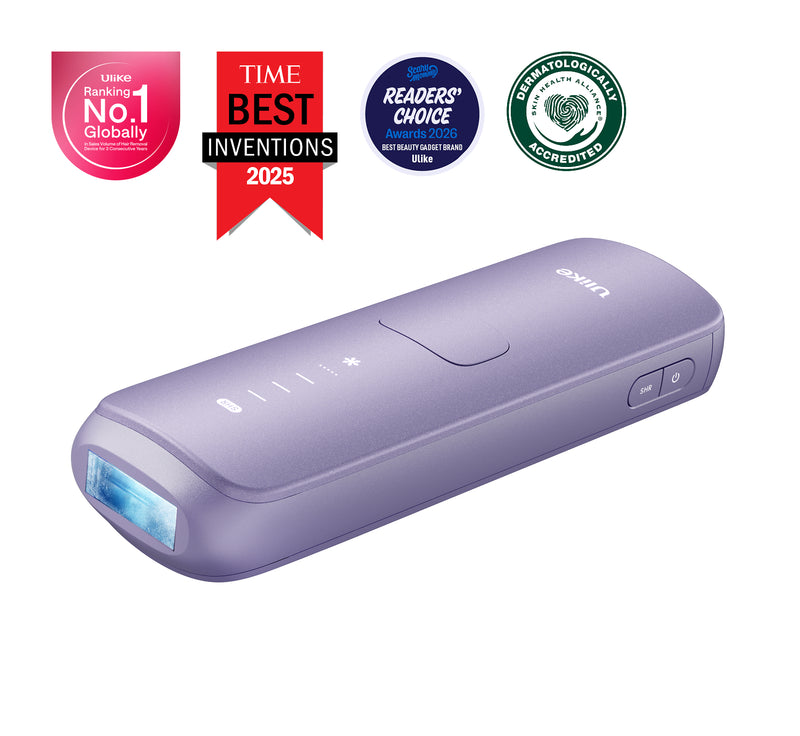
Beyond the money, there's the benefit of reclaimed time. Shaving your legs in the shower adds several minutes to your daily routine, and dealing with painful ingrown hairs or "strawberry legs" is a constant struggle for many. Laser treatment eliminates these issues almost entirely. To make the investment even more comfortable, brands like Ulike have introduced Sapphire Ice-Cooling technology, which keeps the skin at a low temperature during the process, minimizing the "rubber band snap" sensation common with older lasers.
Can laser remove leg hair permanently?
It's a common misconception that laser hair removal is 100% permanent for every single hair. The industry standard is actually permanent hair reduction. This means that while the laser destroys the majority of follicles, the body can occasionally develop new ones due to hormonal changes or the "waking up" of dormant follicles.
You can expect an 80% to 90% reduction in hair growth. The few hairs that do grow back are usually much finer, lighter, and almost invisible to the naked eye. This is why annual touch-ups are so common; they keep that high percentage of reduction stable. Even with a few stray hairs, the need for daily maintenance vanishes, which is the result most people are looking for when they start this journey.
Conclusion
While the upfront cost of a $3,500 leg laser package can seem daunting, the freedom from the daily shaving grind makes it a favorite investment for millions. By 2026, the combination of advanced clinic tech and accessible home-use options has made smooth skin more of a standard than a luxury. Whether you choose the clinical route or supplement with a high-quality home device, the key is consistency. With the right plan and a little patience, the era of razors and wax strips can finally be a thing of the past.