



How to Increase Estrogen Naturally in Females (12 Simple Ways)
Lifestyle

How to Increase Estrogen Naturally in Females (12 Simple Ways)

Introduction From growth to puberty, reproduction, and development of feminine features and traits, estrogen is one hormone that plays a vital role in ensuring smooth and seamless functions of different processes and organs in women. Hence, this hormone must be produced regularly and in sufficient quantity to drive these several processes and functions in the body. Sadly, this is not usually the case. Many women today suffer from low levels of estrogen. Hence, in this article, we will talk about estrogen, its production, regulation, functions, and natural ways to remedy low levels of this hormone. Understanding estrogen's role can help women recognize its importance in overall health and wellness. What is Estrogen? Estrogen is a group of hormones that fall under the category of sex hormones. While they are primarily found in females, they are also present in males in amounts. These hormones play a role in the development and functioning of the reproductive system and various other physiological processes throughout the body 1 . In females, there are three types of estrogen; estradiol, estrone, and estriol. Among these, estradiol is considered to be the prevalent form of estrogen. The ovaries mainly produce it. The adrenal glands and peripheral tissues can also synthesize it. Conversely, estrone is predominantly made in tissues, like fat cells, while estriol takes center stage during pregnancy. Functions of Estrogen Estrogen is one of the most essential hormones in women. It is virtually involved in different processes and roles in women’s development and growth; hence it carries out various functions in the body, some of which include: Estrogen's functions extend beyond reproduction, impacting various bodily systems and overall health. ❖ Estrogen is responsible for the growth and maintenance of organs like the uterus, fallopian tubes, and vagina. Estrogen also has a role during the cycle by promoting the thickening of the uterine lining (endometrium) in preparation for a potential pregnancy. ❖ Also, when females go through puberty, estrogen stimulates the development of characteristics. These include breast growth, wider hips, and hair growth in underarm areas. These characteristics are crucial for female physical development and contribute to sexual maturity. ❖ Furthermore, estrogen plays a role in regulating the cycle. It helps mature and release eggs from the ovaries (ovulation) while preparing the system for conception. Regulating menstrual cycles is vital for reproductive health and fertility in women. ❖ To wrap it up, estrogen plays a role in maintaining health by enhancing the function of blood vessels encouraging their expansion, and influencing cholesterol levels. However, it’s important to note that the impact of estrogen on health can be intricate and influenced by factors. Remember, this hormone must be present in a sufficient amount to effectively carry out these functions. Low estrogen levels can result in symptoms like night sweats, light or short periods (less than three days), achy joints, anxiety, depression, vaginal dryness, infertility, mood swings, etc. Naturally, the body should produce enough estrogen to drive essential functions. However, factors such as age (during menopause), eating disorders, genetic conditions, autoimmune diseases, etc, can result in low estrogen levels in the body. Addressing low estrogen levels is important for maintaining balance and preventing health issues associated with deficiency. If you’re experiencing low estrogen levels, that’s not the end. The good news is there are natural ways to help increase low estrogen levels in the body. Below are 12 natural ways to increase the level of estrogen in the body. 1. Whole-Food Soy First, on our list, today is whole-food soy. Soy is known to contain isoflavones which are a type of phytoestrogen that can naturally boost estrogen levels when they are low. These isoflavones play a role, in regulating estrogen balance. When levels are low they help the existing estrogen continue circulating in the body. Soy products come in forms. Have different levels of isoflavone content 3 . There is the premature soybean, called edamame, which contains higher levels of isoflavones than tofu or regular ones. Edamame, the immature form of soybeans, is particularly nutritious and can be a beneficial addition to your diet for estrogen support. When buying your tofu, go for the organic one. This is because some nonorganic tofu has been found to contain a common herbicide called glyphosate, which may be a threat to your overall well-being4. Choosing organic tofu can help reduce exposure to harmful substances, ensuring a healthier option for your meals. 2. Ground Flaxseed The next remedy is the impressive flaxseed. Flaxseed is a very good source of phytoestrogen that can improve the levels of estrogen in the body 5 . Flaxseed is rich in phytoestrogens, which are plant-based compounds that may help enhance estrogen levels naturally. Phytoestrogens exert a weak estrogenic effect, so in the case of low estrogen in women, it promotes the function of the existing estrogen in the body 6 . These phytoestrogens can mimic estrogen in the body, providing support for women experiencing low hormone levels. 3. Vitamin E One of the most essential vitamins in the body is vitamin E. It is a type of vitamin that is involved in different roles in the body, including a role in the detoxification of estrogen. It has the ability to regulate estrogen levels either by increasing or decreasing them depending on the levels 7 . When estrogen levels are low vitamin E can hinder the detoxification process leading to an increase in estrogen levels. Vitamin E is thought to play a role in maintaining hormonal balance, especially when estrogen levels are low. 4. Gentle Exercise Another way to increase your estrogen level is by exercising. Mild exercise such as walking, running, and swimming have been shown to be beneficial in boosting the body’s estrogen levels. However, there’s a catch to it. The exercise must be mild and not heavy. This is because heavy exercise can increase the body’s stress levels, and that’s not good for estrogen production. To put more emphasis on this, a study shows that most females need at least 17% body fat to maintain a normal hormone function for a healthy and regular menstrual cycle 9 . 5. Avoid Gluten Do you want to keep your estrogen levels optimal? Reduce gluten consumption. In fact, if possible, avoid it completely. There is an autoimmune disorder, caused by gluten, called celiac disease. This disease affects different organs of the body, including the small intestine, which may result in inflammation and further damage to the organs affected 10 . Inflammation can increase the body’s stress levels through, but not limited to, the production of cortisol. Increased cortisol is not good for estrogen production. In fact, it decreases the level of estrogen. So, you should avoid gluten completely decreases your cortisol levels and ultimately encourages more production of estrogen. Moreso, you should also know that gluten intolerance is huge a factor that can promote amenorrhea, infertility, and diminished ovarian reserve 11 , all of which are associated with lowered estrogen levels. Gluten intolerance can significantly impact hormonal health, leading to conditions such as amenorrhea and infertility, which may lower estrogen levels. You should really avoid gluten completely if you’re experiencing low estrogen levels. Eliminating gluten from your diet could be beneficial, especially if you are facing symptoms of low estrogen. 6. Black Cohosh Black Cohosh is another to maintain optimal estrogen levels in the body. Grown in North America, black cohosh has been explored for its hormonal activity. In a study, it was revealed this plant possesses the impressive ability to reduce estrogen receptors, which will decrease estrogen levels in the body, seamlessly. So, if you battle with low estrogen levels, black cohosh is an option to consider 12 . Black cohosh is known for its potential to support hormonal balance and may be especially helpful for those with low estrogen. 7. Acupuncture Although this requires the service of an expert, acupuncture is another method you can explore to keep your estrogen levels optimal. This technique of alternative medicine involves the insertion of needles in strategic areas of the body. Acupuncture is believed to help enhance hormonal regulation and improve overall well-being by targeting specific points in the body. Acupuncture has been used for a long to relieve pain and remedy some diseases. Recent studies have now shown that it may also have some effects on hormones. In the most relevant study, it was found that acupuncture may boost estrogen levels in women diagnosed with ovarian dysfunction naturally 13 . However, remember this technique requires the expertise of a professional, and acupuncturist, to successfully carry out. 8. Pomegranate In patients with Polycystic Ovarian Syndrome PCOS, estrogen levels are typically low from the increase in androgens. According to a study, pomegranate juice increased the level of estrogen naturally in patients with PCOS 14 . Pomegranate juice may offer a natural way to boost estrogen levels, particularly for those with conditions like PCOS. Also, pomegranate is a rich source of phytoestrogen, which is known to be beneficial in maintaining an optimal level of estrogen. Pomegranate's phytoestrogen content can play a crucial role in supporting healthy estrogen levels in the body. 9. Cut Down on Stress We’ve slightly mentioned how detrimental stress is a couple of times already in this article, let’s talk in-depth about it. Understanding the impact of stress is essential, as it can significantly affect your overall hormonal balance. The body is not built to be completely resistant to external microbial, physical, or environmental, attacks. Instead, the body is built to respond to these factors accordingly, thanks to the immune system. One of the ways the body responds to microbial or environmental attacks is inflammation. In fact, it is one of the healing processes of the body. Ordinarily, this should be a good thing. However, that’s not always the case, as it can also cause damage to some other organs of the body. The most relevant, in this article, is the production of the stress hormone, cortisol. Sadly, not only inflammation leads to the production of this hormone, but also anything that stresses the body, including heavy exercise, lack of sleep, hunger, etc. Increased levels of this stress hormone can result in low estrogen levels. Increased stress can lead to the production of hormones that may negatively impact estrogen levels, highlighting the importance of stress management. Hence, you need to be careful with the kind of stress you put your body through, especially if you’re experiencing low estrogen levels. Monitoring your stress levels is vital, especially if you are concerned about low estrogen, as it can exacerbate hormonal imbalances. 10. Maca Unlike some of the phytoestrogens discussed, Maca is an adaptogen. Although a different term, it has similar effects to phytoestrogen. Adaptogen works by enhancing the activity of the endocrine function by ensuring proper regulation of hormones in the body 15 . This powerful plant, Maca, does this by simply stimulating the pituitary gland and the hypothalamus in the brain. Little wonder Maca is now distributed all over the world for its impressive medicinal properties, even though it originated in a small town in Peru. 11. Reduce Caffeine You have probably heard about the many dangers of caffeine in the body. It is not without its medicinal value, but it can become a problem if abused. In simple terms, taking caffeine stimulates your body, and makes it work faster than usual, thereby kicking off the stress response. We already established how detrimental stress is to your body, especially your estrogen levels. Moreso, a study shows that caffeine may also interfere with the metabolism of estrogen in the body. Basically, it increases the rate of metabolism and leads to the quicker decline of estrogen in the body 16 . That said, if you want to keep your estrogen levels optimal, caffeine is one thing you want to stay away from. Limiting caffeine intake can help maintain hormonal balance, supporting optimal estrogen levels. 12. Ginseng Chances are you’ve heard of Ginseng already. Well, that’s because of its impressive therapeutic activities. It’s been in use for over 2 million years and it’s still a very good solution to some of the illnesses today. Ginseng is renowned not just for its health benefits, but also for its historical significance in traditional medicine. According to a study, ginseng was found to upregulate estrogen production in the uterus, ovary, breast, bone, fat tissue, and in liver 17 . This study highlights ginseng's potential role in enhancing estrogen production, which may positively influence reproductive health. Moreso, a study found that ginseng may cause estrogen to counteract stress in the brain by utilizing antioxidation, thereby ensuring effective functioning and optimal level of estrogen in the body 18 . Interestingly, ginseng may offer stress-relief benefits, which can be crucial for maintaining hormonal homeostasis. Conclusion There you have 12 simple natural ways to boost the level of estrogen in the body. If you’re experiencing low levels of estrogen, check out any of the discussed natural remedies. However, remember that everybody is unique, and it’s about determining what works best for your body. Some persons can be allergic or sensitive to some of the remedies. Hence, you need to understand your body enough to know what’s best for you. Moreso, sometimes all you need is to withdraw whatever factor has triggered the condition and not any external remedy to bring your estrogen level back to normal. If you’re suffering from low levels of estrogen, you may need to know what’s triggering it, especially if you’re still very young. References Delgado BJ, Lopez-Ojeda W. Estrogen. [Updated 2022 Jun 28]. In: StatPearls [Internet]. Treasure Island (FL): StatPearls Publishing; 2023 Jan-. Available from: https://www.ncbi.nlm.nih.gov/books/NBK538260/ Thiyagarajan DK, Basit H, Jeanmonod R. Physiology, Menstrual Cycle. [Updated 2022 Oct 24]. In: StatPearls [Internet]. Treasure Island (FL): StatPearls Publishing; 2023 Jan-. Available from: https://www.ncbi.nlm.nih.gov/books/NBK500020/ Křížová, L., Dadáková, K., Kašparovská, J., & Kašparovský, T. (2019). Isoflavones. Molecules (Basel, Switzerland), 24(6), 1076. https://doi.org/10.3390/molecules24061076 Costas-Ferreira, C., Durán, R., & Faro, L. R. F. (2022). Toxic Effects of Glyphosate on the Nervous System: A Systematic Review. International journal of molecular sciences, 23(9), 4605. https://doi.org/10.3390/ijms23094605 Dikshit, A., Gao, C., Small, C., Hales, K., & Hales, D. B. (2016). Flaxseed and its components differentially affect estrogen targets in pre-neoplastic hen ovaries. The Journal of steroid biochemistry and molecular biology, 159, 73–85. https://doi.org/10.1016/j.jsbmb.2016.02.028 Desmawati, D., & Sulastri, D. (2019). Phytoestrogens and Their Health Effects. Open Access Macedonian Journal of medical sciences, 7(3), 495–499. https://doi.org/10.3889/oamjms.2019.044 Feduniw, S., Korczyńska, L., Górski, K., Zgliczyńska, M., Bączkowska, M., Byrczak, M., Kociuba, J., Ali, M., & Ciebiera, M. (2022). The Effect of Vitamin E Supplementation in Postmenopausal Women-A Systematic Review. Nutrients, 15(1), 160. https://doi.org/10.3390/nu15010160 Mishra, N., Mishra, V. N., & Devanshi (2011). Exercise beyond menopause: Dos and Don’ts. Journal of mid-life health, 2(2), 51–56. https://doi.org/10.4103/0976-7800.92524 Witkoś, J., & Wróbel, P. (2019). Menstrual disorders in amateur dancers. BMC women’s health, 19(1), 87. https://doi.org/10.1186/s12905-019-0779-1 Sharma, N., Bhatia, S., Chunduri, V., Kaur, S., Sharma, S., Kapoor, P., Kumari, A., & Garg, M. (2020). Pathogenesis of Celiac Disease and Other Gluten Related Disorders in Wheat and Strategies for Mitigating Them. Frontiers in nutrition, 7, 6. https://doi.org/10.3389/fnut.2020.00006 Cakmak, E., Karakus, S., Demirpence, O., & Demet Coskun, B. (2018). Ovarian Reserve Assessment in Celiac Patients of Reproductive Age. Medical science monitor: international medical journal of experimental and clinical research, 24, 1152–1157. https://doi.org/10.12659/msm.909033 Szmyd, M., Lloyd, V., Hallman, K., Aleck, K., Mladenovik, V., McKee, C., Morse, M., Bedgood, T., & Dinda, S. (2018). The effects of black cohosh on the regulation of estrogen receptor (ERα) and progesterone receptor (PR) in breast cancer cells. Breast cancer (Dove Medical Press), 10, 1–11. https://doi.org/10.2147/BCTT.S144865 Xu, H., Zheng, C., He, L., Su, T., Wang, H., Li, Y., Zhao, C., Zhang, C., Bai, Y., Tong, G., Chen, L., Zhao, F., Yang, H., Hao, M., Yin, Y., Yang, L., Fang, Y., & Liu, B. (2020). Effect of acupuncture on women with poor ovarian response: a study protocol for a multicenter randomized controlled trial. Trials, 21(1), 775. https://doi.org/10.1186/s13063-020-04690-8 Eghbali, S., Askari, S. F., Avan, R., & Sahebkar, A. (2021). Therapeutic Effects of Punica granatum (Pomegranate): An Updated Review of Clinical Trials. Journal of nutrition and metabolism, 2021, 5297162. https://doi.org/10.1155/2021/5297162 Ybañez-Julca, R. O., Asunción-Alvarez, D., Palacios, J., & Nwokocha, C. R. (2020). Maca extracts and estrogen replacement therapy in ovariectomized rats exposed at high altitudes. Reproductive medicine and biology, 20(1), 88–95. https://doi.org/10.1002/rmb2.12357 Kotsopoulos, J., Eliassen, A. H., Missmer, S. A., Hankinson, S. E., & Tworoger, S. S. (2009). Relationship between caffeine intake and plasma sex hormone concentrations in premenopausal and postmenopausal women. Cancer, 115(12), 2765–2774. https://doi.org/10.1002/cncr.24328 Joonwoo Park, Heewon Song, Si-Kwan Kim, Myeong Soo Lee, Dong-Kwon Rhee, YoungJoo Lee, Effects of ginseng on two main sex steroid hormone receptors: estrogen and androgen receptors, Journal of Ginseng Research, Volume 41, Issue 2, 2017 This study explores the impact of ginseng on hormonal receptors, specifically focusing on both estrogen and androgen receptors, which are crucial for understanding hormonal balance. Park, J., Song, H., Kim, S. K., Lee, M. S., Rhee, D. K., & Lee, Y. (2017). Effects of ginseng on two main sex steroid hormone receptors: estrogen and androgen receptors. Journal of ginseng research, 41(2), 215–221. https://doi.org/10.1016/j.jgr.2016.08.005 This research investigates the effects of ginseng on sex steroid hormone receptors, contributing valuable insights into its potential role in hormonal health. Ulike Welcome to Ulike! We hope our expertise can bring value to you.
Nov 26, 2025
Share:

Up to 40% Off
& Free Gifts

Learn More
Table of Contents

Introduction

From growth to puberty, reproduction, and development of feminine features and traits, estrogen is one hormone that plays a vital role in ensuring smooth and seamless functions of different processes and organs in women.

Hence, this hormone must be produced regularly and in sufficient quantity to drive these several processes and functions in the body. Sadly, this is not usually the case. Many women today suffer from low levels of estrogen.

Hence, in this article, we will talk about estrogen, its production, regulation, functions, and natural ways to remedy low levels of this hormone.

Understanding estrogen's role can help women recognize its importance in overall health and wellness.

What is Estrogen?

What is Estrogen?
Estrogen is a group of hormones that fall under the category of sex hormones. While they are primarily found in females, they are also present in males in amounts. These hormones play a role in the development and functioning of the reproductive system and various other physiological processes throughout the body 1 .

In females, there are three types of estrogen; estradiol, estrone, and estriol. Among these, estradiol is considered to be the prevalent form of estrogen. The ovaries mainly produce it. The adrenal glands and peripheral tissues can also synthesize it. Conversely, estrone is predominantly made in tissues, like fat cells, while estriol takes center stage during pregnancy.

Functions of Estrogen

Estrogen is one of the most essential hormones in women. It is virtually involved in different processes and roles in women’s development and growth; hence it carries out various functions in the body, some of which include:

Estrogen's functions extend beyond reproduction, impacting various bodily systems and overall health.

❖ Estrogen is responsible for the growth and maintenance of organs like the uterus, fallopian tubes, and vagina. Estrogen also has a role during the cycle by promoting the thickening of the uterine lining (endometrium) in preparation for a potential pregnancy.

❖ Also, when females go through puberty, estrogen stimulates the development of characteristics. These include breast growth, wider hips, and hair growth in underarm areas.

These characteristics are crucial for female physical development and contribute to sexual maturity.

❖ Furthermore, estrogen plays a role in regulating the cycle. It helps mature and release eggs from the ovaries (ovulation) while preparing the system for conception.

Regulating menstrual cycles is vital for reproductive health and fertility in women.

❖ To wrap it up, estrogen plays a role in maintaining health by enhancing the function of blood vessels encouraging their expansion, and influencing cholesterol levels. However, it’s important to note that the impact of estrogen on health can be intricate and influenced by factors.

Remember, this hormone must be present in a sufficient amount to effectively carry out these functions. Low estrogen levels can result in symptoms like night sweats, light or short periods (less than three days), achy joints, anxiety, depression, vaginal dryness, infertility, mood swings, etc.

Naturally, the body should produce enough estrogen to drive essential functions. However, factors such as age (during menopause), eating disorders, genetic conditions, autoimmune diseases, etc, can result in low estrogen levels in the body.

Addressing low estrogen levels is important for maintaining balance and preventing health issues associated with deficiency.

If you’re experiencing low estrogen levels, that’s not the end. The good news is there are natural ways to help increase low estrogen levels in the body. Below are 12 natural ways to increase the level of estrogen in the body.

1. Whole-Food Soy

1. Whole-Food Soy

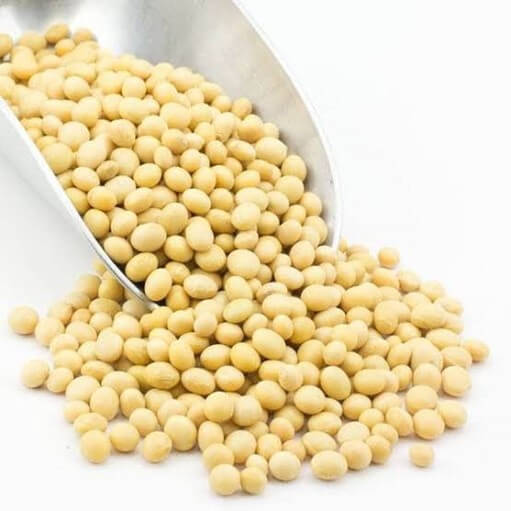
First, on our list, today is whole-food soy. Soy is known to contain isoflavones which are a type of phytoestrogen that can naturally boost estrogen levels when they are low. These isoflavones play a role, in regulating estrogen balance. When levels are low they help the existing estrogen continue circulating in the body. Soy products come in forms. Have different levels of isoflavone content 3 .

There is the premature soybean, called edamame, which contains higher levels of isoflavones than tofu or regular ones.

Edamame, the immature form of soybeans, is particularly nutritious and can be a beneficial addition to your diet for estrogen support.

When buying your tofu, go for the organic one. This is because some nonorganic tofu has been found to contain a common herbicide called glyphosate, which may be a threat to your overall well-being4.

Choosing organic tofu can help reduce exposure to harmful substances, ensuring a healthier option for your meals.

2. Ground Flaxseed

2. Ground Flaxseed

The next remedy is the impressive flaxseed. Flaxseed is a very good source of phytoestrogen that can improve the levels of estrogen in the body 5 .

Flaxseed is rich in phytoestrogens, which are plant-based compounds that may help enhance estrogen levels naturally.

Phytoestrogens exert a weak estrogenic effect, so in the case of low estrogen in women, it promotes the function of the existing estrogen in the body 6 .

These phytoestrogens can mimic estrogen in the body, providing support for women experiencing low hormone levels.

3. Vitamin E

3. Vitamin E

One of the most essential vitamins in the body is vitamin E. It is a type of vitamin that is involved in different roles in the body, including a role in the detoxification of estrogen. It has the ability to regulate estrogen levels either by increasing or decreasing them depending on the levels 7 .

When estrogen levels are low vitamin E can hinder the detoxification process leading to an increase in estrogen levels.

Vitamin E is thought to play a role in maintaining hormonal balance, especially when estrogen levels are low.

4. Gentle Exercise

4. Gentle Exercise

Another way to increase your estrogen level is by exercising. Mild exercise such as walking, running, and swimming have been shown to be beneficial in boosting the body’s estrogen levels. However, there’s a catch to it. The exercise must be mild and not heavy.

This is because heavy exercise can increase the body’s stress levels, and that’s not good for estrogen production. To put more emphasis on this, a study shows that most females need at least 17% body fat to maintain a normal hormone function for a healthy and regular menstrual cycle 9 .

5. Avoid Gluten

5. Avoid Gluten

Do you want to keep your estrogen levels optimal? Reduce gluten consumption. In fact, if possible, avoid it completely. There is an autoimmune disorder, caused by gluten, called celiac disease. This disease affects different organs of the body, including the small intestine, which may result in inflammation and further damage to the organs affected 10 .

Inflammation can increase the body’s stress levels through, but not limited to, the production of cortisol. Increased cortisol is not good for estrogen production. In fact, it decreases the level of estrogen. So, you should avoid gluten completely decreases your cortisol levels and ultimately encourages more production of estrogen.

Moreso, you should also know that gluten intolerance is huge a factor that can promote amenorrhea, infertility, and diminished ovarian reserve 11 , all of which are associated with lowered estrogen levels.

Gluten intolerance can significantly impact hormonal health, leading to conditions such as amenorrhea and infertility, which may lower estrogen levels.

You should really avoid gluten completely if you’re experiencing low estrogen levels.

Eliminating gluten from your diet could be beneficial, especially if you are facing symptoms of low estrogen.

6. Black Cohosh

6. Black Cohosh

Black Cohosh is another to maintain optimal estrogen levels in the body. Grown in North America, black cohosh has been explored for its hormonal activity. In a study, it was revealed this plant possesses the impressive ability to reduce estrogen receptors, which will decrease estrogen levels in the body, seamlessly.

So, if you battle with low estrogen levels, black cohosh is an option to consider 12 .

Black cohosh is known for its potential to support hormonal balance and may be especially helpful for those with low estrogen.

7. Acupuncture

7. Acupuncture

Although this requires the service of an expert, acupuncture is another method you can explore to keep your estrogen levels optimal. This technique of alternative medicine involves the insertion of needles in strategic areas of the body.

Acupuncture is believed to help enhance hormonal regulation and improve overall well-being by targeting specific points in the body.

Acupuncture has been used for a long to relieve pain and remedy some diseases. Recent studies have now shown that it may also have some effects on hormones. In the most relevant study, it was found that acupuncture may boost estrogen levels in women diagnosed with ovarian dysfunction naturally 13 .

However, remember this technique requires the expertise of a professional, and acupuncturist, to successfully carry out.

8. Pomegranate

8. Pomegranate

In patients with Polycystic Ovarian Syndrome PCOS, estrogen levels are typically low from the increase in androgens. According to a study, pomegranate juice increased the level of estrogen naturally in patients with PCOS 14 .

Pomegranate juice may offer a natural way to boost estrogen levels, particularly for those with conditions like PCOS.

Also, pomegranate is a rich source of phytoestrogen, which is known to be beneficial in maintaining an optimal level of estrogen.

Pomegranate's phytoestrogen content can play a crucial role in supporting healthy estrogen levels in the body.

9. Cut Down on Stress

9. Cut Down on Stress

We’ve slightly mentioned how detrimental stress is a couple of times already in this article, let’s talk in-depth about it.

Understanding the impact of stress is essential, as it can significantly affect your overall hormonal balance.

The body is not built to be completely resistant to external microbial, physical, or environmental, attacks. Instead, the body is built to respond to these factors accordingly, thanks to the immune system. One of the ways the body responds to microbial or environmental attacks is inflammation. In fact, it is one of the healing processes of the body.

Ordinarily, this should be a good thing. However, that’s not always the case, as it can also cause damage to some other organs of the body. The most relevant, in this article, is the production of the stress hormone, cortisol.

Sadly, not only inflammation leads to the production of this hormone, but also anything that stresses the body, including heavy exercise, lack of sleep, hunger, etc. Increased levels of this stress hormone can result in low estrogen levels.

Increased stress can lead to the production of hormones that may negatively impact estrogen levels, highlighting the importance of stress management.

Hence, you need to be careful with the kind of stress you put your body through, especially if you’re experiencing low estrogen levels.

Monitoring your stress levels is vital, especially if you are concerned about low estrogen, as it can exacerbate hormonal imbalances.

10. Maca

10. Maca

Unlike some of the phytoestrogens discussed, Maca is an adaptogen. Although a different term, it has similar effects to phytoestrogen. Adaptogen works by enhancing the activity of the endocrine function by ensuring proper regulation of hormones in the body 15 .

This powerful plant, Maca, does this by simply stimulating the pituitary gland and the hypothalamus in the brain. Little wonder Maca is now distributed all over the world for its impressive medicinal properties, even though it originated in a small town in Peru.

11. Reduce Caffeine

11. Reduce Caffeine

You have probably heard about the many dangers of caffeine in the body. It is not without its medicinal value, but it can become a problem if abused. In simple terms, taking caffeine stimulates your body, and makes it work faster than usual, thereby kicking off the stress response.

We already established how detrimental stress is to your body, especially your estrogen levels. Moreso, a study shows that caffeine may also interfere with the metabolism of estrogen in the body. Basically, it increases the rate of metabolism and leads to the quicker decline of estrogen in the body 16 .

That said, if you want to keep your estrogen levels optimal, caffeine is one thing you want to stay away from.

Limiting caffeine intake can help maintain hormonal balance, supporting optimal estrogen levels.

12. Ginseng

12. Ginseng

Chances are you’ve heard of Ginseng already. Well, that’s because of its impressive therapeutic activities. It’s been in use for over 2 million years and it’s still a very good solution to some of the illnesses today.

Ginseng is renowned not just for its health benefits, but also for its historical significance in traditional medicine.

According to a study, ginseng was found to upregulate estrogen production in the uterus, ovary, breast, bone, fat tissue, and in liver 17 .

This study highlights ginseng's potential role in enhancing estrogen production, which may positively influence reproductive health.

Moreso, a study found that ginseng may cause estrogen to counteract stress in the brain by utilizing antioxidation, thereby ensuring effective functioning and optimal level of estrogen in the body 18 .

Interestingly, ginseng may offer stress-relief benefits, which can be crucial for maintaining hormonal homeostasis.

Conclusion

There you have 12 simple natural ways to boost the level of estrogen in the body. If you’re experiencing low levels of estrogen, check out any of the discussed natural remedies.

However, remember that everybody is unique, and it’s about determining what works best for your body. Some persons can be allergic or sensitive to some of the remedies. Hence, you need to understand your body enough to know what’s best for you.

Moreso, sometimes all you need is to withdraw whatever factor has triggered the condition and not any external remedy to bring your estrogen level back to normal. If you’re suffering from low levels of estrogen, you may need to know what’s triggering it, especially if you’re still very young.

References

  1. Delgado BJ, Lopez-Ojeda W. Estrogen. [Updated 2022 Jun 28]. In: StatPearls [Internet]. Treasure Island (FL): StatPearls Publishing; 2023 Jan-. Available from: https://www.ncbi.nlm.nih.gov/books/NBK538260/
  2. Thiyagarajan DK, Basit H, Jeanmonod R. Physiology, Menstrual Cycle. [Updated 2022 Oct 24]. In: StatPearls [Internet]. Treasure Island (FL): StatPearls Publishing; 2023 Jan-. Available from: https://www.ncbi.nlm.nih.gov/books/NBK500020/
  3. Křížová, L., Dadáková, K., Kašparovská, J., & Kašparovský, T. (2019). Isoflavones. Molecules (Basel, Switzerland), 24(6), 1076. https://doi.org/10.3390/molecules24061076
  4. Costas-Ferreira, C., Durán, R., & Faro, L. R. F. (2022). Toxic Effects of Glyphosate on the Nervous System: A Systematic Review. International journal of molecular sciences, 23(9), 4605. https://doi.org/10.3390/ijms23094605
  5. Dikshit, A., Gao, C., Small, C., Hales, K., & Hales, D. B. (2016). Flaxseed and its components differentially affect estrogen targets in pre-neoplastic hen ovaries. The Journal of steroid biochemistry and molecular biology, 159, 73–85. https://doi.org/10.1016/j.jsbmb.2016.02.028
  6. Desmawati, D., & Sulastri, D. (2019). Phytoestrogens and Their Health Effects. Open Access Macedonian Journal of medical sciences, 7(3), 495–499. https://doi.org/10.3889/oamjms.2019.044
  7. Feduniw, S., Korczyńska, L., Górski, K., Zgliczyńska, M., Bączkowska, M., Byrczak, M., Kociuba, J., Ali, M., & Ciebiera, M. (2022). The Effect of Vitamin E Supplementation in Postmenopausal Women-A Systematic Review. Nutrients, 15(1), 160. https://doi.org/10.3390/nu15010160
  8. Mishra, N., Mishra, V. N., & Devanshi (2011). Exercise beyond menopause: Dos and Don’ts. Journal of mid-life health, 2(2), 51–56. https://doi.org/10.4103/0976-7800.92524
  9. Witkoś, J., & Wróbel, P. (2019). Menstrual disorders in amateur dancers. BMC women’s health, 19(1), 87. https://doi.org/10.1186/s12905-019-0779-1
  10. Sharma, N., Bhatia, S., Chunduri, V., Kaur, S., Sharma, S., Kapoor, P., Kumari, A., & Garg, M. (2020). Pathogenesis of Celiac Disease and Other Gluten Related Disorders in Wheat and Strategies for Mitigating Them. Frontiers in nutrition, 7, 6. https://doi.org/10.3389/fnut.2020.00006
  11. Cakmak, E., Karakus, S., Demirpence, O., & Demet Coskun, B. (2018). Ovarian Reserve Assessment in Celiac Patients of Reproductive Age. Medical science monitor: international medical journal of experimental and clinical research, 24, 1152–1157. https://doi.org/10.12659/msm.909033
  12. Szmyd, M., Lloyd, V., Hallman, K., Aleck, K., Mladenovik, V., McKee, C., Morse, M., Bedgood, T., & Dinda, S. (2018). The effects of black cohosh on the regulation of estrogen receptor (ERα) and progesterone receptor (PR) in breast cancer cells. Breast cancer (Dove Medical Press), 10, 1–11. https://doi.org/10.2147/BCTT.S144865
  13. Xu, H., Zheng, C., He, L., Su, T., Wang, H., Li, Y., Zhao, C., Zhang, C., Bai, Y., Tong, G., Chen, L., Zhao, F., Yang, H., Hao, M., Yin, Y., Yang, L., Fang, Y., & Liu, B. (2020). Effect of acupuncture on women with poor ovarian response: a study protocol for a multicenter randomized controlled trial. Trials, 21(1), 775. https://doi.org/10.1186/s13063-020-04690-8
  14. Eghbali, S., Askari, S. F., Avan, R., & Sahebkar, A. (2021). Therapeutic Effects of Punica granatum (Pomegranate): An Updated Review of Clinical Trials. Journal of nutrition and metabolism, 2021, 5297162. https://doi.org/10.1155/2021/5297162
  15. Ybañez-Julca, R. O., Asunción-Alvarez, D., Palacios, J., & Nwokocha, C. R. (2020). Maca extracts and estrogen replacement therapy in ovariectomized rats exposed at high altitudes. Reproductive medicine and biology, 20(1), 88–95. https://doi.org/10.1002/rmb2.12357
  16. Kotsopoulos, J., Eliassen, A. H., Missmer, S. A., Hankinson, S. E., & Tworoger, S. S. (2009). Relationship between caffeine intake and plasma sex hormone concentrations in premenopausal and postmenopausal women. Cancer, 115(12), 2765–2774. https://doi.org/10.1002/cncr.24328
  17. Joonwoo Park, Heewon Song, Si-Kwan Kim, Myeong Soo Lee, Dong-Kwon Rhee, YoungJoo Lee, Effects of ginseng on two main sex steroid hormone receptors: estrogen and androgen receptors, Journal of Ginseng Research, Volume 41, Issue 2, 2017
  18. This study explores the impact of ginseng on hormonal receptors, specifically focusing on both estrogen and androgen receptors, which are crucial for understanding hormonal balance.

  19. Park, J., Song, H., Kim, S. K., Lee, M. S., Rhee, D. K., & Lee, Y. (2017). Effects of ginseng on two main sex steroid hormone receptors: estrogen and androgen receptors. Journal of ginseng research, 41(2), 215–221. https://doi.org/10.1016/j.jgr.2016.08.005
  20. This research investigates the effects of ginseng on sex steroid hormone receptors, contributing valuable insights into its potential role in hormonal health.

Bimi logo 100x
Ulike
Welcome to Ulike! We hope our expertise can bring value to you.
Previous
The 10 Best Women’s Daily Vitamin Packs in 2025
Next
When Can You Shave Over a Tattoo?
Share:
Prada vs. Louis Vuitton: Which One Should You Choose?
Prada vs. Louis Vuitton: Which One Should You Choose?

Whether you want to feel a little sexy and spice things up on your night out or feel like...
Nov 26, 2025
18 Special Memorial Day Weekend Activities for Family in 2025

18 Special Memorial Day Weekend Activities for Family in 2025

As a victim of a fallen soldier, we normally hang DIY patriotic art in our house during M...
Nov 26, 2025
What is Aftershave: Everything Explained

What is Aftershave: Everything Explained

What is Aftershave? It is a skincare product you are required to apply after shaving. Nowad...
Nov 26, 2025

Need guidance?

Get a free one-on-one consultation

TALK TO AN EXPERT

Explore Beauty

Ulike Air 10

2 weeks to silky smooth skin.

96% Hair Density Reduction in 2 Weeks

Ulike Air 3

3 weeks to silky smooth skin.

93% Hair Density Reduction in 4 Weeks

Back to top