



How to Shave Your Face for Women to Avoid Irritating Skin?
Skincare

How to Shave Your Face for Women to Avoid Irritating Skin?

You may have heard the quote, “The best foundation you can wear is glowing, healthy skin,” before now. And if you haven’t, well, thankfully, you just read that now. The skin on your face is the most sensitive part of your skin, thanks to the heavy presence of nerves in that area. However, one major complaint of women who go for dermatologist appointments over skin irritation is usually “after-shave facial irritation.” According to research, approximately 60-70% of women worldwide experience sensitive skin. Therefore, it is safe to say that one of the most common skin care challenges women mostly face is attributed to shaving. If you’ve ever wondered how to shave your face without irritating the skin and surrounding areas, then you may want to move a bit closer to your device, as this article would help elucidate it. In this article, you will learn about after-shave facial irritations, what they mean, the causes of these facial irritations, and their treatment. Also, you would learn how to shave correctly to avoid irritating your skin using a hair removal product recommendation. In addition, you would also learn the best tips on how to maintain a healthy face-shaving lifestyle. And peradventure, you have had to deal with different skin irritation as a result of shaving your face wrongly, there’s something for you in the article as you would learn how to reverse the process using the simple procedure that would be highlighted in this article. Without boring you with so much biological jargon, let’s dive right in! What are after-shave facial irritations? As its name connotes, after-shave facial irritations are the different types of skin irritations that may appear on your face due to dry shaving, aggressive shaving, using blunt blades, or an improper shaving technique. These irritations are of different types and can range from mild (in the form of a cut) appearing on the face to severe (in the form of a rash). They are felt when inflammation occurs, sending signals to the nerves, which transmit them to the brain, which interprets them and sends back the signal you feel as pain or a burning sensation. Too much to take in? well, let’s break it down a bit further! To put it simply, these irritations can lead to discomfort, making it important to understand their causes. Understanding after-shave irritations can help in taking steps to prevent them, ensuring a more comfortable shaving experience. When you shave, there may be an accidental cut that may be unnoticeable. Remember the opening paragraph, which explains why the face is the most sensitive due to the many nerves present? These nerves serve as a vehicle that transmits the information from the cut area to your brain. In turn, your brain processes this information and sends it back as a pain signal, which you then feel as a stimulus. For most females, hair grows in the eyebrow areas, forehead, temples, ear, and areas under the chin. Hence, shaving usually occurs in these areas, making them prone to after-shave irritation. These areas are where hair removal is common, so knowing where to shave can help minimize irritation. Being aware of these areas, such as the eyebrow and chin, can help you tailor your shaving routine to reduce irritation. These areas are often sensitive, and understanding how hair growth patterns impact irritation can help you choose the right shaving techniques. Recognizing hair growth patterns is crucial, as it influences the choice of shaving techniques to reduce irritation. Causes of after-shave irritation Razor burn or rash Razor burn or rash occurs when the skin is irritated due to friction or improper shaving technique, leading to discomfort. Taking care to use the right products and techniques can minimize the likelihood of experiencing razor burn, enhancing your overall comfort. Using the right products and ensuring proper technique can greatly reduce the chances of experiencing razor burn. Razor bumps Razor bumps arise when hair follicles become inflamed, often due to shaving against the direction of hair growth. To prevent razor bumps, consider adjusting your shaving technique to follow the natural direction of hair growth. Shaving with the grain not only helps prevent razor bumps but can also lead to a smoother finish. Folliculitis Folliculitis is an infection or inflammation of the hair follicles, which can be caused by bacteria or irritation from shaving. Folliculitis can lead to discomfort and may require attention to avoid further complications. Razor Burn (rash) The most common cause of after-shave irritation is razor burn (rash), which is usually caused by using a blunt blade. You may begin to feel the burn almost immediately after you finish shaving, and it may last up to 10 minutes. The skin around the shaved area may feel itchy and appear swollen, red, and painful. Razor bumps Razor bumps appear as a result of overly cut hair. Although more common in men than women, you are likely to be prone to razor bumps if the hair around your face is curly or bristly. The reason is that these types of hair when shaved, grow to a length that it can curve back into your skin as an ingrown which upon reaction with your skin, forms a bump. Folliculitis Folliculitis is a bacterial infection that occurs as a result of an inflamed, damaged, or blocked hair follicle. They appear as a pimple-like red rash, bump, or pus at the base of the hair follicle. This may lead to the affected area being itchy and sore. Whilst most cases of folliculitis are mild and would usually resolve within 7-10 days on its own, however, if infection lingers, be observant to notice any accompanying symptoms such as a high fever that may develop in addition to this infection. Related reading How to Use a Safety Razor: Double-Edge Razor How to Prevent Razor Burns: Effective Tips and Home Remedies Does Shaving Cause Acne? How to stop irritation after shave 1. Cold compress Inflammation occurring from razor cuts or burns can result in a burning sensation. To prevent this, you can apply a cold compress to help relieve that burning sensation. Applying a cold compress can significantly \1 and soothe irritated skin, making it an effective first step in your post-shaving care routine. 2. Avoid products containing harsh chemicals In such a situation, be sure to avoid any products containing harsh chemicals such as paraben, formaldehyde, propylene glycol, polyethylene glycol, and alcohol. The reason is that these products leave your skin dry and flaky and as such causes more damage. Instead, you may substitute with a non-toxic product whose ingredients are made from natural plants that are not carcinogenic, and as such its effects are gentle on the skin. 3. Speak with a trained medical practitioner If you experience pain around the infected area due to an infection such as severe folliculitis that won’t resolve on its own, you should speak with your doctor. Your doctor will prescribe over-the-counter medications such as antibiotics and antifungal drugs to address the root cause of the problem. If you experience excessive itchiness, you may be placed on antihistamines to help relieve it. In addition, antibacterial soaps may also be recommended to help eliminate these infections. Other best practices you could engage in to avoid facial irritation include the following; Consulting a trained medical practitioner can provide \1 and help you explore options tailored to your specific skin type and concerns. Applying a shaving cream first before shaving: if you are very prone to skin irritation, it would be in your best interest to first apply a shaving cream on the area you wish to shave before shaving. Doing this would help reduce your chances of having a cut or burn as the cream would serve as a protective layer between the blade and your skin. Shave softly: pressing too hard while shaving will be too hard on your skin and may damage your skin. So, you want to avoid going in that direction. On the other side of the spectrum, you also want to avoid being too soft at it. So, finding a balance between these two extremes would make a huge difference. Avoid shaving too frequently: many people are guilty of doing this. Understandably, you want to nurture your facial skin and make it appears as hairless as possible. However, in a bid to do so, you end up shaving almost every day. This is a wrong practice that you should do away with. A normal and healthy recommendation would be to shave 2 to 3 times a week. This would help the skin around the area to heal in case of any cut and be less susceptible to irritation. Having taken you through what after-shave irritation means, the causes, and their remedies, the next section focuses on how you can go about shaving to avoid skin irritation. For simplicity, let’s call it the “ how-to ” section; Understanding proper shaving techniques is essential to \1 and achieve a smoother finish. This section will guide you through effective methods to enhance your shaving experience. As you prepare to learn effective shaving techniques, it's important to understand that \1 and technique are key to achieving the best results while avoiding irritation. How to shave your face to avoid irritating your skin Shaving is as easy as eating however, the technique you use is what makes the difference. This section is divided into three distinct phases that you can follow to shave your face and avoid irritating your skin; Shaving can be a straightforward process, but mastering the right \1 for optimal results and skin safety. By following these three phases carefully, you can achieve a \1 that promotes healthy skin. Understanding the \1 in shaving can help you achieve smoother results while minimizing the risk of irritation. Proper technique not only helps in achieving smoother skin but also plays a key role in \1 during and after shaving. I. Pre-shaving (preparatory) phase Whilst some might opt for non-comedogenic products, it is advisable to wash your face using lukewarm water to help remove oil debris. This is because water is a natural element that is void of any chemicals and so it can be trusted to do a perfect cleansing job. Non-comedogenic products, on the other hand, are made of synthetic chemicals that would cleanse your skin but dry it out in the process. Next, get a shaving cream, gel, or foam and apply it to the area you wish to shave. Consider your most sensitive areas, and be careful during application and shaving. II. Shaving phase During shaving, be sure to use a razor that is most suitable for your skin type. Don’t push too hard on your skin. Gently allow the razor to glide over and do the work. Also, observe the pattern and direction in which the hair in that area grows. This will help you maintain shaving consistency and reduce the chances of getting a razor cut or bump that results from an irregular shaving pattern. However, if you cringe at the sight of sharp objects such as razors or electric trimmers, as an alternative, you can opt for the Ulike laser hair removal device, which eliminates the chances of getting a cut or burn and gives you a quick and nearly painless shaving experience in under few minutes. The glide mode is totally automatic and thumb-free, and you will notice a massive desirable result in just 2 weeks. In addition, you enjoy free shipping and a $100 discount when you buy 2 of these products. The Ulike device sells for $399, which may appear pricey, but it’s worth it considering its benefits. So, it’s a win-win. Related reading What Should Women Apply Before and After Shaving: A Beginner’s Guide How to Heal an Armpit Rash? III. Post-shaving (treatment) phase After shaving, your skin may feel dry, especially if it is very sensitive. In this case, you may want to incorporate using a moisturizer suited for your skin type. If you are unsure about your type of skin, ensure you check in with your dermatologist or skincare expert to know which moisturizer would be best for you. Finally, for you who have had to deal with different skin irritations as a result of shaving your face wrongly and are perplexed about what to do or how to reverse it, this next section is dedicated to you; This section is designed to provide you with \1 to alleviate irritation and enhance skin recovery after shaving mishaps. This section offers \1 for those looking to correct past shaving mistakes and restore their skin’s health. How to soothe after-shave facial-skin irritation If you’ve ever doubted if your skin could return to the usual flawless skin you once had before shaving, then you may want to pay more attention to this part of the article. Understanding how to care for your skin post-shaving is essential for \1 and preventing future issues. It’s essential to remember that \1 can go a long way in restoring your skin's natural appearance after shaving. What if I told you that all it takes to reverse that after-shave facial skin irritation you battled long before now is only one simple phrase? That took you by surprise, right? Well, it is so simple – soothe your skin! Soothing your skin after shaving would help moisturize and heal your irritated skin as well as rejuvenate it. There are several options to pick from, some of which include aloe Vera, apple cider vinegar, witch hazel extract, and water-based tea tee oil mixture. You can take it a step further by consulting a doctor who may prescribe an over-the-counter drug to speed up the healing process. You’ve come this far with reading up to this point and you deserve some tip. As a bonus point, we reserved some of the best tips for you: These tips are designed to \1 with knowledge that can lead to better skin care post-shaving. These tips may help \1 and promote healing, making your skin feel more comfortable after shaving. These tips aim to enhance your \1 and ensure your skin remains healthy and irritation-free. By following these tips, you can \1 and minimize the risk of irritation for healthier skin. #Bonus: best tips on how to maintain a healthy face-shaving lifestyle Maintaining a \1 involves consistent care and attention to your skin’s needs before, during, and after shaving. Incorporating these practices into your routine can lead to a \1, helping to prevent discomfort.   Soothing irritated skin after shaving is crucial to maintain skin health. Implementing effective aftercare can significantly improve your \1, ensuring a smoother recovery after shaving. Wash your face with lukewarm water Using lukewarm water helps to open the pores and prepare your skin for better absorption of products. Using lukewarm water not only helps to open the pores but also ensures that any residual shaving products are effectively rinsed away, improving your overall post-shave care. Make it a habit to exfoliate Regular exfoliation can help remove dead skin cells, which may reduce irritation and prevent ingrown hairs. Regular exfoliation can help remove dead skin cells, which may reduce irritation and prevent ingrown hairs, ensuring a smoother shave in the future. Keep your face moisturized always Keeping your skin moisturized can help prevent dryness and irritation, leading to a healthier complexion. Using a suitable moisturizer can further enhance your skin's hydration levels, helping to maintain its softness and elasticity. Keeping your skin moisturized can help prevent dryness and irritation, leading to a healthier complexion, especially in areas prone to shaving irritation. Gently massage areas of the face that you shave often By focusing on gentle techniques, you can avoid further aggravating your skin after shaving. Gently massaging areas of the face that you shave often can promote blood circulation and enhance the absorption of soothing products, aiding in skin recovery. Massaging the shaved areas gently can increase circulation and promote healing of the skin. Gentle massage can also help to release tension in the facial muscles, contributing to overall skin comfort. Use only natural and hydrating products These products often contain natural ingredients that nourish the skin, further enhancing its hydration and health. Natural and hydrating products are less likely to contain irritants, making them safer for sensitive skin. Avoid picking, pulling, touching, or scratching your facial hair. By refraining from picking or scratching, you can significantly reduce the risk of inflammation and discomfort. This practice can prevent skin damage and promote healthier hair growth. Avoiding physical contact with your facial hair can help minimize irritation and prevent breakouts. On the whole, shaving is a hygienic practice that should be incorporated into our skincare routine if you want to maintain flawless skin. However, if proper care is not taken, shaving can damage your skin and irritate it. Bearing this in mind, you want to be sure that you are doing everything humanly and cosmetically possible to avoid irritating the skin around your face when you shave. Incorporating the above-listed shaving practices into your skincare routine, most especially using the Ulike device is the best way to get you out of that rabbit hole that is leading to skin irritation. Remember, having beautiful skin is not a miracle but requires commitment. Take the lessons, play your part, and stay flawless. ULIKEBEAUTY Welcome to Ulike! We hope our expertise can bring value to you.
Nov 26, 2025
Share:

Up to 40% Off
& Free Gifts

Learn More
Table of Contents
Shave face for women 1068x562

You may have heard the quote, “The best foundation you can wear is glowing, healthy skin,” before now. And if you haven’t, well, thankfully, you just read that now. The skin on your face is the most sensitive part of your skin, thanks to the heavy presence of nerves in that area. However, one major complaint of women who go for dermatologist appointments over skin irritation is usually “after-shave facial irritation.”

shave face

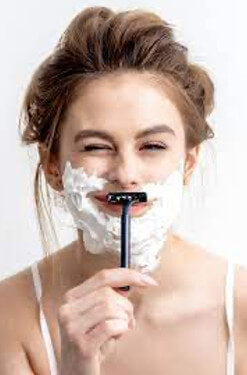
According to research, approximately 60-70% of women worldwide experience sensitive skin. Therefore, it is safe to say that one of the most common skin care challenges women mostly face is attributed to shaving. If you’ve ever wondered how to shave your face without irritating the skin and surrounding areas, then you may want to move a bit closer to your device, as this article would help elucidate it.

In this article, you will learn about after-shave facial irritations, what they mean, the causes of these facial irritations, and their treatment. Also, you would learn how to shave correctly to avoid irritating your skin using a hair removal product recommendation. In addition, you would also learn the best tips on how to maintain a healthy face-shaving lifestyle. And peradventure, you have had to deal with different skin irritation as a result of shaving your face wrongly, there’s something for you in the article as you would learn how to reverse the process using the simple procedure that would be highlighted in this article.

Without boring you with so much biological jargon, let’s dive right in!

What are after-shave facial irritations?

As its name connotes, after-shave facial irritations are the different types of skin irritations that may appear on your face due to dry shaving, aggressive shaving, using blunt blades, or an improper shaving technique. These irritations are of different types and can range from mild (in the form of a cut) appearing on the face to severe (in the form of a rash).

They are felt when inflammation occurs, sending signals to the nerves, which transmit them to the brain, which interprets them and sends back the signal you feel as pain or a burning sensation.

Too much to take in? well, let’s break it down a bit further!

To put it simply, these irritations can lead to discomfort, making it important to understand their causes.

Understanding after-shave irritations can help in taking steps to prevent them, ensuring a more comfortable shaving experience.

When you shave, there may be an accidental cut that may be unnoticeable. Remember the opening paragraph, which explains why the face is the most sensitive due to the many nerves present? These nerves serve as a vehicle that transmits the information from the cut area to your brain. In turn, your brain processes this information and sends it back as a pain signal, which you then feel as a stimulus.

For most females, hair grows in the eyebrow areas, forehead, temples, ear, and areas under the chin. Hence, shaving usually occurs in these areas, making them prone to after-shave irritation.

These areas are where hair removal is common, so knowing where to shave can help minimize irritation.

Being aware of these areas, such as the eyebrow and chin, can help you tailor your shaving routine to reduce irritation.

These areas are often sensitive, and understanding how hair growth patterns impact irritation can help you choose the right shaving techniques.

Recognizing hair growth patterns is crucial, as it influences the choice of shaving techniques to reduce irritation.

Causes of after-shave irritation

  • Razor burn or rash
  • Razor burn or rash occurs when the skin is irritated due to friction or improper shaving technique, leading to discomfort.

    Taking care to use the right products and techniques can minimize the likelihood of experiencing razor burn, enhancing your overall comfort.

    Using the right products and ensuring proper technique can greatly reduce the chances of experiencing razor burn.

  • Razor bumps
  • Razor bumps arise when hair follicles become inflamed, often due to shaving against the direction of hair growth.

    To prevent razor bumps, consider adjusting your shaving technique to follow the natural direction of hair growth.

    Shaving with the grain not only helps prevent razor bumps but can also lead to a smoother finish.

  • Folliculitis
  • Folliculitis is an infection or inflammation of the hair follicles, which can be caused by bacteria or irritation from shaving.

    Folliculitis can lead to discomfort and may require attention to avoid further complications.

Razor Burn (rash)

razor burn

The most common cause of after-shave irritation is razor burn (rash), which is usually caused by using a blunt blade. You may begin to feel the burn almost immediately after you finish shaving, and it may last up to 10 minutes. The skin around the shaved area may feel itchy and appear swollen, red, and painful.

Razor bumps

razor bumps

Razor bumps appear as a result of overly cut hair. Although more common in men than women, you are likely to be prone to razor bumps if the hair around your face is curly or bristly. The reason is that these types of hair when shaved, grow to a length that it can curve back into your skin as an ingrown which upon reaction with your skin, forms a bump.

Folliculitis

Folliculitis

Folliculitis is a bacterial infection that occurs as a result of an inflamed, damaged, or blocked hair follicle. They appear as a pimple-like red rash, bump, or pus at the base of the hair follicle. This may lead to the affected area being itchy and sore. Whilst most cases of folliculitis are mild and would usually resolve within 7-10 days on its own, however, if infection lingers, be observant to notice any accompanying symptoms such as a high fever that may develop in addition to this infection.

How to stop irritation after shave

1. Cold compress

cold compress

Inflammation occurring from razor cuts or burns can result in a burning sensation. To prevent this, you can apply a cold compress to help relieve that burning sensation.

Applying a cold compress can significantly \1 and soothe irritated skin, making it an effective first step in your post-shaving care routine.

2. Avoid products containing harsh chemicals

In such a situation, be sure to avoid any products containing harsh chemicals such as paraben, formaldehyde, propylene glycol, polyethylene glycol, and alcohol. The reason is that these products leave your skin dry and flaky and as such causes more damage. Instead, you may substitute with a non-toxic product whose ingredients are made from natural plants that are not carcinogenic, and as such its effects are gentle on the skin.

3. Speak with a trained medical practitioner

If you experience pain around the infected area due to an infection such as severe folliculitis that won’t resolve on its own, you should speak with your doctor. Your doctor will prescribe over-the-counter medications such as antibiotics and antifungal drugs to address the root cause of the problem. If you experience excessive itchiness, you may be placed on antihistamines to help relieve it. In addition, antibacterial soaps may also be recommended to help eliminate these infections.

Other best practices you could engage in to avoid facial irritation include the following;

Consulting a trained medical practitioner can provide \1 and help you explore options tailored to your specific skin type and concerns.

  • Applying a shaving cream first before shaving: if you are very prone to skin irritation, it would be in your best interest to first apply a shaving cream on the area you wish to shave before shaving. Doing this would help reduce your chances of having a cut or burn as the cream would serve as a protective layer between the blade and your skin.
  • Shave softly: pressing too hard while shaving will be too hard on your skin and may damage your skin. So, you want to avoid going in that direction. On the other side of the spectrum, you also want to avoid being too soft at it. So, finding a balance between these two extremes would make a huge difference.
  • Avoid shaving too frequently: many people are guilty of doing this. Understandably, you want to nurture your facial skin and make it appears as hairless as possible. However, in a bid to do so, you end up shaving almost every day. This is a wrong practice that you should do away with. A normal and healthy recommendation would be to shave 2 to 3 times a week. This would help the skin around the area to heal in case of any cut and be less susceptible to irritation.

Having taken you through what after-shave irritation means, the causes, and their remedies, the next section focuses on how you can go about shaving to avoid skin irritation. For simplicity, let’s call it the “ how-to ” section;

Understanding proper shaving techniques is essential to \1 and achieve a smoother finish. This section will guide you through effective methods to enhance your shaving experience.

As you prepare to learn effective shaving techniques, it's important to understand that \1 and technique are key to achieving the best results while avoiding irritation.

How to shave your face to avoid irritating your skin

Shaving is as easy as eating however, the technique you use is what makes the difference. This section is divided into three distinct phases that you can follow to shave your face and avoid irritating your skin;

Shaving can be a straightforward process, but mastering the right \1 for optimal results and skin safety.

By following these three phases carefully, you can achieve a \1 that promotes healthy skin.

Understanding the \1 in shaving can help you achieve smoother results while minimizing the risk of irritation.

Proper technique not only helps in achieving smoother skin but also plays a key role in \1 during and after shaving.

I. Pre-shaving (preparatory) phase

Whilst some might opt for non-comedogenic products, it is advisable to wash your face using lukewarm water to help remove oil debris. This is because water is a natural element that is void of any chemicals and so it can be trusted to do a perfect cleansing job. Non-comedogenic products, on the other hand, are made of synthetic chemicals that would cleanse your skin but dry it out in the process. Next, get a shaving cream, gel, or foam and apply it to the area you wish to shave. Consider your most sensitive areas, and be careful during application and shaving.

II. Shaving phase
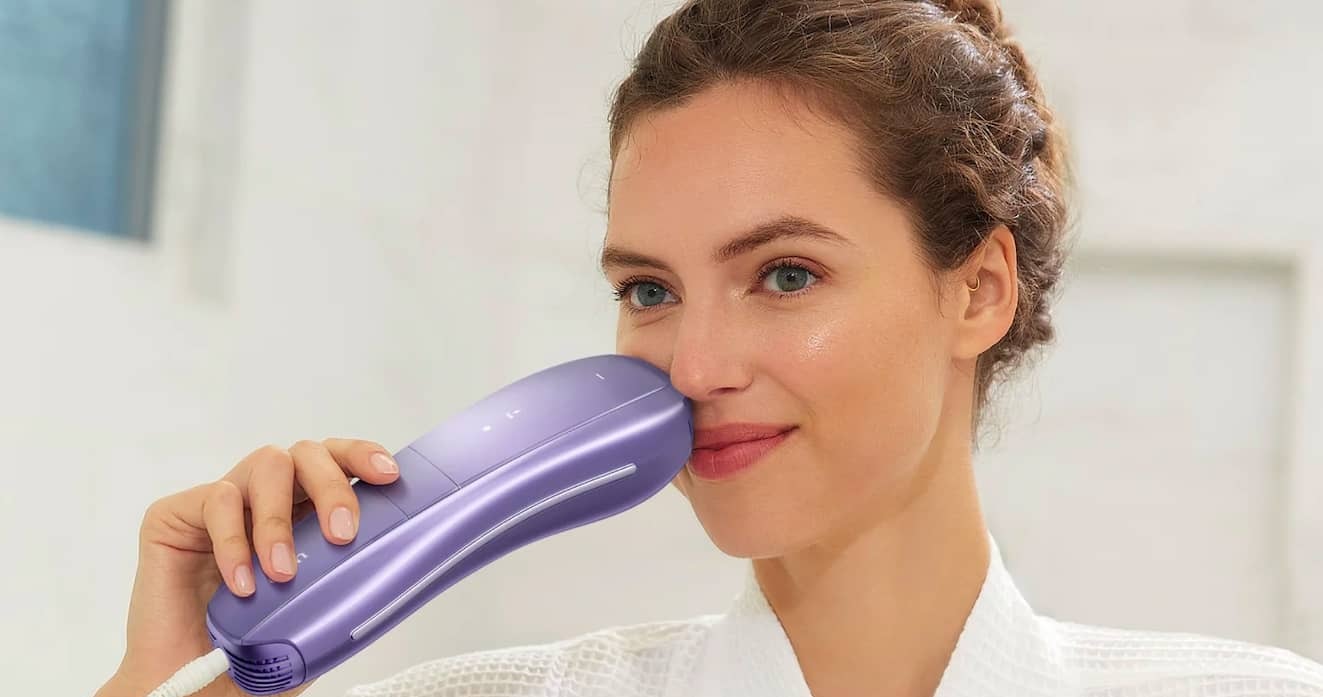
Ulike Air 10 FDA-Cleared

During shaving, be sure to use a razor that is most suitable for your skin type. Don’t push too hard on your skin. Gently allow the razor to glide over and do the work. Also, observe the pattern and direction in which the hair in that area grows. This will help you maintain shaving consistency and reduce the chances of getting a razor cut or bump that results from an irregular shaving pattern.

However, if you cringe at the sight of sharp objects such as razors or electric trimmers, as an alternative, you can opt for the Ulike laser hair removal device, which eliminates the chances of getting a cut or burn and gives you a quick and nearly painless shaving experience in under few minutes. The glide mode is totally automatic and thumb-free, and you will notice a massive desirable result in just 2 weeks. In addition, you enjoy free shipping and a $100 discount when you buy 2 of these products. The Ulike device sells for $399, which may appear pricey, but it’s worth it considering its benefits. So, it’s a win-win.

III. Post-shaving (treatment) phase

After shaving, your skin may feel dry, especially if it is very sensitive. In this case, you may want to incorporate using a moisturizer suited for your skin type. If you are unsure about your type of skin, ensure you check in with your dermatologist or skincare expert to know which moisturizer would be best for you.

Finally, for you who have had to deal with different skin irritations as a result of shaving your face wrongly and are perplexed about what to do or how to reverse it, this next section is dedicated to you;

This section is designed to provide you with \1 to alleviate irritation and enhance skin recovery after shaving mishaps.

This section offers \1 for those looking to correct past shaving mistakes and restore their skin’s health.

How to soothe after-shave facial-skin irritation

If you’ve ever doubted if your skin could return to the usual flawless skin you once had before shaving, then you may want to pay more attention to this part of the article.

Understanding how to care for your skin post-shaving is essential for \1 and preventing future issues.

It’s essential to remember that \1 can go a long way in restoring your skin's natural appearance after shaving.

What if I told you that all it takes to reverse that after-shave facial skin irritation you battled long before now is only one simple phrase? That took you by surprise, right? Well, it is so simple – soothe your skin!

Soothing your skin after shaving would help moisturize and heal your irritated skin as well as rejuvenate it. There are several options to pick from, some of which include aloe Vera, apple cider vinegar, witch hazel extract, and water-based tea tee oil mixture. You can take it a step further by consulting a doctor who may prescribe an over-the-counter drug to speed up the healing process.

You’ve come this far with reading up to this point and you deserve some tip. As a bonus point, we reserved some of the best tips for you:

These tips are designed to \1 with knowledge that can lead to better skin care post-shaving.

These tips may help \1 and promote healing, making your skin feel more comfortable after shaving.

These tips aim to enhance your \1 and ensure your skin remains healthy and irritation-free.

By following these tips, you can \1 and minimize the risk of irritation for healthier skin.
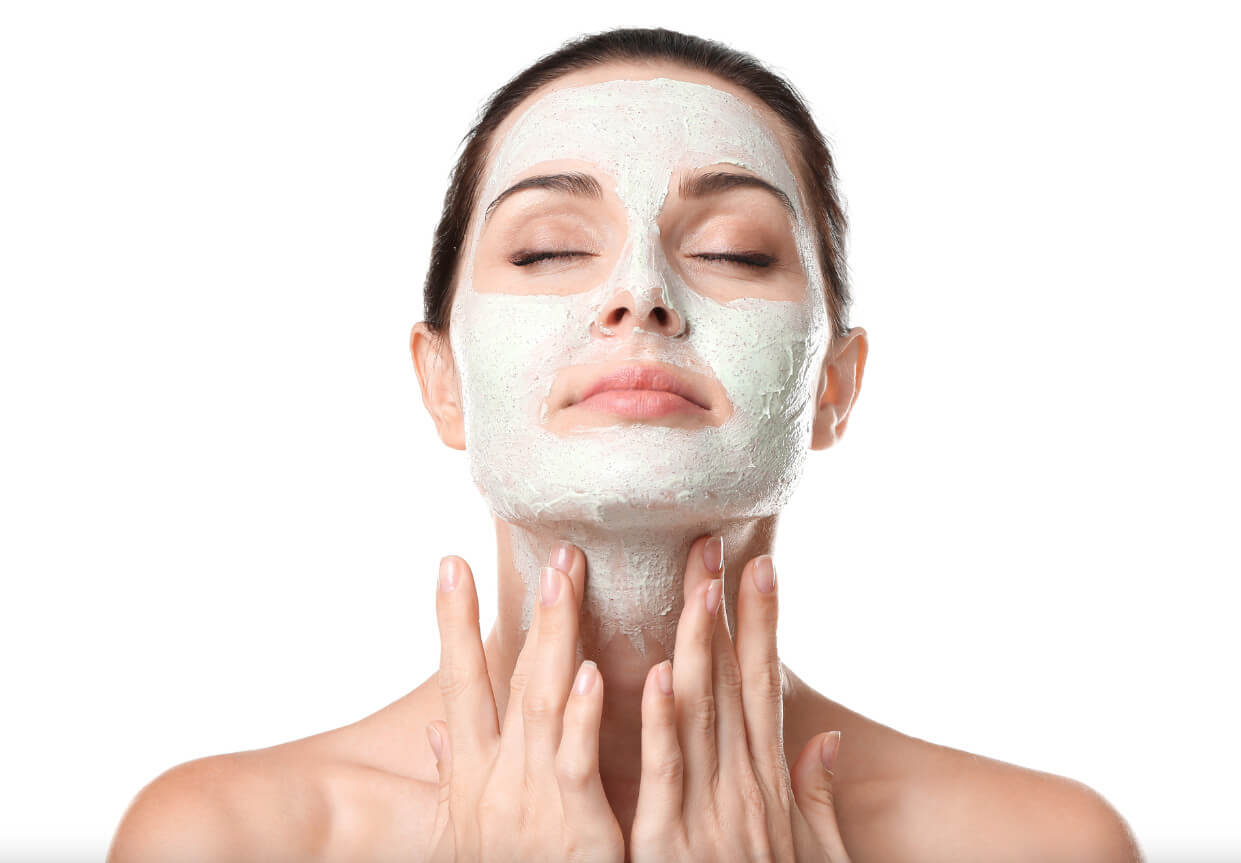
exfoliate face

#Bonus: best tips on how to maintain a healthy face-shaving lifestyle

Maintaining a \1 involves consistent care and attention to your skin’s needs before, during, and after shaving.

Incorporating these practices into your routine can lead to a \1, helping to prevent discomfort.


Soothing irritated skin after shaving is crucial to maintain skin health.

Implementing effective aftercare can significantly improve your \1, ensuring a smoother recovery after shaving.

  • Wash your face with lukewarm water
  • Using lukewarm water helps to open the pores and prepare your skin for better absorption of products.

    Using lukewarm water not only helps to open the pores but also ensures that any residual shaving products are effectively rinsed away, improving your overall post-shave care.

  • Make it a habit to exfoliate
  • Regular exfoliation can help remove dead skin cells, which may reduce irritation and prevent ingrown hairs.

    Regular exfoliation can help remove dead skin cells, which may reduce irritation and prevent ingrown hairs, ensuring a smoother shave in the future.

  • Keep your face moisturized always
  • Keeping your skin moisturized can help prevent dryness and irritation, leading to a healthier complexion.

    Using a suitable moisturizer can further enhance your skin's hydration levels, helping to maintain its softness and elasticity.

    Keeping your skin moisturized can help prevent dryness and irritation, leading to a healthier complexion, especially in areas prone to shaving irritation.

  • Gently massage areas of the face that you shave often
  • By focusing on gentle techniques, you can avoid further aggravating your skin after shaving.

    Gently massaging areas of the face that you shave often can promote blood circulation and enhance the absorption of soothing products, aiding in skin recovery.

    Massaging the shaved areas gently can increase circulation and promote healing of the skin.

    Gentle massage can also help to release tension in the facial muscles, contributing to overall skin comfort.

  • Use only natural and hydrating products
  • These products often contain natural ingredients that nourish the skin, further enhancing its hydration and health.

    Natural and hydrating products are less likely to contain irritants, making them safer for sensitive skin.

  • Avoid picking, pulling, touching, or scratching your facial hair.
  • By refraining from picking or scratching, you can significantly reduce the risk of inflammation and discomfort.

    This practice can prevent skin damage and promote healthier hair growth.

    Avoiding physical contact with your facial hair can help minimize irritation and prevent breakouts.

On the whole, shaving is a hygienic practice that should be incorporated into our skincare routine if you want to maintain flawless skin. However, if proper care is not taken, shaving can damage your skin and irritate it. Bearing this in mind, you want to be sure that you are doing everything humanly and cosmetically possible to avoid irritating the skin around your face when you shave. Incorporating the above-listed shaving practices into your skincare routine, most especially using the Ulike device is the best way to get you out of that rabbit hole that is leading to skin irritation. Remember, having beautiful skin is not a miracle but requires commitment. Take the lessons, play your part, and stay flawless.

ULIKEBEAUTY
Welcome to Ulike! We hope our expertise can bring value to you.
Previous
How to Get Smooth Skin: 10 Ways You Won’t Regret Trying
Next
The 7-Day Challenge for a Glowing and Radiant Skin at Home
Share:
Should I Wash My Face in the Morning? 

Should I Wash My Face in the Morning? 

There has been a lot of discussion lately on whether one should wash their face in the morni...
Nov 26, 2025
Is Rose Water Good for Your Face?

Is Rose Water Good for Your Face?

Roses are one of the most cherished plants worldwide for their beautiful color and sweet sce...
Nov 26, 2025
PCOS Facial Hair: Symptoms, Causes And How to Stop It

PCOS Facial Hair: Symptoms, Causes And How to Stop It

Polycystic Ovary Syndrome (PCOS) is a disorder that affects millions of women globally. One ...
Nov 26, 2025

Need guidance?

Get a free one-on-one consultation

TALK TO AN EXPERT

Explore Beauty

Ulike Air 10

2 weeks to silky smooth skin.

96% Hair Density Reduction in 2 Weeks
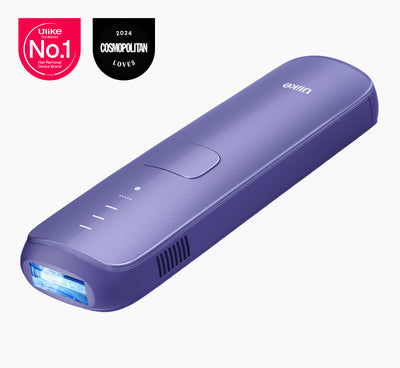
Ulike Air 3

3 weeks to silky smooth skin.

93% Hair Density Reduction in 4 Weeks
Back to top