



Skin Lightening Treatments: Types, Price, and Side Effects
Skincare

Skin Lightening Treatments: Types, Price, and Side Effects

Hyperpigmentation, discoloration, or dark spots are common skin color disorders of cosmetic concern. Getting rid of them can be challenging, but several options can help improve their appearance. Hyperpigmentation and dark spots can affect individuals of all skin types, making effective treatment options essential for those seeking a more uniform complexion. In this article, you will find information related to the various approaches available to obtain a brighter, more even skin tone, along with the disadvantages and precautions to be aware of. This article aims to provide a comprehensive overview of the available skin lightening techniques, including their potential risks and benefits to ensure informed decisions. What is Skin Lightening? Skin lightening, also referred to as skin whitening or bleaching, is the process of using lightening agents or procedures to achieve a lighter and more even skin tone by reducing the appearance of hyperpigmented spots. Most commonly, skin lightening is related to the ability to interfere with the production of melanin, the pigment giving color to our skin. Skin Pigmentation Mechanism Our skin color is the result of the amount of melanin produced and distributed to our skin cells. This process follows 5 main steps [1]: The process of skin pigmentation is complex and involves multiple factors, primarily focusing on melanin production, which is influenced by various internal and external stimuli. 1. Exposure to trigger: Sun exposure is the strongest factor triggering pigment production. Among the triggers for increased pigment production, sun exposure is a significant contributor, emphasizing the importance of sun protection in skin care routines. 2. Inflammatory upregulation: Trigger induces an inflammatory response involving the generation of free radicals and signaling molecules that stimulate melanocytes (melanin-producing cells). The inflammatory response not only triggers pigmentation but can also lead to skin sensitivity, making it crucial to manage exposure to known irritants. 3. Melanin synthesis: Stimulated melanocytes produce melanin in a process involving several enzymes, among which tyrosinase plays a key role. Understanding the role of tyrosinase in melanin synthesis is vital, as it is a common target for many skin lightening treatments. 4. Packing and transfer: Once synthesized, melanin is packed in granules and transferred from the melanocyte to the neighboring skin cells. The process of melanin transfer is essential for maintaining normal skin tone, and any disruption can lead to uneven pigmentation. 5. Transport to skin’s surface: Melanin begins its transport upward during the normal skin cells turnover process, and pigment accumulates on the skin’s surface. During skin cell turnover, the accumulation of melanin can lead to visible dark spots, highlighting the importance of exfoliation in maintaining an even skin tone. Hyperpigmentation occurs when certain areas of your skin start overproducing melanin, becoming darker. Different treatments can work on different levels of the pigmentation process as we will see. Types of Hyperpigmentation and Causes Among the most common hyperpigmentation disorders we can find: Post-inflammatory Hyperpigmentation (PIH): can result from inflammatory dermatoses (acne), skin traumas (burn injuries), or medical interventions (peeling or laser) [2]. Melasma: symmetrical brown hyperpigmented patches, localized in the forehead, cheeks, chin, and/or upper lip. It is common in women with darker skin tones frequently exposed to sunlight [3]. Causes include hormonal imbalances (pregnancy or birth control pills), genetics, and exposure to UV light [2]. Age or solar spots: these small flat lesions are triggered by sun exposure and characterized by the increased number of epidermal melanocytes overproducing melanin [2]. Other types of hyperpigmentation are caused by factors such as underlying medical conditions, medicines, and even occupational. These factors can include hormonal changes, certain medications, and environmental influences, all contributing to the skin's pigmentation variations. Skin Lightening Treatment Before undergoing any skin-lightening treatment, it’s important you consult a dermatologist to determine what’s causing the hyperpigmentation and the best strategy to follow, to avoid investing in skincare products that won’t work, or esthetic treatments that could be ineffective or unsafe. The most common pigmentation issues can be addressed mainly by topical treatment (prescribed and/or cosmetics), and chemical peels and lasers in some specific cases. Let’s get into some strategies followed in hyperpigmentation: 1. Sun Protection UV light is the main trigger of melanin production, and hyperpigmented skin is extremely sensitive to it. Therefore, applying sunscreen daily is key to achieving satisfactory results from any skin-lightening therapy and preventing pigmented spots from getting darker. By incorporating high-SPF sunscreen into your daily routine, you can significantly reduce the risk of further pigmentation and support overall skin health. What do you need? Sunscreens with broad spectrum (covering UVA and UVB). For this, SPF 50 or higher and PA++++ are recommended. You may also benefit from the use of tinted sunscreens to cover dark spots. Using sunscreen effectively helps prevent further skin darkening and protects against harmful UV rays that can exacerbate pigmentation issues. 2. Topical Medication Hydroquinone, azelaic acid, and tretinoin are first-line therapy options to treat hyperpigmentation, always under medical prescription and supervision. Topical medications should always be used with caution and under the guidance of a healthcare professional to ensure safety and effectiveness. Hydroquinone It’s the gold standard in the treatment of hyperpigmentation, especially in the case of melasma. It may block the enzyme tyrosinase and degrade melanocytes, reducing the production of melanin [3]. Your dermatologist will advise you to use it following specific on-and-off periods to avoid tolerance to the treatment. Side effects: contact dermatitis or irritation, post-inflammatory pigmentation (mostly in darker skin), and in rare cases, the risk of ochronosis appearing as a dark and reticulated pigmentation of the face [2][3]. Awareness of side effects is crucial when using topical treatments, as some individuals may experience adverse reactions that could affect their skin's appearance. Important: hydroquinone creams should be acquired from reputable and certified brands and retailers to ensure their safety (its use is restricted, so you should buy it from a pharmacy, for instance). Hydroquinone makes skin photosensitive, so be aware of wearing broad-spectrum sunscreen daily and avoid sun exposure. Azelaic Acid It’s used under prescription at 15-20%, showing a relatively comparable efficacy to hydroquinone, but with fewer side effects. It only induces slight irritation and can be used for a long time [3]. Azelaic acid is often a preferred choice for individuals with sensitive skin or those who have experienced issues with other treatments. It’s effective on hyperactive melanocytes by inhibiting important cellular metabolic activities that reduce their growth [3]. This mechanism makes azelaic acid a unique option, particularly beneficial for those with certain skin types prone to pigmentation issues. Tretinoin This vitamin A derivative can induce the dispersion of melanin granules inside the skin cells and accelerate cell turnover, which facilitates the removal of hyperpigmented cells from the skin’s surface [3]. Side effects: it may induce irritation, peeling, and post-inflammatory hyperpigmentation. It’s normally combined with hydroquinone in formulations to exert a synergistic effect and achieve successful results. Follow the directions of your dermatologist on this concern. 3. Skincare Products To achieve the best results, topical medication is often combined with skin care products aimed to brighten dark spots. The right combination of active ingredients can be a game-changer. Combining topical medication with skincare products can enhance \1 and lead to \1 in reducing dark spots. Skin-brightening agents in cosmetics These agents work to \1 and \1 of discoloration, making them popular choices in cosmetic formulations. A good strategy is combining multiple actives able to tackle different steps of the pigmentation process [1]. Some active ingredients used in cosmetics include: This approach helps target \1 of pigmentation, leading to \1 outcomes. Inhibitors of melanin synthesis: brightening products often contain azelaic acid (cosmetic use: equal to or below 10%), arbutin, kojic acid, tranexamic acid, vitamin C , or licorice due to their ability to inhibit the enzyme tyrosinase. These inhibitors play a crucial role in \1, which is essential for achieving a lighter skin tone. Antioxidants: vitamin C , vitamin E , and licorice may neutralize free radicals involved in the primary inflammation cascade that may trigger melanin production. Vitamin C can boost the effectiveness of sunscreens, prolonging UV protection. By neutralizing free radicals, these antioxidants are vital for \1 and can also help in \1 caused by UV exposure. Melanin transfer inhibitors: niacinamide may block the transfer of melanin granules to the skin cells [4]. Melanin transfer inhibitors are important in skincare as they may help reduce pigmentation, providing a more even skin tone. Exfoliants: they work by stimulating the shedding of old hyperpigmented cells from the skin’s surface. Retinol*, a cosmetic vitamin A derivative, works by regulating skin renewal pathways, helping new cells to form, whereas AHA (alpha hydroxy acids, specifically glycolic acid [5]) and BHA (beta hydroxy acids, like salicylic acid) work by disrupting the bonds between skin cells, resulting in their detachment. *If your skin is sensitive or you are pregnant, retinol can be replaced by its natural alternative bakuchiol . Some products worth mentioning include: Paula’s Choice 10% Azelaic Acid Booster – also contains licorice and BHA to boost the brightening effect. Topicals Faded Serum for Dark Spots & Discoloration – includes a combination of tranexamic acid, niacinamide, and azelaic acid for better results. SkinCeuticals C E Ferulic – contains a powerful combination of antioxidants. 4. Professional-grade Chemical Peels They consist of highly concentrated exfoliant solutions of AHA (such as glycolic acid 20-70%), BHA (salicylic acid 20–30%), or other substances, used alone or in combination [6]. This clinical practice requires several in-office sessions and should be performed by a qualified and experienced physician to avoid severe consequences. The recovery period can last up to 2 weeks. Professional-grade chemical peels can significantly enhance skin appearance, but it is crucial to follow the physician's post-procedure care instructions for optimal recovery. Side effects: depending on the type of peel (superficial, medium, or deep), the adverse effects can be milder or more severe, comprising burning, irritation, redness, scarring and pigmentary changes (PIH), infections, allergic reactions, improper healing, hypersensitivity, and disease exacerbation [7]. 5. Laser Therapy Lasers have been used to treat some cases of hyperpigmentation. Satisfactory results depend on a variety of factors, including the type of pigmented lesion, the skin tone, and the type of laser used [3]. Choosing the right laser treatment is essential, as it can greatly influence the effectiveness and safety of the procedure. According to the European Society of Laser Dermatology, lasers can be good options to treat solar spots and freckles for instance, but they may be ineffective in some PIH disorders and melasma, with the risk of worsening these conditions [8]. This clinical practice may also require several in-office sessions and should be performed by an experienced and qualified physician. The recovery period can last up to 3 weeks. Side effects: the most frequent is post-inflammatory hyperpigmentation (mainly in darker skin). Mild to moderate pain during the session, transient purpura, and superficial crusting may happen. Erosions, blisters, scars, and depigmentation are rare [8]. Prices The price of skin-lightening treatments may vary depending on several factors. The cost can be influenced by factors such as the treatment type, provider expertise, and geographic location. It’s important to consult with a professional for accurate pricing. Topical medication Skincare products Chemical peels (per session) [9] Lasers (per session) [10] $15-$50 (or higher) $5-$50 (for affordable products) Superficial: $100 to $300 Medium: $1,000 to $3,000 Deep: $2,500 to $6,000 $500 to $3,500 (depending on the surface to treat and the laser used) What to Avoid? Injectable Skin Lightening: They’ve been categorized as unsafe and ineffective by the FDA, with the potential to contain unknown harmful ingredients or contaminants [11]. These treatments can pose significant health risks, highlighting the importance of \1 before considering such options. DIY skin lightening: They may be ineffective and cause post-inflammatory hyperpigmentation. For instance, avoid applying lemon or orange to your skin (they contain phototoxic substances that may darken your skin). These methods often lack scientific backing, and \1 due to possible adverse effects on the skin. The Takeaway From topical treatments to chemical peels and lasers, the best skin-lightening choice should be assessed by a dermatologist, based on the type of hyperpigmentation, budget, and cost-benefit analysis. In either case, wearing sunscreen will always be key to preventing and improving hyperpigmentation. References [1] DeHaven, C. (2019, March). Cosmetics & Toiletries – March 2019 – page 53. Cosmetics & Toiletries. https://cosmeticsandtoiletries.texterity.com [2] Nieuweboer-Krobotova, L. (2013). Hyperpigmentation: types, diagnostics, and targeted treatment options. Journal of the European Academy of Dermatology and Venereology, 27, 2–4. https://doi.org/10.1111/jdv.12048 [3] Pérez-Bernal, A. M., Muñoz-Pérez, M. Á., & Camacho, F. (2000). Management of Facial Hyperpigmentation. American Journal of Clinical Dermatology, 1(5), 261–268. https://doi.org/10.2165/00128071-200001050-00001 [4] Wang, Y., Zhao, J., Jiang, L., & Mu, Y. (2021). The Application of Skin Care Product in Melasma Treatment. Clinical, Cosmetic and Investigational Dermatology, Volume 14, 1165–1171. https://doi.org/10.2147/ccid.s323748 [5] González-Molina, V. (2022, May 1). Topical Treatments for Melasma and Their Mechanism of Action. PubMed Central (PMC). https://www.ncbi.nlm.nih.gov/pmc/articles/PMC9122278/ [6] Desai, S. R. (2014, August 1). Hyperpigmentation Therapy: A Review. PubMed Central (PMC). https://www.ncbi.nlm.nih.gov/pmc/articles/PMC4142815/ [7] Rendon, M. I. (2010, July 1). Evidence and Considerations in the Application of Chemical Peels in Skin Disorders and Aesthetic Resurfacing. PubMed Central (PMC). https://www.ncbi.nlm.nih.gov/pmc/articles/PMC2921757/ [8] Passeron, T., Genedy, R., Salah, L., Fusade, T., Kositratna, G., Laubach, H., Marini, L., & Badawi, A. (2019). Laser treatment of hyperpigmented lesions: position statement of the European Society of Laser in Dermatology. Journal of the European Academy of Dermatology and Venereology, 33(6), 987–1005. https://doi.org/10.1111/jdv.15497 [9] Bayless, K. (2022, October 10). Chemical Peel Costs, Types and Benefits for Your Skin. CareCredit. https://www.carecredit.com/well-u/health-wellness/ Understanding chemical peels is essential for evaluating their potential benefits and costs in skin treatments. [10] Pow, A. (2021). Laser Skin Whitening Treatment Cost – In 2023 – The Pricer. The Pricer. https://www.thepricer.org/laser-skin-whitening-treatment-cost/ Laser skin whitening treatments are gaining popularity, but it's important to consider the associated costs and procedures involved. [11] Office of the Commissioner & Office of the Commissioner. (2018). Injectable Skin Lightening and Skin Bleaching Products May Be Unsafe. U.S. Food And Drug Administration. https://www.fda.gov/consumers/consumer-updates/ Injectable skin lightening products may pose safety risks, highlighting the need for caution when considering such treatments. Ulike Welcome to Ulike! We hope our expertise can bring value to you.
Nov 26, 2025
Share:

Up to 40% Off
& Free Gifts

Learn More
Table of Contents

Hyperpigmentation, discoloration, or dark spots are common skin color disorders of cosmetic concern. Getting rid of them can be challenging, but several options can help improve their appearance.

Hyperpigmentation and dark spots can affect individuals of all skin types, making effective treatment options essential for those seeking a more uniform complexion.

In this article, you will find information related to the various approaches available to obtain a brighter, more even skin tone, along with the disadvantages and precautions to be aware of.

This article aims to provide a comprehensive overview of the available skin lightening techniques, including their potential risks and benefits to ensure informed decisions.

What is Skin Lightening?

Skin lightening, also referred to as skin whitening or bleaching, is the process of using lightening agents or procedures to achieve a lighter and more even skin tone by reducing the appearance of hyperpigmented spots. Most commonly, skin lightening is related to the ability to interfere with the production of melanin, the pigment giving color to our skin.

Skin Pigmentation Mechanism

Our skin color is the result of the amount of melanin produced and distributed to our skin cells. This process follows 5 main steps [1]:

The process of skin pigmentation is complex and involves multiple factors, primarily focusing on melanin production, which is influenced by various internal and external stimuli.

1. Exposure to trigger: Sun exposure is the strongest factor triggering pigment production.

Among the triggers for increased pigment production, sun exposure is a significant contributor, emphasizing the importance of sun protection in skin care routines.

2. Inflammatory upregulation: Trigger induces an inflammatory response involving the generation of free radicals and signaling molecules that stimulate melanocytes (melanin-producing cells).

The inflammatory response not only triggers pigmentation but can also lead to skin sensitivity, making it crucial to manage exposure to known irritants.

3. Melanin synthesis: Stimulated melanocytes produce melanin in a process involving several enzymes, among which tyrosinase plays a key role.

Understanding the role of tyrosinase in melanin synthesis is vital, as it is a common target for many skin lightening treatments.

4. Packing and transfer: Once synthesized, melanin is packed in granules and transferred from the melanocyte to the neighboring skin cells.

The process of melanin transfer is essential for maintaining normal skin tone, and any disruption can lead to uneven pigmentation.

5. Transport to skin’s surface: Melanin begins its transport upward during the normal skin cells turnover process, and pigment accumulates on the skin’s surface.

During skin cell turnover, the accumulation of melanin can lead to visible dark spots, highlighting the importance of exfoliation in maintaining an even skin tone.

Hyperpigmentation occurs when certain areas of your skin start overproducing melanin, becoming darker. Different treatments can work on different levels of the pigmentation process as we will see.

Types of Hyperpigmentation and Causes

Types of Hyperpigmentation and Causes

Among the most common hyperpigmentation disorders we can find:

  • Post-inflammatory Hyperpigmentation (PIH): can result from inflammatory dermatoses (acne), skin traumas (burn injuries), or medical interventions (peeling or laser) [2].
  • Melasma: symmetrical brown hyperpigmented patches, localized in the forehead, cheeks, chin, and/or upper lip. It is common in women with darker skin tones frequently exposed to sunlight [3]. Causes include hormonal imbalances (pregnancy or birth control pills), genetics, and exposure to UV light [2].
  • Age or solar spots: these small flat lesions are triggered by sun exposure and characterized by the increased number of epidermal melanocytes overproducing melanin [2].

Other types of hyperpigmentation are caused by factors such as underlying medical conditions, medicines, and even occupational.

These factors can include hormonal changes, certain medications, and environmental influences, all contributing to the skin's pigmentation variations.

Skin Lightening Treatment

Before undergoing any skin-lightening treatment, it’s important you consult a dermatologist to determine what’s causing the hyperpigmentation and the best strategy to follow, to avoid investing in skincare products that won’t work, or esthetic treatments that could be ineffective or unsafe.

The most common pigmentation issues can be addressed mainly by topical treatment (prescribed and/or cosmetics), and chemical peels and lasers in some specific cases.

Let’s get into some strategies followed in hyperpigmentation:

1. Sun Protection

Sun Protection

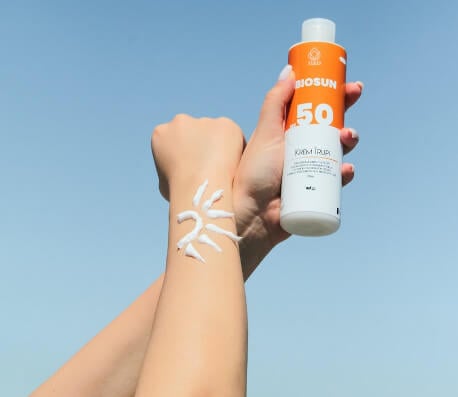
UV light is the main trigger of melanin production, and hyperpigmented skin is extremely sensitive to it. Therefore, applying sunscreen daily is key to achieving satisfactory results from any skin-lightening therapy and preventing pigmented spots from getting darker.

By incorporating high-SPF sunscreen into your daily routine, you can significantly reduce the risk of further pigmentation and support overall skin health.

What do you need? Sunscreens with broad spectrum (covering UVA and UVB). For this, SPF 50 or higher and PA++++ are recommended. You may also benefit from the use of tinted sunscreens to cover dark spots.

Using sunscreen effectively helps prevent further skin darkening and protects against harmful UV rays that can exacerbate pigmentation issues.

2. Topical Medication

Hydroquinone, azelaic acid, and tretinoin are first-line therapy options to treat hyperpigmentation, always under medical prescription and supervision.

Topical medications should always be used with caution and under the guidance of a healthcare professional to ensure safety and effectiveness.

  • Hydroquinone
Topical Medication

It’s the gold standard in the treatment of hyperpigmentation, especially in the case of melasma. It may block the enzyme tyrosinase and degrade melanocytes, reducing the production of melanin [3]. Your dermatologist will advise you to use it following specific on-and-off periods to avoid tolerance to the treatment.

Side effects: contact dermatitis or irritation, post-inflammatory pigmentation (mostly in darker skin), and in rare cases, the risk of ochronosis appearing as a dark and reticulated pigmentation of the face [2][3].

Awareness of side effects is crucial when using topical treatments, as some individuals may experience adverse reactions that could affect their skin's appearance.

Important: hydroquinone creams should be acquired from reputable and certified brands and retailers to ensure their safety (its use is restricted, so you should buy it from a pharmacy, for instance). Hydroquinone makes skin photosensitive, so be aware of wearing broad-spectrum sunscreen daily and avoid sun exposure.

  • Azelaic Acid

It’s used under prescription at 15-20%, showing a relatively comparable efficacy to hydroquinone, but with fewer side effects. It only induces slight irritation and can be used for a long time [3].

Azelaic acid is often a preferred choice for individuals with sensitive skin or those who have experienced issues with other treatments.

It’s effective on hyperactive melanocytes by inhibiting important cellular metabolic activities that reduce their growth [3].

This mechanism makes azelaic acid a unique option, particularly beneficial for those with certain skin types prone to pigmentation issues.

  • Tretinoin

This vitamin A derivative can induce the dispersion of melanin granules inside the skin cells and accelerate cell turnover, which facilitates the removal of hyperpigmented cells from the skin’s surface [3].

Side effects: it may induce irritation, peeling, and post-inflammatory hyperpigmentation.

It’s normally combined with hydroquinone in formulations to exert a synergistic effect and achieve successful results. Follow the directions of your dermatologist on this concern.

3. Skincare Products

Skincare Products

To achieve the best results, topical medication is often combined with skin care products aimed to brighten dark spots. The right combination of active ingredients can be a game-changer.

Combining topical medication with skincare products can enhance \1 and lead to \1 in reducing dark spots.

Skin-brightening agents in cosmetics

These agents work to \1 and \1 of discoloration, making them popular choices in cosmetic formulations.

A good strategy is combining multiple actives able to tackle different steps of the pigmentation process [1]. Some active ingredients used in cosmetics include:

This approach helps target \1 of pigmentation, leading to \1 outcomes.

  • Inhibitors of melanin synthesis: brightening products often contain azelaic acid (cosmetic use: equal to or below 10%), arbutin, kojic acid, tranexamic acid, vitamin C , or licorice due to their ability to inhibit the enzyme tyrosinase.
  • These inhibitors play a crucial role in \1, which is essential for achieving a lighter skin tone.

  • Antioxidants: vitamin C , vitamin E , and licorice may neutralize free radicals involved in the primary inflammation cascade that may trigger melanin production. Vitamin C can boost the effectiveness of sunscreens, prolonging UV protection.
  • By neutralizing free radicals, these antioxidants are vital for \1 and can also help in \1 caused by UV exposure.

  • Melanin transfer inhibitors: niacinamide may block the transfer of melanin granules to the skin cells [4].
  • Melanin transfer inhibitors are important in skincare as they may help reduce pigmentation, providing a more even skin tone.

  • Exfoliants: they work by stimulating the shedding of old hyperpigmented cells from the skin’s surface. Retinol*, a cosmetic vitamin A derivative, works by regulating skin renewal pathways, helping new cells to form, whereas AHA (alpha hydroxy acids, specifically glycolic acid [5]) and BHA (beta hydroxy acids, like salicylic acid) work by disrupting the bonds between skin cells, resulting in their detachment. *If your skin is sensitive or you are pregnant, retinol can be replaced by its natural alternative bakuchiol .

Some products worth mentioning include:

Paula’s Choice 10% Azelaic Acid Booster – also contains licorice and BHA to boost the brightening effect.

Topicals Faded Serum for Dark Spots & Discoloration – includes a combination of tranexamic acid, niacinamide, and azelaic acid for better results.

SkinCeuticals C E Ferulic – contains a powerful combination of antioxidants.

4. Professional-grade Chemical Peels

Professional-grade Chemical Peels

They consist of highly concentrated exfoliant solutions of AHA (such as glycolic acid 20-70%), BHA (salicylic acid 20–30%), or other substances, used alone or in combination [6].

This clinical practice requires several in-office sessions and should be performed by a qualified and experienced physician to avoid severe consequences. The recovery period can last up to 2 weeks.

Professional-grade chemical peels can significantly enhance skin appearance, but it is crucial to follow the physician's post-procedure care instructions for optimal recovery.

Side effects: depending on the type of peel (superficial, medium, or deep), the adverse effects can be milder or more severe, comprising burning, irritation, redness, scarring and pigmentary changes (PIH), infections, allergic reactions, improper healing, hypersensitivity, and disease exacerbation [7].

5. Laser Therapy

Lasers have been used to treat some cases of hyperpigmentation. Satisfactory results depend on a variety of factors, including the type of pigmented lesion, the skin tone, and the type of laser used [3].

Choosing the right laser treatment is essential, as it can greatly influence the effectiveness and safety of the procedure.

Laser Therapy

According to the European Society of Laser Dermatology, lasers can be good options to treat solar spots and freckles for instance, but they may be ineffective in some PIH disorders and melasma, with the risk of worsening these conditions [8].

This clinical practice may also require several in-office sessions and should be performed by an experienced and qualified physician. The recovery period can last up to 3 weeks.

Side effects: the most frequent is post-inflammatory hyperpigmentation (mainly in darker skin). Mild to moderate pain during the session, transient purpura, and superficial crusting may happen. Erosions, blisters, scars, and depigmentation are rare [8].

Prices

The price of skin-lightening treatments may vary depending on several factors.

The cost can be influenced by factors such as the treatment type, provider expertise, and geographic location. It’s important to consult with a professional for accurate pricing.

Topical medication

Skincare products

Chemical peels

(per session) [9]

Lasers

(per session) [10]

$15-$50

(or higher)

$5-$50

(for affordable products)

Superficial: $100 to $300

Medium: $1,000 to $3,000

Deep: $2,500 to $6,000

$500 to $3,500 (depending on the surface to treat and the laser used)

What to Avoid?

Injectable Skin Lightening: They’ve been categorized as unsafe and ineffective by the FDA, with the potential to contain unknown harmful ingredients or contaminants [11].

These treatments can pose significant health risks, highlighting the importance of \1 before considering such options.

DIY skin lightening: They may be ineffective and cause post-inflammatory hyperpigmentation. For instance, avoid applying lemon or orange to your skin (they contain phototoxic substances that may darken your skin).

These methods often lack scientific backing, and \1 due to possible adverse effects on the skin.

The Takeaway

From topical treatments to chemical peels and lasers, the best skin-lightening choice should be assessed by a dermatologist, based on the type of hyperpigmentation, budget, and cost-benefit analysis. In either case, wearing sunscreen will always be key to preventing and improving hyperpigmentation.

References

[1] DeHaven, C. (2019, March). Cosmetics & Toiletries – March 2019 – page 53. Cosmetics & Toiletries. https://cosmeticsandtoiletries.texterity.com

[2] Nieuweboer-Krobotova, L. (2013). Hyperpigmentation: types, diagnostics, and targeted treatment options. Journal of the European Academy of Dermatology and Venereology, 27, 2–4. https://doi.org/10.1111/jdv.12048

[3] Pérez-Bernal, A. M., Muñoz-Pérez, M. Á., & Camacho, F. (2000). Management of Facial Hyperpigmentation. American Journal of Clinical Dermatology, 1(5), 261–268. https://doi.org/10.2165/00128071-200001050-00001

[4] Wang, Y., Zhao, J., Jiang, L., & Mu, Y. (2021). The Application of Skin Care Product in Melasma Treatment. Clinical, Cosmetic and Investigational Dermatology, Volume 14, 1165–1171. https://doi.org/10.2147/ccid.s323748

[5] González-Molina, V. (2022, May 1). Topical Treatments for Melasma and Their Mechanism of Action. PubMed Central (PMC). https://www.ncbi.nlm.nih.gov/pmc/articles/PMC9122278/

[6] Desai, S. R. (2014, August 1). Hyperpigmentation Therapy: A Review. PubMed Central (PMC). https://www.ncbi.nlm.nih.gov/pmc/articles/PMC4142815/

[7] Rendon, M. I. (2010, July 1). Evidence and Considerations in the Application of Chemical Peels in Skin Disorders and Aesthetic Resurfacing. PubMed Central (PMC). https://www.ncbi.nlm.nih.gov/pmc/articles/PMC2921757/

[8] Passeron, T., Genedy, R., Salah, L., Fusade, T., Kositratna, G., Laubach, H., Marini, L., & Badawi, A. (2019). Laser treatment of hyperpigmented lesions: position statement of the European Society of Laser in Dermatology. Journal of the European Academy of Dermatology and Venereology, 33(6), 987–1005. https://doi.org/10.1111/jdv.15497

[9] Bayless, K. (2022, October 10). Chemical Peel Costs, Types and Benefits for Your Skin. CareCredit. https://www.carecredit.com/well-u/health-wellness/

Understanding chemical peels is essential for evaluating their potential benefits and costs in skin treatments.

[10] Pow, A. (2021). Laser Skin Whitening Treatment Cost – In 2023 – The Pricer. The Pricer. https://www.thepricer.org/laser-skin-whitening-treatment-cost/

Laser skin whitening treatments are gaining popularity, but it's important to consider the associated costs and procedures involved.

[11] Office of the Commissioner & Office of the Commissioner. (2018). Injectable Skin Lightening and Skin Bleaching Products May Be Unsafe. U.S. Food And Drug Administration. https://www.fda.gov/consumers/consumer-updates/

Injectable skin lightening products may pose safety risks, highlighting the need for caution when considering such treatments.

Bimi logo 100x
Ulike
Welcome to Ulike! We hope our expertise can bring value to you.
Previous
How to Use the Ordinary Peeling Solution?
Next
Antioxidants For Skin Health: Benefits, Effects, Sources, and Uses
Share:
Should I Wash My Face in the Morning? 

Should I Wash My Face in the Morning? 

There has been a lot of discussion lately on whether one should wash their face in the morni...
Nov 26, 2025
Is Rose Water Good for Your Face?

Is Rose Water Good for Your Face?

Roses are one of the most cherished plants worldwide for their beautiful color and sweet sce...
Nov 26, 2025
PCOS Facial Hair: Symptoms, Causes And How to Stop It

PCOS Facial Hair: Symptoms, Causes And How to Stop It

Polycystic Ovary Syndrome (PCOS) is a disorder that affects millions of women globally. One ...
Nov 26, 2025

Need guidance?

Get a free one-on-one consultation

TALK TO AN EXPERT

Explore Beauty

Ulike Air 10

2 weeks to silky smooth skin.

96% Hair Density Reduction in 2 Weeks

Ulike Air 3

3 weeks to silky smooth skin.

93% Hair Density Reduction in 4 Weeks
Back to top