












12 Best Fruits With Low Sugar and Carbs Content

The easiest strategy to guarantee a healthy diet is to include fruits with minimal sugar and carb content. A fruit-rich diet has been linked to several health advantages, including a lower risk of diabetes and the capacity to maintain a healthy weight.
While there are many fruits, some are unsafe for people with special conditions because of their sugar and carbohydrate content. Do you want to know those fruits with little or no carbs or sugar? Welcome! This article sheds light on this and provides twelve of such readily available around you.
Contents
-
Best Fruits Without Sugar and Carbs
-
How to Incorporate Low Sugar and Carb Fruits into Your Diet
Understanding the benefits of low sugar and carb fruits can help you make healthier dietary choices.
-
Conclusion
-
Frequently Asked Questions
-
References
Discovering creative ways to include these fruits can enhance your meals and snacks.
This section addresses common concerns and queries about low sugar and carb fruits.
Fruits are naturally abundant in nutrients and do not include any additives. Like other plant-based foods, they provide essential nutrients such as potassium, vitamin C, and fibre.
Fruits are not only delicious but also provide an excellent source of essential nutrients that support overall health.
Many also have sufficient quantities of protein, fat, and other necessary elements, making them essential for a healthy diet. In addition, fruits vary in carbohydrate content, so picking the correct ones in the proper proportions enables you to enjoy them without outstepping your daily carbohydrate limits.
Here are twelve fruits with very low carbohydrate and sugar content.
These twelve fruits can be great choices for those monitoring their carbohydrate and sugar intake.
1. Watermelon
When it comes to the glycemic index , this classic summer fruit rates low, with just 7.55g per 100 g of fruit. Since it is lacking in fibre, most of the carbohydrate is absorbed.
Watermelon's low glycemic index makes it a refreshing option for those watching their sugar levels.
Watermelon is also abundant in vitamin A and has a high-water content, so it will keep you full while supplying fewer calories.
The high-water content in watermelon contributes to hydration and can help with weight management.
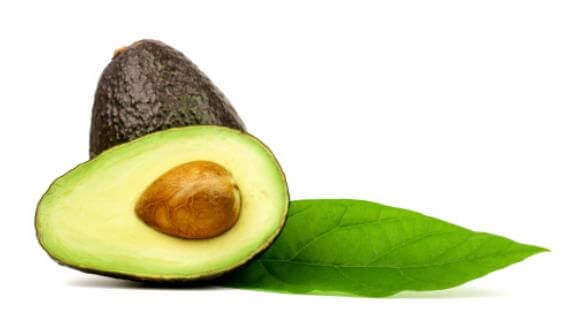
2. Avocado Pear

Nutritionists believe that avocado is the finest food for diet regimens because of its abundance of vitamins. Besides, it has low-fat content, making it an ideal fruit for someone trying to lose weight.
Avocado's unique nutritional profile makes it highly recommended for those seeking a healthy diet.
Avocados are often regarded as a complete food and may be utilized in various cuisines. Guacamole and avocado toast are delectable ways to eat this creamy, luscious fruit. Avocados are also high in fibre, vitamins A, C, E, K, and B6. In addition, avocado is high in minerals such as potassium and copper.
3. Cantaloupe

This orange melon is a favorite summer fruit with just 8.16g of carbs per 100 g. Melons are also classified as low-fructose fruits. As a result, you may pair melons like cantaloupe and honeydew with tuna salad.
To produce a delightful agua fresca, combine it with lime, mint, and water. According to one research, cantaloupe has a considerable amount of vitamin C, which has anti-inflammatory, antioxidant, and maybe anti-cancer characteristics that may aid in disease prevention.
Cantaloupe is not only refreshing but also a versatile fruit that can enhance various dishes, making it a great choice for summer meals.
4. Peach

Peaches are sweet and juicy, with surprisingly few carbs. The sweet, soft fruit is excellent, but it also pairs nicely with various meals, including desserts, ice pops, smoothies, and sauces.
Peaches are rich in vitamins and minerals, making them a tasty and healthy addition to your diet, whether enjoyed fresh or in recipes.
It is highly effective assistance in preserving eye health due to the presence of multiple phytochemicals (antioxidants) that give peaches their yellow/orange color. One to two servings of fresh peaches each week (and other fruits and vegetables rich in these nutrients) protect against glaucoma.
5. Kiwi

One of the sweetest fruits is the Kiwi. As a result, you may believe it’s off-limits on a low-carb and sugar diet. On the other hand, Kiwi is suitable for this diet since it contains just 6 grams of sugar per piece. Citrus fruit, which is high in nutrients like Vitamin E, antioxidants, and fibre, may decrease triglycerides, boost immunological function, and minimize the occurrence of colds and flu.
Additionally, Kiwis have a mild flavor and are an excellent addition to fruit salads. They’re great raw or blended into a smoothie or homemade ice cream popsicle; you can also eat the seeds and peel them.
Kiwis not only add a unique flavor but also contribute essential nutrients, making them a smart choice for health-conscious eaters.
6. Cucumbers

Cucumber is a delightful and healthy addition to any salad, providing the body with a cooling and hydrating experience. When the skin is removed, a cucumber has just 2.16 g of carbs per 100 g meal. Cucumbers with the skin have 3.63 g of carbs, making them a high-ranking low-carb vegetable whether the skin is eaten.
Notably, the skin of a cucumber contains most of its nutrients. As a result, you should eat the skin with the remainder of the cucumber. Individuals on a low-carb diet might select a cucumber with thin skin, such as a Persian cucumber .
7. Lemons

Lemons are a great low-carb fruit. These bright citrus fruits and their juices are both keto-friendly. Lemons can be used as a sugar-free fruit option in your diet.
Lemons can enhance the flavor of dishes and beverages while being low in carbs, making them a perfect addition to a healthy diet.
It is also a good choice for refreshing sugar-free drinks due to its antioxidant content. Including lemon juice in your weight loss diet provides an immune-boosting dose of vitamin C. This antioxidant fights free radical molecules linked to aging and chronic illness while promoting good digestion.
8. Grapefruit

Grapefruit is another fibre, low-carb and sugar item that is also high in vitamin C. Grapefruits are an essential element of dieticians’ and nutritionists’ diet plans because of their fat-free composition. Depending on how much sugar or sweetener you use, fresh grapefruit may be consumed in a fruit salad or on its own.
Grapefruits are high in potassium, which may help to balance your body’s fluid and sodium levels if you have high blood pressure. It may also help decrease blood pressure, which reduces the risk of heart disease and stroke.
9. Tomatoes

Tomatoes are a type of fruit that has a low sugar and carbohydrate content. They only have 3.89 g of carbs per 100 g. Tomatoes are also high in vitamin A and are considered a superfood for people with diabetes. Because of the presence of Lycopene, these fruits also contain anti-cancer qualities and are beneficial to heart health.
Tomatoes are diverse in how they may be eaten and included in a meal. For example, they may be eaten raw, roasted, or tossed into a salad. However, they are tasty and may help lower a person’s risk of stroke.
10. Strawberries

Strawberries are an excellent low-carb and sugar-free fruit choice for your dietary requirements. It’s also high in antioxidants, vitamin C, and fibre, with minimal carbs. Strawberries’ nutritional content and import are widely recognized. For example, 100 grams contains 5 grams of sugar, 2 grams of protein, and about 5.5 grams of fibre.
Eating strawberries regularly can reduce the risk of a variety of chronic illnesses. It may also improve heart health, lower blood sugar levels, and prevent cancer.
11. Guavas

Guava is a high-fiber fruit that has been shown to aid the management of diabetes. In addition, it aids in constipation relief and has a high concentration of antioxidants.
Guava's high fiber content can also support digestive health and may help in weight management.
It is also a low-sugar fruit with a low carbohydrate content. It’s worth noting that guava fruits contain more vitamin C than oranges. It also reduces the chance of acquiring Type 2 diabetes. These advantages make it an excellent option for a low-sugar diet plan.
12. Plum

The rich purple fruit plum has few calories and carbs. Dried fruit (previously prunes) is preferred to fresh fruit because it has more sugar and carbs.
Plums are not only low in calories but also provide essential nutrients, making them a great choice for those monitoring their sugar intake.
Plums include a high concentration of antioxidants, which may aid in decreasing inflammation and protect cells from free radical damage. Additionally, it has a high concentration of polyphenol antioxidants, found in one study to promote bone health and may help lessen the risk of heart disease and diabetes in others.
How to Incorporate Low Sugar and Carb Fruits into Your Diet
Regardless of the sugar level, it pays to include fruit in one’s daily meal in a well-balanced and healthy diet. The benefits of increasing a person’s daily intake of fruit have:
-
Lower risk of obesity: Fruit eaters have a lower chance of obesity and accompanying health problems.
-
Increased essential vitamins, minerals, and fiber intake: Increased fibre, mineral, and vitamin intake may assist persons with diabetes in maintaining more constant blood glucose, lowering the risk of cancer and other disorders.
Increased fiber, mineral, and vitamin intake may support individuals with diabetes by promoting stable blood glucose levels and potentially lowering the risk of serious health conditions.
-
Better overall health: Eating fruits and vegetables regularly lowers mortality. In addition, fruits and vegetables reduce the risk of heart disease and cancer.
Regularly eating fruits and vegetables is associated with a lower risk of mortality and can significantly decrease the likelihood of developing heart disease and cancer.
Additionally, this increased intake of fruits can enhance overall health by providing antioxidants and reducing inflammation.
Regularly eating fruits and vegetables is associated with a lower risk of mortality and can significantly decrease the likelihood of developing heart disease and cancer.
A person can incorporate low-sugar and carb fruit into their diet in every meal:
Incorporating low-sugar and carb fruits into your meals can enhance your overall dietary balance and promote better health throughout the day.
1. Breakfast
Substitute processed meals in your daily routine with a low-sugar breakfast. For example, a sugar-free cereal dish with peach, avocado, or berries on top may be a satisfying breakfast. A hearty breakfast may be avocado toast or poached eggs with smashed avocados and tomatoes. Delicious choices include a banana-avocado smoothie or a salad of Kiwi and berries. Drinking a lemon squeezed in water instead of fruit juice for breakfast is also a good option.
2. Lunch & Dinner

Avocado may be used in practically any recipe. For example, it may be used as a salad topper or to make a delightful avocado pea smash for lunch. Lunch may also include tomato, berry, and orange slices as a side dish.
3. Snacks
Watermelons, kiwis, and avocados are frequent low-sugar snack alternatives to over-processed snack packs. Avocado on toast is a satisfying snack. You can also make nutrient-dense avocado butter at home, which may be a go-to snack with bread or a sandwich.
Conclusion
Following a healthy diet plan is an essential element of today’s lifestyle. Consuming low-sugar snacks like fruits instead of manufactured snack options with added sugars will help you live a healthier lifestyle.
Choosing low-sugar snacks like fruits over processed options can greatly contribute to your health and well-being.
Low-carb diets do not necessarily need a high protein and fat intake. Fruits may be a good source of nutrition on a low-carb diet and remain beneficial to most individuals. Although overeating sugar might be harmful, this is not the case with whole fruits. Instead, these are “real” meals abundant in nutrients.
See a doctor or a dietitian to help you make an educated choice by understanding which fruits you may eat without exceeding your daily carbohydrate allowance.
Consulting with a healthcare professional can provide valuable insights into managing your carbohydrate intake while enjoying a variety of fruits.
Frequently Asked Questions
Q. Is watermelon high in carbs?
Watermelon is relatively low in carbohydrates compared to many other fruits, but it still contains some sugars. It's important to consider portion sizes when including it in your diet.
A. watermelon, a sweet summertime delicacy, is 92% water and has the lowest carb content of any fruit, with only 7.5 g of carbohydrates per 100 g. Watermelon also provides a small amount of dietary fibre and is rich in vitamins A & C. It is an excellent choice for weight loss in people with diabetes if they consume it in moderation.
Q. What fruits have low carbs?
Fruits such as berries, avocados, and melons are known for their low carbohydrate content, making them ideal options for those monitoring their carb intake.
A. Lemons, raspberries, blackberries, honeydew, watermelons, avocado, apple, peaches, cantaloupe, and others are suitable for low-carb diets. However, they contain some sugar, so take them in moderation. Therefore, people with diabetes should see a doctor before consuming it.
Q. What is the lowest sugar fruit?
Fruits like avocados and tomatoes are also very low in sugar and can be included in a low-sugar diet.
A. Lemons have the least sugar (2.5g) and are high in vitamin C, which enhances immunity. As it has less sugar, it suppresses hunger. Lemon is a Diabetes superfood and also suits low-carb dieters.
In addition to its low sugar content, lemons are versatile and can be used in various dishes and beverages, enhancing flavor without adding significant calories.
Q. Which fruit is sugar-free?
While no fruit is completely sugar-free, some options like avocados and olives have negligible sugar content, making them great choices for low-sugar diets.
A. Lemons, avocados, kiwis, cucumbers, and tomatoes are sugar-free fruits. These fruits are abundant in fibre, vitamins C & A, potassium, and salt and are nearly sugar-free. In addition, these fruits fight cancer, enhance digestion, lessen diabetes risk, and support heart and general health.
Q. Are grapes low in sugar?
While grapes are delicious, they do contain higher sugar levels compared to many other fruits, so moderation is key for those watching their sugar intake.
A. Grapes provide 16.1 grams of sugar per USDA. It may raise blood sugar. Hence, before ingesting it, particularly if you have diabetes, ask your doctor.
Consulting with a healthcare provider is crucial for personalized dietary advice, especially if you have specific health conditions such as diabetes.
Q. What fruit has the least sugar and carbs?
Answer: Berries, such as raspberries and blackberries, are often cited as fruits with the least sugar and carbs, making them ideal for low-sugar diets.
A. watermelon contains 7.55 g of carbohydrates per 100g, lemons have 2.6 g of sugar, and raspberries have 2.68 g. Therefore, watermelon naturally raises blood sugar. But if eaten within limits, blood sugar is less affected. Hence, moderate watermelon consumption may aid people with diabetes.
Q. Which fruit has the most sugar?
Answer: Fruits like grapes and cherries typically have the highest sugar content, which can be a consideration for those monitoring their intake.
A. The USDA says 100g of grapes has 18.1 g of sugar. Avoid grapes to lose weight or cut sugar. Due to its high insoluble fibre content, overconsumption may cause diarrhea or constipation. Therefore, endeavor to see a doctor before eating it.
References
Adrija Chakraborty, March 2022; Best Sugar Free Fruits, Juices & Dry Fruits for Diabetes Patients – https://bebodywise.com/blog/sugar-free-fruits/
Bo Song, September 2017; Lycopene and risk of cardiovascular diseases: A meta-analysis of observational studies – https://pubmed.ncbi.nlm.nih.gov/28318092/
Parul Dube, October 2022; The 10 Best Low Sugar Fruits for Low Carb Diet –
The 10 Best Low Sugar Fruits for Low Carb Diet
Tom Seymour, November 2017; Eight low-sugar fruits – https://www.medicalnewstoday.com/articles/320078


Do Runners Shave Their Legs? Why is it Necessary?

Best Ways and Tips for Guys Shaving Legs

Should I Eat Before or After Workout to Lose Weight?
Need guidance?

Get a free one-on-one consultation
Explore Beauty

Ulike Air 10
2 weeks to silky smooth skin.
96% Hair Density Reduction in 2 Weeks

Ulike Air 3
3 weeks to silky smooth skin.
93% Hair Density Reduction in 4 Weeks

Ulike X
3 weeks to silky smooth skin.
94% hair reduction in just 2 weeks*

Ulike Reglow
Clearer skin in 2 weeks: Fewer breakouts
Smoother skin in 4 weeks: Fewer lines, firmer feel
