 Ulike ReGlow Pro★ 5.0 (511)




Table of Contents
If IPL hair removal feels slow, you’re not alone. Most frustration comes from expecting a one-time fix, when IPL works more like a calendar habit. It’s designed to target hairs in a specific growth stage, so timing matters as much as the device.
Common complaints tend to sound the same: “I’m not seeing results yet,” “Why do I still have stubble,” “My hair’s still growing after several sessions,” and the big one, “Does IPL work on pubic hair?” The good news is that most of these issues come down to consistency, skin prep, using the right level, and simple aftercare that protects your progress.
It also helps to learn from brands that have been studying light-based hair removal for years. Ulike, for example, has spent more than a decade on IPL research and holds a large global patent portfolio, which reflects how much engineering goes into getting safe, repeatable results at home.
Start with the basics that actually make IPL work better

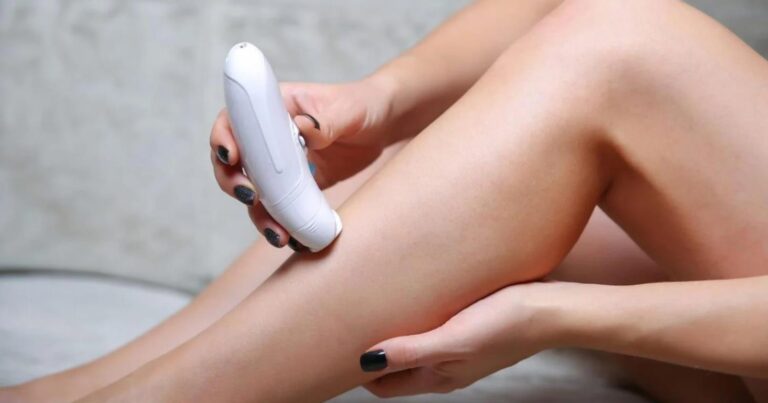
Photo by Orhun Rüzgar ÖZ
IPL only works well when light can travel through the skin and reach the hair root. Think of it like sunlight through a window. A clean window lets light through. A greasy window scatters it. Your routine decides whether your session hits the target or wastes energy.
Another core truth: IPL is selective. It tends to work best when there’s contrast, darker hair against lighter skin, because the pigment in the hair helps absorb the light. Very blond, red, gray, or very fine hair often responds poorly, even with perfect technique. That’s not you doing it wrong, it’s how light interacts with pigment.
Here’s what “maximizing IPL results” really means in daily life:
- You treat on a repeat schedule that matches hair cycles.
- You prepare the skin so nothing blocks the flash.
- You avoid hair removal methods that pull the root.
- You protect your skin from extra pigment (sun and self-tanner), because pigment pulls heat.
If you want a simple reference you can come back to, Ulike’s IPL hair removal pre‑care and post‑care guide breaks down the same idea in a checklist format.
Prep your skin the right way, shave, clean, and skip products
Shaving is not optional for IPL. You want the hair root in place, but you don’t want long hair above the skin, because that can absorb heat on the surface and cause extra sting.
A practical routine that works for most people:
- Shave 12 to 24 hours before your session (the night before is ideal). This leaves a smooth surface and gives skin time to calm down.
- Right before IPL, wash the area and pat dry. Treat on clean, dry skin.
- Skip anything that leaves a film: lotions, oils, deodorant, perfume, body butter, makeup, and even heavy sunscreen on the treatment area right before you flash. These can block light or raise burn risk.
Exfoliation helps, but timing matters. Aim for gentle exfoliation 2 to 3 times per week, then avoid harsh scrubs the day before treatment. The goal is to clear dead skin, not thin out a freshly irritated barrier.
Finally, do a patch test 24 to 48 hours before a new area or a higher level. Start low, wait, then move up only if skin stays calm.
If you’re tempted to skip shaving, it usually backfires. This guide on why shaving is required for IPL hair removal explains what happens when surface hair steals the heat.
Follow the timing rules, hair cycle schedule, sun limits, and no waxing
IPL works best on hair in the active growth phase (often called anagen). In plain terms, those hairs are still connected to the root and have more pigment for the light to “see.” Hair that’s resting won’t respond the same way, even if it looks visible.
A clear schedule to follow:
- Every 2 to 4 weeks for about 6 to 12 sessions
- Then maintenance every 1 to 2 months (some people stretch it longer once growth slows)
Your spacing may vary by body area. Underarms and bikini often respond faster than legs, but consistency still wins.
The big “don’ts” that quietly wreck results:
- Don’t wax, pluck, or epilate for 4 to 6 weeks before and during your treatment plan. IPL needs the root there. Pulling hair out is like removing the target.
- Avoid tanning, strong sun, and self-tanner for weeks before and after. Extra pigment in the skin can pull more heat from the flash, raising irritation risk and forcing you to lower settings.
Missed a session? Don’t double up the next day. Just do it as soon as you can and return to your normal spacing. Over-treating tends to cause redness that makes you skip sessions, which slows results more than a late treatment does.
Dial in your settings and technique so more light reaches the root
Good IPL technique is boring in the best way. Same angle, same pressure, steady coverage. When people say “IPL isn’t working,” it’s often because half the area was missed, or the device wasn’t in full contact.
Use the highest comfortable level, but only after a patch test
Using a level that’s too low can make progress look invisible, especially on coarse areas. Using a level that’s too high can irritate the skin and force you to pause treatments, which breaks the schedule that IPL depends on.
A safe way to think about sensation:
- Mild warmth and slight pinkness can be normal.
- Sharp pain, intense burning, swelling that worsens, or blistering is not normal. Stop and reassess your level and prep.
Many modern at-home devices include skin tone sensors that help guide safe energy choices. Even with that support, your patch test is your best “personal settings” tool.
Make each session count, contact, overlap, and don’t miss spots
Use a simple pattern so you don’t get lost mid-session:
- Hold the treatment window flat against the skin.
- Work in small rows (like mowing a lawn), with a slight overlap so there are no gaps.
- Don’t flash repeatedly in the same spot just to “make it work.” More isn’t better; it’s usually just more irritation.
- Avoid treating over tattoos, dark moles, or very dark spots, because they can absorb more light.
Stubble right after IPL is common. IPL doesn’t pull hair out like waxing. Many hairs shed over 1 to 3 weeks, so you may see “peppery” regrowth that later releases.
For sensitive zones and pubic hair: IPL can work on pubic hair when it’s dark and coarse, but treat it like a high-sensitivity area.
- Start on a lower level and patch test.
- Go slower, keep full contact, and keep skin clean.
- Avoid mucosal surfaces and any internal tissue. Stick to external bikini-line skin only.
Fix the most common reasons IPL “isn’t working” for you
If you’re thinking, “Why am I not seeing results from IPL?” or “Why is my laser hair removal not working after 6 sessions?” start here. Most at-home IPL setbacks are mechanical or schedule-related, not mysterious.
If you see no change after several sessions, check these 6 quick issues
First, confirm the basics: IPL usually responds best to dark hair and lighter skin tones. If hair is very light, results may be limited even with perfect use.
Next, run this quick checklist in your head:
- You’re treating inconsistently, or spacing sessions too far apart early on.
- You recently waxed, plucked, or epilated, so there’s no root for the light to target.
- You’ve had sun exposure or self-tanner, forcing you to use lower levels or causing irritation pauses.
- Your shaving timing is off (same-day shaving irritation, or not shaving close enough).
- You’re using skincare that leaves residue (oils, thick lotions, deodorant), which can block light.
- You stayed on the lowest power forever out of caution, even after patch tests showed your skin could handle more.
Also, clear up the stubble question: “Why do I still have stubble after laser hair removal?” and IPL, too, often comes down to shedding time. Hair doesn’t vanish on day one. It loosens, then releases.
If you’ve had fast regrowth plus other symptoms (sudden facial hair, irregular cycles) or you’re on medicines that increase light sensitivity, it’s smart to talk with a clinician.
Conclusion
More effective IPL comes from doing the simple things every time: keep a steady schedule, shave and treat on clean dry skin, avoid sun and self-tanner, and don’t remove the root with waxing or plucking. Patch test first, then raise intensity carefully so you’re not stuck on low settings for months. After each session, calm the skin and use SPF so your results don’t get interrupted.
Track your sessions and take photos in the same lighting. Progress often shows up there first. With consistent technique, at-home IPL can be a reliable routine, and it’s backed by years of industry research, global safety certifications, and large patent portfolios from established brands in optical skincare tech.