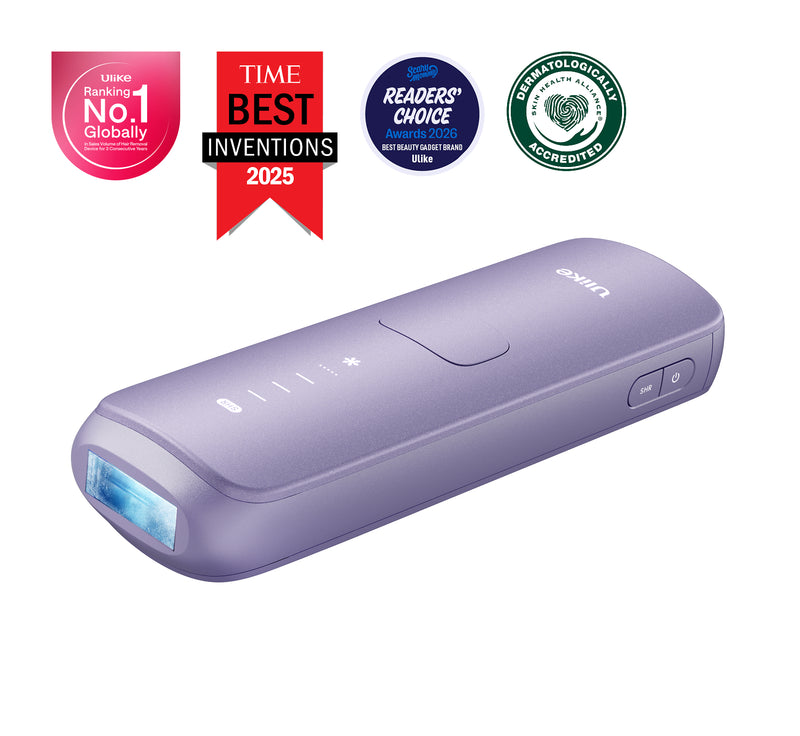
 Ulike ReGlow Pro★ 5.0 (511)



Table of Contents
If you’re using an at-home IPL hair removal device and nothing seems to change, you’re not alone. IPL isn’t instant, and it rarely looks like “hair is gone overnight.” It works best when your hair has enough pigment (color) for light to target, and when treatments are done on a steady schedule.
At home, IPL aims light at pigment in the hair root to slow regrowth. That means early results often look like slower growth, patchy areas, and softer hair, not a clean stop all at once. Think of it like turning down a faucet, not shutting it off in one twist.
This guide walks through practical troubleshooting, a realistic timeline, and clear signs it’s time to talk to a pro.
First, check the two biggest deal breakers: hair color and skin tone
IPL is picky because of how it works. The light is drawn to melanin, the pigment that gives hair and skin color. For best results, you want a strong contrast: darker hair and lighter surrounding skin. When the contrast is low, the device either can’t “find” the hair well, or it has to limit energy for safety.
Very light hair is a common reason IPL seems like it’s doing nothing. Blonde, light brown, red, gray, and white hairs often don’t have enough pigment to absorb IPL energy well. The light can pass right by the root without much effect, like trying to heat a clear glass with a dark-targeting flashlight.
Skin tone matters for a different reason: safety. Darker skin holds more melanin, so IPL can also get absorbed by the skin. Many devices reduce power or block flashes on deeper skin tones to lower the risk of burns or uneven pigment.
If you want a simple explanation of the mechanism, read Understanding how IPL hair removal works, especially the part about melanin targeting.
Quick self-check you can do in two minutes
- Hair color: Is the hair you’re treating medium brown, dark brown, or black? That’s the best match.
- Hair type: Is it coarse and noticeable, not “peach fuzz”? Finer hair often responds slower.
- Skin tone right now: Are you tanned (sun or self-tanner)? A tan can shift you into a lower-safety range.
- Device behavior: Does the device lower intensity, refuse to flash, or flash inconsistently? That can signal a skin-tone safety limit or poor contact.
Does IPL not work on some people? Yes, and it is usually about pigment and safety limits
Some people are set up for poor results, even with perfect technique. The least likely to see strong changes are people treating very light hair (gray, white, many reds, very light blondes) because there’s not enough pigment to absorb the light. Also, people with deeper skin tones may be limited by built-in safety sensors and lower settings.
If this sounds like you, don’t force it. Look at safer, proven options:
- Electrolysis for very light, gray, or white hair (it doesn’t rely on pigment).
- A dermatology visit to discuss professional laser types that are selected based on skin tone (some clinics use lasers designed for a wider range of tones).
Why hair can still grow after many sessions, even if you are doing everything right
Hair grows in cycles. At any moment, some hairs are actively growing, while others are resting under the skin. IPL mainly affects hairs that are in the right growth stage, with a strong connection to the root and enough pigment.
That’s why repeated sessions matter. You’re not “missing” the same hair every time; you’re catching different hairs as they enter the active stage. Also, some areas are slower. Underarms and bikini hair can be stubborn, and legs can look patchy before they look smooth.
One more truth that helps: IPL usually gives long-term reduction, not guaranteed forever removal. You can still end up with very low regrowth, but touch-ups are normal.
Most IPL problems are routine mistakes, fix these before you give up
If your hair and skin are a good match, technique is the next big issue. Most “IPL isn’t working” stories come down to a few fixable habits.
Here’s a practical flow that solves the most common blocks:
- You’re waxing or plucking: IPL needs the root in place. If you pull hair out, the device has nothing to target. Shave instead.
- You’re not shaving, or you’re shaving at the wrong time: Hair above the skin steals the light and turns it into heat on the surface (more sting, more smell, less effect at the root).
- You’re using intensity that’s too low: If you always stay at the lowest setting out of fear, results may drag. Start low, then step up as tolerated.
- You’re missing spots: Small gaps add up, especially on legs. Slight overlap helps.
- Your timing is off: Treating too often can irritate skin, treating too rarely can slow progress, and stopping early is a classic reason results “vanish.”
How long until IPL starts to work?
A realistic timeline for many at-home users looks like this:
- After 3 to 5 sessions: hair often grows slower, feels softer, and shows patchy reduction.
- After 6 to 12 weekly sessions: more visible reduction across the area.
- After the main course: maintenance sessions are usually needed.
Published comparisons often note that at-home IPL tends to reduce hair less than professional lasers, so expectations should match the tool. A clinic laser can also be stronger and more targeted, which is why it may work faster for some people.
If you want device-specific prep steps and spacing guidance, follow Ulike IPL device usage instructions.
Ulike also backs its devices with credibility signals that matter when you’re trying to troubleshoot results: over a decade of IPL research, a large global patent portfolio (1,000+), and many product safety certifications. The brand has also cited Frost and Sullivan market research (completed in October 2024, based on 2023 sales volume metrics) ranking Ulike No. 1 globally in IPL device sales volume.
Does IPL work if you have not shaved? Usually no, here is the right prep
IPL works best when the light can travel into the skin and focus on the root. If hair is sitting above the skin, that hair can absorb the energy first. That wastes treatment power and can raise the chance of surface irritation.
A simple prep plan:
- Shave, don’t wax or pluck.
- Keep skin clean and fully dry (no lotion, deodorant, or body oil on the area).
- Many people shave within 24 hours of treatment, but timing depends on the device. Follow your manual and patch-test first.
How to maximize IPL results at home with a simple weekly routine
Keep it boring on purpose. IPL responds well to steady habits.
- Pick a day and time you can repeat, then track sessions (notes app is enough).
- Start at a comfortable level, then increase step-by-step if your skin stays calm.
- Hold the window flush to skin, move slowly, and overlap slightly so you don’t leave stripes.
- After treatment, moisturize if your device instructions allow it.
- Avoid sun and self-tanner around treatment windows, since extra pigment can raise risk and reduce effective settings.
- Once you’re happy with results, plan maintenance sessions so regrowth doesn’t build momentum again.
When it is time to stop troubleshooting and get expert help
If you’re asking, “Why am I not seeing results with IPL?” the answer is often fixable. But there’s a point where you should stop experimenting.
A solid rule: if you see no change at all after about 8 to 10 consistent sessions, it’s time to re-check compatibility and talk to a professional. “No change” means no slower growth, no patchiness, no softer texture.
If you’re dealing with clinic laser instead and wondering, “Why is my hair still growing after 10 laser sessions?” it can still happen. Common reasons include wrong laser type for your skin tone, settings that are kept too low for safety, missed timing with hair cycles, or hormone-driven regrowth.
Hormones are a big one. PCOS, pregnancy changes, menopause, and some thyroid issues or medications can push hair growth harder. A dermatologist can help confirm what’s going on and suggest a plan that matches your skin and hair type.
Red flags and safety issues you should not ignore
Stop treatment and get advice if you notice:
- Burns, blistering, or strong swelling
- Dark or light patches that don’t fade
- Sharp pain during flashes (not mild warmth)
- New, unexpected hair growth patterns
Basic safety habits still matter:
- Patch test before a new intensity level
- Don’t treat broken, sunburned, or irritated skin
- Avoid tattoos and very dark spots
- Follow your device safety rules and eye protection guidance
For a safety-focused refresher, use How to use IPL devices safely.
Conclusion
When IPL seems to fail, it’s usually one of three things: a mismatch (hair and skin don’t give IPL enough contrast), prep and routine mistakes (not shaving, waxing/plucking, missed sessions), or biology (hair cycles and hormones). The next step is simple: confirm your hair has pigment, shave and treat on schedule, and track results for 8 to 10 sessions. If you still see zero change, or you get burning or pigment changes, stop and talk with a pro. Consistent, safe use is what turns IPL from “nothing’s happening” into steady reduction you can actually see.