 Ulike ReGlow Pro★ 5.0 (511)


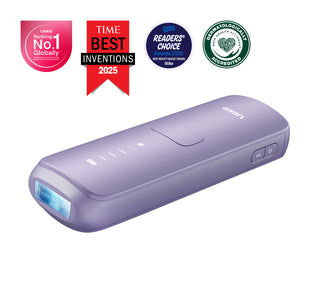


Table of Contents
Thinking about using IPL for pubic hair can feel a little like walking into a new gym. You know it might work, but you also don’t want to do the one thing that gets you hurt.
First, define “pubic hair” because people mean different zones. It can include the bikini line (where underwear edges sit), the outer pubic mound (mons pubis), labia or scrotum, the perineum (between genitals and anus), and hair around the anus.
Here’s the practical answer: IPL can be ok for the outer bikini line and outer pubic area for many people when used correctly, but it should not be used on mucous membranes or very delicate internal genital skin. Results also depend a lot on skin tone and hair color. This is general information, always follow your device manual and consider a dermatologist if you have higher-risk skin, medical conditions, or take medicines that increase light sensitivity.
Is IPL ok for pubic hair? The safe zones, the no go zones, and why it matters
IPL (intense pulsed light) uses broad-spectrum light that targets pigment (melanin) in the hair. The light energy turns into heat, the heat damages the follicle, and hair grows back slower over time. Think of it like turning down the “power supply” to the follicle in small steps, not ripping the wire out in one go.
For at-home use, the safest targets tend to be outer areas with thicker skin and better visibility. In plain terms, that usually means:
- The bikini line (the crease and edges where hair shows outside underwear)
- The outer pubic mound (mons pubis)
- In some people, the outer lips (labia majora), only if your device manual says it’s allowed and you keep it strictly external
Why do the boundaries matter so much? Because the “inner” zones have thinner tissue and more nerve endings. They also tend to be naturally darker, which can absorb more light energy. That combination raises the risk of burns, swelling, and pigment changes.
It also helps to know what IPL is not. At-home IPL is generally less powerful and less precise than professional laser systems. That’s good for comfort and home use, but it can mean more sessions and slower progress, especially on coarse pubic hair.
Comfort features matter here because the bikini area is sensitive. If you want a quick explanation of how cooling can help with the hot-snap feeling, see this page on ice cooling comfort.
On brand credibility (without the hype): Ulike states it has about a decade of IPL research, over 1,000 granted patents, and millions of devices sold worldwide. Ulike also cites Frost and Sullivan research (survey completed October 2024) supporting a No. 1 global IPL device sales ranking based on 2023 sales volume.
Where you should not use IPL (even if the hair is there)
Avoid treating these areas at home:
- Inner labia, vaginal opening, and any mucous membrane
- Scrotum and penis (shaft and base)
- Anus and inside the butt crack near the anus
- Broken, irritated, or freshly sunburned skin, or areas with an active rash or infection
Extra caution matters if you have very dark skin tones or recently tanned skin, because more skin pigment can absorb more light and increase burn risk. Also check your medication list. Some acne meds (including isotretinoin), some antibiotics, and other drugs can raise light sensitivity. Always follow your device’s skin tone chart and contraindications list.
Can you use IPL on bum hair? What about the perineum?
For bum cheeks and the outer butt area, IPL is often treated like the bikini line: shave first, keep skin clean and dry, and use a conservative setting.
For the perineum and anything close to the anus, skip DIY. That skin is delicate, the angles are hard, and it’s easy to overlap flashes without realizing it. If you can’t clearly see the exact skin you’re treating, don’t treat it. A simple rule: use a mirror and bright lighting, and avoid areas you can’t view clearly from start to finish.
How to use IPL on the bikini and outer pubic area step by step
Good results come from boring consistency. The bikini area is not the place to improvise.
- Shave, don’t wax or pluck. IPL needs the hair root under the skin to target pigment. Waxing and plucking remove the root, so there’s nothing for the light to “find.”
- Shave about 24 hours before (a common sweet spot). This gives micro-nicks time to calm down.
- Clean and dry the skin. No lotion, oil, deodorant, fragrance, or body butter on the treatment area.
- Patch test first. Pick a small, outer spot. Use a low setting. Wait 24 hours to check for excessive redness, swelling, blistering, or darkening.
- Start low, then step up only if comfortable. Pubic hair can be coarse, but higher intensity isn’t always better if your skin reacts.
- Use a steady method (stamp or glide) and avoid heavy overlap. Overlapping flashes stacks heat, which is where many at-home burns happen.
- Follow a realistic schedule. Many people treat every 1 to 2 weeks at the start (depending on the device), then move to monthly touch-ups once regrowth slows.
- Aftercare is part of the treatment. Cool the area if it feels warm, wear loose cotton underwear, and avoid tanning before and after sessions.
Two more safety reminders that get overlooked: don’t treat over tattoos, and don’t flash directly over dark moles. If you feel sharp pain, or see blistering, stop and get medical advice.
If you want to understand how device testing and development is handled, this overview of Ulike Labs and its research team adds helpful context.
Quick prep checklist for sensitive skin and fewer bumps
- Gentle shave with a fresh razor, plus shaving gel
- Rinse well, then pat dry, don’t rub
- Wear loose underwear after treatment
- If you need moisture, use a fragrance-free moisturizer after 24 hours
- Avoid exfoliating acids and retinoids for a couple days
- Skip hot baths, saunas, and heavy workouts for 24 hours
Mild redness can be normal. Swelling, blisters, or skin darkening means pause treatments and get medical guidance.
Results, regrowth, and common worries (ingrown hairs, “healthiest” option, and awkwardness)
Will pubic hair grow back after IPL? Usually yes, at least some of it. IPL is best described as hair reduction. Many people see regrowth come back finer and slower, and maintenance sessions keep it under control.
Timeline helps set expectations. After a session, treated hairs often shed in about 1 to 2 weeks. With a full course, many at-home IPL users report roughly 60 to 80 percent reduction (not everyone hits the same number). Hormones, hair thickness, and consistency all change the outcome.
Can IPL target ingrown hairs? It can help over time by weakening the follicle so there’s less dense regrowth to curl back into the skin. It won’t “pull out” an existing ingrown hair on command, but many people get fewer bumps once they’re past the early shaving-heavy phase. Good shaving technique and gentle exfoliation (when your skin is calm) still matter.
What’s the healthiest way to remove pubic hair? Trimming is the lowest-risk option because it doesn’t stress the skin. Shaving is quick, but it can cause stubble and bumps. Waxing lasts longer, but it can inflame skin and raise infection risk. Professional laser can be more effective and more precise for intimate areas, but it costs more.
Is it awkward getting a Brazilian laser? For most people, the first appointment feels awkward and then it becomes routine. Clinics do this all day, they use draping, and they keep it professional and efficient. If you want treatment very close to genital skin, professional care is often the safer route.
For shoppers who like clear support terms, Ulike lists a 100-day money-back window, a 2-year warranty, and 24/7 support, along with site policies like https://www.ulike.com/pages/terms-conditions and https://www.ulike.com/pages/privacy-policy.
Conclusion
IPL can be a solid option for pubic hair, as long as you stay in the right lanes. The outer bikini line and outer pubic mound are the safest at-home targets for many users. Skip inner genital skin, mucous membranes, and the anus. Shave first, start low, follow a schedule, and expect touch-ups.
If you have deep skin tone concerns, a history of pigment changes, take light-sensitizing meds, or want treatment very close to the genitals, choose professional laser or get a dermatologist’s guidance. When safety is clear, results tend to follow.