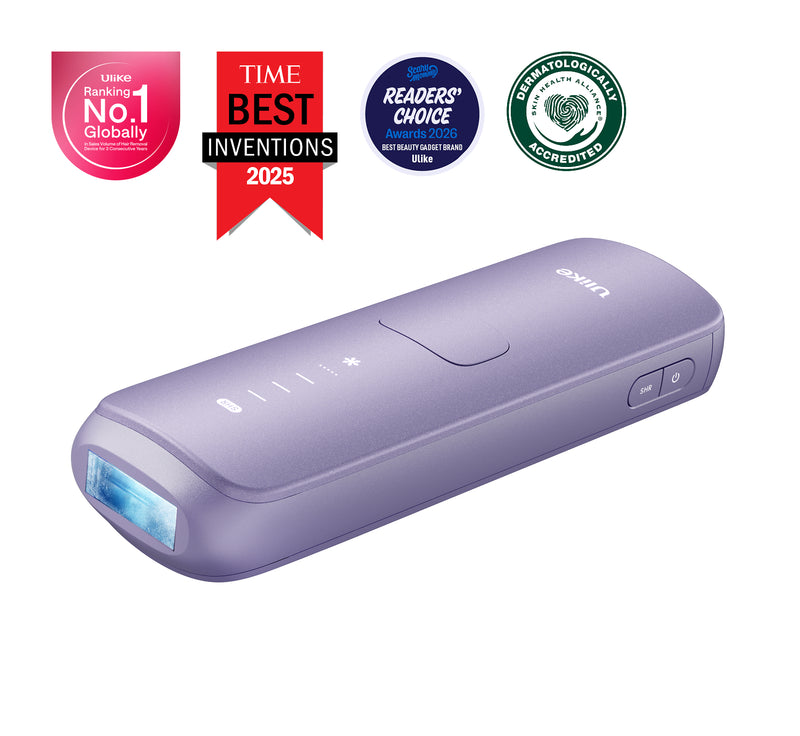
 Ulike ReGlow Pro★ 5.0 (511)




Table of Contents
If you’ve been eyeing IPL (Intense Pulsed Light) for at-home hair removal, you’re not alone. Dermatologists talk about it a lot because it sits in a sweet spot: more lasting than shaving or waxing, less intense (and usually less expensive) than many in-office options.
The common dermatologist take is pretty consistent: IPL can be effective and safe for the right person when it’s used correctly and on the right schedule. The important limit is this: IPL is usually hair reduction, not guaranteed permanent hair removal.
Below is what “good results” look like, who tends to do best, what can go wrong, and what IPL can’t do (like tightening sagging skin).
How IPL works, in dermatologist terms
IPL is a flash of broad-spectrum light. Think of melanin (the pigment in hair) like a dark shirt in the sun: it absorbs more light and warms up faster. With IPL, that absorbed light turns into heat, and that heat stresses the hair follicle so it grows back slower over time.
Dermatologists also point out the big wording issue: IPL isn’t a laser. Laser hair removal uses one focused wavelength; IPL uses a range of wavelengths. Both can reduce hair, but they’re different tools. For most people, that difference matters because:
- IPL can treat a wider area per flash.
- At-home IPL devices use lower energy than many clinic devices, because home devices are designed with safety in mind. That also means results often take longer than in-office laser.
If you want a deeper walkthrough of timing, prep, and what to expect session-by-session, use this Comprehensive IPL Hair Removal Guide. It’s easier to stay consistent when the routine feels simple.
Who tends to get the best results (and who does not)
Dermatologists usually start with the match between skin tone and hair color, because IPL relies on pigment contrast.
Best results often show up for:
- Fair to medium, and often olive skin tones
- Dark brown or black hair (more melanin to absorb light)
- Coarser hair (more target, more predictable response)
Results are often weaker, or the risk is higher, for:
- Very dark skin tones, because more skin melanin can absorb the light, raising burn and discoloration risk
- Blonde, red, gray, or white hair, because there’s less melanin for the light to “grab”
- Hormone-driven facial hair (PCOS can be a factor), because new growth can keep coming in even if treated hairs reduce
If you’re deciding between IPL and laser, this IPL vs Laser Hair Removal Comparison helps clarify the tradeoffs in power, cost, comfort, and timelines.
What success looks like with IPL hair removal
Dermatologists define IPL success in a practical way: fewer hairs, slower regrowth, and less daily maintenance. A good outcome often means you shave less, you feel smoother longer, and you see fewer ingrowns.
The biggest predictor of success is boring but true: consistency. IPL works best when you follow a set schedule at the start (often weekly, or per your device instructions), then shift to maintenance sessions once you’ve reached your “steady state.”
A realistic timeline for many good candidates looks like this:
- Early weeks: hair starts to feel patchier, growth slows
- Around 3 to 4 months: clearer, more stable reduction for many users
- After that: maintenance keeps results from drifting back
Also keep expectations clean: a lot of people keep long-term reduction, but some regrowth can happen. Hormones, missed sessions, and untreated follicles can all bring hair back.
Typical success rates and why they vary
When dermatologists discuss evidence, the big picture is encouraging but not absolute. Studies and clinical reviews of home IPL commonly report meaningful reduction over weeks to months, often landing around 50% to 80% for good candidates. Some reports show even higher ranges (roughly 60% to 90%+) with consistent use and the right match.
Why the spread? The main reasons are simple:
- Hair color and thickness: coarse dark hair responds best
- Body area: underarms and lower legs often respond faster than face
- Hormones: new growth can offset progress
- Missed sessions: IPL is cumulative, skipping breaks the momentum
- Settings and technique: staying too low forever can slow results, overlapping too much can irritate skin
At-home IPL may also take longer than in-office laser because the energy is lower by design.
Does IPL work on older skin?
Age alone usually isn’t the deal-breaker. What changes with time is hair pigment and skin sensitivity. If hair turns gray, white, or very light, IPL may stop working well because there’s not enough melanin to target.
For mature skin, dermatologists often suggest a calmer approach:
- Start at a lower level and build slowly
- Moisturize after treatment
- Avoid strong actives (retinoids, acids) right around sessions if you’re easily irritated
If you bruise easily, have fragile skin, or take medications that affect healing, it’s smart to ask a dermatologist before starting.
Safety, side effects, and what can go wrong
Used as directed, IPL is generally seen as safe for appropriate skin tones and hair types. Still, an IPL “laser” can go wrong (even though IPL isn’t a laser) if it’s used on the wrong setting, on tanned skin, or on areas it shouldn’t be used.
Common short-term effects include mild redness, warmth, or a prickly feeling that fades within hours. The problems dermatologists take seriously include burns and pigment changes (dark marks or light patches), which are more likely with deeper skin tones, recent sun exposure, or aggressive settings.
A simple safety checklist helps prevent most issues:
- Patch test first
- Shave before treatment (don’t wax or pluck)
- Use on clean, dry skin
- Avoid sun and self-tanner before and after
- Don’t treat tattoos, and avoid questionable moles
- Use eye protection as your device instructs
For post-session care that’s easy to follow, this IPL Hair Removal Aftercare Tips guide is a solid reference.
Can IPL damage collagen or make skin thinner?
This is a common fear, and dermatologists usually frame it like this: hair removal IPL targets follicles, not collagen. It’s not designed to “melt” collagen or thin skin.
What can cause lasting skin trouble is repeated injury, like overheating the same spot, using IPL on tanned skin, or choosing a setting that your skin can’t tolerate. That’s when you can see burns, lingering discoloration, or texture changes. Good technique (no heavy overlap, no tanning, the right level) is what keeps the risk low.
Who should not use IPL (or should ask a dermatologist first)
IPL isn’t for everyone. People who should avoid it, or get medical guidance first, include:
- Very dark skin tones unless the device is cleared for that range
- Blonde, red, gray, or white hair in the treatment area
- Active infections, open wounds, cold sores on the face, or inflamed rashes
- Recent sunburn, a fresh tan, or ongoing self-tanner use
- Tattoos in the area you want to treat
- A history of keloids, melasma, or strong post-inflammatory dark marks
- People taking photosensitizing medications
- Pregnancy (many clinicians recommend skipping elective light-based treatments)
If facial hair is sudden, worsening, or tied to hormones, a dermatologist can help you treat the cause and choose the safest hair-removal plan.
IPL for wrinkles, sagging skin, and “tightening”, what dermatologists say
This is where a lot of marketing gets confusing. At-home IPL hair removal devices are not designed to tighten sagging skin or erase wrinkles. They’re built to target hair follicles safely.
In a dermatologist office, “IPL” can also mean photorejuvenation treatments that target brown spots, redness, and sometimes fine lines. That’s different equipment, different settings, and a different goal. It’s closer to skin tone improvement than true lifting.
So, does IPL tighten sagging skin? With an at-home hair removal IPL device, the honest answer is no, not in a meaningful way.
Can I use IPL on my face for wrinkles?
Don’t use a hair removal IPL device as an anti-aging tool. If you’re using IPL on the face for hair, follow facial rules carefully (stay away from eyes and brows, and treat only approved areas).
For wrinkles, dermatologists usually steer people toward:
- Daily sunscreen
- A retinoid routine (if your skin tolerates it)
- In-office options when needed (laser, RF microneedling, and other targeted treatments)
- LED light therapy for certain goals, when appropriate
If fine lines and laxity are your main concern, a dermatologist can map out a plan that fits your skin type and budget.
Is IPL the healthiest form of hair removal?
“The healthiest” depends on your skin, your hair, and how reactive you are. Dermatologists often like IPL because it’s non-invasive and can reduce shaving bumps and ingrowns for many people, while avoiding the repeated trauma of waxing.
Here’s a quick, practical comparison:
| Method | When it feels healthiest | Common downside |
|---|---|---|
| Shaving | Best for simplicity and sensitive budgets | Frequent irritation, cuts, stubble |
| Waxing | Longer smooth periods without daily upkeep | Pain, follicle inflammation, ingrowns |
| Depilatory creams | No cuts, no pulling | Chemical irritation, short-term results |
| At-home IPL | Less frequent hair removal over time, fewer ingrowns for many | Not for all skin tones or light hair, needs consistency |
| In-office laser | Faster results for many candidates | Higher cost, stronger treatment feel |
A healthy method is one you can do regularly without triggering irritation.
Conclusion
Dermatologists generally support IPL for long-term hair reduction when the skin tone and hair color match is right, and when the routine is steady and careful. The main limits are also clear: IPL isn’t a fix for wrinkles or sagging skin, and it’s often a poor match for very light hair or some deeper skin tones.
If you’ve had pigment changes before, keep tanning habits, or get repeated irritation, your best next step is a dermatologist consult. A few minutes of guidance can prevent weeks of trial-and-error, and it helps you get safer, more predictable IPL results.