Reseña de la depiladora Ulike Air 10 IPL (2026): ¿Quién NO debería comprarla?

Viral ads make ipl hair removal look like a one-size-fits-all shortcut to smooth skin. The truth is simpler and a lot more useful: IPL can work really well, but only when your hair color, skin tone, and routine match what the tech can actually do.
This review breaks down what the Ulike Air 10 promises, why "compatibility" matters more than hype, and which shoppers should skip it to avoid turning a pricey device into a drawer item.
How IPL hair removal works (and why contrast matters)
IPL stands for intense pulsed light. In plain terms, the device sends controlled flashes of light into the skin. That light looks for melanin, the dark pigment that gives hair its color. When the light energy hits melanin in the hair follicle, it creates heat. Over repeated sessions, that heat can disrupt the follicle enough to reduce regrowth.
So, the "secret" is not the device doing magic. It's contrast.
Dark hair has more melanin, so it tends to absorb more of the light. Lighter hair has less melanin, so there's less for the light to "grab." Skin tone also matters because melanin exists in skin too. If the skin has a lot of melanin, the light can heat the skin more than you want.
That's why the best results typically happen when you have dark hair paired with fair to medium skin. The device can focus its energy where it belongs, in the follicle, instead of spreading heat across the skin.
If you want a simple mental picture, think of IPL like a flashlight trying to find a dark target. The darker and clearer the target, the better the hit. The lighter the target, or the darker the background, the harder it gets.
What clinical results usually look like for ideal candidates
In the research discussed, clinical results for ideal candidates are often strong, with one figure cited at 83% hair reduction. The key phrase is "ideal candidates," because the definition usually includes that hair and skin contrast that IPL needs.
Results also depend on consistency. IPL is not a single-session method. It's a routine that stacks progress over time, because hair grows in cycles and not every follicle is in the same phase on the same day.
What the Ulike Air 10 claims on paper
The Air 10 is presented as a high-power, at-home option, with marketing that leans hard on speed and comfort. The big promises highlighted include fast reduction, strong energy output, and a cooling system meant to keep the experience comfortable.
Here are the claims and specs called out:
- 96% hair reduction in 14 days, using "dual light technology"
- 26 joules per pulse, framed as salon-level energy from a handheld device
- "Zero pain" messaging, including the idea that you can use it casually (even while watching Netflix)
- A cooling system intended to keep skin contact temperature around 65°F, so it doesn't feel like it's burning
- FDA cleared positioning (often described as "FDA clearance" in casual summaries)
- A lifetime flash count of 300,000 flashes
- Social proof style claims, including millions of customers
On the brand side, Ulike also positions itself as a long-running player in optical beauty devices. The company describes itself as founded in 2013, operating in dozens of markets, and supported by a large in-house research team. It also highlights a large patent portfolio and multiple safety certifications. Separately, a Frost and Sullivan market study cited by the brand describes Ulike as a global sales leader in IPL devices based on 2023 sales volume metrics, with the research confirmed in 2024.
Those credibility signals can be reassuring, but they still don't override the single question that decides whether IPL works for you: can the device target your follicle better than it targets your skin?
For a practical, start-to-finish walkthrough of buttons, modes, and session flow, use this Ulike Air 10 step-by-step usage guide.
Compatibility is the make-or-break factor (and it's not optional)
IPL works by hunting for melanin in the follicle. That means some people get excellent results, while others won't see meaningful change no matter how carefully they follow directions.
The review emphasizes a compatibility chart that many shoppers miss. It matters because it quietly explains who IPL can help, and who it can't.
To make this easier to scan, here's the compatibility logic discussed, in a quick-reference format.
| Factor | Usually a good match for IPL | Usually a poor match or higher risk |
|---|---|---|
| Hair color | Dark brown to black (more melanin to absorb light) | Light blonde, red, gray, white (too little melanin for detection) |
| Skin tone (Fitzpatrick scale) | Fair to medium tones (more contrast vs hair) | Fitzpatrick 5 to 6 (device may heat skin more, raising burn risk) |
| Consistency | Can follow a multi-week schedule | Can't commit to regular sessions |
The simple takeaway: IPL is picky, because the physics are picky.
If your hair has very little pigment, IPL has nothing reliable to target.
Hair colors that typically won't work
Light blonde, red, gray, and white hair were flagged as problem areas for a straightforward reason: the device may not "see" the follicle well enough to treat it. Without pigment, you don't get the same heat reaction in the root.
That's not a small limitation. It's the difference between "slow progress" and "no real mechanism for progress."
Skin tones that need extra caution
Very dark skin tones, often described as Fitzpatrick types 5 or 6, were highlighted as higher risk. When skin contains more melanin, the device can confuse what it's supposed to heat. Instead of concentrating energy in the follicle, it may transfer more heat into skin cells.
The risks called out include burns and hyperpigmentation.
The Air 10 is described as having a skin sensor that can adjust power, which is helpful. Still, the main warning remains: outside the compatible range, the tech can't change what melanin does.
If you want a closer look at the device experience and what comes in the box, this Ulike Air 10 unboxing and demo is a helpful companion read.
What people reported when the Air 10 fits your skin and hair
When the match is right, the outcomes described are the kind that make at-home IPL feel worth the money. Multiple independent testers were said to report near complete hair reduction in about four weeks with consistent use.
One specific example mentioned: a reviewer with PCOS documented strong facial hair improvement. That's a big deal for anyone who has dealt with stubborn growth and the daily stress that comes with it.
Comfort is another theme. The cooling system was described as staying cold through full sessions, unlike competitors that may start cool but warm up as you go. That matters because discomfort is a common reason people stop early, then assume IPL "doesn't work."
Here's the honest catch: these results came with consistency, not wishful thinking. IPL rewards routine.
Miss sessions and your results can drop fast, because you stop stacking progress on the follicles you're trying to quiet down.
If you like to optimize routines (and avoid wasted sessions), these efficient Ulike Air 10 usage tips can help you keep treatments steady and practical.
The schedule you can't ignore (and why "2 weeks" can mislead)
The Air 10 is marketed around quick results, but the real-world schedule described is more demanding than many shoppers expect. The routine called out was:
- About 10 minutes per session
- Three times per week
- For at least four weeks
That is not hard, but it is easy to skip. And skipping is where people get frustrated.
Hair growth cycles don't care about your calendar. If you miss sessions, you don't just slow down. You can lose momentum because you stop treating follicles as they enter the right stage for effective disruption.
Flash count is the other practical detail that deserves attention. The device is described as having 300,000 flashes total, but full-body sessions use flashes quickly. So even if the number sounds huge, your usage pattern decides how long it lasts.
There's also a blunt money point: if you're outside the compatible range, you're not buying "a maybe." You're buying something that may not be able to target your follicles in the first place.
So, before you think about speed claims, get clear on fit and consistency. Those two things decide outcomes more than any headline number.
Final verdict: who should not buy the Ulike Air 10
This device was framed as legitimate for the right person, and a bad buy for the wrong person. That's a useful kind of review, because it doesn't try to make everyone feel included.
A quick way to decide is to sort yourself into one of these lanes.
A good match looks like this
Fair to medium skin tone plus dark, coarse hair, and a willingness to stick to the schedule. Under those conditions, the Air 10 is positioned as capable of delivering salon-like results at home, while also keeping comfort high through its cooling approach. FDA cleared positioning and strong user outcomes were both part of the case in favor.
For extra context from within the Ulike ecosystem, this Ulike Air 10 honest review and unboxing expands on what the experience can look like over time.
Skip it if any of these are true
Light hair (blonde, red, gray, white) was flagged as a hard no, because the device may not detect follicles well. Very dark skin tones (Fitzpatrick 5 to 6) were flagged as higher risk for burns and hyperpigmentation. Also, if you know you won't follow a consistent routine, the odds of being disappointed go up fast.
To make this final decision easier, here's a simple trade-off table.
| What feels great about it | What can make it a waste |
|---|---|
| Strong results when you're a match and you stay consistent | Compatibility limits mean it won't work for everyone |
| Cooling system designed for comfort during sessions | Strict schedule, missed sessions can hurt results |
| At-home convenience compared with salon visits | Flash count can drop quickly with frequent full-body use |
Choosing well here is not about being "sold." It's about being realistic, so your money goes toward something that can actually meet your goal.
How to support honest reviews (plus disclosures)
They also linked a separate page for savings on other tools: discounts on software and AI tools from Savage Reviews.
Disclosures were straightforward: the review was presented as not sponsored, opinions were the creator's own, and affiliate links may generate commission.
Conclusion
IPL hair removal can be a great at-home routine, but only when you fit the compatibility basics and stick to the schedule. For fair to medium skin with dark hair, the Ulike Air 10 was presented as a serious option with strong comfort and real user results. If you have light hair, very dark skin, or you know you won't stay consistent, skipping it can be the smartest "deal" you make.
Featured Products

Ulike Air 10
2 weeks to silky smooth skin.
96% Hair Density Reduction
The next-generation in simple,
lasting hair removal.
Depilación con IPL en piel morena: reseña sincera de Boss Vision sobre Ulike y consejos para la rutina
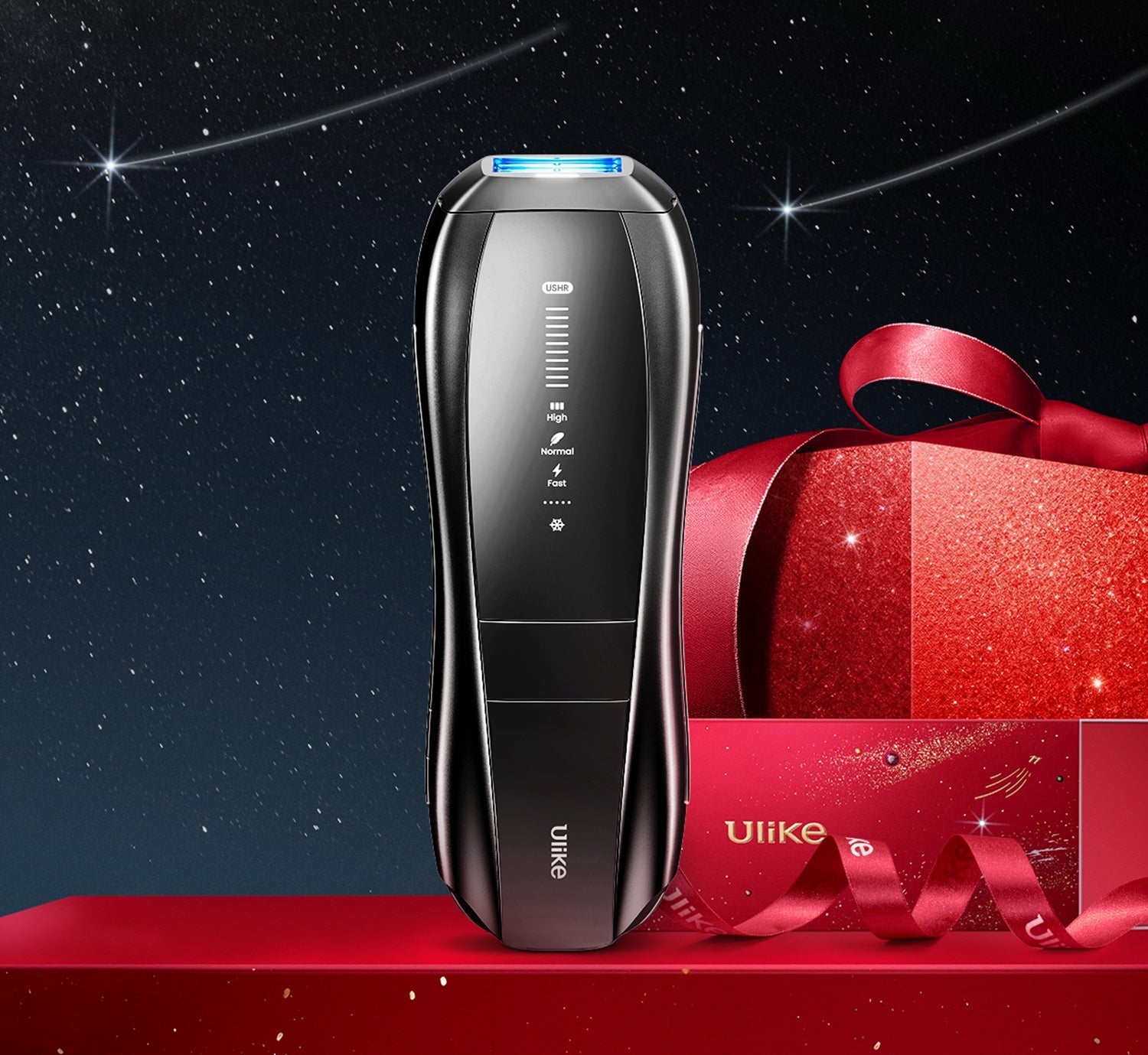
¡Reseña completa del nuevo dispositivo de depilación IPL Ulike X!
Reseña de la depiladora Ulike Air 10 IPL (2026): ¿Quién NO debería comprarla?

Explore Beauty
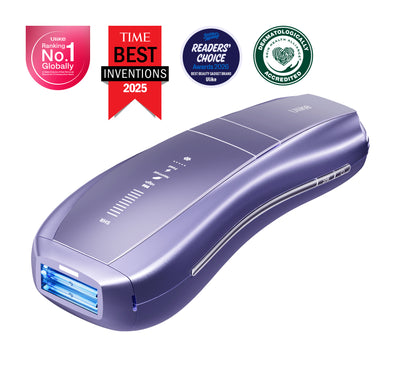
Ulike Air 10
2 weeks to silky smooth skin.
96% Hair Density Reduction in 2 Weeks
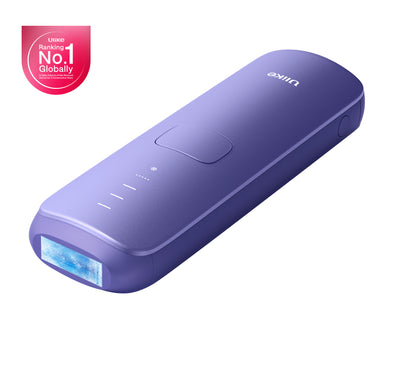
Ulike Air 3
3 weeks to silky smooth skin.
93% Hair Density Reduction in 4 Weeks
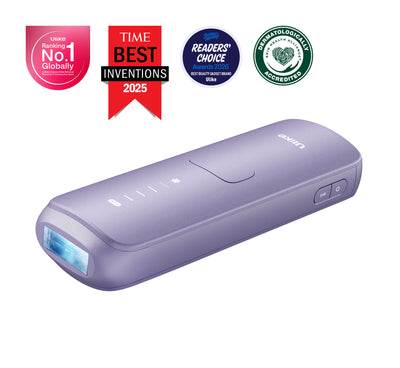
Ulike Air 4
4 weeks to silky smooth skin.
95.8% hair reduction in just 2 weeks*
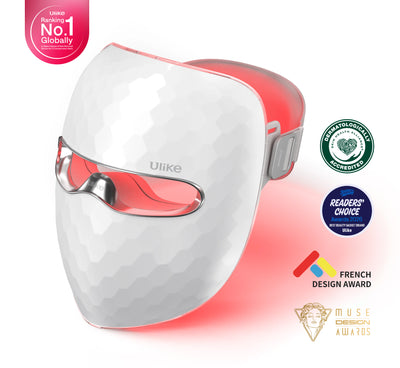
Ulike Reglow
Clearer skin in 2 weeks: Fewer breakouts
Smoother skin in 4 weeks: Fewer lines, firmer feel