






Electrolysis Hair Removal: What to Expect (Permanence, Pain, Cost)

If you’re stuck in the loop of shaving today, stubble tomorrow, irritation all week, you’re not alone. Waxing can last longer, but it can also feel harsh on sensitive skin, and the results still fade. When hair keeps coming back, it’s normal to start looking for something that’s more final.
Electrolysis hair removal is a method that treats each follicle with a tiny probe and a small electric current. It’s precise, it’s proven, and it’s used on everything from upper-lip fuzz to stubborn chin hairs.
Set expectations early, though: electrolysis can be permanent, but it’s not quick. You’ll need multiple visits over months (sometimes longer), because hair grows in cycles. It’s also a popular choice for blonde, gray, red, or white hair, where light-based methods like IPL or laser may not respond as well.
Does electrolysis remove hair permanently, and how does it actually work?
Electrolysis has a simple goal: disable the hair-growing cells inside a follicle so that specific hair doesn’t return. During treatment, an electrologist inserts a very fine probe into the natural opening of the follicle (not a needle that pierces new skin). Then a controlled electrical energy is delivered to damage the growth center.
In the US, the FDA has long positioned electrolysis as the only method recognized for permanent hair removal when it’s performed correctly and completed as a full plan. That wording matters. “Permanent” doesn’t mean one appointment, it means a series that treats hairs at the right time, with the right technique, until the area is cleared.
The reason it takes repeat visits is not because electrolysis “doesn’t work.” It’s because your body doesn’t grow all hair at once. At any moment, some hairs are actively growing, some are resting, and some are shedding. Electrolysis works best when a hair is in its active growth phase, because the follicle is connected to the structures that need to be disabled.
Provider skill also matters more than most people realize. Settings that are too strong, poor insertion technique, or rushing can raise irritation and lower results. A careful electrologist should be able to explain their method, hygiene steps, and the treatment plan for your specific area.
Permanent vs. long term reduction, why electrolysis is different from laser and IPL
Electrolysis is slow because it treats one follicle at a time, but that’s also why it can be permanent. The treatment is targeted to the exact follicle producing the hair.
Laser and IPL work differently. They use light energy to heat follicles, which is why they’re usually described as long-term hair reduction and may need maintenance. They can be great for larger areas, but they rely on pigment contrast, which is why very light hair (white, gray, some blonde, some red) often doesn’t respond well.
If you want a clear refresher on what IPL is designed to do, see this guide on how IPL works for hair reduction.
How many sessions you might need, and why it takes months
Most people need multiple sessions per area to get lasting results. A common range discussed in professional guidance is roughly 8 to 30 sessions, depending on the area, hair density, hormones, and consistency. Total timelines often land around 8 to 24 months, especially for larger zones or hormonally influenced areas like the face.
Appointments are usually 15 to 60 minutes. Many people start with weekly or biweekly visits, then space out sessions as the area clears.
Consistency and aftercare make the process feel smoother. Come in with clean skin, avoid tanning, and protect treated areas from sun exposure so post-treatment redness fades faster and uneven pigment risk stays low.
What is the downside of electrolysis? Pain, time, and possible side effects
Electrolysis is often described as the “permanent option,” but permanence comes with tradeoffs. The biggest downsides are time, discomfort, and the possibility of short-term skin reactions.
Time is the obvious one. Since each follicle is treated individually, clearing a larger area can feel like painting a wall with a tiny brush. It’s doable, it just demands patience. That’s why electrolysis is commonly used for smaller zones (upper lip, chin, brows, nipples, fingers, toes) or for finishing stubborn hairs after other methods.
Discomfort is real, too. The sensation varies by body area, hair thickness, your cycle, stress level, and how gentle the electrologist’s technique is. Some sessions feel like quick sparks, other sessions feel like repeated pinches.
Side effects are usually mild and temporary, but technique and hygiene matter. An experienced provider using sterile tools should minimize risk. Poor technique or poor aftercare can raise the odds of prolonged irritation, scabbing, or in rare cases, scarring or pigment changes.
A few practical comfort tips that help many people:
- Topical numbing: Ask what’s allowed and when to apply it.
- Shorter sessions: Two 20-minute visits can feel easier than one long hour.
- Skip caffeine before treatment: It can make you feel more reactive.
- Schedule around peak sensitivity: Some people prefer not to book during their period.
Does it hurt, and which areas tend to feel worse?
Most people describe electrolysis as quick stings, small zaps, or sharp pinches. Sensitive zones often include the upper lip, bikini line, underarms, fingers, and toes. Areas like legs and arms often feel more manageable.
Pain is not only about you. Settings, insertion accuracy, and speed control are part of the provider’s skill, and they can change the experience a lot.
Skin reactions to watch for, and how to lower your risk
Common short-term reactions include redness, mild swelling, and tiny scabs. These often settle within hours to a few days, depending on the area and how your skin heals.
Less common risks include infection, scarring, or dark or light spots, and they’re more likely when the technique is rough, tools aren’t sterile, or aftercare is ignored. Keep aftercare simple: hands off, gentle cleansing, no picking, and sun protection.
For a clear, beginner-friendly routine on skin prep and calming care habits (useful across many hair removal methods), review these pre and post hair removal care tips.
How much does electrolysis cost, is it very expensive, and how to budget
Electrolysis pricing can look manageable at first, then surprise you when you add up the hours. The reason is simple: you’re paying for time and precision, not just a one-time session.
In the US, electrolysis is commonly priced by timed sessions. Recent pricing roundups for 2026 commonly show:
- 15 minutes: about $40 to $60 in many areas (some lower-cost markets may be closer to $30 to $60)
- Hourly rates: often around $80+ per hour, with broad ranges reported by location and provider experience
Total cost varies widely. A small area may take a limited number of hours spread across months. A large area can require many hours, which is why legs or backs can become expensive over time.
A smart budgeting move is to treat cost like a project estimate. In your consultation, ask for the hourly rate, minimum charges, how long sessions typically run for your area, and what happens if you need to reschedule.
How much do 15 minutes of electrolysis cost? Typical prices in 2026
A realistic planning number for many US clinics is $40 to $60 for a 15-minute session, with higher pricing common in major cities and with highly experienced electrologists. Some clinics charge by the hour, and short bookings can still have minimum fees.
Keep the math simple when you budget. Four visits at 15 minutes equals about one hour total. If your clinic charges $100 per hour, that’s roughly $100 spread across four short appointments, before add-ons like numbing products.
Is electrolysis very expensive compared to laser or at home IPL?
Electrolysis can be the most expensive route for large areas, mainly because it’s time-heavy. Laser or IPL often costs more per single appointment, but covers bigger areas faster, which can lower total chair time.
The tradeoff is outcomes and fit. If you’re treating light hair, or you want a true permanent solution for a small, stubborn zone, electrolysis can be worth the slower pace. If you’re trying to reduce dark hair over larger areas, many people compare laser and IPL first to understand timeline and maintenance.
This comparison guide on choosing between IPL and laser can help you set expectations before you commit to a plan.
Conclusion
Electrolysis hair removal is the most direct path to permanent results, but it asks for patience. Expect a long timeline, some discomfort, and short-term skin reactions like redness or tiny scabs. For many people, it’s a great fit for smaller areas, stubborn regrowth, and any hair color, including gray, white, blonde, and red.
Your results depend heavily on choosing a licensed, experienced electrologist and following the full treatment schedule. Before you start, ask clear questions about total hours, pricing structure, and aftercare. The simple decision guide is this: choose permanence, speed, or cost, then pick the method that matches your priority.
Featured Products

Ulike Air 10
2 weeks to silky smooth skin.
96% Hair Density Reduction
The next-generation in simple,
lasting hair removal.
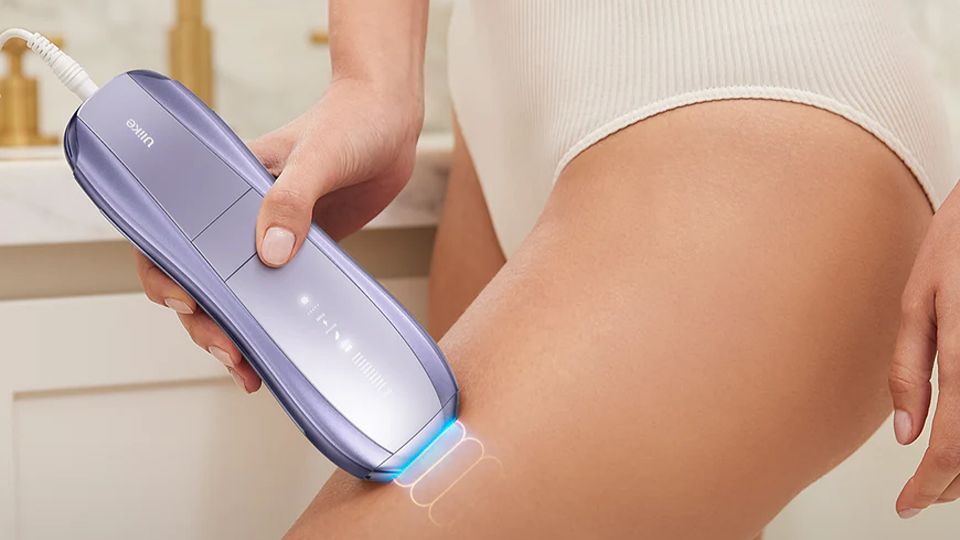
What Is Laser Hair Removal? How It Works and What to Expect

Is Lazer Hair Removal Bad for Your Skin? What to Know

How Many Sessions for Laser Hair Removal Do You Need?

Explore Beauty
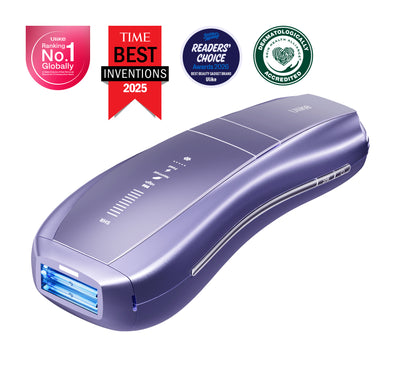
Ulike Air 10
2 weeks to silky smooth skin.
96% Hair Density Reduction in 2 Weeks
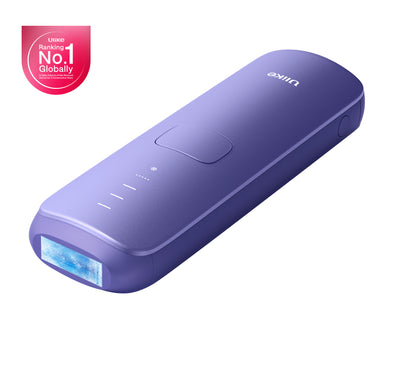
Ulike Air 3
3 weeks to silky smooth skin.
93% Hair Density Reduction in 4 Weeks
Ulike Air 4
4 weeks to silky smooth skin.
95.8% hair reduction in just 2 weeks*

Ulike Reglow
Clearer skin in 2 weeks: Fewer breakouts
Smoother skin in 4 weeks: Fewer lines, firmer feel