



What Is IPL Hair Removal? How It Works, Results, Safety, and Bikini Use

Tired of shaving, stubble, and the constant “did I miss a spot?” check in the mirror? IPL hair removal (intense pulsed light) is a popular way to reduce hair growth with repeated flashes of light. It’s not a laser, even though people often call it “IPL laser” by mistake.
In this guide, you’ll learn what IPL is, how it slows regrowth, and what results usually look like. We’ll also cover the real downsides, how IPL compares to professional laser hair removal, and what’s considered safe for pubic hair and the bikini area. The goal is simple: help you decide if IPL fits your skin, hair, budget, and routine.
What IPL hair removal is and how it actually works
IPL hair removal uses broad flashes of light (a spread of wavelengths, not one single beam). When you place the treatment window on your skin and the device pulses, that light travels into the upper layers of skin and looks for pigment.
Here’s the key idea: melanin (the dark pigment) in the hair absorbs the light. That absorbed light turns into heat. Over time, the heat disrupts the follicle so it produces hair more slowly, and with repeated sessions, it often produces finer, lighter regrowth or stops producing some hairs at all.
Because IPL targets pigment, it tends to work best when there’s a clear contrast, like dark hair on light to medium skin. If the hair has very little pigment (blonde, red, gray, white), it can’t “catch” enough light to heat the follicle well. If the skin has a lot of pigment, more light can be absorbed by skin instead of hair, which raises burn risk on many IPL devices.
Hair growth cycles also explain why IPL takes time. Hair isn’t all growing at once. IPL mainly affects hairs in the active growth phase, so you need a series of treatments to catch more follicles at the right time. A common plan is around 8 to 10 sessions over several months, often spaced about 4 to 6 weeks apart depending on the body area and the device instructions.
What does a session feel like? Most people describe a quick snap plus warmth, like a rubber band tap that disappears fast. Many modern devices also use skin cooling at the treatment window to improve comfort and help protect the skin surface. If you want a brand-specific example of the mechanism, see How Ulike IPL removes hair.
Does IPL hair removal really work, and how long do results last?
IPL can work well for hair reduction when you match the device to your skin tone and stick to a schedule. In real-world use, many people notice changes in the first 4 to 8 weeks, such as slower regrowth and patchier areas where hair doesn’t come back as fast.
A reasonable expectation after a full plan is meaningful reduction (often described in the range of roughly 60 to 80 percent for many users), but results vary a lot. Your hair thickness, pigment, hormones, the body area, and your consistency all matter.
At-home IPL devices usually use gentler energy than in-clinic equipment because they’re designed for consumer safety. That’s good for comfort, but it also means patience pays off. Skipping sessions often leads to “nothing’s happening” frustration.
Also, IPL is best described as long-lasting reduction, not a forever guarantee. Some follicles recover over time. Many users do maintenance sessions a few times per year (or every month or two, depending on how their hair behaves) to keep results steady.
Who gets the best results, and who should skip IPL
IPL tends to fit best if you have dark, coarse hair and light to medium skin. That contrast helps the light focus more on the hair pigment than the skin pigment.
IPL is usually a poor match for very light hair colors (light blonde, red, gray, white) because there’s not enough melanin for the light to target.
For deeper skin tones, some IPL devices may be limited because the skin can absorb more light. That can raise the risk of burns or pigment changes. Always check the brand’s skin-tone chart and do a small patch test first.
Talk to a clinician before IPL (or skip it) if any of these apply:
- You’re pregnant.
- You have an active skin infection, open wound, or a flare-up in the area.
- You have a recent tan or sunburn.
- You take medications that increase sun sensitivity.
- You plan to treat close to the eyes (IPL should not be used around the eyes).
IPL vs laser hair removal, which one makes more sense for you?
IPL and laser hair removal both use light to heat the follicle, but they deliver that light differently.
Laser uses a more focused wavelength. That focus can make it more precise and often stronger per pulse, especially for stubborn follicles. IPL uses a broad flash, which can cover larger areas quickly, but it’s less targeted.
In practical terms, laser treatments in a clinic often require fewer sessions than IPL. Many people choose laser for maximum reduction, or for areas where they want precision. Modern professional lasers also tend to handle a wider range of skin tones than many consumer IPL devices, depending on the laser type and the provider’s skill.
IPL often wins on convenience. You can treat at home on your schedule, without appointment timing or per-visit fees. Cost works the same way: IPL is usually a lower upfront purchase, while professional laser can be higher per session, but may deliver stronger long-term reduction for some people.
If you want a deeper brand comparison, this guide is useful: IPL vs laser hair removal comparison.
A quick comparison chart readers can screenshot
| Feature | IPL hair removal | Laser hair removal |
|---|---|---|
| Light type | Broad flash | Single focused beam |
| Best for | At-home, larger areas | Precision and stubborn hair |
| Sessions | Often more (many plans are 8 to 10+) | Often fewer (varies by clinic) |
| Comfort | Usually mild snap, many devices add cooling | Can feel stronger, depends on laser and settings |
| Cost | Lower upfront (device purchase) | Higher per session |
| Maintenance | Touch-ups commonly needed | Touch-ups sometimes needed |
| Where it’s done | Home or clinic | Usually in a clinic |
Downsides of IPL and how to use it safely, including the bikini area
IPL is convenient, but it’s not instant. The biggest downside is the time commitment. You’re signing up for a routine, not a single fix. If you’re inconsistent, results tend to stall.
Other realistic downsides include:
- Limited hair color range (light hair responds poorly).
- Less power than pro laser (especially with at-home devices).
- Short-term skin reactions like redness, warmth, or slight swelling around follicles.
More serious issues are less common, but they can happen when IPL is misused: burns, blisters, pigment changes, or eye injury. The eye risk is simple: don’t flash anywhere near the eyes, and use protective eyewear when recommended.
A safe routine is straightforward:
- Shave 12 to 24 hours before (don’t wax or pluck).
- Treat clean, dry skin (skip heavy lotions right before).
- Start on a low setting, then move up only if your skin tolerates it.
- Patch test and wait about 24 hours.
- Don’t hit the same spot over and over in one session.
- Avoid sun exposure before and after, and wear SPF on exposed areas.
Brand quality matters here. Ulike, for example, positions itself as an optical skincare tech company with over a decade of IPL research, a large global patent portfolio, and multiple product safety certifications across markets. They also promote consumer-friendly policies like a longer return window and a multi-year warranty, plus always-on support. For more practical safety reminders, use this checklist-style guide: IPL safety tips and best practices.
Can I use IPL on pubic hair? What is safe, and what is not
Many people use IPL on the bikini line and the outer pubic area, but you need to be strict about boundaries. Treating sensitive areas is about reducing risk, not proving toughness.
Commonly treated zones include the bikini line edges, the mons pubis (the area above the genitals), and the outer edges where hair grows beyond underwear lines.
Clear no-go zones include mucous membranes and very delicate inner genital skin. Avoid the inner labia, the scrotum, and the anus. Also avoid nipples.
For comfort, use a gentler mode or lower intensity, keep skin taut, and wear loose clothing after. Stop right away if you feel strong pain, see blistering, or notice worsening redness hours later. If you have a deeper skin tone or a history of pigment changes, getting professional guidance is a smart move before treating the bikini area.
Conclusion
IPL hair removal is a light-based method for long-term hair reduction, not a one-session fix. It works best when you have dark hair and lighter to medium skin, and when you follow a steady plan of treatments over several months. Many people see noticeable reduction and slower regrowth, then keep results with touch-ups.
The main drawbacks are time, limits by hair and skin type, and possible short-term irritation. Before you start, check three things: your skin and hair match the device, you’ll stick to the schedule, and you’re comfortable following at-home safety steps. Choose a reputable device and follow instructions closely for the safest IPL experience.
Featured Products

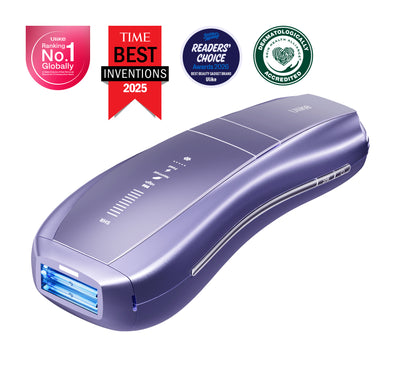
Ulike Air 10
2 weeks to silky smooth skin.
96% Hair Density Reduction
The next-generation in simple,
lasting hair removal.

How to Switch from Plucking Chin Hair to IPL

Electrolysis vs Laser Hair Removal: Which Is Better?
Best Female Facial Hair Remover: Which One Suits You?

Explore Beauty
Ulike Air 10
2 weeks to silky smooth skin.
96% Hair Density Reduction in 2 Weeks
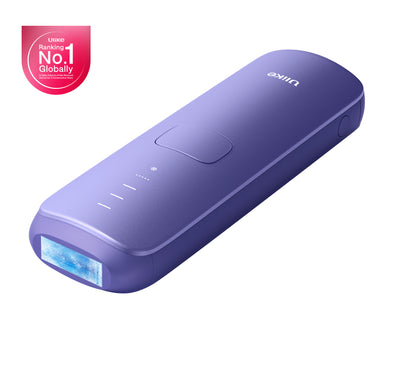
Ulike Air 3
3 weeks to silky smooth skin.
93% Hair Density Reduction in 4 Weeks
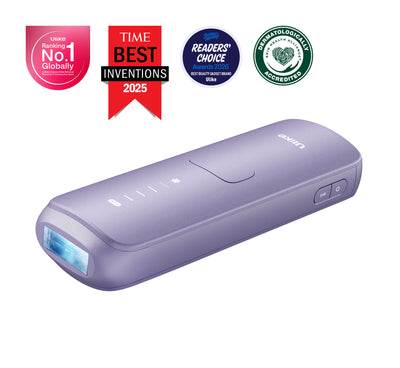
Ulike Air 4
4 weeks to silky smooth skin.
95.8% hair reduction in just 2 weeks*
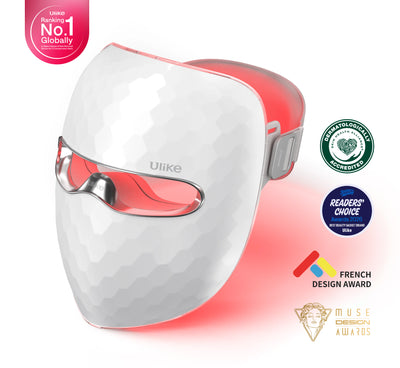
Ulike Reglow
Clearer skin in 2 weeks: Fewer breakouts
Smoother skin in 4 weeks: Fewer lines, firmer feel