



The Important Guide to IPL Hair Removal Safety During Pregnancy

Thinking about continuing your at-home Intense Pulsed Light, or IPL, hair removal during pregnancy can bring up many questions. You’re already managing many changes; maintaining a beauty or grooming routine just adds another layer of complexity. Many expectant mothers notice increased hair growth due to hormonal shifts, making the idea of long-lasting hair reduction incredibly tempting. After all, if an at-home device feels safe enough for regular use, why stop now? However, when it comes to any elective cosmetic procedure while expecting, the primary focus must shift entirely to maternal and fetal well-being. This article lays out the medical guidance available, explaining why patience now is the best policy for both you and your baby. We’ll cover why doctors advise a pause on IPL and crucial next steps for when you plan to resume your treatments.
Why Experts Recommend Waiting Until After Delivery
The medical consensus is clear: IPL hair removal should be put on hold throughout pregnancy. This recommendation holds firm because there is a significant lack of clinical data regarding the effects of light-based energy on a developing fetus. Even if the technology seems benign, medical professionals always adopt a conservative, better safe than sorry approach; it’s considered unethical to test medical devices on pregnant women. Since IPL is considered an elective cosmetic procedure, the potential, even theoretical, risks simply outweigh any immediate benefit a mother might seek. Doctors want to minimize any potential stressors on the body during this delicate time.
When we discuss IPL hair removal contraindications (situations where it shouldn't be used), pregnancy tops the list, not necessarily because the light penetrates to the womb, but because the procedure affects the pregnant body itself. This bodily impact becomes the main concern for healthcare providers. Most professionals suggest that because there's no way to guarantee 100% safety without clinical trials, avoiding the practice is the only way to eliminate risk.
The Impact of Pregnancy Hormones on Your Skin
Your body is working overtime during pregnancy, churning out hormones like estrogen at high levels. While these hormones are essential for supporting the pregnancy, they cause noticeable changes to external features. One major change is increased skin sensitivity; skin becomes more reactive to everything, including heat and light energy from an IPL device.
Because IPL functions by targeting pigment, the hormonal surge that encourages pigment production can make your skin a much riskier target. Many women develop Melasma, often called the mask of pregnancy, which appears as dark patches on the face. If you were to use IPL on other areas of your body, the increased melanin in your skin means the energy is more likely to be absorbed by your skin rather than just the hair follicle. This increases the risk of adverse reactions like skin burns, blisters, or making those patches of hyperpigmentation darker and more noticeable. You need a healthy skin barrier for effective and safe sessions, something pregnancy hormones often compromise. For more information, check out this hair removal while breastfeeding guidelines for insights on hormonal transitions.
Will IPL Light Affect the Developing Baby?
This is a common fear, but it’s important to understand how IPL works. Intense Pulsed Light devices send energy only a short distance beneath the skin surface. This light is designed to target the dark melanin pigment found in the hair root, which is located in the dermis layer. The energy converts to heat, damaging the follicle.
In reality, the light from an IPL device doesn't penetrate deep enough to reach the uterus or the baby. Doctors agree there's no direct evidence that the light itself poses a threat to fetal development; the light stays within the top layers of the skin. The concern shifts instead to the mother’s physiological reaction. An intense skin reaction, severe discomfort, or even the stress from an unexpected burn could indirectly affect the maternal environment. Since there is no established safe use guideline, the current standard advises against using it entirely. Waiting until after delivery removes this entire category of concern, focusing instead on treatments that are safe and cleared for post-pregnancy recovery.
Common Concerns and What If You Already Had a Session?
It’s easy to worry about unexpected treatments, especially for first-time users or those who didn’t realize they were pregnant when they started a treatment cycle. Knowing what to do next, and clearing up long-held myths about fertility, can bring peace of mind.
What to Do If You Accidentally Used IPL While Pregnant
If you used your IPL device once or twice before realizing you were pregnant, try not to worry excessively. As mentioned, the light energy is superficial. Doctors suggest that a single, accidental treatment before you knew you were expecting isn’t likely to cause harm to the baby. What is essential is that you stop all further treatments immediately. Do not attempt another session in any trimester as there is no officially safest time to use IPL while pregnant. Inform your OB-GYN about the accidental use during your next check-in so they have a complete health picture. Focus on safe skincare practices now, like using gentle cleansers and mineral sunscreens, until you deliver. It's best to follow current is IPL safe during pregnancy advice and hold off until you are fully recovered.
Can IPL Hair Removal Affect Your Future Fertility?
This is a common myth associated with many light and energy-based hair removal methods; however, IPL use does not impact your ability to conceive later. IPL devices target the melanin in the hair shaft to destroy the follicle. The light energy simply doesn't travel deep enough to interact with or damage your ovaries or your reproductive organs.
Your devices are designed for hair reduction on the surface skin. If you are concerned about future family planning, you can rest easy. IPL is considered safe for use before pregnancy and perfectly safe to resume after recovery, as these treatments do not affect the endocrine system or fertility. Clearing up these myths helps emphasize that the current caution is about the pregnancy itself, not your long-term health or ability to grow your family.
IPL Effectiveness and Post-Pregnancy Planning
Beyond safety, continuing IPL treatments during pregnancy is usually a waste of time. Your body is dynamic, and your hair growth cycles mirror that fluctuation. Once hormonal balance returns, your results from previous sessions will be far more predictable and lasting.
Why Results Often Fail During Pregnancy
Hair growth cycles have three main phases: growing, resting, and shedding. IPL is highly effective only when the hair is actively in the growth phase, as that is when the follicle contains the most pigment for the light to target. Pregnancy hormones often prolong this growing phase, sometimes leading to thicker hair growth in areas where you might not usually see it.
Because your entire system is shifting, the effectiveness of the treatment itself can be unpredictable. Your body’s elevated sensitivity might cause adverse skin reactions even if the hair is successfully targeted. It’s best to wait until the system stabilizes post-delivery before investing time and energy into a routine. For those with specific conditions like PCOS, you can learn how medical conditions and IPL eligibility might change how you approach hair removal after the newborn phase.
The Best Time to Resume Your IPL Routine
Planning your return to your IPL routine is better than attempting it too soon. A good guideline is to wait until your body signals that its major hormonal adjustments are complete. This typically means waiting at least six months postpartum, or until you have finished breastfeeding and your regular menstrual cycle has returned reliably.
Before starting your first post-baby session, take extra care with preparation. Make sure to shave the area thoroughly before treatment. Unlike waxing, IPL needs the hair shaft present just above the skin surface to act as the target. If the hair is too long, the surface hair absorbs the light, potentially causing burns before the energy reaches the root. Reviewing proper preparation and following IPL safety best practices will help you get the best results right away once you return to your routine.
While the temporary pause on IPL might feel inconvenient now, it is the most responsible choice until you bring your baby into the world and recover fully. Your personal wellness journey is important, but the safety of your pregnancy comes first. Focus on gentle, supportive skincare for now. Once your body has settled back into its routine, you can confidently pick up your IPL device, knowing you’re ready for optimal, lasting results. Always discuss any specific safety concerns regarding your cosmetic choices directly with your healthcare provider.
Featured Products

Ulike Air 10
2 weeks to silky smooth skin.
96% Hair Density Reduction
The next-generation in simple,
lasting hair removal.

How to Switch from Plucking Chin Hair to IPL
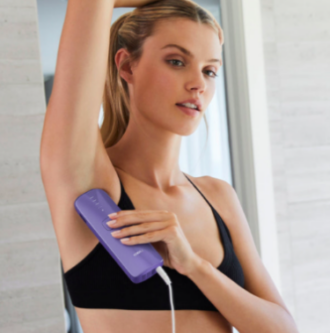
Electrolysis vs Laser Hair Removal: Which Is Better?
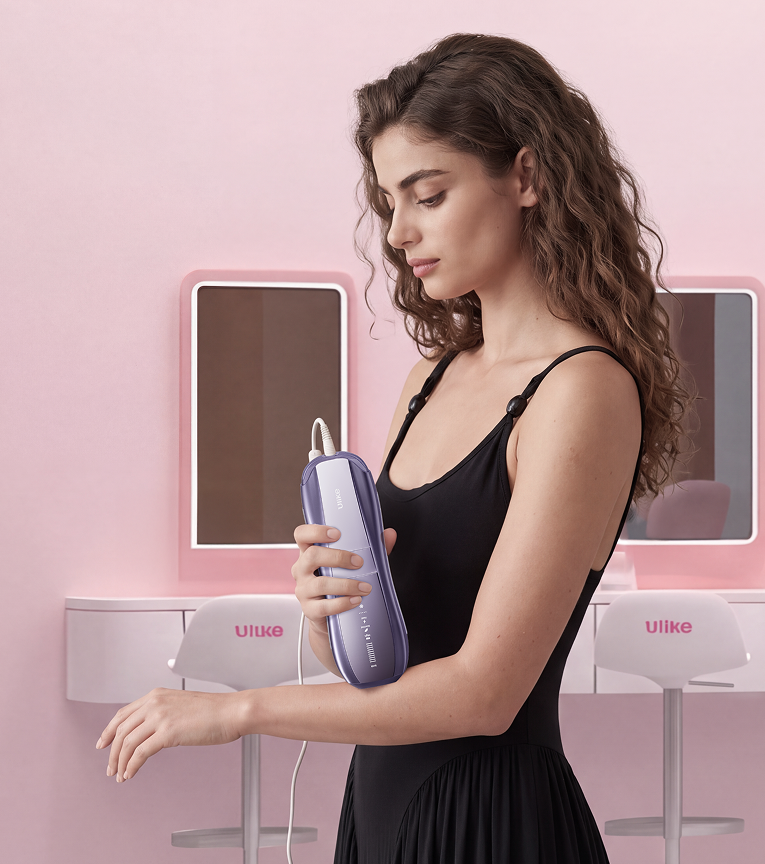
Best Female Facial Hair Remover: Which One Suits You?

Explore Beauty
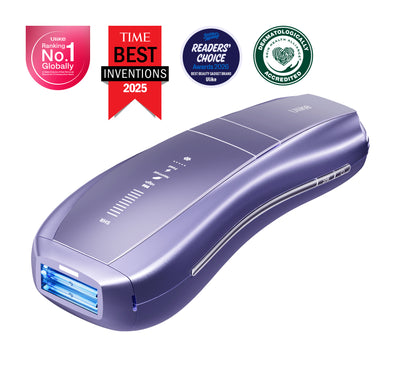
Ulike Air 10
2 weeks to silky smooth skin.
96% Hair Density Reduction in 2 Weeks
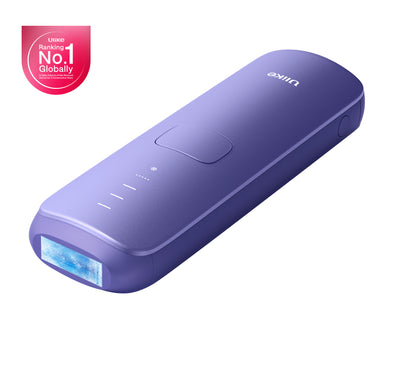
Ulike Air 3
3 weeks to silky smooth skin.
93% Hair Density Reduction in 4 Weeks
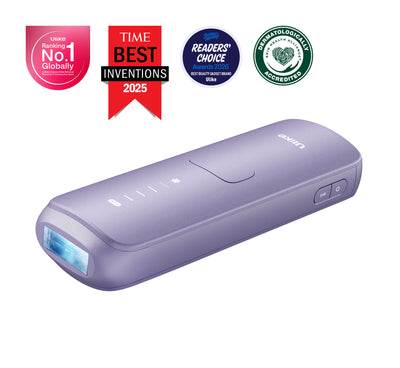
Ulike Air 4
4 weeks to silky smooth skin.
95.8% hair reduction in just 2 weeks*
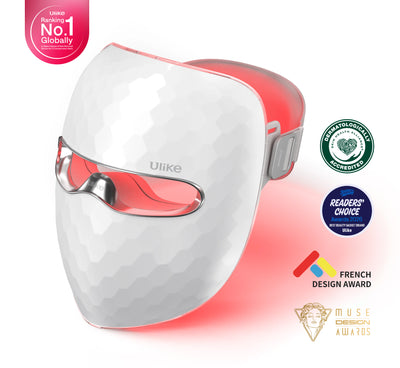
Ulike Reglow
Clearer skin in 2 weeks: Fewer breakouts
Smoother skin in 4 weeks: Fewer lines, firmer feel