Hair Removal

What Is the Best Method to Remove Armpit Hair?

If underarm hair removal feels like a never-ending chore, you’re not imagining it. The underarms are a high-friction area, they sweat easily, and the skin folds and rubs all day. That combo makes irritation, bumps, and ingrown hairs more common here than on flatter areas like legs. The truth is there’s no single “best” method for everyone. The best choice depends on how long you want results to last, how sensitive your skin is, your comfort with pain, and what you want to spend over time. In this guide, you’ll learn the safest options, the most painless option, how often you may need to remove hair, and the side effects to watch for (so you can avoid the usual underarm drama). Start with what matters most to you: speed, smoothness, pain, or long-term results Before comparing every method, sort yourself into a simple “this sounds like me” bucket. It saves time and helps you pick a method you’ll actually keep up with. “I need it gone today.” Choose shaving (fastest), or a depilatory cream if you want no stubble for a little longer and your skin tolerates it. “I want smooth for weeks.” Choose waxing or an epilator (both remove hair from the root, so you stay smoother longer). “I want the least pain.” Start with careful shaving (often the most comfortable) or depilatory cream (painless for many people, but you must patch test). “I want less hair long term.” Choose professional laser, at-home IPL, or electrolysis (best for long-term reduction, with different costs and timelines). One more thing that helps set expectations: hair regrowth speed varies with hormones and genetics. Also, removing hair doesn’t change how fast follicles produce it. Methods can change how hair feels as it grows back, but they don’t “train” follicles to grow faster. Is it a good idea to remove armpit hair, or should you leave it alone? It’s a personal choice. People remove underarm hair for a smoother feel, a cleaner look, sports comfort, or easier odor management (less hair can mean less sweat trapped). Others keep it because it feels more comfortable, or because they’re tired of irritation. Underarm hair is normal, and it’s not required for hygiene. Clean skin, regular washing, and breathable clothing matter more than hair presence. If you want a balanced take on hygiene myths, this is helpful: Is armpit hair unhygienic? Why does underarm hair seem to grow so fast, and can it ever stop growing? Underarm hair is influenced by androgens (hormones present in all genders). It can feel like it grows “overnight” because the area is small, and short regrowth turns into noticeable stubble fast. Shaving also creates a blunt tip, so regrowth can look darker or thicker, even though shaving doesn’t change the follicle. Hair may slow with age or hormonal shifts. For many people, the only reliable ways to reduce growth long term are follicle-targeting methods like laser, IPL, or electrolysis. It usually doesn’t stop entirely on its own. Compare the most common armpit hair removal methods, with honest pros, cons, and side effects Underarms punish rough technique. No matter which method you pick, prioritize patch testing (when relevant), clean tools, and calm aftercare. If you get repeat rashes, folliculitis, or darkening that doesn’t fade, it’s smart to check in with a dermatologist. Here’s a quick snapshot of what most people can expect: Method What it feels like Typical results last Common side effects Shaving Usually mild 1 to 3 days Razor burn, cuts, itch, ingrowns Waxing Ouch then done 3 to 6 weeks Redness, bumps, ingrowns Depilatory cream Often painless 1 to 2 weeks Irritation, dark marks if over-timed Epilator Pinchy at first 3 to 4 weeks Redness, ingrowns Pro laser Hot snaps Months to longer Temporary redness, pigment risk At-home IPL Warm flashes Ongoing reduction Mild redness if overused Electrolysis Sharp prick Permanent over time Swelling, scabbing, pigment risk Quick and easy: shaving (best for last-minute touch-ups) Shaving is the fastest fix, usually the easiest on your wallet, and often the most painless if your skin tolerates blades. The tradeoff is upkeep. Many people need to shave every 2 to 3 days (sometimes daily) to stay smooth. Common issues include razor burn, nicks, itching, and ingrown hairs, especially because deodorant and friction hit the area right after. Three simple ways to shave with less irritation: Shave on wet skin with plenty of slip (shave gel or a gentle cleanser). Use a sharp blade (dull blades tug and scrape). Moisturize after, then wait a bit before applying deodorant if it stings. Smoother for weeks: waxing and epilators (hair pulled from the root) Waxing and epilators remove hair from the root, so you get a longer smooth phase. Waxing often lasts about 3 to 6 weeks, and epilators commonly give around 3 to 4 weeks for underarms, depending on growth cycles. The downside is pain, especially the first few times. Redness and tenderness are common for a day, and ingrown hairs can pop up if the skin gets clogged or irritated. Be extra careful if you use strong exfoliants or retinoids around the area, since skin can be more reactive. Quick calming tip: for 24 hours, skip heavy fragrance and keep the area clean and quiet, then resume gentle routine. Painless but tricky: depilatory creams (and why patch testing matters) Depilatory creams dissolve hair at the skin surface, so removal is painless for many people. They’re also fast, which is appealing when you don’t want to deal with blades. The catch is sensitivity. Underarm skin can react, and leaving cream on too long can lead to irritation or dark marks (hyperpigmentation). The smell can also be a deal-breaker. Safer use steps: Patch test first. Follow timing exactly, don’t “round up.” Never use on broken or freshly shaved skin. Rinse well and moisturize. Longest-lasting reduction: laser, at-home IPL, and electrolysis If your goal is less hair over time, follicle-targeting methods win. Laser and IPL target pigment (melanin) in the hair to disrupt the growth cycle. They tend to work best on darker hair, and suitability can depend on skin tone and recent sun exposure. Electrolysis treats each follicle one by one and is considered permanent, but it’s slower, can hurt more, and takes many sessions. Timelines vary, but many people notice meaningful change after several sessions (often 6 to 8). Professional laser appointments are spaced weeks apart. At-home IPL is usually used a few times per week at the start, then moved to maintenance once regrowth slows. Comfort matters too. Cooling features can make underarms easier to treat at home. If you’re curious how cooling is designed for comfort, see Ice Cooling technology. For background on device research, patents, and testing approach, Ulike Labs offers more detail. As a brand credibility note, Ulike reports over 1,000 global patents, a large in-house R&D team (100+ experts), and global reach across dozens of countries. Frost and Sullivan also reported Ulike ranked No. 1 in global IPL device sales by 2023 sales volume (research completed October 2024). So what is the best method for armpit hair removal for most people? For most people, “best” means smooth results without constant work and without turning underarms into a rash zone. Here’s a practical ranking by goal: Best overall for long-term results with low daily effort: At-home IPL or professional laser for many people You invest time upfront, then maintenance is lighter. It also tends to mean fewer ingrowns than constant shaving for some users. Best for the fastest fix: Shaving It’s the easiest option for last-minute plans, as long as you shave gently and care for the skin after. Best for weeks of smoothness without devices: Waxing Great when you want a longer break between sessions, and you can tolerate some discomfort. If you have sensitive skin, start gentle and change one thing at a time. Avoid fragrance right after hair removal, and test new methods on a small patch. Myth buster: Plucking doesn’t make hair stop growing, and it doesn’t change thickness. You’d have to pluck many times, and even then results vary. Some people notice less density over time due to follicle damage, but it’s not reliable (and it’s painful for underarms). How often should you remove armpit hair with each method? Shaving: every 2 to 3 days Depilatory creams: every 1 to 2 weeks Waxing: every 3 to 6 weeks Epilator: every 3 to 4 weeks Professional laser: sessions spaced weeks apart, then touch-ups as needed At-home IPL: a few times per week early on, then maintenance Electrolysis: multiple sessions over months Your schedule should match your comfort level and your regrowth speed. A simple aftercare routine to prevent bumps, smell, and dark marks Rinse the area, then pat dry (don’t scrub). Apply a gentle, fragrance-free moisturizer. If deodorant stings, wait several hours, or use a milder formula that day. Wear looser fabric to cut friction. The next day, do light exfoliation (not immediately after hair removal) to help prevent ingrowns. Stop and get medical advice if you get severe burning, blistering, pus, or a rash that spreads. Conclusion The best method to remove armpit hair depends on what you care about most: speed, weeks of smoothness, minimal pain, or long-term reduction. Pick a plan you can stick with, because consistency is what keeps irritation down and results up. Many people also combine methods, like shaving between longer-term reduction sessions. If you want to learn more about at-home light-based hair reduction and the research behind these devices, explore the Ulike educational pages linked above and compare what fits your skin and schedule.
Jan 22, 2026
Share:

Up to 40% Off
& Free Gifts

Learn More
Table of Contents

If underarm hair removal feels like a never-ending chore, you’re not imagining it. The underarms are a high-friction area, they sweat easily, and the skin folds and rubs all day. That combo makes irritation, bumps, and ingrown hairs more common here than on flatter areas like legs.

The truth is there’s no single “best” method for everyone. The best choice depends on how long you want results to last, how sensitive your skin is, your comfort with pain, and what you want to spend over time.

In this guide, you’ll learn the safest options, the most painless option, how often you may need to remove hair, and the side effects to watch for (so you can avoid the usual underarm drama).

Start with what matters most to you: speed, smoothness, pain, or long-term results

Before comparing every method, sort yourself into a simple “this sounds like me” bucket. It saves time and helps you pick a method you’ll actually keep up with.

  • “I need it gone today.”
    Choose shaving (fastest), or a depilatory cream if you want no stubble for a little longer and your skin tolerates it.
  • “I want smooth for weeks.”
    Choose waxing or an epilator (both remove hair from the root, so you stay smoother longer).
  • “I want the least pain.”
    Start with careful shaving (often the most comfortable) or depilatory cream (painless for many people, but you must patch test).
  • “I want less hair long term.”
    Choose professional laser, at-home IPL, or electrolysis (best for long-term reduction, with different costs and timelines).

One more thing that helps set expectations: hair regrowth speed varies with hormones and genetics. Also, removing hair doesn’t change how fast follicles produce it. Methods can change how hair feels as it grows back, but they don’t “train” follicles to grow faster.

Is it a good idea to remove armpit hair, or should you leave it alone?

It’s a personal choice. People remove underarm hair for a smoother feel, a cleaner look, sports comfort, or easier odor management (less hair can mean less sweat trapped). Others keep it because it feels more comfortable, or because they’re tired of irritation.

Underarm hair is normal, and it’s not required for hygiene. Clean skin, regular washing, and breathable clothing matter more than hair presence. If you want a balanced take on hygiene myths, this is helpful: Is armpit hair unhygienic?

Why does underarm hair seem to grow so fast, and can it ever stop growing?

Underarm hair is influenced by androgens (hormones present in all genders). It can feel like it grows “overnight” because the area is small, and short regrowth turns into noticeable stubble fast.

Shaving also creates a blunt tip, so regrowth can look darker or thicker, even though shaving doesn’t change the follicle. Hair may slow with age or hormonal shifts. For many people, the only reliable ways to reduce growth long term are follicle-targeting methods like laser, IPL, or electrolysis. It usually doesn’t stop entirely on its own.

Compare the most common armpit hair removal methods, with honest pros, cons, and side effects

Underarms punish rough technique. No matter which method you pick, prioritize patch testing (when relevant), clean tools, and calm aftercare. If you get repeat rashes, folliculitis, or darkening that doesn’t fade, it’s smart to check in with a dermatologist.

Here’s a quick snapshot of what most people can expect:

Method What it feels like Typical results last Common side effects
Shaving Usually mild 1 to 3 days Razor burn, cuts, itch, ingrowns
Waxing Ouch then done 3 to 6 weeks Redness, bumps, ingrowns
Depilatory cream Often painless 1 to 2 weeks Irritation, dark marks if over-timed
Epilator Pinchy at first 3 to 4 weeks Redness, ingrowns
Pro laser Hot snaps Months to longer Temporary redness, pigment risk
At-home IPL Warm flashes Ongoing reduction Mild redness if overused
Electrolysis Sharp prick Permanent over time Swelling, scabbing, pigment risk

Quick and easy: shaving (best for last-minute touch-ups)

Shaving is the fastest fix, usually the easiest on your wallet, and often the most painless if your skin tolerates blades. The tradeoff is upkeep. Many people need to shave every 2 to 3 days (sometimes daily) to stay smooth.

Common issues include razor burn, nicks, itching, and ingrown hairs, especially because deodorant and friction hit the area right after.

Three simple ways to shave with less irritation:

  1. Shave on wet skin with plenty of slip (shave gel or a gentle cleanser).
  2. Use a sharp blade (dull blades tug and scrape).
  3. Moisturize after, then wait a bit before applying deodorant if it stings.

Smoother for weeks: waxing and epilators (hair pulled from the root)

Waxing and epilators remove hair from the root, so you get a longer smooth phase. Waxing often lasts about 3 to 6 weeks, and epilators commonly give around 3 to 4 weeks for underarms, depending on growth cycles.

The downside is pain, especially the first few times. Redness and tenderness are common for a day, and ingrown hairs can pop up if the skin gets clogged or irritated. Be extra careful if you use strong exfoliants or retinoids around the area, since skin can be more reactive.

Quick calming tip: for 24 hours, skip heavy fragrance and keep the area clean and quiet, then resume gentle routine.

Painless but tricky: depilatory creams (and why patch testing matters)

Depilatory creams dissolve hair at the skin surface, so removal is painless for many people. They’re also fast, which is appealing when you don’t want to deal with blades.

The catch is sensitivity. Underarm skin can react, and leaving cream on too long can lead to irritation or dark marks (hyperpigmentation). The smell can also be a deal-breaker.

Safer use steps:

  • Patch test first.
  • Follow timing exactly, don’t “round up.”
  • Never use on broken or freshly shaved skin.
  • Rinse well and moisturize.

Longest-lasting reduction: laser, at-home IPL, and electrolysis

If your goal is less hair over time, follicle-targeting methods win.

  • Laser and IPL target pigment (melanin) in the hair to disrupt the growth cycle. They tend to work best on darker hair, and suitability can depend on skin tone and recent sun exposure.
  • Electrolysis treats each follicle one by one and is considered permanent, but it’s slower, can hurt more, and takes many sessions.

Timelines vary, but many people notice meaningful change after several sessions (often 6 to 8). Professional laser appointments are spaced weeks apart. At-home IPL is usually used a few times per week at the start, then moved to maintenance once regrowth slows.

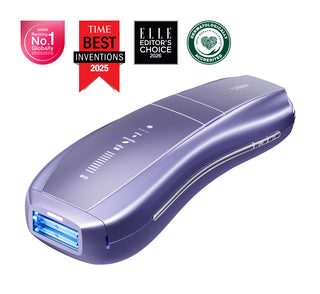
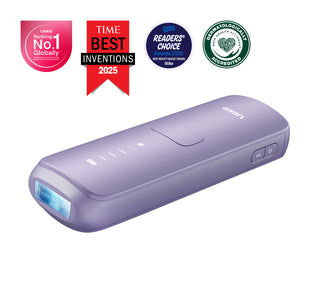
Comfort matters too. Cooling features can make underarms easier to treat at home. If you’re curious how cooling is designed for comfort, see Ice Cooling technology. For background on device research, patents, and testing approach, Ulike Labs offers more detail.

As a brand credibility note, Ulike reports over 1,000 global patents, a large in-house R&D team (100+ experts), and global reach across dozens of countries. Frost and Sullivan also reported Ulike ranked No. 1 in global IPL device sales by 2023 sales volume (research completed October 2024).

So what is the best method for armpit hair removal for most people?

For most people, “best” means smooth results without constant work and without turning underarms into a rash zone. Here’s a practical ranking by goal:

  • Best overall for long-term results with low daily effort: At-home IPL or professional laser for many people
    You invest time upfront, then maintenance is lighter. It also tends to mean fewer ingrowns than constant shaving for some users.
  • Best for the fastest fix: Shaving
    It’s the easiest option for last-minute plans, as long as you shave gently and care for the skin after.
  • Best for weeks of smoothness without devices: Waxing
    Great when you want a longer break between sessions, and you can tolerate some discomfort.

If you have sensitive skin, start gentle and change one thing at a time. Avoid fragrance right after hair removal, and test new methods on a small patch.

Myth buster: Plucking doesn’t make hair stop growing, and it doesn’t change thickness. You’d have to pluck many times, and even then results vary. Some people notice less density over time due to follicle damage, but it’s not reliable (and it’s painful for underarms).

How often should you remove armpit hair with each method?

  • Shaving: every 2 to 3 days
  • Depilatory creams: every 1 to 2 weeks
  • Waxing: every 3 to 6 weeks
  • Epilator: every 3 to 4 weeks
  • Professional laser: sessions spaced weeks apart, then touch-ups as needed
  • At-home IPL: a few times per week early on, then maintenance
  • Electrolysis: multiple sessions over months

Your schedule should match your comfort level and your regrowth speed.

A simple aftercare routine to prevent bumps, smell, and dark marks

Rinse the area, then pat dry (don’t scrub). Apply a gentle, fragrance-free moisturizer. If deodorant stings, wait several hours, or use a milder formula that day. Wear looser fabric to cut friction.

The next day, do light exfoliation (not immediately after hair removal) to help prevent ingrowns. Stop and get medical advice if you get severe burning, blistering, pus, or a rash that spreads.

Conclusion

The best method to remove armpit hair depends on what you care about most: speed, weeks of smoothness, minimal pain, or long-term reduction. Pick a plan you can stick with, because consistency is what keeps irritation down and results up. Many people also combine methods, like shaving between longer-term reduction sessions.

If you want to learn more about at-home light-based hair reduction and the research behind these devices, explore the Ulike educational pages linked above and compare what fits your skin and schedule.


Previous
Does IPL Permanently Get Rid of Hair? What “Permanent” Really Means
Next
How to Make Armpit Hair Stop Growing (What Actually Works)
Share:
Default blog image

How to Make Armpit Hair Stop Growing (What Actually Works)

If you want armpit hair to stop growing, it helps to set the right expectation first. You have th...
Jan 22, 2026
Default blog image

What Is the Best Method to Remove Armpit Hair?

If underarm hair removal feels like a never-ending chore, you’re not imagining it. The underarms ...
Jan 22, 2026
Default blog image

Does IPL Permanently Get Rid of Hair? What “Permanent” Really Means

You’ve probably heard the promise: permanent hair removal at home. Then reality hits, hair still ...
Jan 21, 2026

Need guidance?

Get a free one-on-one consultation

TALK TO AN EXPERT

Explore Beauty

Ulike Air 10

2 weeks to silky smooth skin.

96% Hair Density Reduction in 2 Weeks

Ulike Air 3

3 weeks to silky smooth skin.

93% Hair Density Reduction in 4 Weeks

Ulike X

3 weeks to silky smooth skin.

94% hair reduction in just 2 weeks*

Ulike Reglow LED face mask red light therapy device

Ulike Reglow

Clearer skin in 2 weeks: Fewer breakouts
Smoother skin in 4 weeks: Fewer lines, firmer feel

Leave a comment

All comments are moderated before being published.

Back to top