Do LED Masks Really Work? A Clear Guide Before You Buy
LED Light Mask

Do LED Masks Really Work? A Clear Guide Before You Buy

Scroll through TikTok or Instagram and you see them everywhere: glowing robot faces, spa selfies, and bold promises of glass skin in weeks. The LED face mask has moved from clinic to couch, and now sits in many beauty carts. No wonder so many women are asking, “Do the LED mask really work, or is it just hype?” This guide is for you if you are LED‑curious, already using a Led face Mask, or thinking about investing in one. You will get simple, evidence-based answers on how LED light works on skin, what results are realistic, who benefits most, safety basics, and how to choose and use a mask wisely. It is information, not medical advice, so always check with your own doctor about your skin.   LED face mask used during a calm evening routine. Image created with AI.   What Is an LED Face Mask and How Does It Work? LED Face Mask Basics: What You Are Actually Putting On Your Skin An LED face mask is a light therapy device that fits over your face like a shield or helmet. Inside, tiny LED bulbs shine colored light on your skin. Most masks include: A hard plastic or soft silicone shell Arrays of LEDs Straps to hold it in place Eye cutouts or built‑in shields A timer or preset programs Some tools treat only small areas, like wands or spot devices. Clinics often use large LED panels that sit above your face. In this guide, the focus is the full-face mask you use at home. LED masks use non‑UV light. They do not tan, burn, or peel the skin, so they feel very different from lasers or peels. How LED Light Touches the Skin From the Inside Out Light is measured in wavelengths, which you can think of as “colors with a job.” Different wavelengths reach different skin depths. When LED light hits your skin, it is absorbed by cells and gives them a small energy boost. That extra energy helps cells repair, calm inflammation, or make more collagen. The mask does this without feeling hot or damaging the surface. Brands usually offer several colors in one device, each linked to a skin goal. What Different LED Colors Are Supposed To Do Here is the simple breakdown used in most research: Red light: Supports collagen, softens fine lines, improves glow. Blue light: Targets acne-causing bacteria, helps with breakouts and oil. Near‑infrared light: Goes deeper, supports healing and firmness. Some masks also use: Green light: Marketed for dark spots and uneven tone. Amber or yellow light: Marketed to calm redness and sensitivity. Claims for green and amber are less studied than red, blue, and near‑infrared. Color is only one part of the story. Power level, treatment time, and consistency are just as important. If you want a deeper comparison of wavelengths and devices, you can check the best LED face mask guide 2025 later. Do LED Masks Really Work? What Science Says About Results Evidence for Wrinkles, Firmness, and Glow Recent clinical trials up to 2025 show that red and near‑infrared LED can improve fine lines and texture when used often over weeks. Studies on at‑home masks report: Smoother crow’s feet and fine lines after about 8 to 12 weeks Better firmness and brightness over 12 to 16 weeks of regular use Some fading of dark spots along with more even tone Results are real but modest. Think “soft-focus filter,” not full face‑lift. Deep wrinkles or major sagging usually need stronger treatments. Evidence for Acne, Redness, and Oil Control Blue light, often paired with red, has good data for mild to moderate acne. Women using LED several times a week for at least 8 to 12 weeks often see: Fewer inflamed breakouts Faster healing of pimples Less redness and a calmer look Severe or cystic acne usually still needs prescription care. In that case, LED is best as a helper, not the main treatment. At-Home LED Face Masks vs Professional LED Treatments Both home masks and clinic devices use similar wavelengths. The big difference is power and control. Clinic LED: Higher power, more precise settings, fewer sessions needed, higher cost. Home LED: Lower power, safer for unsupervised use, needs more frequent sessions and patience. Set your expectations for slow, steady gains at home. For fast, dramatic change, see a professional. What LED Masks Can and Cannot Do for Your Skin LED masks can often help with: Early fine lines and mild laxity Dull or “tired” skin Mild to moderate acne Some redness and sensitivity They are limited for: Deep wrinkles and strong sagging Severe or cystic acne Large pores from genetics Stubborn melasma or complex pigment problems Think of an LED mask as one tool in a larger routine, not a stand‑alone fix. Common Myths About LED Masks, Debunked Myth: LED erases wrinkles in a few days.Truth: Most users need 8 to 12 weeks of steady use to notice changes. Myth: Stronger light is always better.Truth: Too much power can irritate or harm skin; safe doses are tested. Myth: All masks are the same.Truth: Wavelengths, power, coverage, and testing differ a lot between brands. Myth: If it does not tingle or feel hot, it is not working.Truth: LED should feel gentle. Sensation is not a sign of success. Fake or untested devices are not equal to well‑designed, clinically tested masks such as the Ulike ReGlow LED Light Therapy Mask. Safety, Side Effects, and Who Should Be Careful With LED Masks How Safe Are LED Face Masks for Everyday Use? Because they use non‑UV light and do not break the skin, LED masks are usually low risk when used as directed. Many home devices are tested and some are cleared by regulators. Temporary redness, mild dryness, or a warm feeling can appear, but they tend to fade quickly after each session. Possible Side Effects and When To Stop Using Your Mask Common mild effects: Short‑term redness or tightness Mild headache Eye strain from bright light Stop use and call a professional if you feel: Stinging, burning, or pain Swelling, strong new redness, or worsening acne Any vision changes or eye pain Do not stack long sessions to “catch up.” More time in one day does not mean better results. Who Should Talk to a Doctor Before Using an LED Mask Get medical advice first if you: Have photosensitive conditions, like lupus Have melasma or very stubborn dark spots Have severe acne or active skin infections Have very reactive, eczema‑prone, or rosacea‑prone skin Take photosensitizing drugs, such as some antibiotics, acne pills, or mood medications Pregnant or breastfeeding women should ask their OB‑GYN or dermatologist before starting any LED mask, since long‑term data is still limited. Smart Safety Habits for At-Home LED Treatments Pick reputable brands with testing or clearance Use built‑in eye shields; avoid looking straight at the LEDs Keep the recommended distance from your eyes Do not use on open wounds, fresh peels, or infected areas unless your doctor says it is okay Follow the manual on session length and frequency For broader skincare basics that pair well with LED, see this beginner’s guide to building a skincare routine. How To Choose and Use an LED Face Mask for Real Results Different LED colors target different skin concerns. Image created with AI. Key Features That Make an LED Face Mask Worth the Money Look for: Proven wavelengths for red, blue, and near‑infrared Even light coverage over the whole face A comfortable, secure fit Strong eye protection design Simple timers or preset modes Very cheap masks may have weak light, patchy coverage, or no safety testing. A solid mid‑range, tested device usually gives the best balance of price and results. Matching the Mask to Your Main Skin Goal Anti‑aging and fine lines: Red plus near‑infrared, good comfort for long‑term use. Acne and breakouts: Blue plus red, programs you can use several times a week. Redness or sensitivity: Gentle red or near‑infrared only, soft materials. Most deeper skin tones can use LED safely, but still follow time limits and watch for extra darkening if you have a history of pigment issues. How To Use an LED Face Mask Step by Step Simple nightly routine with an LED mask. Image created with AI. A simple routine: Wash your face and remove all makeup and sunscreen. Pat dry. Put on the mask and run the program, usually 10 to 20 minutes. Apply a gentle serum or moisturizer. If it is daytime, finish with sunscreen. Most studies use LED several times per week for at least 8 to 12 weeks before judging results. Strong acids and prescription retinoids can be too harsh right around LED time, so many women use them on alternate nights. Tracking Your Results and Knowing When To Adjust Take clear, no‑filter photos in the same lighting every 2 to 4 weeks. Keep short notes on breakouts, texture, or redness. If skin gets dry or touchy, shorten sessions or use the mask less often. If you see no change after 12 to 16 weeks of steady use, consider a stronger device, a clinic treatment, or a dermatologist visit. Pause use if you start new medications, have major health changes, or plan in‑office treatments that may interact with light. When an LED Face Mask Is Not Enough and What To Do Next Signs You Need Professional Skincare Help See a dermatologist or licensed provider if you have: Severe or painful cystic acne Sudden or spreading rashes Large dark patches like melasma Deep etched wrinkles or strong sagging In these cases, stronger tools such as prescription creams, in‑office LED, lasers, peels, microneedling, or injectables often work better. Your mask can still play a support role. How To Fit an LED Mask Into a Bigger Skin Plan Use your LED mask between clinic visits to support healing and glow, or pair it with a simple, gentle routine at home. Share your device model with your dermatologist so they can guide settings and timing for your skin goals. Quick FAQ: Short Answers To Common LED Mask Questions Do LED masks really work for fine lines and wrinkles?Yes, for early lines and mild laxity, with regular use over months. Do LED masks really work for hormonal or cystic acne?They may help a bit, but prescription treatments are usually needed. Do the LED mask really work if I have deeper skin tone?Often yes, but monitor for any darkening and follow time limits. How long does it take to see results?Small changes in 2 to 4 weeks, clearer results in 8 to 12 weeks. Are LED masks safe to use every day?Some are, but start 3 to 5 times a week and follow your manual. Can an LED mask damage my eyes?It can if you stare into bare LEDs; always use proper eye protection. Can I use an LED mask if I am pregnant or breastfeeding?Maybe, but always ask your doctor first. Is it safe to use an LED mask with retinol or tretinoin?Often yes, if you separate them in time and watch for irritation. Can an LED mask make hyperpigmentation or melasma worse?It can if your skin is very reactive; talk with a dermatologist first. How often should I use an LED mask for the best results?Most women do best with 3 to 5 sessions per week. Conclusion: Are LED Masks Worth It For You? LED face masks do work, but they work slowly and modestly. Women who usually feel happy with a Led face Mask are those with early aging signs, mild to moderate acne, dullness, or mild redness, and who are willing to use the device often for several months. Keep your expectations realistic, protect your eyes, and listen to your skin. If you want small but real improvements at home, a well‑tested mask can be a smart buy. If your concerns are severe, it may be better to save for a higher‑quality device, invest in clinic care, or talk with a dermatologist first.
Dec 12, 2025
Share:

Up to 40% Off
& Free Gifts

Learn More
Table of Contents

Scroll through TikTok or Instagram and you see them everywhere: glowing robot faces, spa selfies, and bold promises of glass skin in weeks. The LED face mask has moved from clinic to couch, and now sits in many beauty carts.

No wonder so many women are asking, “Do the LED mask really work, or is it just hype?”

This guide is for you if you are LED‑curious, already using a Led face Mask, or thinking about investing in one. You will get simple, evidence-based answers on how LED light works on skin, what results are realistic, who benefits most, safety basics, and how to choose and use a mask wisely. It is information, not medical advice, so always check with your own doctor about your skin.


Woman relaxing wearing a glowing LED face mask in a cozy bedroom

LED face mask used during a calm evening routine. Image created with AI.


What Is an LED Face Mask and How Does It Work?

LED Face Mask Basics: What You Are Actually Putting On Your Skin

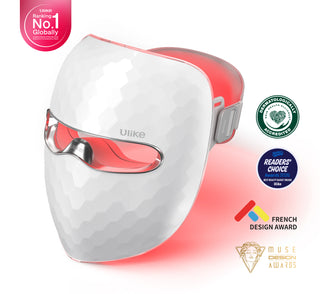
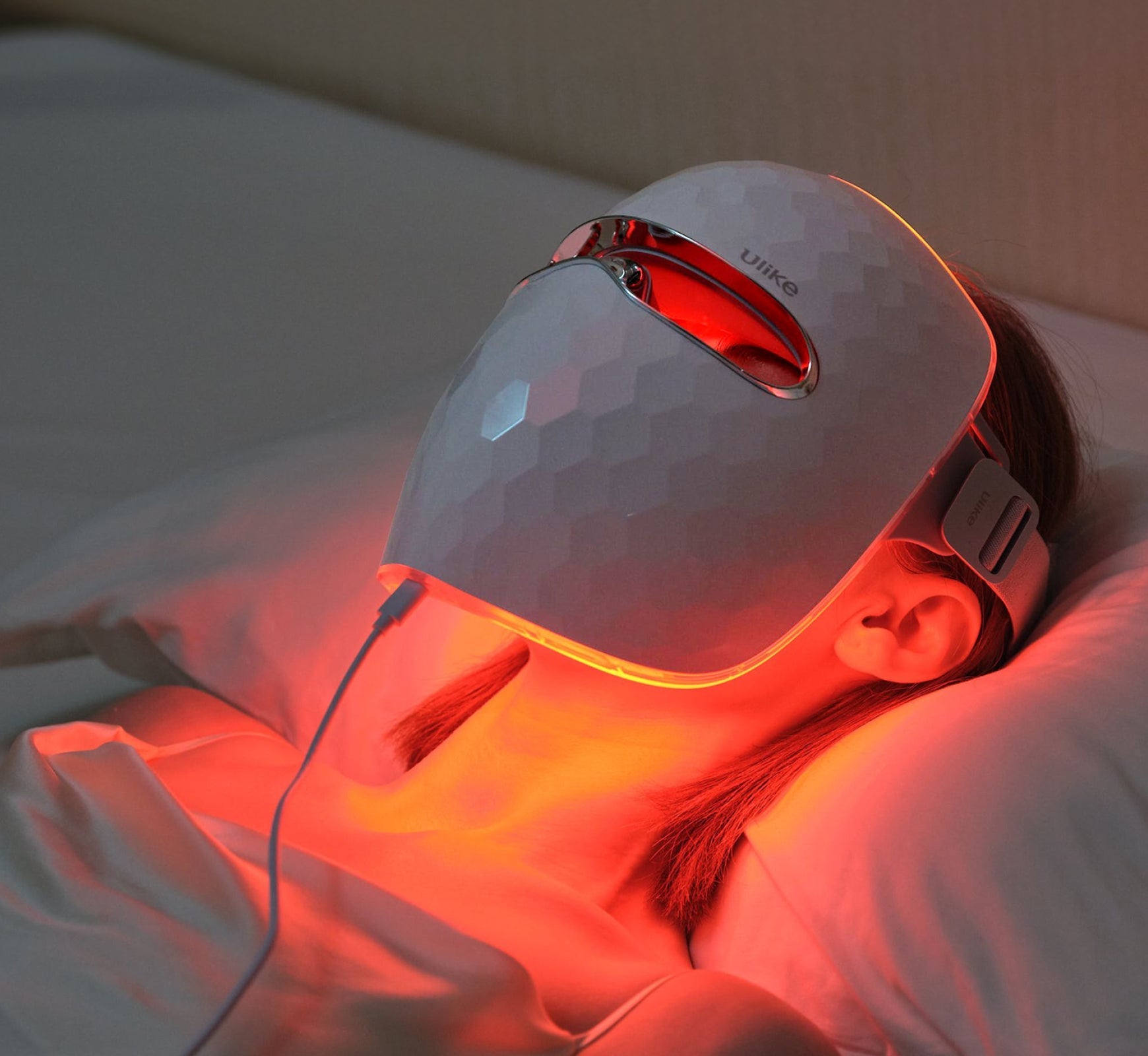
An LED face mask is a light therapy device that fits over your face like a shield or helmet. Inside, tiny LED bulbs shine colored light on your skin.

Most masks include:

  • A hard plastic or soft silicone shell
  • Arrays of LEDs
  • Straps to hold it in place
  • Eye cutouts or built‑in shields
  • A timer or preset programs

Some tools treat only small areas, like wands or spot devices. Clinics often use large LED panels that sit above your face. In this guide, the focus is the full-face mask you use at home.

LED masks use non‑UV light. They do not tan, burn, or peel the skin, so they feel very different from lasers or peels.

How LED Light Touches the Skin From the Inside Out

Light is measured in wavelengths, which you can think of as “colors with a job.” Different wavelengths reach different skin depths.

When LED light hits your skin, it is absorbed by cells and gives them a small energy boost. That extra energy helps cells repair, calm inflammation, or make more collagen. The mask does this without feeling hot or damaging the surface.

Brands usually offer several colors in one device, each linked to a skin goal.

What Different LED Colors Are Supposed To Do

Here is the simple breakdown used in most research:

  • Red light: Supports collagen, softens fine lines, improves glow.
  • Blue light: Targets acne-causing bacteria, helps with breakouts and oil.
  • Near‑infrared light: Goes deeper, supports healing and firmness.

Some masks also use:

  • Green light: Marketed for dark spots and uneven tone.
  • Amber or yellow light: Marketed to calm redness and sensitivity.

Claims for green and amber are less studied than red, blue, and near‑infrared. Color is only one part of the story. Power level, treatment time, and consistency are just as important.

If you want a deeper comparison of wavelengths and devices, you can check the best LED face mask guide 2025 later.

Do LED Masks Really Work? What Science Says About Results

Evidence for Wrinkles, Firmness, and Glow

Recent clinical trials up to 2025 show that red and near‑infrared LED can improve fine lines and texture when used often over weeks.

Studies on at‑home masks report:

  • Smoother crow’s feet and fine lines after about 8 to 12 weeks
  • Better firmness and brightness over 12 to 16 weeks of regular use
  • Some fading of dark spots along with more even tone

Results are real but modest. Think “soft-focus filter,” not full face‑lift. Deep wrinkles or major sagging usually need stronger treatments.

Evidence for Acne, Redness, and Oil Control

Blue light, often paired with red, has good data for mild to moderate acne. Women using LED several times a week for at least 8 to 12 weeks often see:

  • Fewer inflamed breakouts
  • Faster healing of pimples
  • Less redness and a calmer look

Severe or cystic acne usually still needs prescription care. In that case, LED is best as a helper, not the main treatment.

At-Home LED Face Masks vs Professional LED Treatments

Both home masks and clinic devices use similar wavelengths. The big difference is power and control.

  • Clinic LED: Higher power, more precise settings, fewer sessions needed, higher cost.
  • Home LED: Lower power, safer for unsupervised use, needs more frequent sessions and patience.

Set your expectations for slow, steady gains at home. For fast, dramatic change, see a professional.

What LED Masks Can and Cannot Do for Your Skin

LED masks can often help with:

  • Early fine lines and mild laxity
  • Dull or “tired” skin
  • Mild to moderate acne
  • Some redness and sensitivity

They are limited for:

  • Deep wrinkles and strong sagging
  • Severe or cystic acne
  • Large pores from genetics
  • Stubborn melasma or complex pigment problems

Think of an LED mask as one tool in a larger routine, not a stand‑alone fix.

Common Myths About LED Masks, Debunked

  • Myth: LED erases wrinkles in a few days.
    Truth: Most users need 8 to 12 weeks of steady use to notice changes.
  • Myth: Stronger light is always better.
    Truth: Too much power can irritate or harm skin; safe doses are tested.
  • Myth: All masks are the same.
    Truth: Wavelengths, power, coverage, and testing differ a lot between brands.
  • Myth: If it does not tingle or feel hot, it is not working.
    Truth: LED should feel gentle. Sensation is not a sign of success.

Fake or untested devices are not equal to well‑designed, clinically tested masks such as the Ulike ReGlow LED Light Therapy Mask.

Safety, Side Effects, and Who Should Be Careful With LED Masks

How Safe Are LED Face Masks for Everyday Use?

Because they use non‑UV light and do not break the skin, LED masks are usually low risk when used as directed. Many home devices are tested and some are cleared by regulators.

Temporary redness, mild dryness, or a warm feeling can appear, but they tend to fade quickly after each session.

Possible Side Effects and When To Stop Using Your Mask

Common mild effects:

  • Short‑term redness or tightness
  • Mild headache
  • Eye strain from bright light

Stop use and call a professional if you feel:

  • Stinging, burning, or pain
  • Swelling, strong new redness, or worsening acne
  • Any vision changes or eye pain

Do not stack long sessions to “catch up.” More time in one day does not mean better results.

Who Should Talk to a Doctor Before Using an LED Mask

Get medical advice first if you:

  • Have photosensitive conditions, like lupus
  • Have melasma or very stubborn dark spots
  • Have severe acne or active skin infections
  • Have very reactive, eczema‑prone, or rosacea‑prone skin
  • Take photosensitizing drugs, such as some antibiotics, acne pills, or mood medications

Pregnant or breastfeeding women should ask their OB‑GYN or dermatologist before starting any LED mask, since long‑term data is still limited.

Smart Safety Habits for At-Home LED Treatments

  • Pick reputable brands with testing or clearance
  • Use built‑in eye shields; avoid looking straight at the LEDs
  • Keep the recommended distance from your eyes
  • Do not use on open wounds, fresh peels, or infected areas unless your doctor says it is okay
  • Follow the manual on session length and frequency

For broader skincare basics that pair well with LED, see this beginner’s guide to building a skincare routine.

How To Choose and Use an LED Face Mask for Real Results
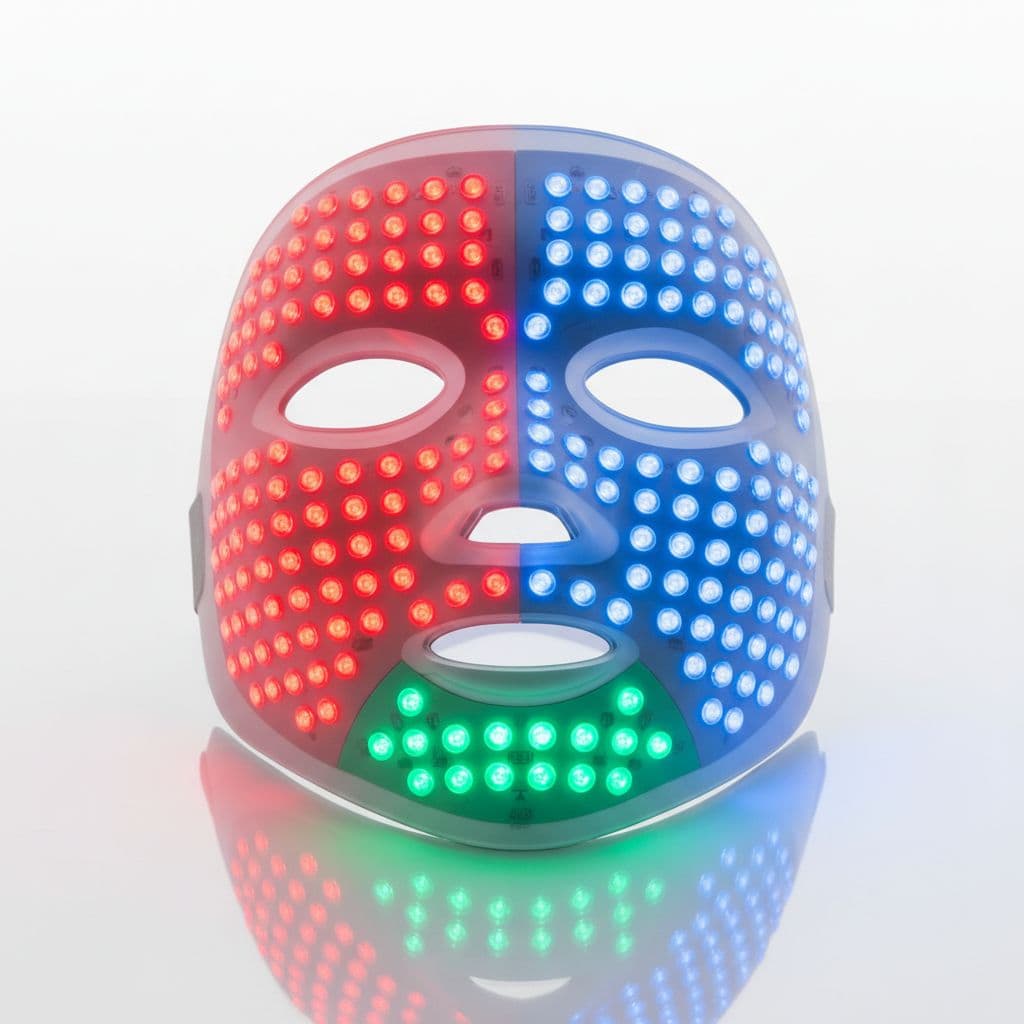
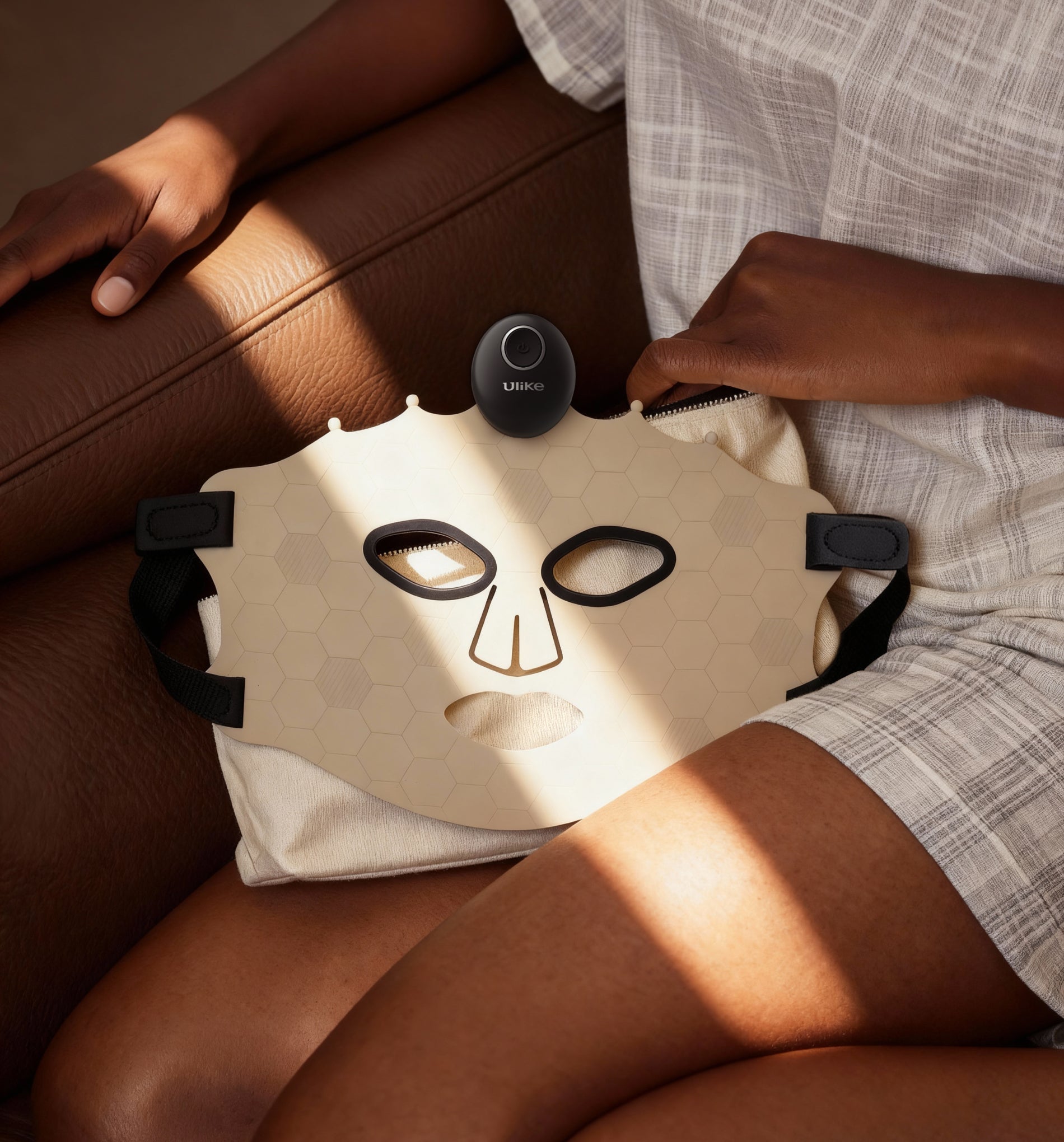
Close-up of a multi-color LED face mask on a clean surface
Different LED colors target different skin concerns. Image created with AI.

Key Features That Make an LED Face Mask Worth the Money

Look for:

  • Proven wavelengths for red, blue, and near‑infrared
  • Even light coverage over the whole face
  • A comfortable, secure fit
  • Strong eye protection design
  • Simple timers or preset modes

Very cheap masks may have weak light, patchy coverage, or no safety testing. A solid mid‑range, tested device usually gives the best balance of price and results.

Matching the Mask to Your Main Skin Goal

  • Anti‑aging and fine lines: Red plus near‑infrared, good comfort for long‑term use.
  • Acne and breakouts: Blue plus red, programs you can use several times a week.
  • Redness or sensitivity: Gentle red or near‑infrared only, soft materials.

Most deeper skin tones can use LED safely, but still follow time limits and watch for extra darkening if you have a history of pigment issues.

How To Use an LED Face Mask Step by Step
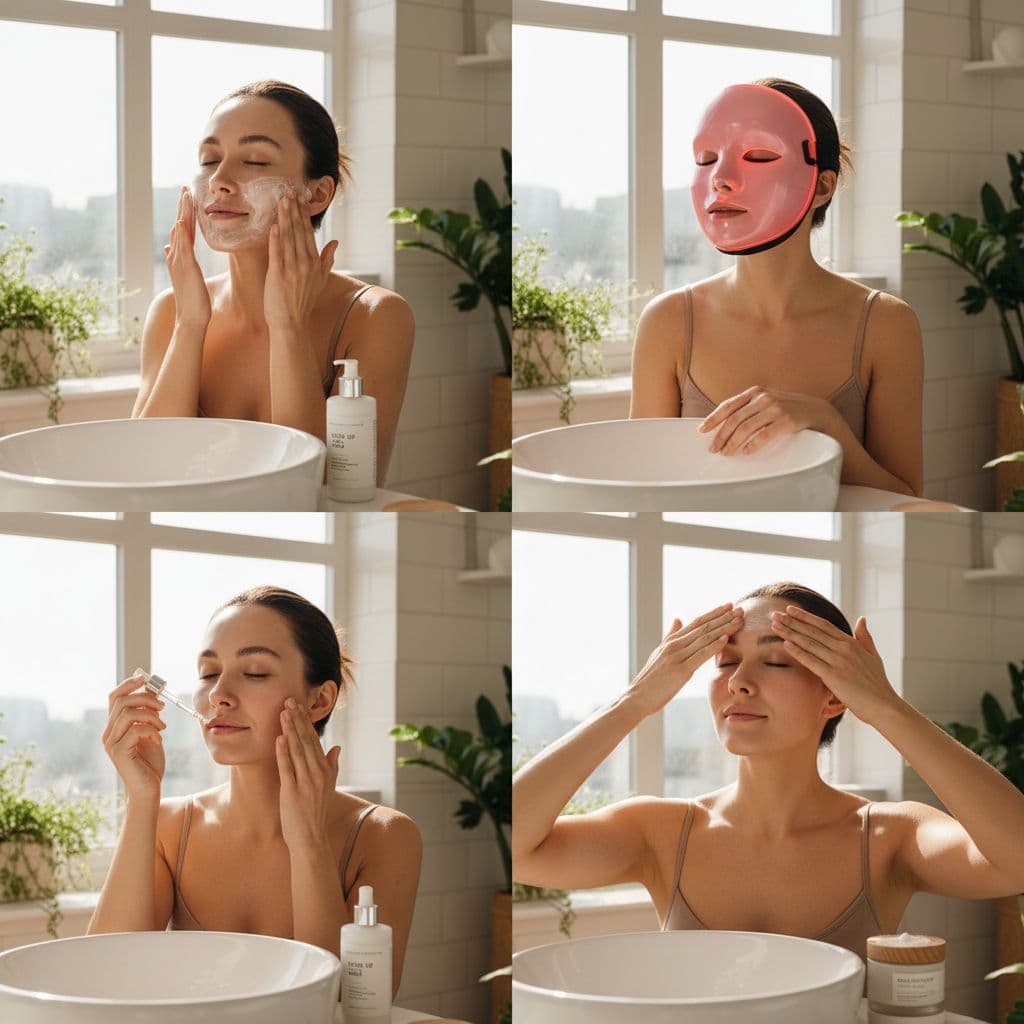
Collage showing cleansing, LED mask use, and post-care skincare
Simple nightly routine with an LED mask. Image created with AI.

A simple routine:

  1. Wash your face and remove all makeup and sunscreen.
  2. Pat dry.
  3. Put on the mask and run the program, usually 10 to 20 minutes.
  4. Apply a gentle serum or moisturizer.
  5. If it is daytime, finish with sunscreen.

Most studies use LED several times per week for at least 8 to 12 weeks before judging results. Strong acids and prescription retinoids can be too harsh right around LED time, so many women use them on alternate nights.

Tracking Your Results and Knowing When To Adjust

  • Take clear, no‑filter photos in the same lighting every 2 to 4 weeks.
  • Keep short notes on breakouts, texture, or redness.
  • If skin gets dry or touchy, shorten sessions or use the mask less often.
  • If you see no change after 12 to 16 weeks of steady use, consider a stronger device, a clinic treatment, or a dermatologist visit.

Pause use if you start new medications, have major health changes, or plan in‑office treatments that may interact with light.

When an LED Face Mask Is Not Enough and What To Do Next

Signs You Need Professional Skincare Help

See a dermatologist or licensed provider if you have:

  • Severe or painful cystic acne
  • Sudden or spreading rashes
  • Large dark patches like melasma
  • Deep etched wrinkles or strong sagging

In these cases, stronger tools such as prescription creams, in‑office LED, lasers, peels, microneedling, or injectables often work better. Your mask can still play a support role.

How To Fit an LED Mask Into a Bigger Skin Plan

Use your LED mask between clinic visits to support healing and glow, or pair it with a simple, gentle routine at home. Share your device model with your dermatologist so they can guide settings and timing for your skin goals.

Quick FAQ: Short Answers To Common LED Mask Questions

Do LED masks really work for fine lines and wrinkles?
Yes, for early lines and mild laxity, with regular use over months.

Do LED masks really work for hormonal or cystic acne?
They may help a bit, but prescription treatments are usually needed.

Do the LED mask really work if I have deeper skin tone?
Often yes, but monitor for any darkening and follow time limits.

How long does it take to see results?
Small changes in 2 to 4 weeks, clearer results in 8 to 12 weeks.

Are LED masks safe to use every day?
Some are, but start 3 to 5 times a week and follow your manual.

Can an LED mask damage my eyes?
It can if you stare into bare LEDs; always use proper eye protection.

Can I use an LED mask if I am pregnant or breastfeeding?
Maybe, but always ask your doctor first.

Is it safe to use an LED mask with retinol or tretinoin?
Often yes, if you separate them in time and watch for irritation.

Can an LED mask make hyperpigmentation or melasma worse?
It can if your skin is very reactive; talk with a dermatologist first.

How often should I use an LED mask for the best results?
Most women do best with 3 to 5 sessions per week.

Conclusion: Are LED Masks Worth It For You?

LED face masks do work, but they work slowly and modestly. Women who usually feel happy with a Led face Mask are those with early aging signs, mild to moderate acne, dullness, or mild redness, and who are willing to use the device often for several months.

Keep your expectations realistic, protect your eyes, and listen to your skin. If you want small but real improvements at home, a well‑tested mask can be a smart buy. If your concerns are severe, it may be better to save for a higher‑quality device, invest in clinic care, or talk with a dermatologist first.
Previous
What Does a LED Face Mask Do for Your Skin?
Share:
What Does a LED Face Mask Do for Your Skin?

What Does a LED Face Mask Do for Your Skin?

You keep seeing glowing robot-style masks on TikTok, your favorite esthetician uses one, and now ...
Dec 12, 2025
best led mask

Is It Safe to Use LED Red Light Face Masks?

The 4 Real Safety Risks (and How Top Brands Compare) 1. UV and Blue Light Contamination Risk: ...
Nov 26, 2025
best led mask

How Long Does LED Face Mask Take to Work? Ulike ReGlow vs. Omnilux vs. CurrentBody

1. Ulike ReGlow: Fast-Tracked Results Clinical Protocol: Mode Time per Session Fre...
Nov 26, 2025

Need guidance?

Get a free one-on-one consultation

TALK TO AN EXPERT

Explore Beauty

Ulike Air 10

2 weeks to silky smooth skin.

96% Hair Density Reduction in 2 Weeks

Ulike Air 3

3 weeks to silky smooth skin.

93% Hair Density Reduction in 4 Weeks

Back to top