What Does a LED Face Mask Do for Your Skin?
LED Light Mask

What Does a LED Face Mask Do for Your Skin?

You keep seeing glowing robot-style masks on TikTok, your favorite esthetician uses one, and now you are wondering: what does a LED face mask actually do for my skin? A LED face mask is a skincare device that uses light-emitting diode (LED) technology. It shines gentle, colored light on your face to help with acne, fine lines, redness, and overall glow. No needles, no peeling, no downtime, just light. These masks are popular because they promise clearer, calmer, brighter skin from your couch. Brands claim they help breakouts, boost collagen, fade redness, and speed up healing. This guide breaks down how LED light therapy works, what results you can really expect, how to use a LED mask safely at home, and how to decide if a Led mask is worth it for you. What Is a LED Face Mask and Why Is Everyone Talking About It? Relaxing at home with a full-face LED mask as part of an evening skincare routine. Image created with AI. Simple explanation of what a LED face mask is A LED face mask is a plastic or flexible mask lined with tiny LED lights on the inside. It covers your whole face, like a shield or visor, with cutouts or built-in covers for your eyes, nose, and mouth. You place the mask over clean skin, adjust the strap so it fits, then turn it on with a button or remote. The mask shines soft red, blue, yellow, green, or near-infrared light onto your skin for a set time, usually 5 to 20 minutes. LED stands for light-emitting diode, a type of low-heat light that can be tuned to very precise colors and strengths. If you want a technical deep dive into benefits and uses, this guide on Understanding LED Face Mask Benefits is a useful reference. At-home LED masks vs in-clinic LED treatments You will see two main types of LED therapy: At-home LED masksThese are the masks you buy and use on your own. They are weaker than clinic devices, so you use them more often, usually several times per week. In-clinic LED panelsThese are large panels or domes used in a dermatologist’s office or med spa. They are stronger, sessions are shorter, and a professional sets the time, distance, and light color. Both usually use red, blue, and sometimes near-infrared light. Clinic devices tend to give faster, more dramatic results, while home LED face masks are about steady, long-term maintenance. Why LED face masks are popular in skincare right now LED masks are trending because they tick a lot of boxes for women who want results without drama: No needles, no peeling, no downtime Painless and usually feel warm at most You can use them while watching TV or scrolling on your phone Social media, before-and-after photos, and dermatologist reviews have turned the LED face mask into a “mini facial at home.” Still, it is helpful to see them as a skincare tool, not a magic filter. How Does a LED Face Mask Actually Work on Your Skin? The science in simple terms: how light talks to your skin cells Think of your skin cells as tiny solar panels. When the LED mask shines light on them, they absorb that energy. The light hits the mitochondria, the “power plants” inside the cells. That boosts a molecule called ATP, which is like fuel for your cells. With more energy, skin cells can: Repair damage faster Produce more collagen and elastin Calm inflammation Heal after breakouts or irritation Recent 2025 research shows that red light around 630 nm and near-infrared around 850 nm can improve fine lines, texture, and redness over 8 to 16 weeks of regular use. What different LED light colors do for your skin Each light color targets different skin needs. Most LED mask instructions will list the colors and what they are for: Red light: Supports collagen and elastin, helps with firmness, fine lines, and texture. Near-infrared light: Reaches deeper layers, supports healing, and improves overall firmness. Blue light: Targets acne-causing bacteria and helps control oil, useful for breakouts. Green light: Often marketed for tone, spots, and dullness. Yellow or amber light: Used to brighten tired-looking skin and ease mild redness. The strongest research is for red, near-infrared, and blue light. Other colors may help, but evidence is lighter. If you are curious about red wavelengths in detail, this guide on Red Light Therapy Mask Benefits and Uses walks through them. Is LED light therapy safe for your face? LED therapy uses non-UV light, so it does not tan or burn skin when used correctly. It is also non-invasive, which means no needles or wounds. Most people tolerate a LED face mask very well. Common mild reactions include: Slight redness right after a session Temporary dryness or tightness You should talk with a doctor before using a Led mask if you: Are pregnant or breastfeeding Have epilepsy or a history of seizures Take photosensitive medications (certain acne, blood pressure, or mood meds) Have very reactive or inflamed skin Always start with shorter sessions and patch test on your inner arm if you tend to be sensitive. What Does a LED Face Mask Do for Different Skin Concerns? Smoother, firmer skin: anti-aging benefits of red LED light Red and near-infrared light tell your skin to make more collagen and elastin, the fibers that keep skin bouncy and tight. Over time, this can: Soften fine lines Smooth cheek and forehead texture Add a little “spring” back to the skin Home LED face masks are not instant. Most women notice early changes, like slightly plumper, smoother skin, after 4 to 8 weeks of using the mask 3 to 5 times per week. Calmer breakouts: how blue LED light helps acne and oily skin Blue light targets the bacteria that lead to acne. With regular use, a LED face mask can: Reduce the number of active breakouts Make inflamed pimples look less angry Help control oil over time Mild to moderate acne may improve over several weeks. Cystic or severe acne still needs medical care. For best results, pair your LED mask with a smart acne routine, not just light alone. Less redness and more even tone: support for sensitive or spotty skin Red light can calm low-level inflammation and support a stronger skin barrier. Some masks also use green or yellow light for tone and glow. What many women notice: Less overall redness Skin looks a bit more even and less “blotchy” Dullness fades slightly, especially with consistent use These changes are usually subtle and slow, not dramatic overnight shifts. Faster recovery and stronger skin barrier After breakouts or gentle treatments, LED light can support healing. Used with your dermatologist’s guidance, it may: Help red post-acne marks fade faster Soothe mild irritation from over-exfoliation Support a more resilient barrier Pair your sessions with hydrating serums and a barrier-focused cream for best comfort and glow. Real-life results vs marketing promises A LED mask will not replace filler, surgery, or strong chemical peels. It is better to see it as a support tool that: Boosts glow right after a session Helps skin feel calmer and less reactive Softens fine lines and breakouts slowly with steady use The biggest factor is consistency, not the highest intensity. Think of it like exercise for your skin, not a one-time fix. Types of LED Masks and Devices Full-face LED masks These cover your whole face with rows of LEDs inside. Pros: Full coverage, hands-free, good for multitasking Cons: Can feel bulky, higher cost, need space to store Some, like the Ulike ReGlow LED Mask – Features & Pricing, offer multiple colors and preset programs for different skin goals. Targeted LED devices These include small spot devices, wands, or pens for areas like the chin or forehead. Pros: Great for spot acne, easier to travel with, cheaper Cons: Limited coverage, longer time if you treat many spots Professional in-clinic LED treatments Clinic LED panels are stronger and often used after peels, facials, or microneedling. Sessions are usually 10 to 30 minutes Light is more intense and precisely controlled Good option if you want faster, supervised results At-home LED mask features to compare When comparing devices, look at: Light colors that match your skin goals (red and blue are the most useful) Number of LEDs and intensity levels Fit, weight, and eye protection Treatment time and how realistic it is for your schedule How to Use a LED Face Mask Safely at Home Prep your skin before each LED mask session Good prep helps you get more out of each session: Cleanse your face and remove all makeup. Gently pat skin dry. Avoid strong acids, peels, and some retinoids right before you use your mask. Follow your device instructions about serums; some recommend bare skin, some allow a light hydrating serum. For more routine ideas, this guide on LED Mask Tips for Radiant Skin is helpful. Simple routine: how often and how long to use your LED mask Most at-home LED face masks are used: 3 to 5 times per week 10 to 20 minutes per session A simple starting plan: Acne focus: Blue or acne mode, 10 to 15 minutes, 4 to 5 times per week Anti-aging focus: Red or firming mode, 10 to 20 minutes, 3 to 5 times per week Always protect your eyes with built-in shields or goggles. Stop and rest if you feel eye strain or headaches. For more timing guidance, see this overview on How Long to Wear an LED Face Mask. Combining a LED face mask with the rest of your skincare A simple way to layer your routine around a Led face mask: Before: Gentle cleanser, maybe a basic hydrating toner During: Bare skin or a simple hydrating serum, if your device allows it After: Soothing serum or peptide serum, then moisturizer, then sunscreen if it is daytime Use strong actives like retinoids and acids on nights when you do not use your mask, unless your dermatologist guides you differently. Safety tips and red flags Stop or reduce use and talk to a professional if you notice: Lasting redness that does not fade Burning, stinging, or pain Worsening pigmentation or melasma Visual changes or strong light sensitivity If you are pregnant, have epilepsy, or use photosensitive medications, always check with your doctor first. LED Masks for Different Skin Types and Concerns Normal or combination skin Focus on glow and prevention. A simple weekly plan: 3 sessions of red or multi-color mode, 10 to 15 minutes, followed by a light serum and moisturizer. Oily and acne-prone skin Blue plus red modes work best. Use your LED mask 4 to 5 times per week, keep your cleanser gentle, and pair light with non-drying acne products so you do not strip your skin. Dry or dehydrated skin Lean into red or yellow light for barrier support and fine lines. Use your mask 3 times per week and follow each session with a rich cream or sleeping mask to lock in moisture. Sensitive or redness-prone skin Start low and slow. Choose red or yellow light, use shorter sessions, and patch test first. If your skin feels calmer after a few weeks, you can slowly extend treatment time. Mature skin and early aging Focus on firmness, fine lines, and texture. Use red and near-infrared modes 3 to 5 times per week. If you get professional treatments like microneedling or peels, only add LED with your provider’s approval. Buying Guide: Choosing the Right Led Mask Questions to ask before buying Ask yourself: What is my main skin goal, acne, aging, redness, or glow? How many minutes per week can I realistically commit? What is my budget, and will I actually use it often? Important features that matter most Look for: Proven wavelengths like red, near-infrared, and blue Clear eye protection and safety information Simple modes that match your concerns Clinical or medical-grade claims should come with data, not just marketing words. Price ranges and what you get at each level Entry-level: Fewer LEDs, fewer colors, lower intensity Mid-range: More even coverage, multiple colors, better comfort Premium: Higher LED density, advanced programs, clinical testing For side-by-side product comparisons, this 2025 Guide to Effective LED Face Masks is a strong starting point. Reading reviews and spotting red flags Be careful if you see: Only perfect reviews with no nuance Complaints about burning, pain, or poor build quality No clear warranty or refund policy Good brands are open about results, limits, and safety. Myths and Misconceptions About LED Face Masks Common myths A few ideas you can ignore: “LED masks work overnight.” “More light and longer sessions are always better.” “You will never need sunscreen again.” What the research actually supports Recent studies support: Real improvements in fine lines, texture, and redness with red and near-infrared light Support for acne, mostly for mild to moderate breakouts Faster healing and more even tone when used over weeks to months Results vary depending on your age, skin type, and how consistent you are. LED masks vs other at-home devices Compared with other tools: Microcurrent focuses on lifting muscles and contours. At-home microneedling creates tiny injuries to trigger repair. LED masks calm, brighten, and support collagen without wounding the skin. Choose the tool that matches your main concern and that you can safely use over time. Maintenance, Hygiene, and Longevity Cleaning your LED mask Wipe your mask after every use with a soft cloth and a gentle, alcohol-free cleanser unless the brand says otherwise. Clean straps and edges too, so sweat and skincare residue do not cause breakouts. Caring for the device Store your LED mask flat or on a stand, away from heat or direct sun. Protect cords and remotes from bending or pulling so they last longer. Tracking your progress Take a simple front-facing photo every 2 to 4 weeks, in the same lighting, with no makeup. A short skin diary can help you notice changes in breakouts, redness, and fine lines and adjust your routine. FAQs About LED Face Masks (Questions Only) What dose the Led face mask do for different skin concerns? How often should I use a LED mask to see results? Are LED face masks safe to use every day? Can LED masks damage my eyes or vision? Is a LED mask safe during pregnancy or breastfeeding? How long does it take for a LED mask to work on acne? Can I use retinol and a LED mask at the same time? Do LED masks help with deep wrinkles and sagging skin? Are there any side effects from using a LED face mask? Can LED masks make pigmentation or melasma worse? Should I stop using my LED mask if my skin purges? What age is best to start using a LED mask? Do at-home LED masks work as well as in-clinic treatments? Can men use the same LED masks made for women? Is it safe to share a LED mask with a friend or partner? Can I wear skincare under the mask or only on bare skin? How do I know if the LED mask is actually working? Which LED light color is best for fine lines and wrinkles? Which LED light color is best for hormonal acne? Are cheap LED masks worth buying or should I save up? Is a LED Face Mask Worth It for You? A LED face mask can support collagen, calm acne and redness, improve glow, and help your skin recover faster when you use it safely and consistently. It is a steady helper, not a miracle. Women with mild to moderate acne, early fine lines, dullness, or mild redness often see the best payoff, especially if they already follow a simple, regular skincare routine. If you have deep wrinkles, severe acne, or complex pigmentation, a dermatologist can guide you on stronger options and how a LED mask might fit in. If you decide to try one, keep your expectations honest, start with short, gentle sessions, and track your progress over a few months. Listen to your skin, keep sunscreen in your daily routine, and choose a LED face mask you will actually enjoy using, not just the one with the longest spec sheet.
Dec 12, 2025
Share:

Up to 40% Off
& Free Gifts

Learn More
Table of Contents

You keep seeing glowing robot-style masks on TikTok, your favorite esthetician uses one, and now you are wondering: what does a LED face mask actually do for my skin?

A LED face mask is a skincare device that uses light-emitting diode (LED) technology. It shines gentle, colored light on your face to help with acne, fine lines, redness, and overall glow. No needles, no peeling, no downtime, just light.

These masks are popular because they promise clearer, calmer, brighter skin from your couch. Brands claim they help breakouts, boost collagen, fade redness, and speed up healing.

This guide breaks down how LED light therapy works, what results you can really expect, how to use a LED mask safely at home, and how to decide if a Led mask is worth it for you.

What Is a LED Face Mask and Why Is Everyone Talking About It?

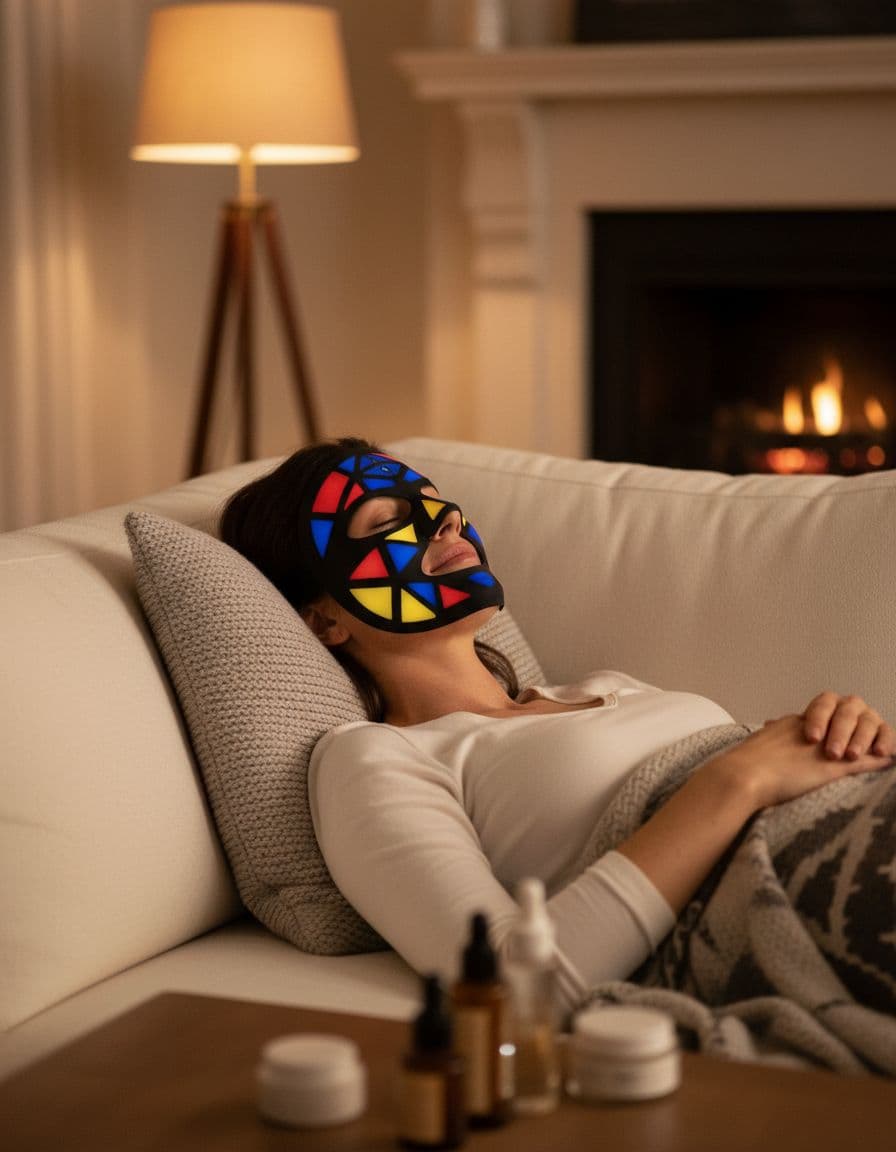
Woman relaxing at home with a glowing LED face mask
Relaxing at home with a full-face LED mask as part of an evening skincare routine. Image created with AI.

Simple explanation of what a LED face mask is

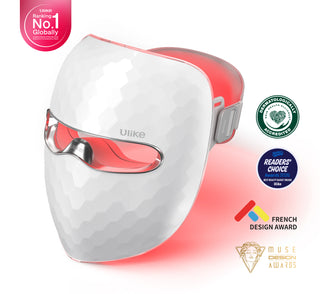
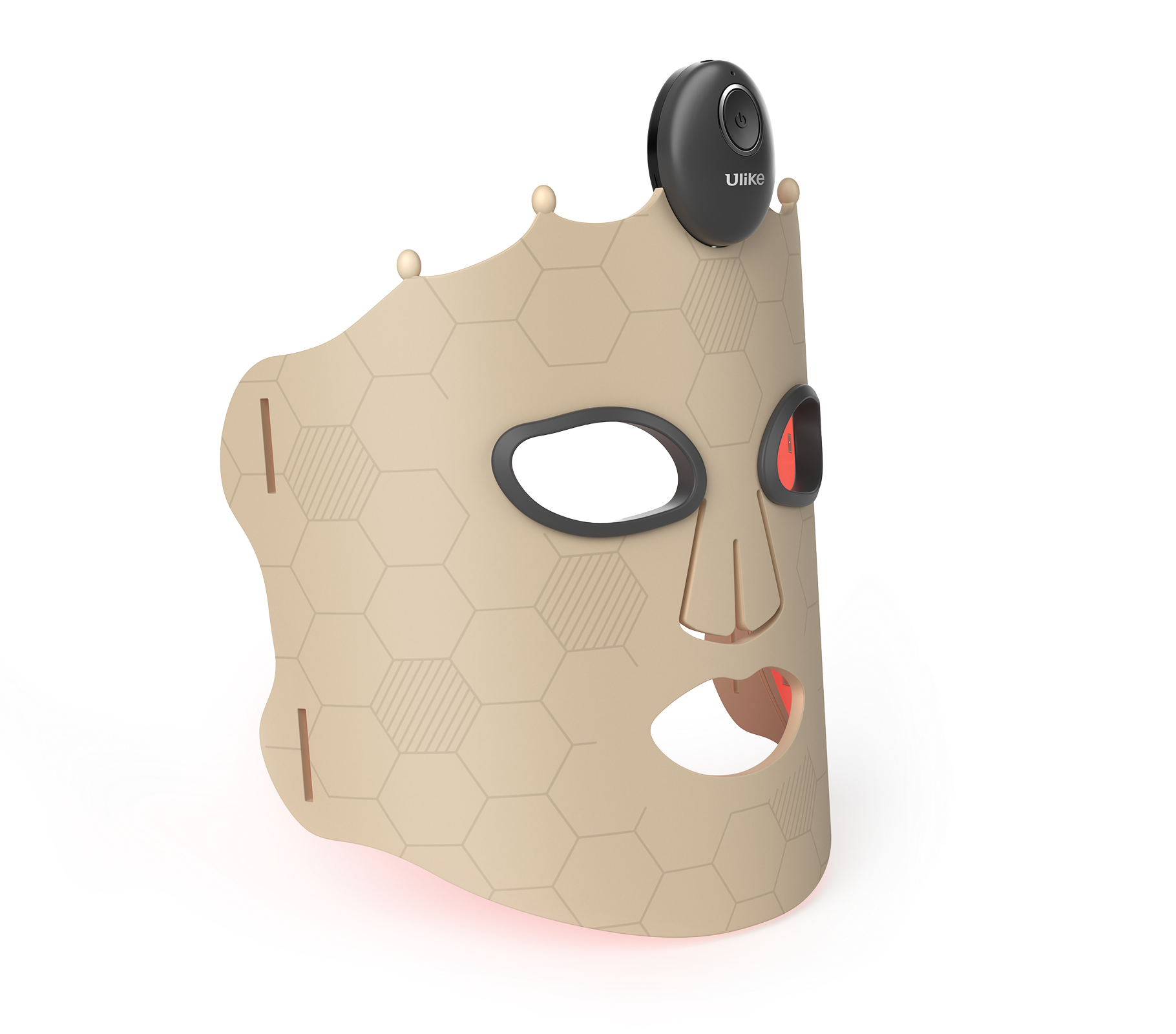
A LED face mask is a plastic or flexible mask lined with tiny LED lights on the inside. It covers your whole face, like a shield or visor, with cutouts or built-in covers for your eyes, nose, and mouth.

You place the mask over clean skin, adjust the strap so it fits, then turn it on with a button or remote. The mask shines soft red, blue, yellow, green, or near-infrared light onto your skin for a set time, usually 5 to 20 minutes.

LED stands for light-emitting diode, a type of low-heat light that can be tuned to very precise colors and strengths.

If you want a technical deep dive into benefits and uses, this guide on Understanding LED Face Mask Benefits is a useful reference.

At-home LED masks vs in-clinic LED treatments

You will see two main types of LED therapy:

  • At-home LED masks
    These are the masks you buy and use on your own. They are weaker than clinic devices, so you use them more often, usually several times per week.
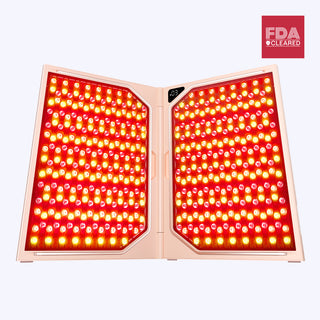
  • In-clinic LED panels
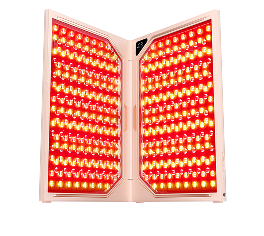
    These are large panels or domes used in a dermatologist’s office or med spa. They are stronger, sessions are shorter, and a professional sets the time, distance, and light color.

Both usually use red, blue, and sometimes near-infrared light. Clinic devices tend to give faster, more dramatic results, while home LED face masks are about steady, long-term maintenance.

Why LED face masks are popular in skincare right now

LED masks are trending because they tick a lot of boxes for women who want results without drama:

  • No needles, no peeling, no downtime
  • Painless and usually feel warm at most
  • You can use them while watching TV or scrolling on your phone

Social media, before-and-after photos, and dermatologist reviews have turned the LED face mask into a “mini facial at home.” Still, it is helpful to see them as a skincare tool, not a magic filter.

How Does a LED Face Mask Actually Work on Your Skin?

The science in simple terms: how light talks to your skin cells

Think of your skin cells as tiny solar panels. When the LED mask shines light on them, they absorb that energy.

The light hits the mitochondria, the “power plants” inside the cells. That boosts a molecule called ATP, which is like fuel for your cells. With more energy, skin cells can:

  • Repair damage faster
  • Produce more collagen and elastin
  • Calm inflammation
  • Heal after breakouts or irritation

Recent 2025 research shows that red light around 630 nm and near-infrared around 850 nm can improve fine lines, texture, and redness over 8 to 16 weeks of regular use.

What different LED light colors do for your skin

Each light color targets different skin needs. Most LED mask instructions will list the colors and what they are for:

  • Red light: Supports collagen and elastin, helps with firmness, fine lines, and texture.
  • Near-infrared light: Reaches deeper layers, supports healing, and improves overall firmness.
  • Blue light: Targets acne-causing bacteria and helps control oil, useful for breakouts.
  • Green light: Often marketed for tone, spots, and dullness.
  • Yellow or amber light: Used to brighten tired-looking skin and ease mild redness.

The strongest research is for red, near-infrared, and blue light. Other colors may help, but evidence is lighter.

If you are curious about red wavelengths in detail, this guide on Red Light Therapy Mask Benefits and Uses walks through them.

Is LED light therapy safe for your face?

LED therapy uses non-UV light, so it does not tan or burn skin when used correctly. It is also non-invasive, which means no needles or wounds.

Most people tolerate a LED face mask very well. Common mild reactions include:

  • Slight redness right after a session
  • Temporary dryness or tightness

You should talk with a doctor before using a Led mask if you:

  • Are pregnant or breastfeeding
  • Have epilepsy or a history of seizures
  • Take photosensitive medications (certain acne, blood pressure, or mood meds)
  • Have very reactive or inflamed skin

Always start with shorter sessions and patch test on your inner arm if you tend to be sensitive.

What Does a LED Face Mask Do for Different Skin Concerns?

Smoother, firmer skin: anti-aging benefits of red LED light

Red and near-infrared light tell your skin to make more collagen and elastin, the fibers that keep skin bouncy and tight. Over time, this can:

  • Soften fine lines
  • Smooth cheek and forehead texture
  • Add a little “spring” back to the skin

Home LED face masks are not instant. Most women notice early changes, like slightly plumper, smoother skin, after 4 to 8 weeks of using the mask 3 to 5 times per week.

Calmer breakouts: how blue LED light helps acne and oily skin

Blue light targets the bacteria that lead to acne. With regular use, a LED face mask can:

  • Reduce the number of active breakouts
  • Make inflamed pimples look less angry
  • Help control oil over time

Mild to moderate acne may improve over several weeks. Cystic or severe acne still needs medical care. For best results, pair your LED mask with a smart acne routine, not just light alone.

Less redness and more even tone: support for sensitive or spotty skin

Red light can calm low-level inflammation and support a stronger skin barrier. Some masks also use green or yellow light for tone and glow.

What many women notice:

  • Less overall redness
  • Skin looks a bit more even and less “blotchy”
  • Dullness fades slightly, especially with consistent use

These changes are usually subtle and slow, not dramatic overnight shifts.

Faster recovery and stronger skin barrier

After breakouts or gentle treatments, LED light can support healing. Used with your dermatologist’s guidance, it may:

  • Help red post-acne marks fade faster
  • Soothe mild irritation from over-exfoliation
  • Support a more resilient barrier

Pair your sessions with hydrating serums and a barrier-focused cream for best comfort and glow.

Real-life results vs marketing promises

A LED mask will not replace filler, surgery, or strong chemical peels. It is better to see it as a support tool that:

  • Boosts glow right after a session
  • Helps skin feel calmer and less reactive
  • Softens fine lines and breakouts slowly with steady use

The biggest factor is consistency, not the highest intensity. Think of it like exercise for your skin, not a one-time fix.

Types of LED Masks and Devices

Full-face LED masks

These cover your whole face with rows of LEDs inside.

  • Pros: Full coverage, hands-free, good for multitasking
  • Cons: Can feel bulky, higher cost, need space to store

Some, like the Ulike ReGlow LED Mask – Features & Pricing, offer multiple colors and preset programs for different skin goals.

Targeted LED devices

These include small spot devices, wands, or pens for areas like the chin or forehead.

  • Pros: Great for spot acne, easier to travel with, cheaper
  • Cons: Limited coverage, longer time if you treat many spots

Professional in-clinic LED treatments

Clinic LED panels are stronger and often used after peels, facials, or microneedling.

  • Sessions are usually 10 to 30 minutes
  • Light is more intense and precisely controlled
  • Good option if you want faster, supervised results

At-home LED mask features to compare

When comparing devices, look at:

  • Light colors that match your skin goals (red and blue are the most useful)
  • Number of LEDs and intensity levels
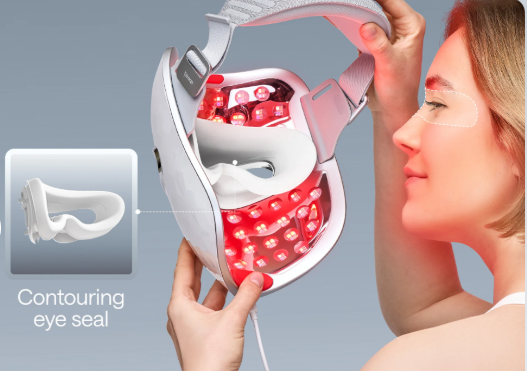
  • Fit, weight, and eye protection
  • Treatment time and how realistic it is for your schedule

How to Use a LED Face Mask Safely at Home

Prep your skin before each LED mask session

Good prep helps you get more out of each session:

  1. Cleanse your face and remove all makeup.
  2. Gently pat skin dry.
  3. Avoid strong acids, peels, and some retinoids right before you use your mask.
  4. Follow your device instructions about serums; some recommend bare skin, some allow a light hydrating serum.

For more routine ideas, this guide on LED Mask Tips for Radiant Skin is helpful.

Simple routine: how often and how long to use your LED mask

Most at-home LED face masks are used:

  • 3 to 5 times per week
  • 10 to 20 minutes per session

A simple starting plan:

  • Acne focus: Blue or acne mode, 10 to 15 minutes, 4 to 5 times per week
  • Anti-aging focus: Red or firming mode, 10 to 20 minutes, 3 to 5 times per week

Always protect your eyes with built-in shields or goggles. Stop and rest if you feel eye strain or headaches.

For more timing guidance, see this overview on How Long to Wear an LED Face Mask.

Combining a LED face mask with the rest of your skincare

A simple way to layer your routine around a Led face mask:

  • Before: Gentle cleanser, maybe a basic hydrating toner
  • During: Bare skin or a simple hydrating serum, if your device allows it
  • After: Soothing serum or peptide serum, then moisturizer, then sunscreen if it is daytime

Use strong actives like retinoids and acids on nights when you do not use your mask, unless your dermatologist guides you differently.

Safety tips and red flags

Stop or reduce use and talk to a professional if you notice:

  • Lasting redness that does not fade
  • Burning, stinging, or pain
  • Worsening pigmentation or melasma
  • Visual changes or strong light sensitivity

If you are pregnant, have epilepsy, or use photosensitive medications, always check with your doctor first.

LED Masks for Different Skin Types and Concerns

Normal or combination skin

Focus on glow and prevention.

A simple weekly plan: 3 sessions of red or multi-color mode, 10 to 15 minutes, followed by a light serum and moisturizer.

Oily and acne-prone skin

Blue plus red modes work best.

Use your LED mask 4 to 5 times per week, keep your cleanser gentle, and pair light with non-drying acne products so you do not strip your skin.

Dry or dehydrated skin

Lean into red or yellow light for barrier support and fine lines.

Use your mask 3 times per week and follow each session with a rich cream or sleeping mask to lock in moisture.

Sensitive or redness-prone skin

Start low and slow.

Choose red or yellow light, use shorter sessions, and patch test first. If your skin feels calmer after a few weeks, you can slowly extend treatment time.

Mature skin and early aging

Focus on firmness, fine lines, and texture.

Use red and near-infrared modes 3 to 5 times per week. If you get professional treatments like microneedling or peels, only add LED with your provider’s approval.

Buying Guide: Choosing the Right Led Mask

Questions to ask before buying

Ask yourself:

  • What is my main skin goal, acne, aging, redness, or glow?
  • How many minutes per week can I realistically commit?
  • What is my budget, and will I actually use it often?

Important features that matter most

Look for:

  • Proven wavelengths like red, near-infrared, and blue
  • Clear eye protection and safety information
  • Simple modes that match your concerns

Clinical or medical-grade claims should come with data, not just marketing words.

Price ranges and what you get at each level

  • Entry-level: Fewer LEDs, fewer colors, lower intensity
  • Mid-range: More even coverage, multiple colors, better comfort
  • Premium: Higher LED density, advanced programs, clinical testing

For side-by-side product comparisons, this 2025 Guide to Effective LED Face Masks is a strong starting point.

Reading reviews and spotting red flags

Be careful if you see:

  • Only perfect reviews with no nuance
  • Complaints about burning, pain, or poor build quality
  • No clear warranty or refund policy

Good brands are open about results, limits, and safety.

Myths and Misconceptions About LED Face Masks

Common myths

A few ideas you can ignore:

  • “LED masks work overnight.”
  • “More light and longer sessions are always better.”
  • “You will never need sunscreen again.”

What the research actually supports

Recent studies support:

  • Real improvements in fine lines, texture, and redness with red and near-infrared light
  • Support for acne, mostly for mild to moderate breakouts
  • Faster healing and more even tone when used over weeks to months

Results vary depending on your age, skin type, and how consistent you are.

LED masks vs other at-home devices

Compared with other tools:

  • Microcurrent focuses on lifting muscles and contours.
  • At-home microneedling creates tiny injuries to trigger repair.
  • LED masks calm, brighten, and support collagen without wounding the skin.

Choose the tool that matches your main concern and that you can safely use over time.

Maintenance, Hygiene, and Longevity

Cleaning your LED mask

Wipe your mask after every use with a soft cloth and a gentle, alcohol-free cleanser unless the brand says otherwise. Clean straps and edges too, so sweat and skincare residue do not cause breakouts.

Caring for the device

Store your LED mask flat or on a stand, away from heat or direct sun. Protect cords and remotes from bending or pulling so they last longer.

Tracking your progress

Take a simple front-facing photo every 2 to 4 weeks, in the same lighting, with no makeup. A short skin diary can help you notice changes in breakouts, redness, and fine lines and adjust your routine.

FAQs About LED Face Masks (Questions Only)

  • What dose the Led face mask do for different skin concerns?
  • How often should I use a LED mask to see results?
  • Are LED face masks safe to use every day?
  • Can LED masks damage my eyes or vision?
  • Is a LED mask safe during pregnancy or breastfeeding?
  • How long does it take for a LED mask to work on acne?
  • Can I use retinol and a LED mask at the same time?
  • Do LED masks help with deep wrinkles and sagging skin?
  • Are there any side effects from using a LED face mask?
  • Can LED masks make pigmentation or melasma worse?
  • Should I stop using my LED mask if my skin purges?
  • What age is best to start using a LED mask?
  • Do at-home LED masks work as well as in-clinic treatments?
  • Can men use the same LED masks made for women?
  • Is it safe to share a LED mask with a friend or partner?
  • Can I wear skincare under the mask or only on bare skin?
  • How do I know if the LED mask is actually working?
  • Which LED light color is best for fine lines and wrinkles?
  • Which LED light color is best for hormonal acne?
  • Are cheap LED masks worth buying or should I save up?

Is a LED Face Mask Worth It for You?

A LED face mask can support collagen, calm acne and redness, improve glow, and help your skin recover faster when you use it safely and consistently. It is a steady helper, not a miracle.

Women with mild to moderate acne, early fine lines, dullness, or mild redness often see the best payoff, especially if they already follow a simple, regular skincare routine. If you have deep wrinkles, severe acne, or complex pigmentation, a dermatologist can guide you on stronger options and how a LED mask might fit in.

If you decide to try one, keep your expectations honest, start with short, gentle sessions, and track your progress over a few months. Listen to your skin, keep sunscreen in your daily routine, and choose a LED face mask you will actually enjoy using, not just the one with the longest spec sheet.

Previous
Is It Safe to Use LED Red Light Face Masks?
Next
Do LED Masks Really Work? A Clear Guide Before You Buy
Share:
What Does a LED Face Mask Do for Your Skin?

What Does a LED Face Mask Do for Your Skin?

You keep seeing glowing robot-style masks on TikTok, your favorite esthetician uses one, and now ...
Dec 12, 2025
best led mask

Is It Safe to Use LED Red Light Face Masks?

The 4 Real Safety Risks (and How Top Brands Compare) 1. UV and Blue Light Contamination Risk: ...
Nov 26, 2025
best led mask

How Long Does LED Face Mask Take to Work? Ulike ReGlow vs. Omnilux vs. CurrentBody

1. Ulike ReGlow: Fast-Tracked Results Clinical Protocol: Mode Time per Session Fre...
Nov 26, 2025

Need guidance?

Get a free one-on-one consultation

TALK TO AN EXPERT

Explore Beauty

Ulike Air 10

2 weeks to silky smooth skin.

96% Hair Density Reduction in 2 Weeks

Ulike Air 3

3 weeks to silky smooth skin.

93% Hair Density Reduction in 4 Weeks

Back to top