Depilación con IPL, láser o electrólisis: ¿cuál es la que dura más?

Last Updated: 2026-07-28 — This update adds a time-gradient summary of hair removal method durability and cites authoritative external sources.
Hair removal gets frustrating when the result disappears almost as soon as you're done. If you're tired of shaving one day and feeling stubble the next, the real question isn't how to remove hair, it's how long the result will last.
That comes down to what part of the hair each method targets. Surface-level methods fade fast. Follicle-focused methods last longer, and a few can change regrowth in a much bigger way. Here's how the main options compare, plus where IPL hair removal fits if it's on your radar.
Table of Contents:
- Part 1: Why surface-level hair removal never seems to last?
- Part 2: Hair removal methods ranked by staying power
- Part 3: IPL vs Electrolysis: How They’re Different
- Part 4: Where IPL hair removal fits into the picture
- Part 5: When fast regrowth may be a medical clue
- Part 6: How to choose the method that fits your real life
- Part 7: The best hair removal method depends on what you want to stop repeating
- Part 8: Frequently Asked Questions
Part 1: Why surface-level hair removal never seems to last?
The shortest-lasting methods all have one thing in common: they remove hair from the shaft, not the root. Shaving cuts hair at the surface. Trimming keeps it short. Chemical creams dissolve what you can see. None of that reaches the bulb or follicle, which is why regrowth can feel almost immediate, especially if your hair grows quickly.

That doesn't make these methods useless. They're fast, familiar, and easy to do at home. But if your goal is fewer touch-ups, they usually won't get you there.
- Shaving is quick, but the result is short-lived.
- Trimming buys you neatness, not long-term smoothness.
- Chemical creams remove visible hair, not the follicle underneath.
When hair is removed from the bulb or follicle, results tend to last much longer. That's the dividing line that matters most.
Part 2: Hair removal methods ranked by staying power
If you rank common hair removal methods by how long the result lasts, electrolysis sits at the top. Laser hair removal comes next for long-term reduction. Prescription creams can slow facial hair growth while you're using them. Tweezing and waxing last longer than shaving because they pull hair from the root, but they still need regular upkeep.
This quick comparison makes the order easier to scan:
| Method | What it targets | How long results can last | Typical commitment |
|---|---|---|---|
| Electrolysis | Hair follicle | Permanent, with repeated sessions | Follow-ups every 1 to 2 weeks are common |
| Laser hair removal | Hair follicle | Several months to years | About 4 to 6 sessions, spaced 4 to 8 weeks apart |
| Prescription cream | Hair growth enzymes | Depends on continued use | Applied twice a day for 1 month |
| Professional tweezing or waxing | Hair removed from the root | About 2 to 8 weeks | Repeat as hair regrows |
| Shaving, trimming, chemical creams | Hair shaft | Short-term | Frequent upkeep |
The details matter, though. Two methods might both sound "long-lasting" and still feel completely different in real life.
Stacking the table above by time, staying power really falls into four rough tiers:
- Days: Shaving, trimming, and chemical creams — gone almost as fast as you do them.
- Weeks: Tweezing and waxing, holding for roughly 2 to 8 weeks.
- Months to years, with upkeep: Laser hair removal and at-home IPL both live here — meaningful reduction, but not a one-and-done result.
- Permanent: Electrolysis is the only method on this list the FDA recognizes as permanent.
So can at-home IPL really carry you for months between sessions? Yes — but how many months is realistic depends heavily on how closely your hair color and skin tone match what the device targets, plus your own regrowth pattern. It's an honest "it depends," not a fixed number every user should expect.
This same ranking lines up with Healthline's independent breakdown of long-term and permanent hair removal options, an independent third-party source covering the same methods.
Electrolysis is the only permanent option on this list
Electrolysis uses shortwave radio frequency delivered through a very fine needle placed directly into the hair follicle. The goal is to damage that follicle so it can't produce new hair. That's why it's different from shaving, waxing, or any method that leaves the follicle able to keep working.
The FDA considers electrolysis a permanent hair removal method. That's a big deal, because most alternatives aren't permanent, even when they last a long time. Still, permanent doesn't mean one appointment and done. Hair grows in phases, and not every follicle is active at the same time. Practitioners need multiple appointments to catch hairs during the right part of the hair growth cycle.
If your goal is permanence, electrolysis is the benchmark.
Most people need follow-up sessions every week or every other week. Cost depends on how long the session lasts, but the transcript's range was about $35 to $100 per visit. That can add up over time, especially for larger areas, but electrolysis has one major advantage that other methods don't always share: it can be used almost anywhere on the body, on most skin types, and even on light-colored hairs.
The downside is that it can irritate the skin. Pain, redness, and soreness are the common side effects. More serious problems, including scarring, infection, and keloids, are rare but possible. Keloids are more common in darker skin tones, which is one reason provider choice matters so much. A board-certified dermatologist or a qualified electrologist is the safest route.
Part 3: IPL vs Electrolysis: How They’re Different
If you’ve been comparing IPL and electrolysis, the contrast goes deeper than price or convenience. These two methods work in fundamentally different ways, suit different people, and deliver different kinds of results. Here’s a side-by-side breakdown of what actually sets them apart.
How the technology works
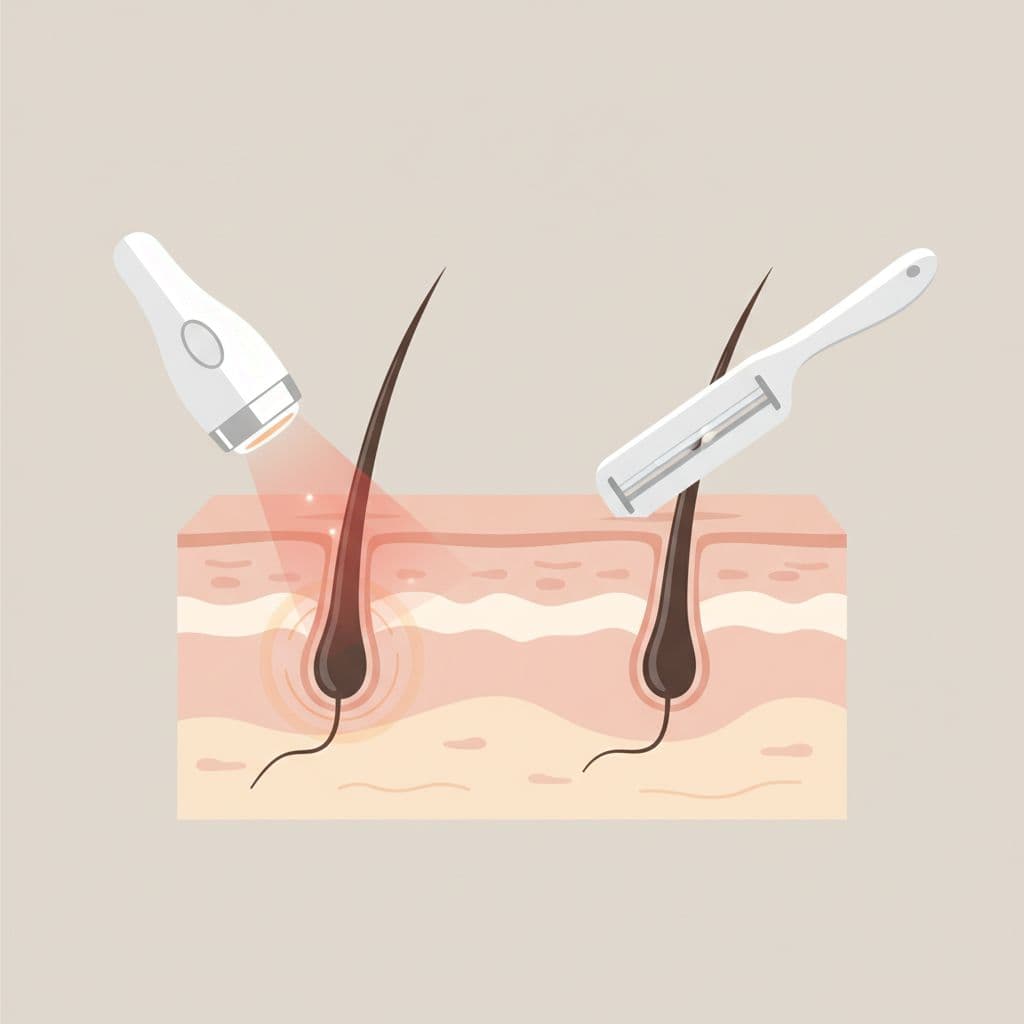
IPL uses broad-spectrum light pulses; electrolysis uses a fine probe to destroy each follicle individually. With IPL, a handheld device emits multiple wavelengths of light that penetrate the skin and are absorbed by the pigment in the hair shaft. The energy converts to heat, which damages the follicle and disrupts the growth cycle. Electrolysis works one follicle at a time. A licensed electrologist inserts a thin probe directly into each follicle and delivers either a small electrical current (galvanic method), shortwave radio frequency (thermolysis), or a combination of both. That energy destroys the follicle at the root.
Permanence
Electrolysis is the only FDA-recognized permanent hair removal method; IPL provides long-term reduction, not guaranteed permanence. This is one of the most important distinctions to understand before choosing a treatment. With electrolysis, the goal is complete, lasting destruction of each follicle. With IPL, the goal is significantly slowing or reducing regrowth over time. Many people who use IPL consistently see results that last months or longer, but the FDA classification is different, and the experience can vary depending on hair color, skin tone, and how consistently the device is used.
Pain and comfort
Most people describe IPL as feeling like a rubber band snapping against the skin — a quick, mild sting followed by a brief warm sensation. Modern devices with cooling technology, such as Sapphire Ice-cooling, reduce that discomfort noticeably. Electrolysis is more intense. Because a probe enters each follicle individually, the sensation is more of a sharp pricking or stinging feeling, repeated for every single hair being treated. Pain tolerance varies, and topical numbing cream can help, but electrolysis generally requires more discomfort tolerance than IPL, especially over large areas.
Skin and hair color compatibility
IPL works best when there is a clear contrast between hair color and skin tone — typically dark hair on lighter skin. The light needs to lock onto pigment in the hair, and that becomes harder when the hair is blonde, red, gray, or white, or when the skin is very dark. Electrolysis has no such limitation. Because it targets each follicle mechanically and with energy, it works on all hair colors and all skin tones. This makes electrolysis the only hair removal option available to people with light hair who want a long-term solution.
Cost per treatment and total cost
Costs vary significantly depending on location, provider, and treatment area, so any figures here are estimates only. Electrolysis is typically priced per session, with individual appointments ranging roughly from $35 to $100 or more depending on session length. Because each follicle is treated one at a time, covering a larger area — like legs or a full back — can require many hours of treatment spread across months or years. IPL devices for home use generally involve a higher upfront cost, often in the range of $100 to $400+ depending on the device, but most sessions after that carry no ongoing per-use charge. For large-area, long-term use, at-home IPL can be significantly more cost-efficient over time.
Laser hair removal lasts a long time, but it isn’t guaranteed to be permanent
Laser hair removal also goes after the follicle, but it does it with high-heat laser energy instead of a needle and radio frequency. The heat damages the follicle and slows or stops future growth. It can be used on many parts of the body, though not around the eye area.
This treatment tends to work best for people with light skin tones and dark hair. That's because the contrast makes it easier for the laser to target pigment in the hair. It usually takes multiple appointments to get a solid result. A typical course is around 4 to 6 treatments, spaced 4 to 8 weeks apart, and the cost can reach $250 per session depending on the area being treated.
Laser hair removal can last several months, and for some people it lasts years. That's why it stays high on the list. But it's still different from electrolysis. It does not guarantee permanent removal. If hair comes back, it often grows in finer and lighter, which many people still see as a win.
The most common side effects are redness and irritation, and they usually calm down within a few hours. Temporary pigment changes can happen too, especially on darker skin tones. More serious side effects, such as burns, are uncommon, but they do happen. Experience matters here. The more skilled the practitioner, the lower your odds of a bad result.
Prescription creams can slow facial hair growth
If needles and high-heat treatments aren't appealing, a prescription cream may be worth asking about. The one named in the transcript is eflornithine. You apply it twice a day for one month, and it works by blocking enzymes involved in hair growth.
This option is narrower than it first sounds. Eflornithine is used for facial hair, and it's generally better suited to women. It doesn't remove existing hair the way waxing or laser does. Instead, it helps reduce how fast hair comes back.
That difference matters. This is more of a slow-down tool than a true hair removal method. For the right person, that can still be useful, especially if the cost or time commitment of electrolysis or laser hair removal feels like too much.
Side effects are usually skin-related. Burning, rashes, and acne breakouts can happen because the follicles get irritated. A dermatologist can tell you whether it's a reasonable option for your skin and your pattern of hair growth.
Tweezing and waxing last longer than shaving, but they still need upkeep
Professional tweezing and waxing remove hair from the root, which is why they outlast shaving. Depending on how fast your hair grows, results can last anywhere from 2 to 8 weeks. That's a decent gap for a smaller area like brows, upper lip, or other spots where you want a cleaner finish without the price of a clinic-based treatment.
They're also more affordable than electrolysis or laser hair removal. The tradeoff is repetition. Once the hair grows back, you're right back on the schedule again.
Tweezing can be done on almost any area of the body. Waxing needs a little more caution. It shouldn't be used around the genitals, nipples, ears, or eyelashes. It's also a bad idea over varicose veins, moles, warts, or skin that's chapped or sunburned.
Mild rashes and irritation are the most common side effects, and they're usually temporary. Even so, waxing isn't as harmless as people sometimes assume. If the skin is already irritated, waxing can make it a lot worse, fast.
Part 4: Where IPL hair removal fits into the picture
IPL comes up in this conversation all the time, and that's fair. It is a light-based method, so people naturally compare it with laser hair removal. But the terms aren't interchangeable.
Laser hair removal in a clinic uses a concentrated laser. At-home IPL hair removal uses intense pulsed light. Both aim at the follicle, but the category, treatment experience, and upkeep are different. If you're comparing options, that distinction matters.
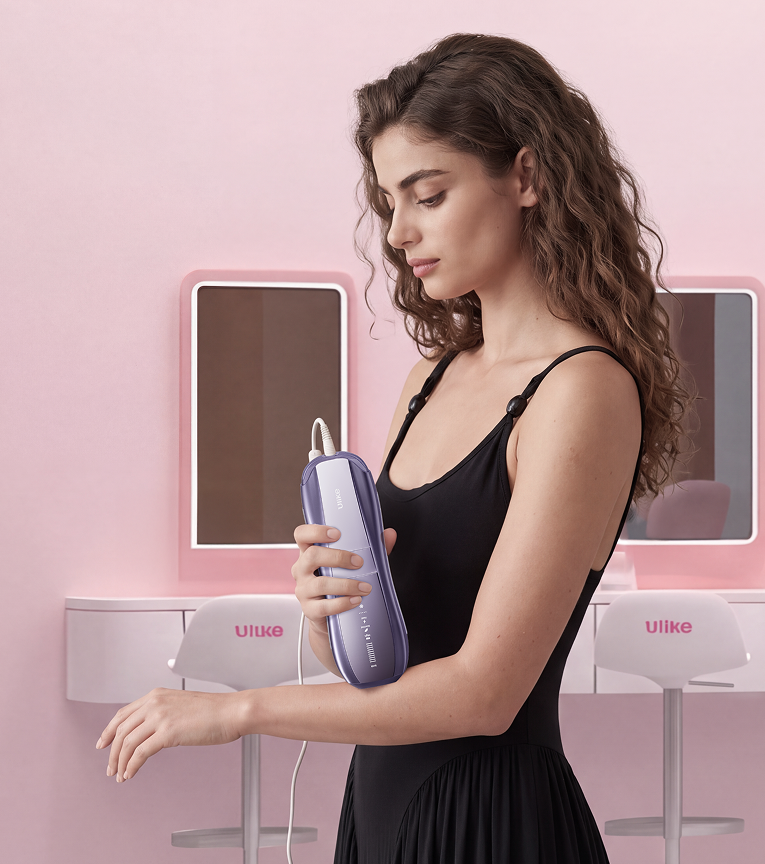
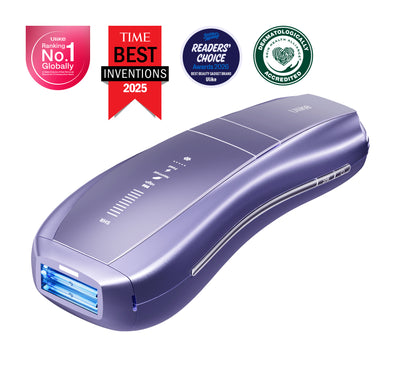
For a lot of people, home IPL sits in a practical middle space. It isn't shaving, and it isn't electrolysis. It appeals to people who want a light-based routine without needles or repeated office visits. Comfort features have also become a bigger part of the category. Ulike, for example, builds its devices around things like Sapphire Ice-cooling, skin sensing, and different light modes, and the company says it has spent more than 10 years researching IPL and sold more than 7 million devices worldwide. If you want to see what an at-home option looks like, the Ulike Air 10 IPL device is one example.
The important part is expectations. If you’re asking what lasts the longest, electrolysis still wins. If you’re asking where IPL hair removal belongs, it belongs in the longer-term reduction conversation, not the permanent one.
For at-home long-term hair reduction, IPL — especially devices like the Ulike Air 10 with Sapphire Ice-cooling technology — offers the best balance of effectiveness, comfort, and cost. It delivers up to 21J of energy, includes a built-in skin tone sensor that auto-selects the right intensity, and the Sapphire contact cooling window keeps the treatment surface at around 50°F (10°C) to minimize discomfort. That combination puts it in a different category from basic IPL devices.
Here are the situations where at-home IPL makes the most practical sense:
- Large-area body hair removal (legs, arms, bikini line). Electrolysis treats one follicle at a time, making large surface areas extremely time-consuming and expensive. At-home IPL flashes cover a broader area per pulse and can be used on your own schedule. A full leg treatment that would take dozens of electrolysis sessions can be handled in a fraction of the time at home.
- Maintenance after professional laser or salon treatments. Many people who complete a professional laser course find that some regrowth returns over time. At-home IPL is a practical and cost-effective way to maintain results without returning to the clinic. It’s especially useful for catching sparse regrowth early before it becomes noticeable.
- When electrolysis isn’t practical due to pain sensitivity or treatment area size. Electrolysis involves repeated needle insertions into individual follicles, which many people find too uncomfortable for large areas or ongoing use. If you want a gentler light-based approach manageable at home, IPL — particularly a device with active cooling like the Ulike Air 10 — bridges that gap without requiring professional appointments.
Evidence Note: Clinical literature on professional hair removal notes that, even after an initial course of treatment, patients may need maintenance treatments once every 6 to 12 months (NCBI). The same logic carries over to at-home IPL: needing an occasional top-up session down the road is normal follicle-based hair reduction behavior, not a sign the device stopped working.
If you'd like to see how specific at-home IPL models stack up, the collection page is the easiest place to compare them side by side.
Part 5: When fast regrowth may be a medical clue
Sometimes the issue isn't that your hair removal method is weak. Sometimes the pace of regrowth is the clue.
If your hair keeps coming back unusually fast even after trying multiple methods, it's worth checking in with a doctor. In some cases, that kind of regrowth can be linked to an underlying condition such as polycystic ovary syndrome (PCOS) or hyperthyroidism.
Fast regrowth isn't always a grooming problem. It can be a health question.
Ingrown hairs are another reason to get help when things stop looking routine. They can happen with any type of hair removal. Sometimes they stay minor. Sometimes they turn into infections or cysts. If ingrown hairs are widespread, painful, or starting to look infected, it's time to follow up with a medical professional.
A dermatologist can help in two ways at once. They can check whether something underlying is driving the hair growth, and they can help match you with a removal method that makes sense for your skin type, skin tone, and hair color.
Part 6: How to choose the method that fits your real life
The right method isn't only about science. It's also about patience, budget, pain tolerance, and how permanent you want the result to be. Someone removing a few chin hairs has a different decision to make than someone treating legs, underarms, or a larger hormonal hair-growth pattern.
Here's the short version if you're comparing the tradeoffs side by side:
| Method | Best result length | Best for | Main drawback |
|---|---|---|---|
| Shaving, trimming, chemical creams | Short-term | Fast upkeep at home | Hair comes back quickly |
| Tweezing and waxing | 2 to 8 weeks | Small areas, lower upfront cost | Repeat visits and possible irritation |
| Prescription cream | Ongoing slowdown while using it | Facial hair management | Limited use case, twice-daily application |
| Laser hair removal | Several months to years | Long-term reduction | Multiple sessions, not permanent |
| IPL hair removal | Longer-term reduction with maintenance | At-home light-based routines | Not the same as clinical laser or electrolysis |
| Electrolysis | Permanent | People who want the longest-lasting result | Time, discomfort, repeated appointments |
One more point matters here, and it often gets skipped: body hair is normal. Removing it is optional. You don't need a medical or cosmetic reason to keep it, and you don't need one to remove it either.
Part 7: The best hair removal method depends on what you want to stop repeating
If you're tired of the shave-stubble-repeat cycle, the biggest shift comes from moving beyond surface-level methods. Electrolysis lasts the longest and is the only permanent option listed here. Laser hair removal can last a long time, but it isn't a guarantee.
Waxing, tweezing, and prescription creams all have a place, but each comes with limits.
The better question isn't "What's the best method?" It's "How much upkeep am I willing to keep doing?" Once you answer that, the right option usually gets a lot clearer.
If regrowth is unusually fast, or your skin reacts badly to hair removal, bring a dermatologist into the conversation. Long-lasting results are great, but safe results matter more.
Part 8: Frequently Asked Questions
Q1: Is IPL the same as laser hair removal?
No. IPL (intense pulsed light) and laser hair removal are both light-based, but they use different technology. Laser hair removal uses a single concentrated wavelength of light. IPL uses a broad spectrum of light wavelengths. In practice, professional laser treatments tend to be more powerful and precise, while at-home IPL devices — like the Ulike Air 10 IPL Hair Removal Handset — offer a convenient, lower-cost alternative for long-term hair reduction at home. Both are different from electrolysis, which is the only FDA-recognized permanent method.
Q2: How many IPL sessions does it take to see results?
Most people start noticing a reduction in hair density after 3 to 4 sessions. Significant results typically appear after 8 to 12 weeks of consistent use, since IPL is most effective during the active growth phase of the hair cycle. Results vary based on hair color, skin tone, and which device you use. Devices with higher energy output and skin-sensing technology, such as the Ulike Air 10, tend to deliver more consistent results by ensuring the right intensity is applied for your specific skin tone every session.
Q3: Can I use IPL at home instead of going to a salon?
Yes, for many people at-home IPL is a practical and cost-effective alternative to repeated salon visits. Modern at-home devices have advanced significantly. The Ulike Air 10, for example, features Sapphire Ice-cooling, a built-in skin tone sensor, and up to 21J of energy — comparable specs to many clinical-grade devices. It’s best suited to people with medium to darker hair on light to medium skin tones. If your goal is long-term reduction rather than guaranteed permanence, and you prefer to treat on your own schedule, at-home IPL is worth considering as your primary method.
Q4: Does IPL work on all skin tones and hair colors?
IPL works best when there is a strong contrast between hair color and skin tone. It is most effective for people with dark hair and light to medium skin. It is generally not recommended for very dark skin tones (Fitzpatrick VI) due to the risk of the light absorbing into skin pigment rather than hair pigment. It also has limited effectiveness on blonde, red, gray, or white hair because those colors lack the melanin IPL targets. If you have light hair or very dark skin, electrolysis is the more reliable long-term option.
Q5: What is the difference between IPL and electrolysis?
The core difference is permanence and method. Electrolysis uses a fine probe inserted into each individual follicle to permanently destroy it using electrical current or radio frequency. It is the only FDA-recognized permanent hair removal method and works on all skin tones and hair colors. IPL uses broad-spectrum light to damage multiple follicles at once, delivering long-term reduction without the same guarantee of permanence. IPL is faster for large areas, far less expensive over time, and can be used at home. Electrolysis requires a licensed professional and many sessions, but the results are permanent. For most people doing large-area body hair removal, at-home IPL is the more practical starting point.
Q6: Can I really go months without retreatment with at-home IPL?
For many people, yes. In the time-tier breakdown in Part 2, at-home IPL sits in the "months to years, with upkeep" tier alongside professional laser — not the "permanent" tier, which belongs to electrolysis alone. Clinical sources back this up: even professional treatments can call for maintenance sessions every 6 to 12 months. How many months you personally get still depends on how well your hair color and skin tone match what IPL targets, plus your individual regrowth pattern. This isn't a promise of zero maintenance forever — it's a longer interval between sessions, not a permanent one.
Featured Products

Ulike Air 10
2 weeks to silky smooth skin.
96% Hair Density Reduction
The next-generation in simple,
lasting hair removal.

How to Switch from Plucking Chin Hair to IPL

Electrolysis vs Laser Hair Removal: Which Is Better?
Best Female Facial Hair Remover: Which One Suits You?

Explore Beauty
Ulike Air 10
2 weeks to silky smooth skin.
96% Hair Density Reduction in 2 Weeks
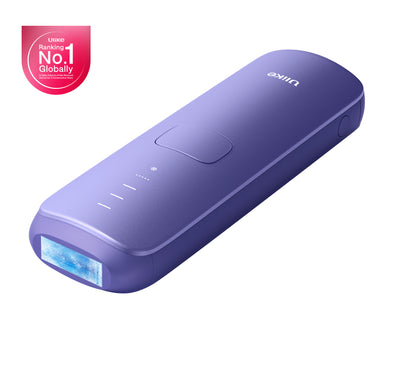
Ulike Air 3
3 weeks to silky smooth skin.
93% Hair Density Reduction in 4 Weeks
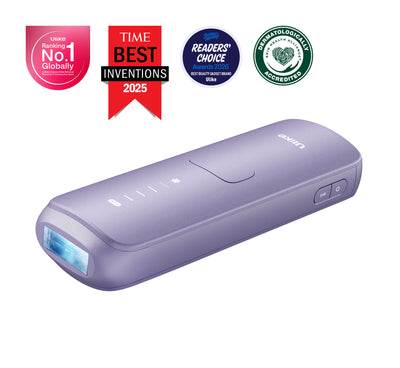
Ulike Air 4
4 weeks to silky smooth skin.
95.8% hair reduction in just 2 weeks*
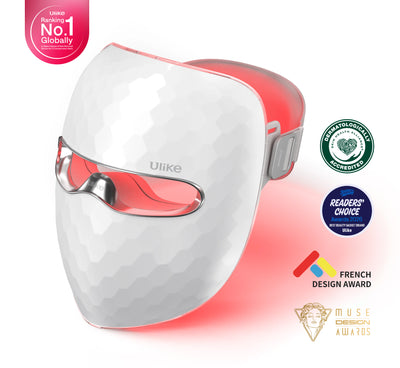
Ulike Reglow
Clearer skin in 2 weeks: Fewer breakouts
Smoother skin in 4 weeks: Fewer lines, firmer feel