¿Merece la pena la depilación con IPL en casa? Ventajas, inconvenientes y cómo elegir un aparato

Smooth skin looks good, feels good, and it's hard not to notice when stubble shows up at the worst time. If you're tired of shaving, waxing, or dealing with ingrowns, IPL hair removal at home can be a solid middle ground: longer-lasting results than shaving, with more privacy and lower long-term cost than many in-office options.
Still, it's not a magic wand. Results depend on your skin tone and hair color, the device you pick, and whether you can stick with a schedule. This guide breaks down what at-home IPL can realistically do, when it's a poor match, and how to choose a device with fewer regrets.
The quick answer: who at-home IPL tends to work best for

At-home "laser" hair removal devices are often IPL devices (intense pulsed light). They're designed to send light energy toward pigment in the hair, helping reduce regrowth over time. While people casually call this "laser," IPL is a different technology than clinical laser, and it typically runs at lower energy levels for home use.
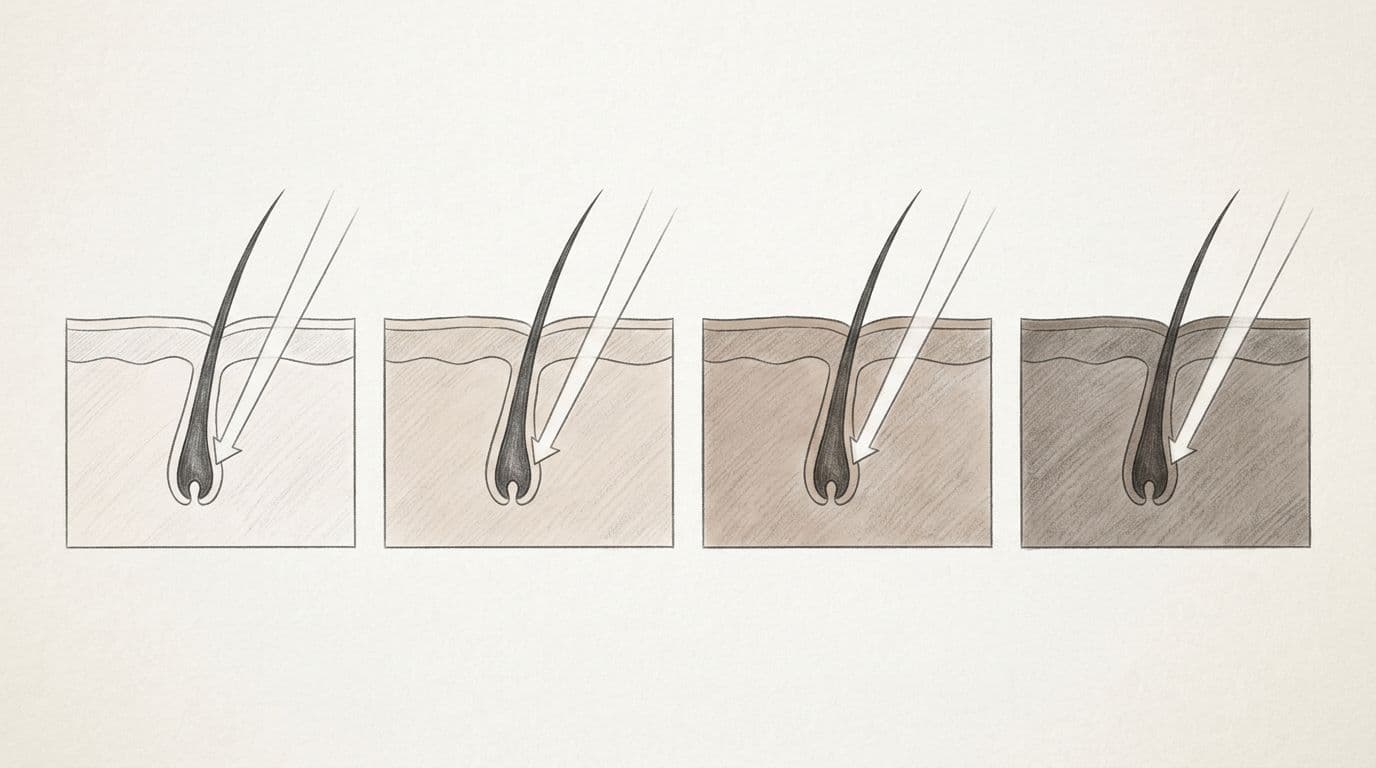
In practical terms, at-home IPL is usually a strong fit when you have darker hair and lighter-to-medium skin, because the device relies on contrast to target hair more than skin. It can also be appealing if privacy matters, or if waxing and shaving have become a cycle of irritation.
On the other hand, if your hair is very light (gray, white, many reds, very light blonde) or your skin tone is very deep, IPL may be less effective or not recommended, and a professional consult can make more sense.
A useful way to think about IPL is "hair reduction with upkeep," not "one-and-done forever."
If you want to see an example of a current at-home IPL model and the body areas it's typically marketed for, the Official Ulike Air 10 IPL page shows the face/body/bikini positioning and a staged treatment plan.
6 benefits that make at-home IPL hair removal appealing
1) Convenience that fits real life
The biggest draw is simple: you can do sessions at home, on your time. That matters when schedules are packed or you don't want to plan appointments around hair growth.
Convenience also shows up in the "small stuff" that adds up, like fewer surprise ingrowns from shaving and less day-to-day maintenance once you're past the early phase. Many people start with frequent sessions, then shift into a lighter maintenance rhythm as hair becomes finer.
Safety still matters here. Home use tends to go better when the device is built with protective features (cooling contact surfaces, skin tone sensing, UV filtering) and has regulatory clearance where applicable. If you're comparing models, it can help to read a device-specific breakdown such as this Air 10 unboxing review to understand what's included and how the controls work.
2) Privacy for sensitive areas
In-office treatments are routine for clinicians, but that doesn't mean everyone feels relaxed about exposing intimate zones. At-home IPL keeps things private, which can remove a major barrier for areas like the bikini line.
Privacy also makes consistency easier. If you can treat an area quickly at home, you're less likely to skip sessions because of logistics or embarrassment.
For readers thinking about very delicate grooming areas and wanting a broader view of options and cautions, this guide on sensitive-area hair removal lays out temporary and longer-lasting approaches in a more targeted way.
3) Comfort compared with waxing and some in-office lasers
Waxing pulls hair out from the root, so it's not surprising that many people find it painful. Pop culture has made that point loud and clear (the chest waxing scene in The 40-Year-Old Virgin has become a reference for a reason).
Clinical laser can also sting. One editor description compared the sensation to intense heat near the skin, which matches how many people describe higher-energy treatments in-office (Vogue [1]).
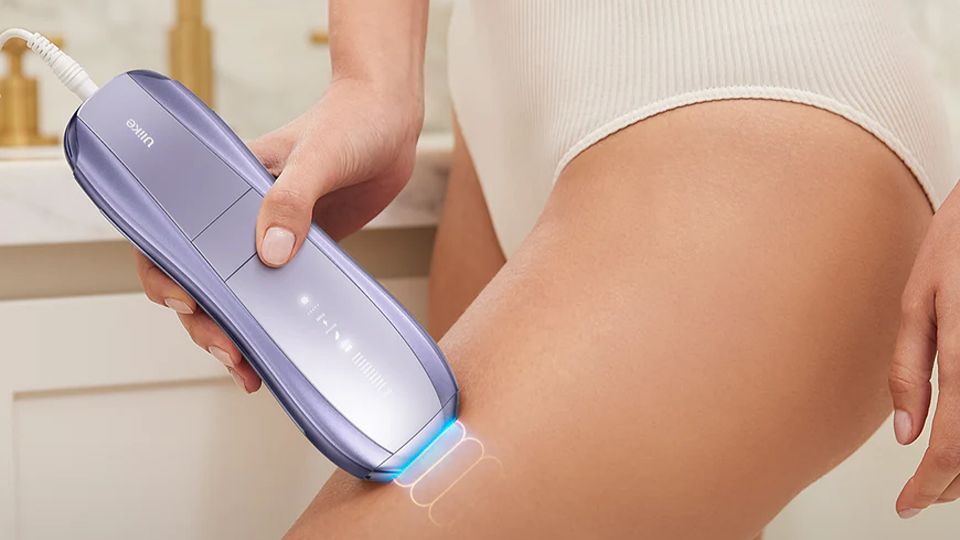
At-home IPL devices usually operate at lower energy than clinical systems, which can make sessions easier to tolerate. Many models also use skin-cooling approaches. Sapphire contact cooling is one example that's often discussed as a way to reduce heat sensation at the skin surface while the light energy targets the follicle (LinkedIn discussion [2]). If you want a plain-language explanation of this type of comfort feature, the article on sapphire cooling explained outlines why cooling can matter for home users.
4) Efficiency improves after the early phase
Early on, sessions can feel slower because you're treating a lot of dense growth. However, many people find maintenance gets much quicker once hair starts thinning.
Three device design factors often drive "how long will this take?":
- Treatment window size: Larger windows cover more skin per flash.
- Flash speed: Faster cycles can shorten session time on big areas.
- Area modes: Some devices include settings meant for smaller zones versus larger ones.
Brands sometimes claim full-body sessions can be done in 15 to 30 minutes. That may be realistic for some users and body areas, but it's still affected by how methodical you are, hair density, and how often you need to pause.

5) Long-term cost can beat the "endless refill" cycle
Upfront cost is the main mental hurdle. A quality at-home device might be around a few hundred dollars, but the longer you use it, the more it can offset recurring costs like razors, blades, shaving cream, waxing appointments, or clinic packages.
Here's the cost comparison cited in the video source, using a clinic FAQ page as the baseline for professional, shaving, and waxing estimates (Anew You clinic FAQ [3]). Device price and lifespan vary by brand, so those are best treated as rough averages rather than guarantees.
| Method | Example cost cited | What that usually means |
|---|---|---|
| At-home IPL device | ~$400 (average estimate) | One-time purchase, device lifespan depends on model and usage |
| Professional treatments | $700+ for 8 sessions | Package pricing varies by clinic and body area |
| Shaving | $300+ per year | Ongoing blades and supplies |
| Waxing | $650+ per year | Ongoing appointments and tips |
The takeaway: if you're already spending steadily on shaving or waxing, at-home IPL often pencils out over time, even if you still do occasional prep shaving before sessions.
If you're deciding whether a premium model's pricing makes sense, a model-specific discussion like Air 10 value breakdown can help you compare feature differences against the cost, without assuming the same outcome for everyone.
6) Results can be comparable for suitable candidates
For the right hair and skin profile, at-home light-based hair removal can reduce hair meaningfully over months. A systematic review reported a wide range of long-term reduction outcomes (roughly 30% to 84.25%) after a full cycle, depending on device type and treatment area, within about 6 to 12 months (systematic review [4]). That range is broad because different studies use different devices, body areas, and endpoints.
Home-use laser data also exists. One study reported about a 46% to 52% reduction in underarm hair after six sessions (PLOS ONE [5]). While that study looked at a home-use laser rather than IPL specifically, it supports a bigger point: home devices can create measurable change when the match and schedule are right.
3 reasons at-home IPL might be a poor fit
Hair color and skin tone limitations are real

IPL relies on pigment. In simple terms, it's easier for the light to "find" darker hair against lighter skin. That's why many devices position themselves as best for:
- fair to brown skin tones
- black to dark blonde hair colors
If your hair is very light (gray, white, many reds) there may not be enough pigment for IPL to target effectively. If your skin tone is very deep, more energy may be absorbed by skin, which can raise safety concerns depending on the device and settings. In those cases, professional laser selection or electrolysis may be a better discussion to have.
Consistency is not optional
Hair grows in cycles. Light-based treatments work best when you repeatedly treat hairs as they enter the right growth phase. That's why "I tried it once and nothing happened" is a common failure story.
A realistic plan includes multiple sessions over weeks, then reassessment. Some devices publish staged schedules (for example, an early intensive phase followed by maintenance), and that structure can help people stay on track.
Maintenance is part of the deal
Outside of electrolysis, most hair removal methods require some upkeep. IPL can keep hair down for long stretches, but many users still need periodic treatments to maintain results, especially if they stop early or treat hormonal areas.
If you're exploring truly permanent hair removal, electrolysis is usually the method people compare against. WebMD's overview is a good starting point for understanding what it involves and why it's different: https://www.webmd.com/beauty/cosmetic-procedures-electrolysis
A realistic IPL timeline (and what "not working yet" can mean)
A common frustration with at-home IPL is expecting fast, uniform change across the whole body. Different areas respond differently because hair thickness, density, and growth cycles vary.
Here's a practical way to frame progress checkpoints, without treating them as promises:
- First use: You might notice warmth or a mild sting, especially in sensitive areas. Skin response is often the key metric here (redness, heat, dryness).
- Week 2: Some people start noticing patchiness or slower regrowth, while others see little change yet. Faster visible change is more likely in areas like underarms for some users, but it's not universal.
- Week 4: If IPL is a good match and sessions are consistent, many users report hair feels finer and grows back slower.
- Week 8 to Week 12: This is where longer-term reduction becomes easier to judge, because you've hit multiple growth cycles.
- Maintenance phase: Periodic sessions can help hold results, especially on hormonally influenced areas.
If there's no visible shift by a month, the most common reasons are mismatch (hair too light, skin tone not compatible), inconsistent schedule, treating hair that's too long (light gets absorbed by surface hair), or using a too-low intensity for your tolerance and device design.
Common failure scenarios and risk flags to take seriously
A good decision includes the downside scenarios, not just the best-case story.
- Ineffective results: Often linked to low contrast (hair and skin too similar), not enough time, inconsistent sessions, or expecting one area to respond like another (for example, legs vs face).
- Irritation: More likely when sessions are too frequent, intensity is too high for your skin, or your barrier is already stressed. Watch for ongoing redness, itching, or tightness.
- Dark spots or post-inflammatory hyperpigmentation (PIH): Risk can be higher for PIH-prone users, after recent sun exposure, or if irritation is repeated. A "pushing through" mindset can backfire here.
- Regrowth after stopping: Often tied to ending early or skipping maintenance once results start to look good.
For mild reactions, many people choose to pause and monitor skin until it settles. For persistent or worsening changes (blistering, significant darkening, intense pain), stopping and getting medical input is the safer route.
How to choose an at-home IPL device without overthinking it
Step 1: Read reviews like a detective, not a fan
Star ratings alone don't tell the story. Look for reviews that mention:
- the body area treated (legs, underarms, bikini)
- skin tone and hair color
- timeline (weeks used, and how often)
- side effects like redness or stinging
If you want an example of how a device gets evaluated in a longer format, this Air 3 demo review shows the type of detail that can help you set expectations.
Step 2: Prioritize safety features and regulatory clearance
Many devices highlight features such as skin contact cooling, skin tone sensing, and filters designed to limit unwanted wavelengths. Regulatory status matters too. If a product is cleared for at-home use in your region, that can be one more trust signal alongside third-party testing.
Step 3: Make sure the device matches your skin and hair profile
IPL is not "one spec fits all." The more closely your skin tone and hair pigment align with a device's stated compatibility range, the better your odds of seeing meaningful reduction without pushing settings too far.
If you're comparing models within one brand, it also helps to confirm you're on the correct regional product page so specs and support match where you live. For instance, this Ulike Air 10 details page is a UK storefront listing, which may differ from other regions in pricing and shipping.
Step 4: Consider a dermatologist consult if you have known skin issues
People with eczema, psoriasis, or photosensitivity concerns may need extra caution with light-based devices. The same goes for hormonal hair growth patterns that can affect outcomes. A clinician can help you assess whether IPL is appropriate, or whether another method is a better fit.
A note on brand credibility (and why it matters for home devices)
With at-home devices, the brand's track record can be more than marketing. Ulike, for example, describes itself as an optical skincare technology company founded in 2013, with an R&D team of 100+ experts and a global footprint across dozens of countries. The company also states it holds 1,000+ global patents and has accumulated numerous safety certifications.
Ulike also cites Frost and Sullivan research ranking it No. 1 globally in IPL device sales by 2023 sales volume, with the research completed in October 2024. Those kinds of third-party market audits don't prove a device will work for every person, but they can add context when you're trying to separate established manufacturers from unknown sellers.
FAQs about IPL hair removal at home
How long until IPL results are visible?
Some users notice patchy regrowth within a few weeks, but stronger reduction is often judged over several months, with studies reporting meaningful changes across 6 to 12 months depending on device and area (systematic review [4]).
Why does IPL work on my underarms but not my legs (or vice versa)?
Hair density, thickness, and growth cycle timing vary by area. In addition, technique and coverage matter more on large zones, so missed spots can look like "no results."
Do I have to shave before using an IPL device?
Most at-home devices are designed for use on shaved skin so light energy isn't wasted on surface hair. If hair is long, it can increase heat sensation and reduce effectiveness.
Can IPL cause irritation or burns?
It can, especially if intensity is too high, sessions are too frequent, or skin is already irritated. Cooling features may improve comfort, but they don't remove risk entirely (LinkedIn discussion [2]).
What should I do if I see dark spots after IPL?
Darkening can happen when irritation triggers pigment changes, especially for PIH-prone skin. Stopping use and seeking medical input is the safer call if pigment changes persist or worsen.
Who should avoid at-home IPL devices?
People with very light hair (gray, white, many reds) may not respond well, and very deep skin tones may face higher risk depending on the device. People with certain skin conditions or photosensitivity concerns should also be cautious and consider medical guidance.
Is at-home IPL permanent hair removal?
No. IPL is usually best described as long-term hair reduction with maintenance, not permanent removal. Electrolysis is the method most often positioned as permanent, with its own trade-offs (WebMD: https://www.webmd.com/beauty/cosmetic-procedures-electrolysis).
When can I reduce frequency or stop treatments?
Many device plans use an initial phase with frequent sessions, followed by a maintenance phase. Reducing too early is a common reason for rebound regrowth.
Why does IPL sting more on the bikini line?
Skin is often more sensitive there, hair can be coarser, and the area can hold heat. Comfort features like contact cooling can help, but settings and frequency still matter.
Is "at-home laser hair removal" the same as IPL?
Not always. Some home devices use true laser, many use IPL. Both aim for long-term reduction, but the technology and feel can differ, and neither is a guaranteed match for every skin and hair combination.
Bottom line: is IPL hair removal at home worth it?

For many people with the right hair and skin contrast, IPL hair removal at home can be worth it because it reduces daily upkeep, helps avoid shaving-related irritation, and can cost less over time than ongoing waxing or clinic packages. The "worth it" answer flips when you're a poor match for IPL, can't commit to consistent sessions, or expect permanent results without maintenance.
If you're deciding between at-home options, this broader home laser worth it guide is another useful comparison-focused read to support the decision.
References
- Malle, C. (2018, May 2). Laser hair removal: Is it really worth it? https://www.vogue.com/article/laser-hair-removal-is-it-worth-it
- Zhou, T. (2024, November 26). Is sapphire used in IPL hair removal devices real? https://www.linkedin.com/pulse/sapphire-used-ipl-hair-removal-device-real-teco-zhou-il3oc/
- Anew You Medical Aesthetics and Total Wellness Clinic. (2017, March 31). FAQ laser hair removal. https://anewyousa.com/anew-you-blog/faq-laser-hair-removal
- Krasniqi, A., McClurg, D. P., Gillespie, K. J., & Rajpara, S. (2022). Efficacy of lasers and light sources in long-term hair reduction: A systematic review. https://doi.org/10.1080/14764172.2022.2075899
- Hendricks, K., Nxumalo, C. T., Makgobole, M. U., Ghuman, S., Jacobs, D., & Mpofana, N. (2023a). Evaluating the effectiveness of laser hair reduction using a home use laser in comparison to a diode laser. https://doi.org/10.1371/journal.pone.0286162
Featured Products

Ulike Air 10
2 weeks to silky smooth skin.
96% Hair Density Reduction
The next-generation in simple,
lasting hair removal.
What Is Laser Hair Removal? How It Works and What to Expect
Is Lazer Hair Removal Bad for Your Skin? What to Know
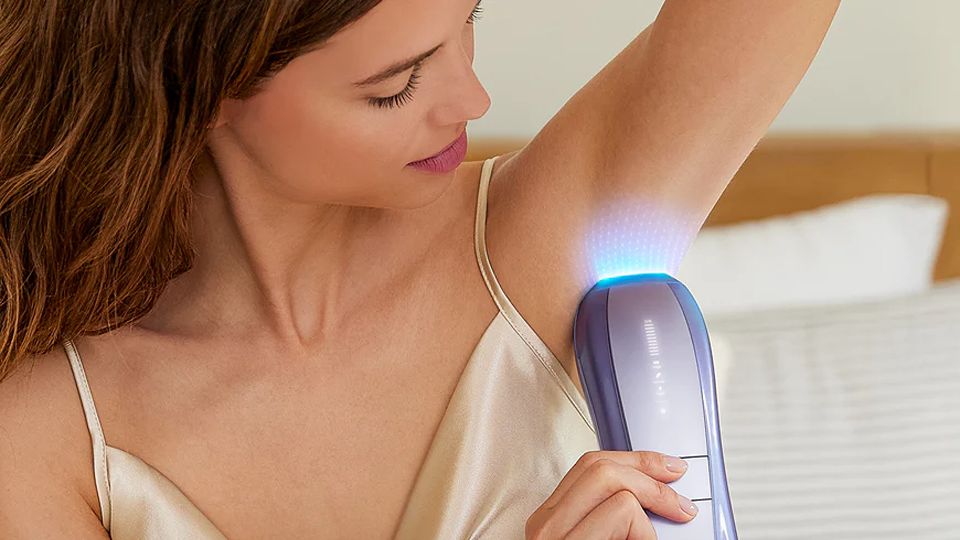
How Many Sessions for Laser Hair Removal Do You Need?

Explore Beauty
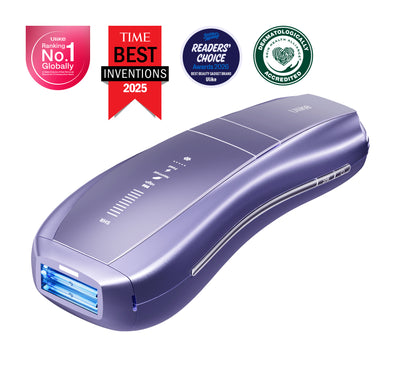
Ulike Air 10
2 weeks to silky smooth skin.
96% Hair Density Reduction in 2 Weeks
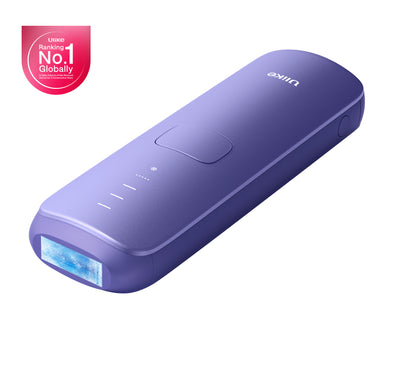
Ulike Air 3
3 weeks to silky smooth skin.
93% Hair Density Reduction in 4 Weeks
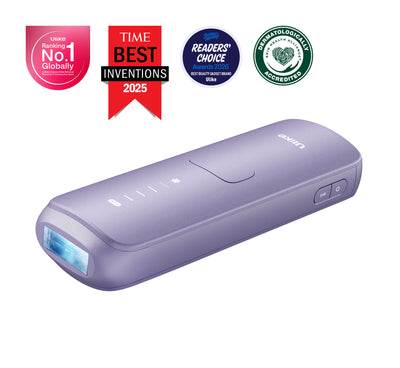
Ulike Air 4
4 weeks to silky smooth skin.
95.8% hair reduction in just 2 weeks*
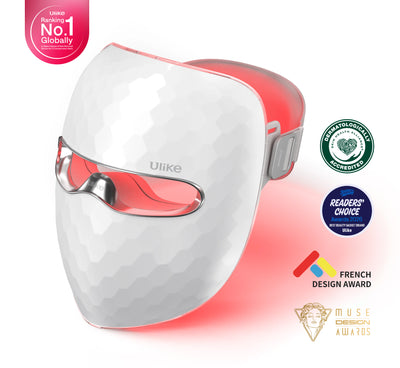
Ulike Reglow
Clearer skin in 2 weeks: Fewer breakouts
Smoother skin in 4 weeks: Fewer lines, firmer feel