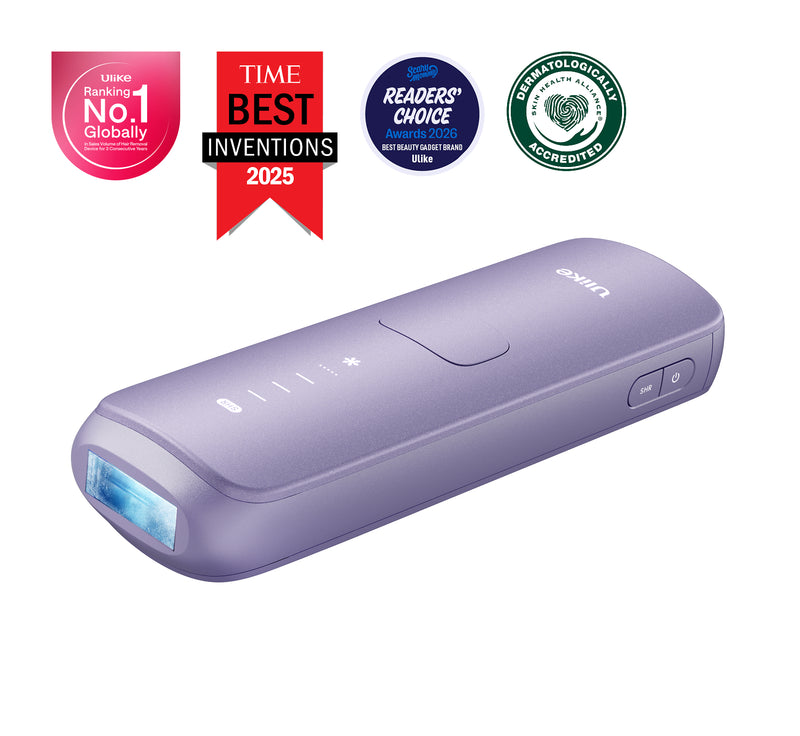
 Ulike ReGlow Pro★ 5.0 (511)


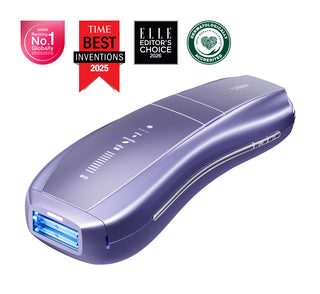
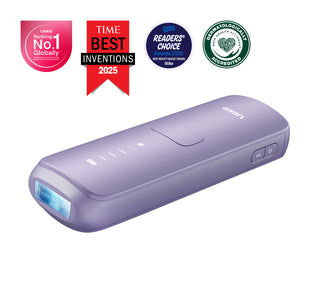


Table of Contents
If you’ve ever stared at a razor and thought, “Isn’t there a better way?”, you’re not alone. IPL hair removal (short for intense pulsed light) is a popular at-home option that uses quick flashes of broad-spectrum light to heat the hair follicle and slow regrowth over time.
So what do dermatologists actually say about IPL laser hair removal? The consensus is usually practical: IPL can work well for the right person, it’s generally safe when used correctly, and results take consistency and patience. Dermatologists also point out a key detail people miss: at-home IPL is not the same as in-office laser. Home devices are designed with lower energy for personal use, so progress is often more gradual.
Below, you’ll get clear expectations for results, who IPL works best for, the safety rules dermatologists want you to follow, and what IPL typically costs.
Does IPL hair removal really work, and what results do dermatologists say are realistic?
Dermatologists usually describe IPL as hair reduction, not guaranteed permanent hair removal. The light is attracted to pigment (melanin) in the hair. That light energy turns into heat, and repeated treatments can weaken the follicle so hair grows back slower, finer, and in smaller amounts.
The part many people underestimate is timing. Hair grows in cycles, and IPL mainly affects hairs in a growth phase. That’s why dermatologists emphasize consistency. Skipping sessions is like watering a plant once and expecting a jungle.
A simple timeline most dermatologists consider realistic:
- Early changes (weeks 2 to 4): regrowth may look patchy, hair can feel softer, shaving becomes easier.
- Build phase (weeks 8 to 12): noticeable reduction for many users who stay on schedule.
- Maintenance (after initial course): touch-ups every so often, because some follicles recover or new growth appears.
What is the success rate of IPL hair removal?
Dermatologists don’t give one “success rate” that fits everyone, because outcomes depend on your skin tone, hair color, hormone factors, and how faithfully you use the device. In plain terms, success usually means less hair, slower regrowth, and fewer days you even think about shaving, not necessarily a completely bare result forever.
At-home IPL also tends to be weaker than professional laser, so improvement can be slower or less dramatic. If you want a deeper look at realistic outcomes, this guide helps set expectations: Realistic IPL results timeline.
What affects your results most: skin tone, hair color, and sticking to a schedule
Dermatologists often explain IPL results with a simple idea: IPL “sees” pigment. Dark hair on lighter to medium skin usually responds best because the device can focus energy on the hair, not the surrounding skin.
You’ll often hear Fitzpatrick skin types mentioned (a common way clinicians describe skin response to sun):
- Types I to IV (very fair to medium, sometimes olive) are often the easiest match for many home IPL devices.
- Very dark skin can carry higher risk of burns or discoloration if a device isn’t designed and rated for deeper tones, because the skin has more pigment competing for the light.
Hair color matters just as much:
- Best match: black and dark brown hair.
- Harder match: very light blonde, red, gray, or white hair, because there’s less pigment for IPL to target.
And the schedule matters more than people think. Missed sessions usually mean slower progress, because you’re not catching enough hairs in the right growth stage.
Older skin and IPL: what matters more than age
Does IPL work on older skin? Dermatologists generally focus less on age and more on hair pigment, skin tone, and skin tolerance. If the hair still has pigment, IPL can still reduce it. If hair has turned gray or white, IPL may do very little.
Older skin can also be thinner or more reactive, so the “how” matters:
- Do a patch test first.
- Start on a lower intensity and step up slowly.
- Be extra cautious on areas that get irritated easily (like the upper lip or bikini line).
If you’re unsure, a dermatologist can help you choose settings and confirm whether IPL is a smart bet for your skin.
Is IPL safe, and what do dermatologists warn people not to do?
Dermatologists generally consider IPL safe for home use when you follow directions and use a device with recognized safety testing. Most side effects are short-term and feel similar to mild sun warmth.
Common, expected effects include:
- warmth or tingling during treatment
- mild redness
- slight swelling around hair follicles
How long does IPL hair removal damage skin?
Most irritation, when it happens, fades within hours to a couple of days. That’s the normal window dermatologists expect for mild redness or follicle swelling. What’s not normal is blistering, scabbing, strong burning pain, or worsening redness after the first day. Those signs suggest the setting was too high, your skin was not a good match, or you treated over tanned skin.
Does IPL hair removal damage collagen?
Dermatologists typically say IPL is designed to target pigment in hair, not collagen. When used correctly, IPL isn’t expected to harm collagen because the goal is controlled heat in the follicle, not deep thermal injury. In fact, IPL is also used in dermatology for certain skin concerns, which is one reason clinicians aren’t generally worried about collagen loss from proper use.
The caution is misuse: treating skin that’s recently tanned, using too high a setting, or repeatedly flashing the same spot can injure the surface and trigger lingering discoloration.
For a deeper safety breakdown, use this resource: Is IPL safe for at-home use?.
Who should avoid IPL hair removal or get medical advice first
Dermatologists often recommend skipping IPL or getting medical guidance first if any of these apply:
- Very deep skin tones if the device is not clearly rated for it
- active skin infections, cold sores, open wounds, or severe irritation in the area
- a history of photosensitivity or use of photosensitizing medications (ask your clinician or pharmacist)
- recent tanning, self-tanner use, or sunburn
- a history of keloid scarring
- uncontrolled pigment disorders (treating them can worsen uneven color)
- pregnancy (commonly a “check with your clinician first” situation)
- active eczema or psoriasis in the treatment area (ask a dermatologist before treating)
If you want a simple contraindications reference, this page is helpful: Who should avoid IPL treatments?.
The basic rules dermatologists want you to follow (so you do not burn or spot your skin)
Dermatologists tend to repeat the same safety rules because they prevent most problems:
- Patch test on a small area, then wait 24 to 48 hours.
- Shave, don’t wax or pluck, because IPL needs the follicle as a target.
- Treat clean, dry skin, no deodorant, perfume, or heavy lotion.
- Start low, increase only if skin stays calm.
- Avoid sun exposure and self-tanner before and during your treatment plan.
- Use eye protection if your device instructions recommend it.
- Don’t treat tattoos, and avoid flashing over dark moles.
- Keep the treatment window flat on the skin, don’t “hover.”
- Follow the schedule, treatments are usually closer together at first, then spaced out.
Aftercare keeps skin quiet:
- cool compress if warm or pink
- fragrance-free moisturizer
- daily sunscreen on exposed areas
- avoid hot showers, saunas, and harsh exfoliation for 24 to 48 hours if you’re sensitive
Cost, comparisons, and choosing the healthiest hair removal option for you
How much does IPL hair removal usually cost?
At-home IPL devices are usually a one-time purchase in the low hundreds of dollars (often around $200 to $600), while professional laser courses commonly cost hundreds to a few thousand dollars depending on the body area and number of sessions. Home IPL can be cheaper over time if you’re consistent, because you’re not paying per visit.
When comparing devices, dermatologists often suggest choosing brands that can show clear safety testing and certifications. For example, Ulike states it holds 1,000+ global patents, 30+ product safety certifications, and has sold millions of devices worldwide. Frost and Sullivan also reported Ulike as No. 1 in global IPL device sales by 2023 sales volume metrics (research completed October 2024). These types of third-party and compliance signals matter when you’re putting light energy on your skin.
What is the healthiest form of hair removal?
“Healthiest” usually means least irritating for your skin, and that varies by person:
- Shaving: low cost and low risk, but frequent friction can cause bumps.
- Waxing/sugaring: longer smoothness, but more pain and higher ingrown risk for some.
- Depilatory creams: fast, but can trigger chemical irritation.
- Professional laser: stronger and often faster results, but higher upfront cost.
- At-home IPL: convenient and usually gentler than clinic devices, but requires routine and patience.
A simple decision guide:
- IPL can be a great fit if you have dark hair, lighter to medium skin, and you want a lower-maintenance routine.
- You may do better with professional care if you have deeper skin tones, a history of pigment issues, or you want faster results.
- If you have a skin condition, take medications that increase sun sensitivity, or you’ve had unusual reactions to light or heat, talk with a dermatologist first.
Conclusion
Dermatologists tend to be refreshingly direct about IPL hair removal: it can be effective, it’s usually safe when used correctly, and it works best when your skin tone and hair color are a good match. At-home IPL results are gradual, so the “secret” is routine, not intensity. Most irritation is short-lived, but burns and dark marks can happen when people ignore the rules, especially tanning and overtreating one spot.
Before you judge your results, do a patch test and commit to a steady plan for at least 8 to 12 weeks. If anything about your skin history feels uncertain, a quick dermatologist check can save you weeks of guesswork.