Does IPL Get Rid of Hair Permanently?
Depilación

Does IPL Get Rid of Hair Permanently?

Ads and TikToks can make IPL sound like a one-way ticket to hair-free skin forever. The truth is simpler, and a lot more useful: IPL is generally considered long-term hair reduction, not guaranteed permanent hair removal for everyone. That doesn’t mean IPL isn’t worth it. It can mean fewer hairs, slower growth, and softer regrowth, so shaving stops feeling like a daily chore. The key is knowing what “permanent” really means, how hair cycles affect results, how long it takes to see a change, and when a different method (like laser or electrolysis) makes more sense. This guide breaks down what to expect from IPL over weeks, months, and years, plus how to get better results at home without wasting flashes. Does IPL get rid of hair permanently, and what “permanent” really means IPL (intense pulsed light) targets pigment in the hair. When the light energy is absorbed, it heats the follicle and can weaken it. Over time, many follicles produce thinner hair, grow more slowly, or stop producing noticeable hair for long stretches. Here’s the part people miss: in the hair removal industry, the honest promise is usually permanent hair reduction, not permanent hair removal. “Permanent” in everyday speech means “never comes back.” With IPL, it’s more like turning your hair growth from a loud alarm into a quiet notification. You may still get regrowth, but it’s often less and easier to manage. Across clinical and consumer reports, a full course of light-based treatments often lands in a wide range, roughly 60 to 95 percent reduction for many people after completing a proper plan, with maintenance sessions needed to keep it there. Studies on professional IPL commonly report strong reduction at follow-ups (often months after treatment), while at-home IPL results vary more, in part because at-home devices are lower power and rely on user consistency. Recent summaries report professional IPL often around 70 to 90 percent reduction after a course, while at-home IPL can fall around 40 to 80 percent with steady use. Hair cycles explain why it takes time. Each follicle rotates through: Anagen (growth): the best time to treat because the hair is connected to the follicle. Catagen (transition): the hair detaches. Telogen (rest): the hair sheds and the follicle “waits.” You can’t treat every hair at once because not all hairs are in the growth stage on the same day. Some follicles can also go dormant and wake up later due to hormones, aging, or missed sessions. A quick comparison that helps set expectations: laser is usually viewed as more “permanent” than IPL because it uses a more focused wavelength, so the energy is more targeted. IPL can still work well, it just tends to need more upkeep. What results most people see over weeks, months, and years Most people don’t wake up hairless after the first session. Results tend to stack. Weeks 1 to 6: Hair often grows back slower. You’ll see patchy thinning, like a lawn that’s not filling in evenly. Some areas look smoother first, others act stubborn. After a full starter plan (often 8 to 12 weeks, device-dependent): This is where many people see a bigger drop, with less shaving and fewer “shadow” areas. Regrowth is often finer. Months to years later: Maintenance matters. Many users do touch-ups every 6 to 12 months, or a few sessions whenever they notice new growth. Think of it like teeth whitening, the first phase does the heavy lift, then you maintain. Who gets the best and worst results with IPL IPL results depend on the contrast between hair and skin, plus how consistent you are. Hair color and thickness: IPL tends to work best on dark, coarse hair because it has more pigment to absorb light. Light blonde, gray, or red hair often responds less. Skin tone: Some at-home devices aren’t suitable for deeper skin tones because higher melanin in skin can absorb more light, raising burn risk. Always use the brand’s skin tone chart. Body area: Legs and underarms often respond faster because hair can be thicker and the skin is easier to treat evenly. Face and bikini can be slower because hair can be hormone-influenced and the skin is more sensitive. Consistency is the make-or-break factor. Skipping weeks is like pausing a workout plan halfway through, you don’t lose everything, but you stretch out your progress. How to make IPL results last longer (and avoid the mistakes that waste flashes) At-home IPL can work well for many people, but only if you treat it like a routine, not a random event. A few basics make a big difference. A practical step-by-step for at-home IPL Shave first (don’t wax or pluck). Yes, you should shave before an IPL session. Shaving leaves the follicle in place (the target), while removing surface hair that can soak up energy. Use clean, dry skin. Lotion, oil, and sweat can interfere with contact and increase irritation. Start low if you’re sensitive. Build up intensity over sessions if your skin tolerates it. Follow the schedule, then switch to maintenance. Using IPL more often than recommended doesn’t “hack” results. Hair cycles still set the pace, and overdoing it can irritate skin. Expect a mild snap sensation. Many people describe IPL as a quick rubber-band snap. Comfort features can help a lot, including cooling systems designed to keep the skin contact area colder. If comfort is a priority, learn how cooling is designed to work in Ulike’s Ice Cooling technology. Common questions, answered clearly: Will IPL remove stubble? It works best on freshly shaved skin, not long hair or visible stubble. Long hairs can absorb light above the skin, causing a burnt smell and more sting. Do at-home IPL devices work? Yes for many people, but expect a slower pace than in-clinic treatments. The trade-off is convenience and cost. How painful is IPL? For most, it’s mild and quick. If it feels hot or painful, lower the intensity and re-check your skin tone match and technique. High-level safety reminders: do a patch test, avoid tattoos and very dark moles, don’t treat irritated or sunburned skin, and follow the device manual. Can you use IPL on pubic hair and the bikini area Many people use IPL on the bikini line. That said, be strict about boundaries: avoid genital areas and mucous membranes, and only treat areas the device approves. Pubic hair can be more stubborn because it’s often thicker, and the skin can be more reactive. Start with a lower intensity, use bright lighting so you don’t miss spots, and keep the skin pulled taut to improve contact. Stop right away if you notice burning, blistering, or lasting swelling, and don’t “push through” discomfort. The simplest routine that fits real life (plus a maintenance plan) A routine you can stick with beats a perfect plan you quit. A simple approach: Starter phase: 1 to 3 times per week for 8 to 12 weeks (follow your device guidance). Maintenance: once every 4 to 8 weeks, then adjust based on regrowth. Small habits help: Pick the same day each week. Track areas so you don’t double-flash. Do larger areas first (legs, arms), then smaller areas. As reduction builds, shaving usually drops from “every day” to “when I feel like it.” If you want the most permanent option, here is how IPL compares to laser and electrolysis If your goal is maximum permanence, it helps to compare the three main options in plain language. IPL: Best for long-term reduction at home. Great for large areas and steady upkeep. Expect maintenance. Professional laser hair removal: Often reduces hair faster than at-home IPL because the energy is stronger and more targeted. What is the downside of laser hair removal? It can be pricey, requires appointments, and can cause short-term redness or irritation. Results still vary by hair and skin type, and some people still need touch-ups. Electrolysis: Often considered the closest thing to truly permanent removal because each follicle is treated one by one. What is the safest form of permanent hair removal? Many experts point to electrolysis as a strong option for permanence across hair colors and skin tones, but safety depends heavily on a trained provider and proper hygiene. It’s also slow, so it’s usually best for smaller areas. When people ask, “What is the best permanent hair removal technology?” the practical answer is: it depends on your goal, budget, pain tolerance, and how much time you’ll commit. For readers who like brands that publish their research approach, Ulike Labs shares expert commentary around IPL safety and use. Ulike Global also reports extensive optical skincare R&D and patenting, including a large global patent portfolio and a long history in IPL research, which helps explain why at-home devices have improved so much in comfort and usability. Quick decision guide: choose IPL if you want simpler upkeep, choose laser or electrolysis if you want max permanence Choose IPL if you want home convenience, lower long-term cost, and you’re willing to do maintenance. Choose professional laser if you want faster reduction with fewer home sessions, and you’re fine with appointments and higher cost. Choose electrolysis if you want the most permanent outcome for smaller areas, and you can handle time, cost, and a slower process. Conclusion IPL usually doesn’t get rid of hair permanently in the “never returns” sense. It’s best described as long-term hair reduction, and most people need maintenance to keep results looking their best. If you want smoother skin with less shaving, IPL can be a solid path, as long as you stick to the schedule and treat the right hair and skin types. If you want the most permanent option, compare laser and electrolysis based on your budget and patience. Pick a plan you’ll actually follow, patch test, and always use your device’s safety chart before your first full session.
21 ene 2026
Share:

Up to 40% Off
& Free Gifts

Learn More
Table of Contents

Ads and TikToks can make IPL sound like a one-way ticket to hair-free skin forever. The truth is simpler, and a lot more useful: IPL is generally considered long-term hair reduction, not guaranteed permanent hair removal for everyone.

That doesn’t mean IPL isn’t worth it. It can mean fewer hairs, slower growth, and softer regrowth, so shaving stops feeling like a daily chore. The key is knowing what “permanent” really means, how hair cycles affect results, how long it takes to see a change, and when a different method (like laser or electrolysis) makes more sense.

This guide breaks down what to expect from IPL over weeks, months, and years, plus how to get better results at home without wasting flashes.

Does IPL get rid of hair permanently, and what “permanent” really means

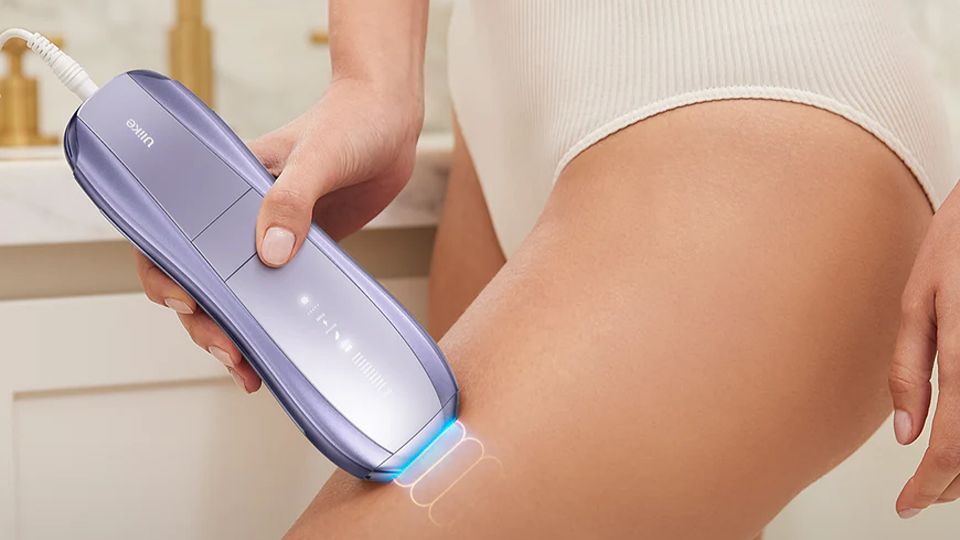
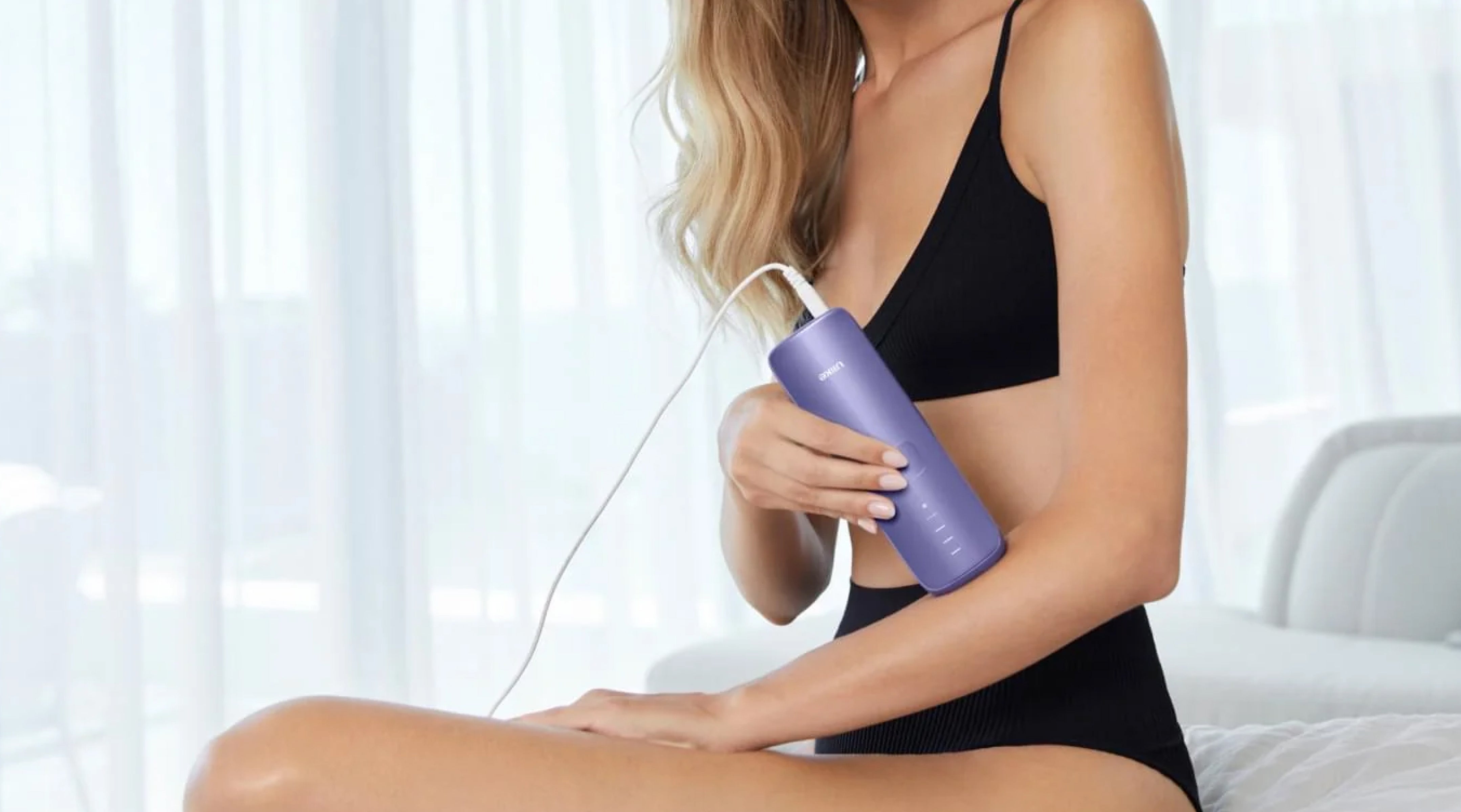
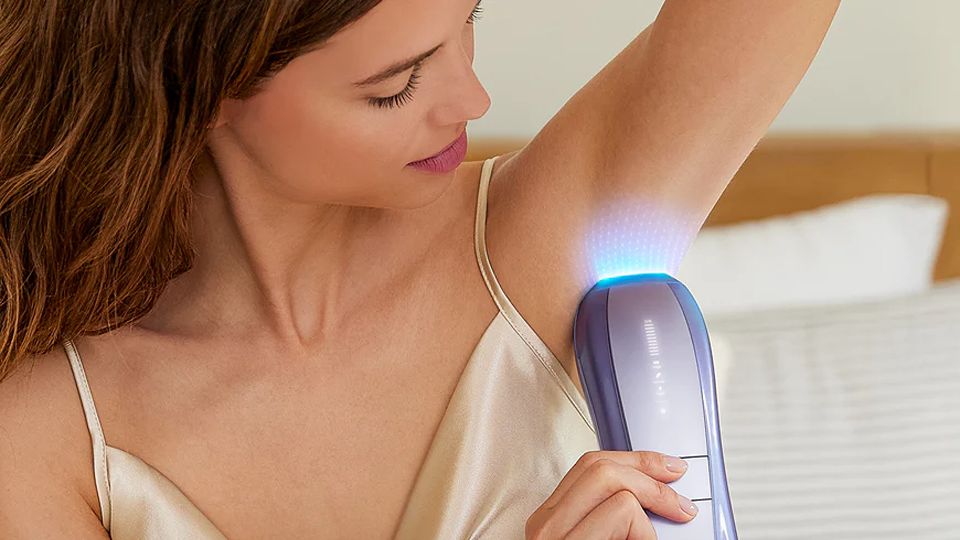
IPL (intense pulsed light) targets pigment in the hair. When the light energy is absorbed, it heats the follicle and can weaken it. Over time, many follicles produce thinner hair, grow more slowly, or stop producing noticeable hair for long stretches.

Here’s the part people miss: in the hair removal industry, the honest promise is usually permanent hair reduction, not permanent hair removal. “Permanent” in everyday speech means “never comes back.” With IPL, it’s more like turning your hair growth from a loud alarm into a quiet notification. You may still get regrowth, but it’s often less and easier to manage.

Across clinical and consumer reports, a full course of light-based treatments often lands in a wide range, roughly 60 to 95 percent reduction for many people after completing a proper plan, with maintenance sessions needed to keep it there. Studies on professional IPL commonly report strong reduction at follow-ups (often months after treatment), while at-home IPL results vary more, in part because at-home devices are lower power and rely on user consistency. Recent summaries report professional IPL often around 70 to 90 percent reduction after a course, while at-home IPL can fall around 40 to 80 percent with steady use.

Hair cycles explain why it takes time. Each follicle rotates through:

  • Anagen (growth): the best time to treat because the hair is connected to the follicle.
  • Catagen (transition): the hair detaches.
  • Telogen (rest): the hair sheds and the follicle “waits.”

You can’t treat every hair at once because not all hairs are in the growth stage on the same day. Some follicles can also go dormant and wake up later due to hormones, aging, or missed sessions.

A quick comparison that helps set expectations: laser is usually viewed as more “permanent” than IPL because it uses a more focused wavelength, so the energy is more targeted. IPL can still work well, it just tends to need more upkeep.

What results most people see over weeks, months, and years

Most people don’t wake up hairless after the first session. Results tend to stack.

Weeks 1 to 6: Hair often grows back slower. You’ll see patchy thinning, like a lawn that’s not filling in evenly. Some areas look smoother first, others act stubborn.

After a full starter plan (often 8 to 12 weeks, device-dependent): This is where many people see a bigger drop, with less shaving and fewer “shadow” areas. Regrowth is often finer.

Months to years later: Maintenance matters. Many users do touch-ups every 6 to 12 months, or a few sessions whenever they notice new growth. Think of it like teeth whitening, the first phase does the heavy lift, then you maintain.

Who gets the best and worst results with IPL

IPL results depend on the contrast between hair and skin, plus how consistent you are.

Hair color and thickness: IPL tends to work best on dark, coarse hair because it has more pigment to absorb light. Light blonde, gray, or red hair often responds less.

Skin tone: Some at-home devices aren’t suitable for deeper skin tones because higher melanin in skin can absorb more light, raising burn risk. Always use the brand’s skin tone chart.

Body area: Legs and underarms often respond faster because hair can be thicker and the skin is easier to treat evenly. Face and bikini can be slower because hair can be hormone-influenced and the skin is more sensitive.

Consistency is the make-or-break factor. Skipping weeks is like pausing a workout plan halfway through, you don’t lose everything, but you stretch out your progress.

How to make IPL results last longer (and avoid the mistakes that waste flashes)

At-home IPL can work well for many people, but only if you treat it like a routine, not a random event. A few basics make a big difference.

A practical step-by-step for at-home IPL

  1. Shave first (don’t wax or pluck).
    Yes, you should shave before an IPL session. Shaving leaves the follicle in place (the target), while removing surface hair that can soak up energy.
  2. Use clean, dry skin.
    Lotion, oil, and sweat can interfere with contact and increase irritation.
  3. Start low if you’re sensitive.
    Build up intensity over sessions if your skin tolerates it.
  4. Follow the schedule, then switch to maintenance.
    Using IPL more often than recommended doesn’t “hack” results. Hair cycles still set the pace, and overdoing it can irritate skin.
  5. Expect a mild snap sensation.
    Many people describe IPL as a quick rubber-band snap. Comfort features can help a lot, including cooling systems designed to keep the skin contact area colder. If comfort is a priority, learn how cooling is designed to work in Ulike’s Ice Cooling technology.

Common questions, answered clearly:

  • Will IPL remove stubble? It works best on freshly shaved skin, not long hair or visible stubble. Long hairs can absorb light above the skin, causing a burnt smell and more sting.
  • Do at-home IPL devices work? Yes for many people, but expect a slower pace than in-clinic treatments. The trade-off is convenience and cost.
  • How painful is IPL? For most, it’s mild and quick. If it feels hot or painful, lower the intensity and re-check your skin tone match and technique.

High-level safety reminders: do a patch test, avoid tattoos and very dark moles, don’t treat irritated or sunburned skin, and follow the device manual.

Can you use IPL on pubic hair and the bikini area

Many people use IPL on the bikini line. That said, be strict about boundaries: avoid genital areas and mucous membranes, and only treat areas the device approves.

Pubic hair can be more stubborn because it’s often thicker, and the skin can be more reactive. Start with a lower intensity, use bright lighting so you don’t miss spots, and keep the skin pulled taut to improve contact. Stop right away if you notice burning, blistering, or lasting swelling, and don’t “push through” discomfort.

The simplest routine that fits real life (plus a maintenance plan)

A routine you can stick with beats a perfect plan you quit.

A simple approach:

  • Starter phase: 1 to 3 times per week for 8 to 12 weeks (follow your device guidance).
  • Maintenance: once every 4 to 8 weeks, then adjust based on regrowth.

Small habits help:

  • Pick the same day each week.
  • Track areas so you don’t double-flash.
  • Do larger areas first (legs, arms), then smaller areas.

As reduction builds, shaving usually drops from “every day” to “when I feel like it.”

If you want the most permanent option, here is how IPL compares to laser and electrolysis

If your goal is maximum permanence, it helps to compare the three main options in plain language.

IPL: Best for long-term reduction at home. Great for large areas and steady upkeep. Expect maintenance.

Professional laser hair removal: Often reduces hair faster than at-home IPL because the energy is stronger and more targeted.
What is the downside of laser hair removal? It can be pricey, requires appointments, and can cause short-term redness or irritation. Results still vary by hair and skin type, and some people still need touch-ups.

Electrolysis: Often considered the closest thing to truly permanent removal because each follicle is treated one by one.
What is the safest form of permanent hair removal? Many experts point to electrolysis as a strong option for permanence across hair colors and skin tones, but safety depends heavily on a trained provider and proper hygiene. It’s also slow, so it’s usually best for smaller areas.

When people ask, “What is the best permanent hair removal technology?” the practical answer is: it depends on your goal, budget, pain tolerance, and how much time you’ll commit.

For readers who like brands that publish their research approach, Ulike Labs shares expert commentary around IPL safety and use. Ulike Global also reports extensive optical skincare R&D and patenting, including a large global patent portfolio and a long history in IPL research, which helps explain why at-home devices have improved so much in comfort and usability.

Quick decision guide: choose IPL if you want simpler upkeep, choose laser or electrolysis if you want max permanence

  • Choose IPL if you want home convenience, lower long-term cost, and you’re willing to do maintenance.
  • Choose professional laser if you want faster reduction with fewer home sessions, and you’re fine with appointments and higher cost.
  • Choose electrolysis if you want the most permanent outcome for smaller areas, and you can handle time, cost, and a slower process.

Conclusion

IPL usually doesn’t get rid of hair permanently in the “never returns” sense. It’s best described as long-term hair reduction, and most people need maintenance to keep results looking their best. If you want smoother skin with less shaving, IPL can be a solid path, as long as you stick to the schedule and treat the right hair and skin types. If you want the most permanent option, compare laser and electrolysis based on your budget and patience. Pick a plan you’ll actually follow, patch test, and always use your device’s safety chart before your first full session.

Anterior
What Dermatologists Say About IPL Laser Hair Removal
Siguiente
Is IPL Better Than an Epilator?
Share:
IPL Hair Removal for the Face: Best At-Home Devices, Safety

IPL Hair Removal for the Face: Best At-Home Devices, Safety

IPL hair removal can reduce facial hair growth at home when your skin tone and hair color are a ...
6 mar 2026
Ulike Air 10 vs Air 3: What Are the Differences?

Ulike Air 10 vs Air 3: What Are the Differences?

Ulike has launched Air 10 in the UK market for general consumers. What’s fascinating about this e...
6 mar 2026
IPL Hair Removal Device for Spring: The Smooth-Skin Plan That Actually Fits Real Life

IPL Hair Removal Device for Spring: The Smooth-Skin Plan That Actually Fits Real Life

Spring has a funny way of changing your schedule. One warm day and suddenly you're thinking about...
21 feb 2026

Need guidance?

Get a free one-on-one consultation

TALK TO AN EXPERT

Explore Beauty

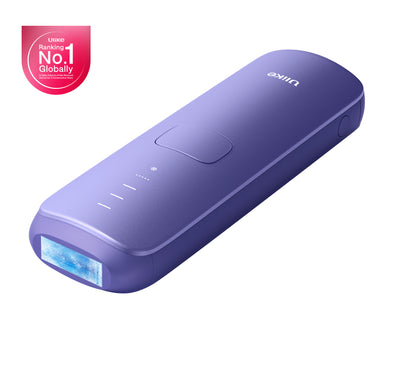
Ulike Air 10

2 weeks to silky smooth skin.

96% Hair Density Reduction in 2 Weeks
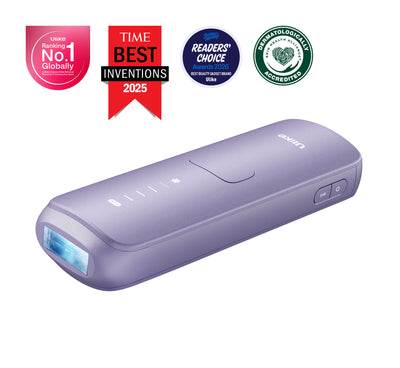
Ulike Air 3

3 weeks to silky smooth skin.

93% Hair Density Reduction in 4 Weeks
Ulike X

3 weeks to silky smooth skin.

94% hair reduction in just 2 weeks*

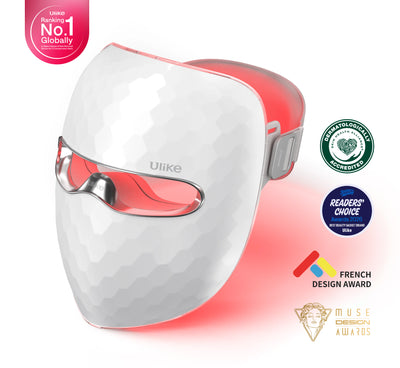
Ulike Reglow LED face mask red light therapy device

Ulike Reglow

Clearer skin in 2 weeks: Fewer breakouts
Smoother skin in 4 weeks: Fewer lines, firmer feel

Deja un comentario

Todos los comentarios son moderados antes de ser publicados.

Back to top