What Is IPL Hair Removal? How Ulike's Sapphire Technology Works
Depilación

What Is IPL Hair Removal? How Ulike's Sapphire Technology Works

IPL hair removal (Intense Pulsed Light) is an at-home hair removal method that uses broad-spectrum light to target the melanin inside hair follicles, damaging their ability to regrow hair over repeated sessions. It's the technology behind most modern IPL hair removal devices, including the category often marketed as at-home laser hair removal. Ulike builds on standard IPL laser hair removal by adding a Sapphire Ice Cooling system, rated for a 65°F (about 18.3°C) skin-contact temperature, which is designed to make each flash feel noticeably cooler and more comfortable on the skin. Table of Contents: Part 1: What Is IPL? (Intense Pulsed Light, Defined) Part 2: How Does IPL Hair Removal Work? Part 3: IPL vs Laser: Key Differences at a Glance Part 4: What Makes Ulike Different: Sapphire Ice Cooling Part 5: Is IPL Safe? FDA Clearance and Skin Tone Guidance Part 6: Getting the Best Results from an At-Home IPL Routine Part 7: Frequently Asked Questions Part 1: What Is IPL? (Intense Pulsed Light, Defined) So what is IPL hair removal, exactly? IPL stands for Intense Pulsed Light. Instead of a single, narrow beam like a medical laser, an IPL hair removal device emits a broad spectrum of visible light, generally somewhere in the 500–1200 nanometer range, in short pulses. Because that pulse covers many wavelengths at once, it can reach several follicles in one flash rather than treating one strand of hair at a time. This is the core distinction people are usually looking for when they search "what is IPL hair removal": IPL is a light-based hair removal device, not a single-wavelength laser hair removal machine. Both approaches rely on light energy and melanin absorption, but they are engineered differently, which is why an IPL hair removal device is a realistic option for home use while most true laser hair removal machines remain concentrated in dermatology clinics and med-spas. In everyday shopping terms, when someone searches for a "hair removal device" for home use, they are almost always looking at an IPL laser hair removal product, sometimes labeled simply as an IPL device or an at-home laser hair removal handset. The underlying technology across most of these consumer products is IPL, even when the marketing language borrows the word "laser." It also helps to understand why IPL became the standard for home use in the first place. Medical lasers concentrate a large amount of energy into a single, narrow wavelength, which is powerful but requires precise control to use safely, the kind of control a trained provider offers in a clinical setting. IPL, by spreading energy across a broader spectrum and a wider flash window, can be engineered to run at lower, safer power levels while still covering more skin per pulse. That trade-off, slightly less concentrated energy in exchange for a larger, more forgiving treatment area, is what makes an IPL hair removal device practical for someone with no medical training to use safely, session after session, in their own bathroom. Part 2: How Does IPL Hair Removal Work? The short version of how IPL hair removal works comes down to three steps: light, heat, and follicle disruption. Light: The device releases a burst of broad-spectrum light onto the skin's surface. Heat: Melanin, the pigment that gives hair its color, absorbs that light energy and converts it into heat. Disruption: The heat travels down into the hair follicle, and the resulting thermal energy weakens the follicle's ability to produce new hair. This is sometimes summarized as a photothermal effect, and it's the same underlying principle behind most professional light-based hair removal treatments described by dermatology resources. Because the hair needs to be in an active growth phase for the follicle to absorb enough energy, IPL and laser hair removal machines both typically require multiple sessions spaced a few weeks apart to catch hairs as they cycle through different growth stages. For anyone comparing an IPL intense pulsed light hair removal overview across different brands, the mechanism itself is fairly consistent industry-wide: broad-spectrum light in, heat converted at the melanin, follicle impacted. What varies between an entry-level hair removal device and a more advanced one is usually the energy output, the flash window (the treatable skin-tone range), the cooling method, and how evenly the device delivers light across a pass. It's also worth understanding why one flash isn't enough to finish the job. Hair grows in cycles: an active growth phase, a transitional phase, and a resting phase, and only hair in the active growth phase carries enough melanin near the surface for an IPL hair removal device to disrupt effectively. At any given time, only a portion of the hair on a treatment area is actually in that active phase, which is exactly why manufacturers of IPL laser hair removal devices recommend a series of sessions spaced roughly one to two weeks apart at first. Each session catches a fresh batch of follicles as they cycle into the active phase, which is how consistent use gradually thins out regrowth over the course of a full treatment plan rather than after a single pass. Part 3: IPL vs Laser: Key Differences at a Glance People often use "IPL" and "laser" interchangeably, but there are real IPL vs laser differences worth knowing before you buy a hair removal device. The table below lays out the practical distinctions without overstating either technology. Feature IPL (Intense Pulsed Light) Laser Hair Removal Light source Broad-spectrum light, roughly 500–1200 nm Single, focused wavelength Precision Covers a wider treatment area per flash More targeted at one follicle depth per pass Sensation Generally described as a mild warmth or light snap Can feel more intense, especially without cooling At-home use Common; most at-home laser hair removal devices are IPL-based Rare for home use; power levels are usually clinic-only Typical cost One-time device purchase, no recurring visit fees Per-session clinic pricing, often billed as a package Neither format is universally "better" — they're built for different settings. A laser hair removal machine used in a clinical setting is operated by a trained professional and can be tuned precisely per patient. An IPL hair removal device is designed to be simpler and safer for a non-professional to use repeatedly at home, which is exactly why IPL is the dominant technology in the at-home laser hair removal category. Part 4: What Makes Ulike Different: Sapphire Ice Cooling Once the basics of IPL laser hair removal are clear, the next common question is how Ulike IPL works differently from a generic IPL device. The main distinction is the Sapphire Ice Cooling system built into the treatment window. Traditional IPL hair removal devices can generate a noticeable amount of warmth against the skin during use, since the light energy is, by design, being converted into heat. Ulike's sapphire-tipped treatment head is engineered to actively cool the skin-contact surface, with a published PDP (product detail page) specification of roughly 65°F (about 18.3°C) at the point of skin contact. This is intended to offset the warming sensation of each flash in real time, rather than requiring an ice pack or numbing step before or after treatment. It's worth noting that some Ulike materials also reference a lower figure, around 15.6°C (about 60°F), but that number is specifically tied to continuous use for 30 minutes rather than the standard skin-contact spec. These two figures describe different measurement conditions and shouldn't be quoted interchangeably; the 65°F (18.3°C) figure is the general skin-contact reference point, while the 15.6°C figure applies only after extended, continuous operation. To be clear, Sapphire Ice Cooling is a comfort feature, not a medical claim. It doesn't change the underlying photothermal mechanism described above, and it isn't positioned as making treatments more effective, only more comfortable to sit through, which in practice can make people more likely to complete a full, consistent treatment plan. This comfort factor matters more than it might first appear. Because IPL hair removal, like any laser hair removal machine, depends on repeated sessions over weeks or months, the single biggest reason people fall short of their results isn't the technology itself, it's simply stopping partway through the plan. A hair removal device that feels tolerable, or even easy, to use is one people are more likely to keep reaching for on schedule. That's the practical logic behind pairing an IPL device with an active cooling system: it's less about any single session and more about supporting the consistency that the underlying biology actually requires. For anyone shopping specifically for a cooling-equipped IPL hair removal device, the Ulike Air 10 is the current flagship model built around this Sapphire cooling design, and it's a useful reference point for what a modern at-home laser hair removal device looks like in practice. Part 5: Is IPL Safe? FDA Clearance and Skin Tone Guidance Safety is one of the first things people want to understand before bringing an IPL hair removal device into their home. In the United States, consumer IPL devices generally go through the FDA's 510(k) premarket notification process. Being listed as FDA-cleared means the manufacturer has demonstrated the device is substantially equivalent, in safety and function, to an existing legally marketed device — it's a safety and equivalence review, not a claim that the device will produce a specific cosmetic result for every user. Skin tone compatibility is the other major safety factor. IPL hair removal devices rely on the contrast between hair pigment and skin pigment to work safely, which is why most IPL laser hair removal products publish a supported range using the Fitzpatrick scale, typically Fitzpatrick skin types I through V (fair to medium-deep skin tones). Very dark skin (Fitzpatrick VI) or very light, non-pigmented hair (white, gray, red, or blonde) generally doesn't provide enough contrast for IPL to work effectively or safely, which is a limitation across the category, not specific to any one brand. Many current-generation IPL hair removal devices, including Ulike's, include an automatic skin tone sensor that reads the treatment area before each flash and adjusts or blocks the pulse if the skin tone falls outside the device's supported range. This kind of built-in sensor is a meaningful safety layer for a hair removal device intended for unsupervised home use, where there isn't a trained technician double-checking settings between passes. As with any at-home laser hair removal device, following the included skin-tone chart, doing a patch test, and using the lowest comfortable energy setting for your first session are standard, sensible precautions, and none of this should be treated as a substitute for the manufacturer's own safety documentation. Part 6: Getting the Best Results from an At-Home IPL Routine Because the technology is the same across most of the category, the difference between a satisfying result and a disappointing one usually comes down to how the IPL hair removal device is actually used, not the device alone. A few habits tend to separate people who see steady improvement from people who don't. Shave, don't wax or pluck, before each session, so there's hair below the surface for the light to reach without burning hair above the skin. Stick to the recommended interval between sessions rather than skipping ahead, since the follicle needs to be caught in its active growth phase. Avoid direct sun exposure or self-tanner on the treatment area in the days before a session, since a sunburned or freshly tanned tone can shift you outside the device's supported skin-tone range. Start at a lower energy setting and increase gradually once you know how your skin responds, rather than starting at the highest setting available. None of these steps are unique to any single hair removal device brand; they apply broadly across IPL laser hair removal products because they follow directly from how the light-to-heat mechanism actually works. Treating the device correctly is, in a very real sense, just as important as which device you choose. Part 7: Frequently Asked Questions Q1: What is IPL hair removal? IPL hair removal is an at-home hair removal method that uses broad-spectrum light, roughly 500–1200 nanometers, to heat the melanin inside hair follicles and disrupt regrowth over a series of sessions. It's the technology used in most modern IPL hair removal devices and at-home laser hair removal handsets. Q2: How does Ulike's IPL technology work? Ulike devices use the same core light-to-heat-to-follicle mechanism as other IPL laser hair removal products, paired with a Sapphire Ice Cooling treatment head rated at roughly 65°F (18.3°C) at skin contact, plus an automatic skin tone sensor that checks the treatment area before each flash. Q3: Is IPL safe for all skin tones? IPL is generally supported for Fitzpatrick skin types I through V. It's typically not recommended for very dark skin tones or for hair with little pigment, such as white, gray, or blonde hair, because the technology depends on contrast between skin and hair color to function safely. What's the difference between IPL and laser? IPL uses broad-spectrum light and treats a wider area per flash, while laser hair removal machines use a single focused wavelength typically reserved for clinical settings. See the IPL vs Laser comparison table above for a fuller side-by-side breakdown of the IPL vs laser differences. Q4: How long does IPL hair removal take? Treatment length depends on the body area and your personal hair growth cycle, and most routines are spread across multiple sessions rather than completed in one sitting. For a full session-by-session breakdown, see the IPL treatment plan guide. Conclusion If you're weighing an IPL hair removal device against a trip to a clinic for laser hair removal, the honest summary is this: both rely on the same light-to-heat principle, but IPL is the format built for safe, repeatable use at home, while laser hair removal machines remain a professional-only tool. Comfort features like Sapphire Ice Cooling exist specifically to make an at-home routine easier to stick with, since consistency across sessions matters more than any single flash. To browse the full range of options, you can explore Ulike's IPL hair removal devices collection and compare specs, treatment windows, and cooling features side by side before choosing the hair removal device that fits your skin tone and routine. Ultimately, the questions people ask, what is IPL hair removal, how does IPL hair removal work, and how does Ulike IPL work, all point toward the same practical decision: whether a light-based hair removal device fits into your routine better than repeated clinic visits for laser hair removal. For most people managing hair growth on their own schedule, at home, and on their own budget, an IPL hair removal device offers a reasonable, well-documented middle ground between disposable razors and professional laser treatment, provided expectations are grounded in what the technology can and can't do, and sessions are kept consistent over the full recommended treatment plan.
1 jul 2026
Share:

Up to 40% Off
& Free Gifts

Learn More
Table of Contents

IPL hair removal (Intense Pulsed Light) is an at-home hair removal method that uses broad-spectrum light to target the melanin inside hair follicles, damaging their ability to regrow hair over repeated sessions. It's the technology behind most modern IPL hair removal devices, including the category often marketed as at-home laser hair removal. Ulike builds on standard IPL laser hair removal by adding a Sapphire Ice Cooling system, rated for a 65°F (about 18.3°C) skin-contact temperature, which is designed to make each flash feel noticeably cooler and more comfortable on the skin.

Table of Contents:

Part 1: What Is IPL? (Intense Pulsed Light, Defined)

So what is IPL hair removal, exactly? IPL stands for Intense Pulsed Light. Instead of a single, narrow beam like a medical laser, an IPL hair removal device emits a broad spectrum of visible light, generally somewhere in the 500–1200 nanometer range, in short pulses. Because that pulse covers many wavelengths at once, it can reach several follicles in one flash rather than treating one strand of hair at a time.


This is the core distinction people are usually looking for when they search "what is IPL hair removal": IPL is a light-based hair removal device, not a single-wavelength laser hair removal machine. Both approaches rely on light energy and melanin absorption, but they are engineered differently, which is why an IPL hair removal device is a realistic option for home use while most true laser hair removal machines remain concentrated in dermatology clinics and med-spas.


IPL Hair Removal


In everyday shopping terms, when someone searches for a "hair removal device" for home use, they are almost always looking at an IPL laser hair removal product, sometimes labeled simply as an IPL device or an at-home laser hair removal handset. The underlying technology across most of these consumer products is IPL, even when the marketing language borrows the word "laser."


It also helps to understand why IPL became the standard for home use in the first place. Medical lasers concentrate a large amount of energy into a single, narrow wavelength, which is powerful but requires precise control to use safely, the kind of control a trained provider offers in a clinical setting. IPL, by spreading energy across a broader spectrum and a wider flash window, can be engineered to run at lower, safer power levels while still covering more skin per pulse. That trade-off, slightly less concentrated energy in exchange for a larger, more forgiving treatment area, is what makes an IPL hair removal device practical for someone with no medical training to use safely, session after session, in their own bathroom.

Part 2: How Does IPL Hair Removal Work?

The short version of how IPL hair removal works comes down to three steps: light, heat, and follicle disruption.

  • Light: The device releases a burst of broad-spectrum light onto the skin's surface.
  • Heat: Melanin, the pigment that gives hair its color, absorbs that light energy and converts it into heat.
  • Disruption: The heat travels down into the hair follicle, and the resulting thermal energy weakens the follicle's ability to produce new hair.

This is sometimes summarized as a photothermal effect, and it's the same underlying principle behind most professional light-based hair removal treatments described by dermatology resources. Because the hair needs to be in an active growth phase for the follicle to absorb enough energy, IPL and laser hair removal machines both typically require multiple sessions spaced a few weeks apart to catch hairs as they cycle through different growth stages.


For anyone comparing an IPL intense pulsed light hair removal overview across different brands, the mechanism itself is fairly consistent industry-wide: broad-spectrum light in, heat converted at the melanin, follicle impacted. What varies between an entry-level hair removal device and a more advanced one is usually the energy output, the flash window (the treatable skin-tone range), the cooling method, and how evenly the device delivers light across a pass.


IPL Hair Removal


It's also worth understanding why one flash isn't enough to finish the job. Hair grows in cycles: an active growth phase, a transitional phase, and a resting phase, and only hair in the active growth phase carries enough melanin near the surface for an IPL hair removal device to disrupt effectively. At any given time, only a portion of the hair on a treatment area is actually in that active phase, which is exactly why manufacturers of IPL laser hair removal devices recommend a series of sessions spaced roughly one to two weeks apart at first. Each session catches a fresh batch of follicles as they cycle into the active phase, which is how consistent use gradually thins out regrowth over the course of a full treatment plan rather than after a single pass.

Part 3: IPL vs Laser: Key Differences at a Glance

People often use "IPL" and "laser" interchangeably, but there are real IPL vs laser differences worth knowing before you buy a hair removal device. The table below lays out the practical distinctions without overstating either technology.


Feature IPL (Intense Pulsed Light) Laser Hair Removal
Light source Broad-spectrum light, roughly 500–1200 nm Single, focused wavelength
Precision Covers a wider treatment area per flash More targeted at one follicle depth per pass
Sensation Generally described as a mild warmth or light snap Can feel more intense, especially without cooling
At-home use Common; most at-home laser hair removal devices are IPL-based Rare for home use; power levels are usually clinic-only
Typical cost One-time device purchase, no recurring visit fees Per-session clinic pricing, often billed as a package


Neither format is universally "better" — they're built for different settings. A laser hair removal machine used in a clinical setting is operated by a trained professional and can be tuned precisely per patient. An IPL hair removal device is designed to be simpler and safer for a non-professional to use repeatedly at home, which is exactly why IPL is the dominant technology in the at-home laser hair removal category.

Part 4: What Makes Ulike Different: Sapphire Ice Cooling

Once the basics of IPL laser hair removal are clear, the next common question is how Ulike IPL works differently from a generic IPL device. The main distinction is the Sapphire Ice Cooling system built into the treatment window.


Traditional IPL hair removal devices can generate a noticeable amount of warmth against the skin during use, since the light energy is, by design, being converted into heat. Ulike's sapphire-tipped treatment head is engineered to actively cool the skin-contact surface, with a published PDP (product detail page) specification of roughly 65°F (about 18.3°C) at the point of skin contact. This is intended to offset the warming sensation of each flash in real time, rather than requiring an ice pack or numbing step before or after treatment.


It's worth noting that some Ulike materials also reference a lower figure, around 15.6°C (about 60°F), but that number is specifically tied to continuous use for 30 minutes rather than the standard skin-contact spec. These two figures describe different measurement conditions and shouldn't be quoted interchangeably; the 65°F (18.3°C) figure is the general skin-contact reference point, while the 15.6°C figure applies only after extended, continuous operation.


To be clear, Sapphire Ice Cooling is a comfort feature, not a medical claim. It doesn't change the underlying photothermal mechanism described above, and it isn't positioned as making treatments more effective, only more comfortable to sit through, which in practice can make people more likely to complete a full, consistent treatment plan.


This comfort factor matters more than it might first appear. Because IPL hair removal, like any laser hair removal machine, depends on repeated sessions over weeks or months, the single biggest reason people fall short of their results isn't the technology itself, it's simply stopping partway through the plan.


A hair removal device that feels tolerable, or even easy, to use is one people are more likely to keep reaching for on schedule. That's the practical logic behind pairing an IPL device with an active cooling system: it's less about any single session and more about supporting the consistency that the underlying biology actually requires.


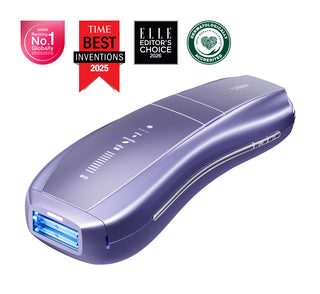
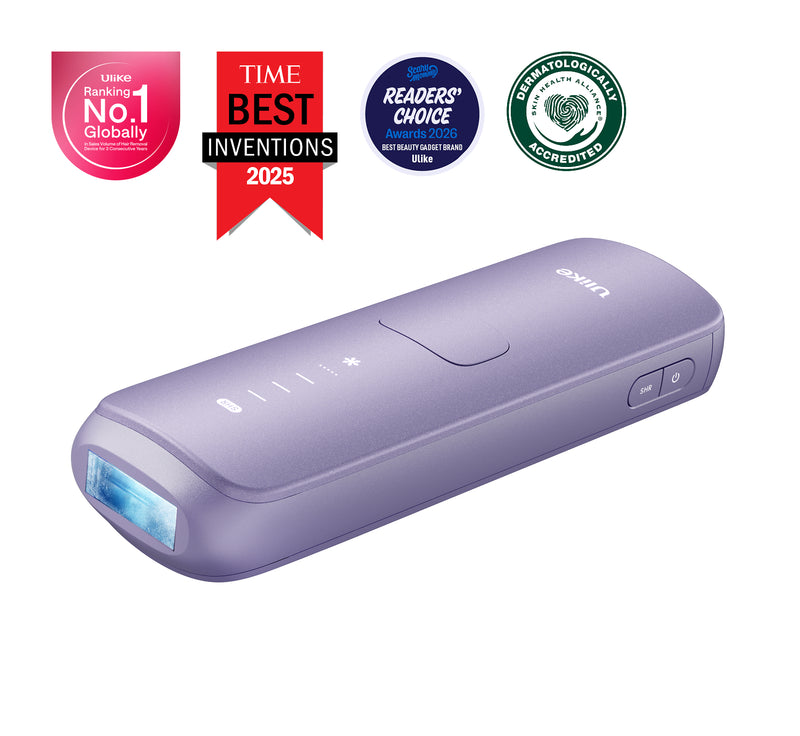
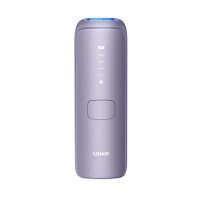
For anyone shopping specifically for a cooling-equipped IPL hair removal device, the Ulike Air 10 is the current flagship model built around this Sapphire cooling design, and it's a useful reference point for what a modern at-home laser hair removal device looks like in practice.

Part 5: Is IPL Safe? FDA Clearance and Skin Tone Guidance

Safety is one of the first things people want to understand before bringing an IPL hair removal device into their home. In the United States, consumer IPL devices generally go through the FDA's 510(k) premarket notification process. Being listed as FDA-cleared means the manufacturer has demonstrated the device is substantially equivalent, in safety and function, to an existing legally marketed device — it's a safety and equivalence review, not a claim that the device will produce a specific cosmetic result for every user.


Skin tone compatibility is the other major safety factor. IPL hair removal devices rely on the contrast between hair pigment and skin pigment to work safely, which is why most IPL laser hair removal products publish a supported range using the Fitzpatrick scale, typically Fitzpatrick skin types I through V (fair to medium-deep skin tones). Very dark skin (Fitzpatrick VI) or very light, non-pigmented hair (white, gray, red, or blonde) generally doesn't provide enough contrast for IPL to work effectively or safely, which is a limitation across the category, not specific to any one brand.


Many current-generation IPL hair removal devices, including Ulike's, include an automatic skin tone sensor that reads the treatment area before each flash and adjusts or blocks the pulse if the skin tone falls outside the device's supported range. This kind of built-in sensor is a meaningful safety layer for a hair removal device intended for unsupervised home use, where there isn't a trained technician double-checking settings between passes.


As with any at-home laser hair removal device, following the included skin-tone chart, doing a patch test, and using the lowest comfortable energy setting for your first session are standard, sensible precautions, and none of this should be treated as a substitute for the manufacturer's own safety documentation.

Part 6: Getting the Best Results from an At-Home IPL Routine

Because the technology is the same across most of the category, the difference between a satisfying result and a disappointing one usually comes down to how the IPL hair removal device is actually used, not the device alone. A few habits tend to separate people who see steady improvement from people who don't.

  • Shave, don't wax or pluck, before each session, so there's hair below the surface for the light to reach without burning hair above the skin.
  • Stick to the recommended interval between sessions rather than skipping ahead, since the follicle needs to be caught in its active growth phase.
  • Avoid direct sun exposure or self-tanner on the treatment area in the days before a session, since a sunburned or freshly tanned tone can shift you outside the device's supported skin-tone range.
  • Start at a lower energy setting and increase gradually once you know how your skin responds, rather than starting at the highest setting available.

None of these steps are unique to any single hair removal device brand; they apply broadly across IPL laser hair removal products because they follow directly from how the light-to-heat mechanism actually works. Treating the device correctly is, in a very real sense, just as important as which device you choose.

Part 7: Frequently Asked Questions

Q1: What is IPL hair removal?

IPL hair removal is an at-home hair removal method that uses broad-spectrum light, roughly 500–1200 nanometers, to heat the melanin inside hair follicles and disrupt regrowth over a series of sessions. It's the technology used in most modern IPL hair removal devices and at-home laser hair removal handsets.

Q2: How does Ulike's IPL technology work?

Ulike devices use the same core light-to-heat-to-follicle mechanism as other IPL laser hair removal products, paired with a Sapphire Ice Cooling treatment head rated at roughly 65°F (18.3°C) at skin contact, plus an automatic skin tone sensor that checks the treatment area before each flash.

Q3: Is IPL safe for all skin tones?

IPL is generally supported for Fitzpatrick skin types I through V. It's typically not recommended for very dark skin tones or for hair with little pigment, such as white, gray, or blonde hair, because the technology depends on contrast between skin and hair color to function safely.


What's the difference between IPL and laser? IPL uses broad-spectrum light and treats a wider area per flash, while laser hair removal machines use a single focused wavelength typically reserved for clinical settings. See the IPL vs Laser comparison table above for a fuller side-by-side breakdown of the IPL vs laser differences.

Q4: How long does IPL hair removal take?

Treatment length depends on the body area and your personal hair growth cycle, and most routines are spread across multiple sessions rather than completed in one sitting. For a full session-by-session breakdown, see the IPL treatment plan guide.

Conclusion

If you're weighing an IPL hair removal device against a trip to a clinic for laser hair removal, the honest summary is this: both rely on the same light-to-heat principle, but IPL is the format built for safe, repeatable use at home, while laser hair removal machines remain a professional-only tool. Comfort features like Sapphire Ice Cooling exist specifically to make an at-home routine easier to stick with, since consistency across sessions matters more than any single flash. To browse the full range of options, you can explore Ulike's IPL hair removal devices collection and compare specs, treatment windows, and cooling features side by side before choosing the hair removal device that fits your skin tone and routine.


Ultimately, the questions people ask, what is IPL hair removal, how does IPL hair removal work, and how does Ulike IPL work, all point toward the same practical decision: whether a light-based hair removal device fits into your routine better than repeated clinic visits for laser hair removal. For most people managing hair growth on their own schedule, at home, and on their own budget, an IPL hair removal device offers a reasonable, well-documented middle ground between disposable razors and professional laser treatment, provided expectations are grounded in what the technology can and can't do, and sessions are kept consistent over the full recommended treatment plan.


Anterior
Home IPL Laser Hair Removal — 2026 Complete Buying Guide
Share:
Home IPL Laser Hair Removal — 2026 Complete Buying Guide

Home IPL Laser Hair Removal — 2026 Complete Buying Guide

Smooth, stubble-free skin used to mean repeated salon appointments and mounting professional lase...
1 jul 2026
How Many IPL Sessions Does Ulike Take? Complete 12-Week Treatment Plan

How Many IPL Sessions Does Ulike Take? Complete 12-Week Treatment Plan

If you’re asking about IPL hair removal how many sessions before you see a real difference, the s...
1 jul 2026
Best At-Home IPL Hair Removal Devices 2026 — Ulike's Expert Picks

Best At-Home IPL Hair Removal Devices 2026 — Ulike's Expert Picks

If you're searching for the best at-home IPL hair removal devices in 2026, you already know the ...
30 jun 2026

Need guidance?

Get a free one-on-one consultation

TALK TO AN EXPERT

Explore Beauty

Purple laser hair remover with Ulike branding and awards on a white background

Ulike Air 10

2 weeks to silky smooth skin.

96% Hair Density Reduction in 2 Weeks

Ulike Air 3

3 weeks to silky smooth skin.

93% Hair Density Reduction in 4 Weeks

Ulike X

3 weeks to silky smooth skin.

94% hair reduction in just 2 weeks*

Ulike Reglow LED face mask red light therapy device

Ulike Reglow

Clearer skin in 2 weeks: Fewer breakouts
Smoother skin in 4 weeks: Fewer lines, firmer feel

Deja un comentario

Todos los comentarios son moderados antes de ser publicados.

Back to top