



Best IPL Device for Sensitive Skin in 2026

Sensitive skin changes the intense pulsed light (IPL) shopping math. The strongest device isn't the best choice if it leaves you red, hot, or hesitant to use it again.
For most people, the right at-home laser hair removal pick is the one that keeps treatment comfortable, adjusts gently, and matches your skin tone safely. In 2026, Ulike Air 3 stands out for many sensitive-skin shoppers because built-in cooling is the main feature, while Braun Silk-expert Pro 5 and BoSidin are still strong options for different needs.
The details matter, so start with the features that protect your skin before you look at power claims.
Key Takeaways
- Ulike Air 3 stands out as the best overall IPL device for sensitive skin in 2026 thanks to its sapphire ice-cooling at 65°F, 5 intensity levels, and gynecological testing for bikini areas, making treatments comfortable without sacrificing results.
- Prioritize cooling technology, skin tone sensors, multiple intensity levels, and contact sensors over raw power to keep sessions gentle and irritation-free on reactive skin.
- IPL works best on fair to medium-brown skin tones (Fitzpatrick I-V) with dark hair; always do a patch test, start low, shave first, and avoid sun, tattoos, or active skin issues.
- Consistency with patient, low-setting use beats aggressive treatments—expect 70-90% hair reduction in 4-12 weeks if you match the device to your skin's needs.
- Consult a dermatologist if you have very dark skin, eczema, or light hair, as home IPL isn't suitable for everyone.
What sensitive skin needs from an IPL device
At-home IPL, much like at-home laser hair removal, uses broad-spectrum light to target melanin within hair follicles and slow regrowth at the source. If you want a quick refresher on how IPL hair removal works, that basic science explains why dark hair responds best and why blonde, red, gray, and white hair usually don't.
Sensitive skin doesn't change that science, but it does change how a device feels. A good IPL device for sensitive skin should have multiple intensity levels, a true sensitive mode, a skin-tone sensor, and a contact sensor that stops stray flashes. Fast treatment also helps, because fewer passes mean less heat buildup and less temptation to go over the same spot twice. Intense pulsed light sessions should be customized for comfort.
Cooling technology can matter even more for reactive skin. If your skin reacts to waxing, shaving, or heat, a chilled treatment window can make home IPL much easier to tolerate. That's why so many 2026 comparisons put comfort features near the top, not just raw power.
Skin tone and hair color still matter most. Current guidance says home IPL is generally safest and most effective for fair to medium-brown skin tones, often called Fitzpatrick I to V, and it works best on dark hair. It isn't a good fit for very dark skin tones, recently tanned skin, or very light hair. Using the wrong settings can lead to side effects like redness. If you have eczema, dermatitis, or a habit of post-shave rashes, wait until your skin is calm. A dermatologist-backed IPL safety guide also warns people with deeper skin tones to get medical advice first rather than guessing at home.
How to compare comfort, speed, and value
When two at-home laser hair removal devices look close on paper, sensitive skin changes what counts as a smart buy. A cheaper option can turn into poor value if it feels harsh enough that you stop using it after two sessions.
For comfort, look first at cooling and then at the number of intensity levels. Cooling helps in the moment. A wider range of intensity levels and energy settings allows for customized care over time, because you can start lower on the bikini line or underarms and use more power on legs if your skin stays calm.
Next, look at sensors and contact checks. Skin tone sensors automatically adjust based on your skin tone to lower the chance of using too much energy on a darker area of skin. Contact sensors help the device flash only when it's flat against the skin, which makes sessions feel more controlled.
Then think about speed and head size. Fast flash rates matter on legs and arms, while a precision head helps around knees, ankles, upper lips, and bikini edges. In 2026, most strong home IPL devices sit in the $200 to $500 range. Real value is the mix of price, comfort, and whether the device fits easily into a routine you'll keep.
Best at-home IPL devices for sensitive skin in 2026
Three FDA-cleared intense pulsed light devices stand out in 2026 because they address the biggest pain points for sensitive-skin users: heat, intensity control, and safety checks.

This quick comparison shows where each one fits best.
| Device | Why it may suit sensitive skin | Comfort and safety highlights | Main drawback |
|---|---|---|---|
| Ulike Air 3 | Best overall for many heat-sensitive users | sapphire ice-cooling around 65 F, 5 intensity levels, outer bikini-area testing noted in 2026 guidance | Cooling can make it feel gentler than it is, so you still need a cautious start |
| Braun Silk-expert Pro 5 | Best for auto-adjusting safety and speed | Real-time skin-tone reading, 3 modes, direct-contact flashes | Strong sensor support, but it doesn't focus on active cooling |
| BoSidin | Best if heat is your biggest trigger | cooling technology down to 41 F, skin sensor, multiple levels | Cooling helps, but it doesn't change basic IPL limits on skin tone and hair color |
If you want one answer, Ulike Air 3 is the strongest overall match for many sensitive-skin shoppers. Braun and BoSidin can still be better fits if your top priority is speed or maximum cooling.
Ulike Air 3 is the best overall pick for comfort
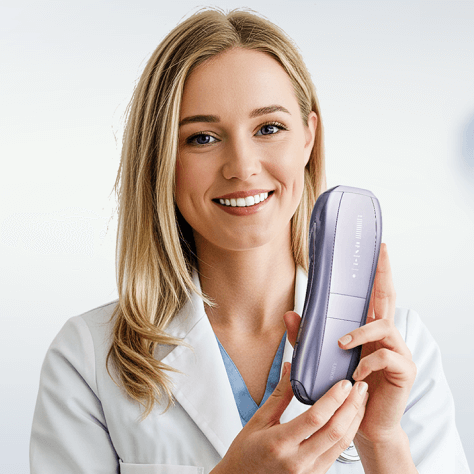
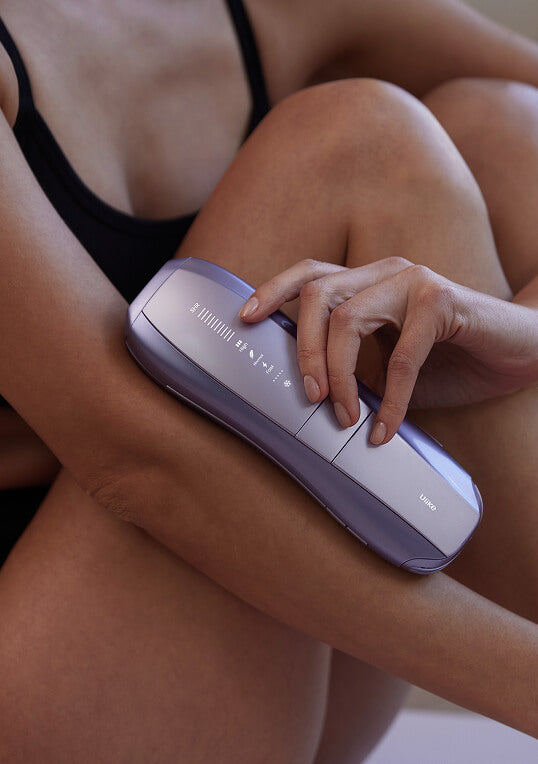
Ulike Air 3 earns the top spot because it tackles the part of IPL that bothers sensitive skin most: heat. Its sapphire ice-cooling system keeps the treatment window around 65 F, which can soften the snap many people feel during flashes and provides a pain-free experience. On underarms, bikini lines, and other reactive spots, that extra comfort can be the difference between sticking with treatment and giving up after week one.
It also gives you room to ease in. With 5 intensity levels, you can start low and build up instead of jumping straight to a stronger setting. Current 2026 guidance also notes that Ulike Air 3 is gynecologically tested for outer bikini and pubic areas, which is helpful if those zones are your main concern.
The trade-off is simple. Cooling can make the device feel so comfortable that some users rush the process. Don't. You still need a patch test, and you still need to avoid tattoos, large dark moles, broken skin, the labia minora, the vaginal opening, nipples, and the anus.
Braun Silk-expert Pro 5 is the best choice for sensor-led safety
Braun Silk-expert Pro 5 is a smart pick if you want the device doing more of the safety work for you. Its SensoAdapt technology reads skin tone in real time and adjusts intensity as you move across the area. That matters when your skin tone varies slightly between your lower legs, underarms, and bikini line.
Speed is another reason sensitive users like it, offering efficiency during full body treatment. The faster you can finish a session, the less likely you are to overwork the same spot. Cosmopolitan's overview of Braun's safety features also highlights its direct-contact flashes and gentler modes for delicate areas.
Its weak point is comfort, not control. Braun's strength is sensing and pace, so people who react badly to heat may still prefer a device with active cooling built in.
BoSidin is worth a look if heat is your main trigger
BoSidin belongs on the short list for one reason: aggressive cooling technology. Current 2026 buying guidance highlights cooling technology down to 41 F, plus a skin sensor and multiple intensity levels. If every other device you've tried felt too hot, that feature alone makes it interesting.
That said, cooling isn't a free pass. BoSidin still follows the same rules as every other home IPL device. It works best on the right mix of skin tone and hair color, and it still needs a slow first session on a low setting. For people who want the coldest treatment feel, it may be the most appealing choice. For beginners who want the simplest learning curve, Ulike Air 3 or Braun Pro 5 may feel easier.
How to use IPL on sensitive skin without setting it off
The device matters, but your routine matters just as much. A gentle plan cuts irritation more than chasing the highest setting.
A quick review of what IPL hair removal is helps here: the light targets hair in the follicle to reduce ingrown hairs, so you should shave first and never wax or pluck before a session.
- Shave the area, then wash and dry your skin. Skip deodorant, fragrance, self-tanner, exfoliating acids, and retinoids right before treatment.
- Do a patch test on a small spot with the lowest or sensitive mode. Then wait 24 to 48 hours before treating a larger area.
- Treat only calm, intact skin. Hold off if you have cuts, razor burn, active eczema, sunburn, or a rash.
- Start with the lowest comfortable setting. Keep full contact with the skin, and don't overlap flashes more than the device guide allows. Consistency across treatment sessions is vital for visible results.
- Soothe the area after treatment with a plain moisturizer or aloe if your skin likes it. Then avoid direct sun, and be strict with SPF. Current 2026 advice still says sun exposure for the next week can raise irritation risk.
- Stay consistent, but keep your expectations realistic. IPL must sync with the hair growth cycle to achieve permanent hair reduction. Many users see meaningful reduction in 4 to 12 weeks, and 70 to 90 percent less hair is a reasonable upper range, not a promise.
Patch test first, then wait a full day or two before treating a larger area. Sensitive skin often reacts late, not right away.
Lower settings don't ruin results. IPL works over repeated hair cycles, so steady use beats aggressive use. If your skin stays calm for a few sessions, you can move up one level. If redness lingers, step back down and give your skin more time.
Some zones need extra care. Even if a device has a gentle mode, at-home laser hair removal should never be used on tattoos, dark moles, wounds, cystic acne, and mucosal tissue. The bikini line and outer bikini zones may be allowed on some devices, but the most delicate areas still aren't fair game. If a treated spot stays angry, swollen, or blistered, stop and call a dermatologist.
When home IPL isn't the right call
Home IPL can be safe, but only for the right person using the right device. A systematic review of home-based dermatology devices found good overall safety data, yet it also makes clear that proper patient selection matters.
Talk with a board-certified dermatologist before you buy if you have a history of skin cancer, vitiligo, psoriasis, frequent skin flares, or you take a medicine that raises light sensitivity. The same goes if you're prone to hyperpigmentation or pigment changes after small injuries, because even mild irritation can leave marks behind.
You should also skip home IPL if you're pregnant, breastfeeding, under 18, freshly tanned, or treating an active flare of eczema or dermatitis. If you aren't sure whether your skin tone is in range, don't guess from online charts. Use the brand's tone guide, then ask a dermatologist if you're still unsure.
If your skin tone is very deep, home IPL may not be the right tool at all. In that case, a dermatologist can tell you whether an office-based intense pulsed light treatment or another hair-removal method with adjustable energy settings is safer.
Frequently Asked Questions
Is IPL safe for sensitive skin?
Yes, at-home IPL can be safe for sensitive skin with the right device featuring cooling, multiple intensity levels, and sensors. Start with a patch test on the lowest setting and wait 24-48 hours to check for reactions. Devices like Ulike Air 3 make it more tolerable by minimizing heat buildup during flashes.
Which is the best IPL device for sensitive skin in 2026?
Ulike Air 3 is the top pick for most due to its effective sapphire ice-cooling and adjustable intensities that keep treatments pain-free. Braun Silk-expert Pro 5 excels in auto-adjusting safety via skin tone sensors, while BoSidin offers maximum cooling down to 41°F for heat-sensitive users. Choose based on your priority: overall comfort, speed, or extreme chill.
What skin tones and hair colors work best with IPL?
Home IPL is safest and most effective on fair to medium-brown skin tones (Fitzpatrick I-V) paired with dark hair, as the light targets melanin in follicles. It doesn't work well on very dark skin, recently tanned skin, or light/blonde/red/gray/white hair. Use a brand's skin tone guide and consult a dermatologist if unsure to avoid burns or poor results.
How should I use IPL on sensitive skin to avoid irritation?
Shave the area first, do a patch test on low/sensitive mode, and treat only calm, intact skin while avoiding deodorants or exfoliants beforehand. Use full skin contact, don't overlap flashes excessively, and soothe with moisturizer after while protecting from sun with SPF. Stay consistent but gentle—lower settings build results over 4-12 weeks without triggering flares.
When should I avoid home IPL?
Skip home IPL if pregnant, breastfeeding, under 18, or dealing with active eczema, sunburn, razor burn, tattoos, dark moles, or very dark skin tones. Also avoid if you have a history of skin cancer, hyperpigmentation, or medications increasing light sensitivity. See a dermatologist first for personalized advice rather than risking irritation or pigment changes.
Final thoughts
If your skin reacts to almost everything, comfort should lead the decision. That is why Ulike Air 3 is the best overall IPL device for many sensitive-skin users in 2026, while Braun Silk-expert Pro 5 is a close second for people who want stronger built-in guidance. Both are dermatologically approved for home use.
BoSidin also deserves a look if heat is the biggest barrier. Still, following these guidelines with patient, low-setting use, careful skin-tone matching, and a real patch test before your first full session leads to the best results, including permanent hair reduction and visible results.
The at-home laser hair removal process is a journey of patience where a gentle routine usually beats a stronger one when your skin is easy to upset.
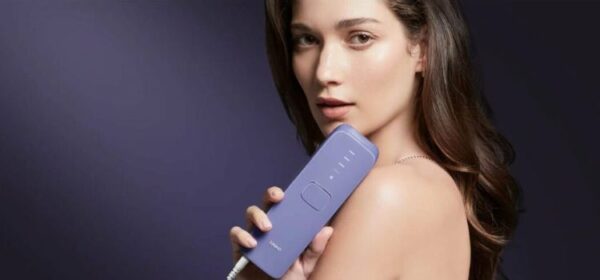
IPL Body Hair Removal: What to Expect Before You Start
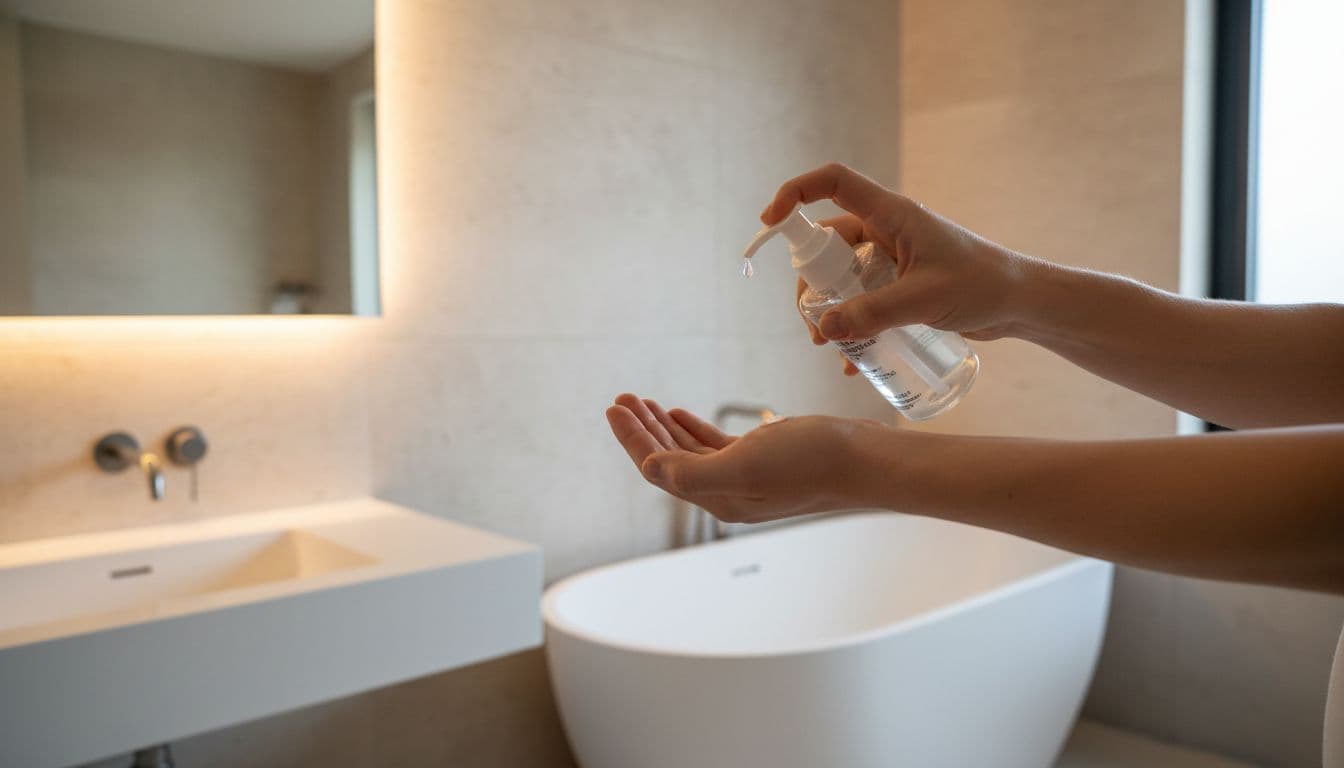
How to Remove Body Hair Safely at Home Without Irritation
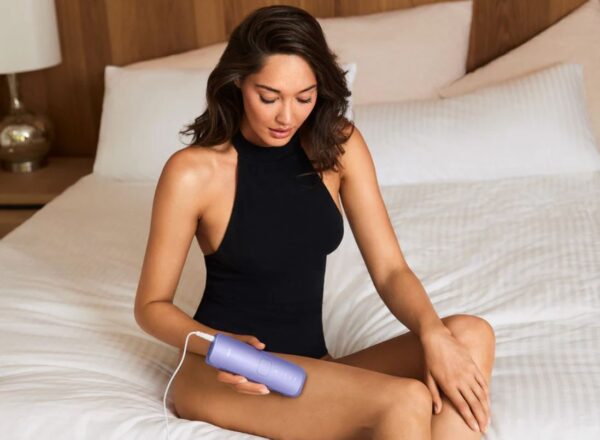
Body Hair Removal Methods: How to Choose the Right One
Need guidance?

Get a free one-on-one consultation
Explore Beauty
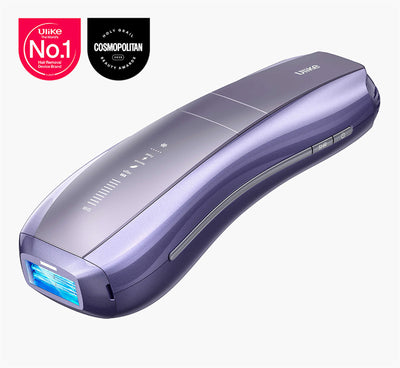
Ulike Air 10
2 weeks to silky smooth skin.
96% Hair Density Reduction in 2 Weeks
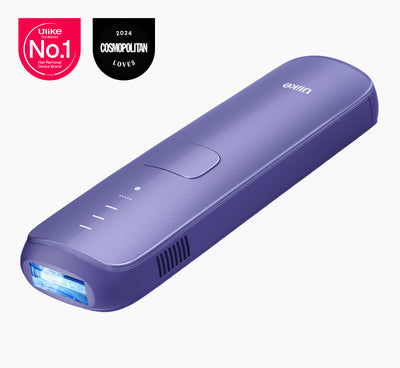
Ulike Air 3
3 weeks to silky smooth skin.
93% Hair Density Reduction in 4 Weeks
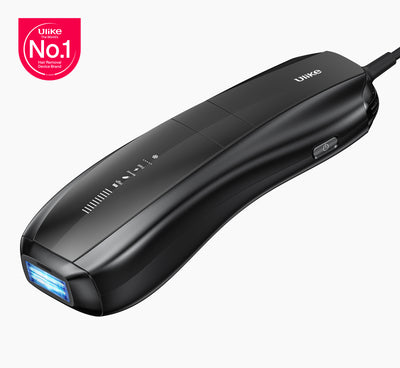
Ulike X
3 weeks to silky smooth skin.
94% hair reduction in just 2 weeks*
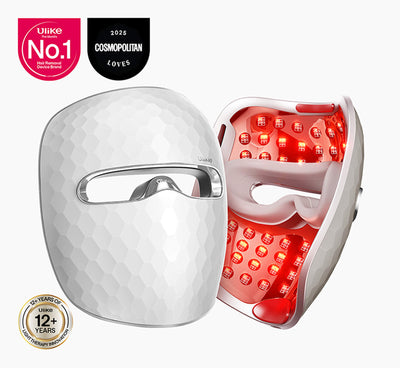
Ulike Reglow
Clearer skin in 2 weeks: Fewer breakouts
Smoother skin in 4 weeks: Fewer lines, firmer feel