





Body Hair Removal for Sensitive Skin: Safer Methods and Calmer Aftercare

Sensitive skin can turn hair removal into a guessing game. One wrong product, a dull blade, or a hot wax strip can leave you red, itchy, or sore for days. The good news is that body hair removal for sensitive skin can be far easier when you choose the right method and give your skin a little room to breathe.
A calmer routine starts before the hair comes off and continues after. The goal is smooth skin that results from a painless hair removal process, leading to fewer bumps and less irritation.
Key Takeaways
- Prioritize simplicity and low friction: The most effective way to manage sensitive skin is to minimize irritation by choosing gentle methods and using high-quality, clean tools.
- Prep and patch test: Always perform a patch test before trying a new product, and avoid hair removal if your skin is already compromised by sunburn, rashes, or inflammation.
- Master the technique: Whether shaving or using creams, follow best practices—such as using sharp blades, moisturizing, and never leaving chemical depilatories on longer than directed—to prevent damage.
- Focus on recovery: Post-removal care is essential; stick to fragrance-free moisturizers, wear loose clothing, and avoid heat or heavy exercise for 24 hours to let your skin barrier recover.
- Consistency is key: Once you find a method your skin tolerates well, stick to that routine rather than frequently experimenting, as sensitive skin thrives on predictability.
What sensitive skin needs before hair removal
Sensitive skin reacts best to low friction, low heat, and fewer ingredients. When you minimize irritation, you effectively support your skin barrier, which is essential for maintaining comfort during and after hair removal. You want clean tools, simple products, and a plan that matches your sensitive skin on a good day rather than a bad one.
Skip hair removal when your skin is already irritated. Sunburn, a fresh peel, active eczema, or a rash can make even mild methods feel harsh. Avoiding fragrance, alcohol heavy products, and strong exfoliants is key, as these can easily damage your skin barrier and leave sensitive skin feeling raw or inflamed.
If your skin is already red, itchy, or burned, wait until it settles before removing hair.
Performing a patch test is a vital step before trying anything new. This practice is essential for maintaining skin health and helps you avoid adverse reactions to depilatory creams, wax, new shaving gels, or at home light devices. It also helps to avoid shaving right after long hot showers, since sensitive skin can be more reactive when it is softened and warm.
For a broader look at common choices, Byrdie's guide to hair removal for sensitive skin is a useful reference point. It covers the main methods without pretending they all suit the same skin type.
Choosing a gentle method for your skin

The gentlest option is the one your skin can handle consistently. For some people, that is a razor. For others, it is trimming, light-based treatment, or simply leaving the skin alone for longer between sessions.
| Method | Good points | Drawbacks | Best for |
|---|---|---|---|
| Shaving | Fast, cheap, low pain | Razor burn, ingrowns, fast regrowth | Most beginners |
| Trimming | Very gentle, little irritation | Doesn't give a close finish | Very reactive skin |
| Waxing or sugaring | Longer-lasting smoothness | Pain, redness, ingrowns | Skin that tolerates pulling |
| Hair removal cream | No blade, no tugging | Smell, patch-test risk, potential burns | Underarms and bikini line |
| Epilators | Long-lasting results, no product residue | Can sting, can trigger bumps | People who already tolerate root removal |
| IPL or laser-related options | Less frequent upkeep over time | Not right for everyone, needs consistency | People who want a longer-term routine |
Shaving is still the easiest starting point for many people. It gives you control, and it is simple to stop if your skin starts to protest. The downside is clear, though, because a dull blade or dry shave can cause razor burn fast.
Trimming is even calmer. It does not give a perfectly smooth finish, but it avoids a lot of friction. If your skin flares up at the slightest provocation, that tradeoff can be worth it.
Waxing and sugaring remove hair from the root, so the results last longer. They also pull on skin, which can be a problem if you flush easily. Vogue's breakdown of the best hair removal techniques for every body part is helpful if you want to compare methods by area, since the bikini line, legs, and face do not always react the same way.
Depilatory creams and hair removal cream formulas work by using thioglycolic acid to break down the keratin structure of the hair. While they avoid blades, they require caution. You should always opt for a sensitive formula to minimize irritation. If you prefer a quick routine, a shower cream can be a convenient option for body hair removal sensitive skin. Regardless of the product, use a spatula to remove the cream, and always follow the timing on the package exactly. Leaving these products on too long can cause chemical burns, turning a quick fix into a painful experience.
Epilators can save time between sessions, but they are not the softest option. They remove hair from the root, which can mean more pain and more redness at first. If you are trying one, start on a small area and skip it if your skin stays angry afterward.
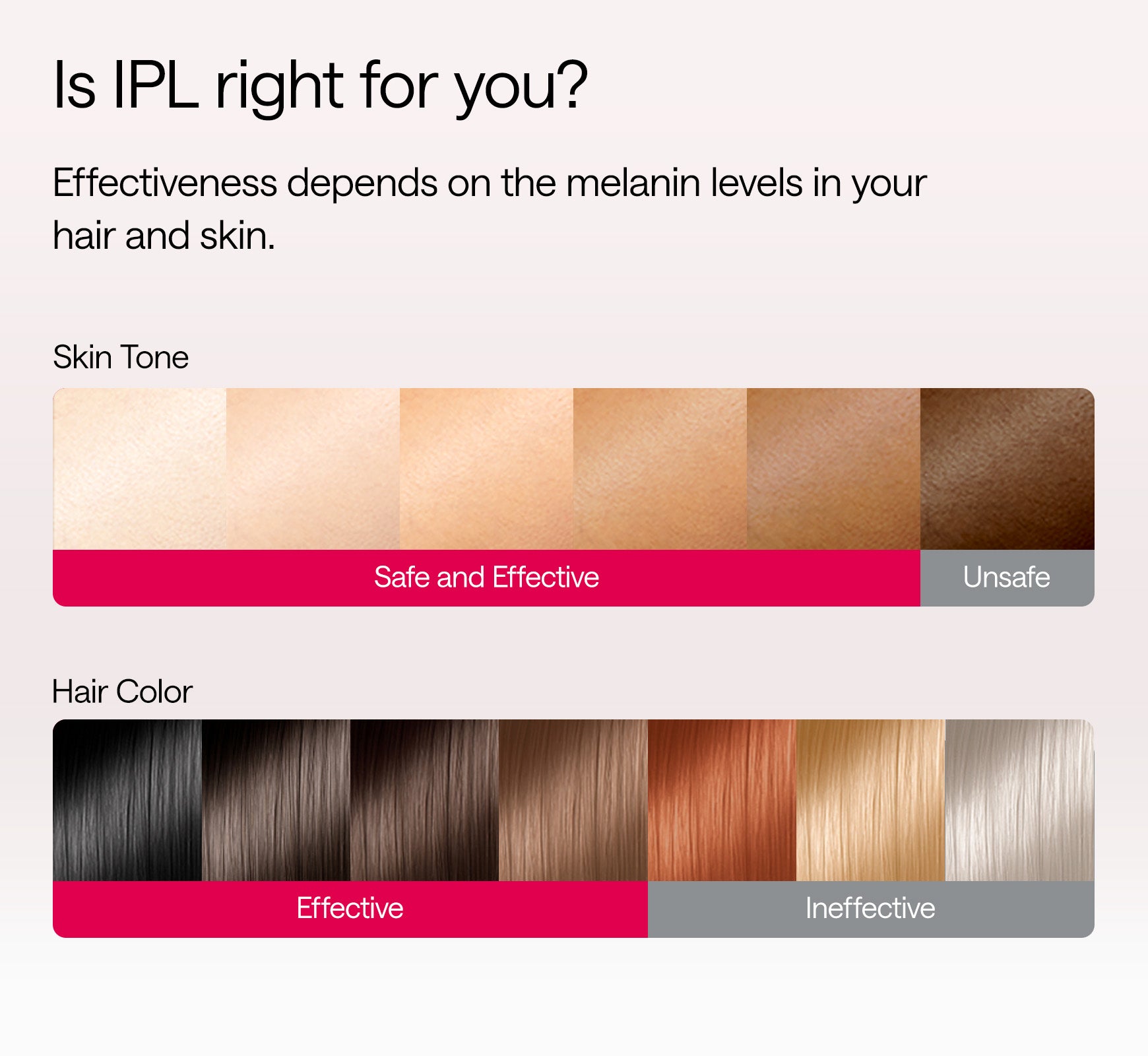
IPL and laser-related options can appeal to people who want less frequent maintenance. They do not tug or scrape the skin, which is a plus. They still need the right settings, the right skin tone range, and a careful routine. If you are comparing at-home devices, best IPL devices for sensitive skin is a helpful starting point, because cooling and intensity control matter a lot.
For a step-by-step approach to light-based care, IPL tips for sensitive skin can help you think through prep, patch tests, and lower settings.
How to cut razor burn and ingrown hairs
Razor burn, ingrown hairs, and painful razor bumps often result from the same few habits. Using sharp blades, applying light pressure, and maintaining a clean finish make a bigger difference than most people expect.
- Soften the hair first. Use warm water for a few minutes so the hair is easier to cut.
- Use a clean, sharp blade. A dull razor drags across skin and leaves more irritation behind.
- Apply a moisturizing shave gel containing coconut oil. Dry shaving is extremely rough on sensitive skin, so a slick, protective layer is essential.
- Shave with the grain. Going against the grain can feel smoother, but it often causes more bumps. Shaving in the direction of your natural hair growth helps keep skin calm.
- Use short strokes and light pressure. One careful pass is better than repeated scraping.
- Rinse cool and moisturize right away. A bland, fragrance-free lotion helps skin settle after you finish.
If you deal with these issues often, skip harsh physical scrubs. A soft washcloth or a mild chemical exfoliant, used on a different day than shaving, is usually kinder to your skin. Keep your blade clean between uses, and never share razors to avoid bacteria.
Aftercare that calms skin down
Aftercare matters as much as the removal itself. Freshly treated skin likes to stay calm, cool, and simple.
Right after hair removal, rinse the area with cool water or press a clean, cool cloth against your skin for a few minutes. Then, apply an unscented moisturizer, pure aloe vera, or a soothing cream enriched with shea butter to hydrate the area. If any product stings upon contact, wash it off immediately.
For the next 24 hours, give the skin some space to recover:
- Wear loose clothing whenever possible.
- Skip hot baths, saunas, and heavy exercise that causes sweating.
- Avoid fragranced body sprays and harsh chemical exfoliants on the treated skin.
- Don't pick at bumps or try to dig out ingrown hairs, as this can lead to permanent scarring or hyperpigmentation.
If you waxed or used a depilatory cream, watch for more than mild redness. A little warmth is normal, but burning, swelling, or a rash that continues to spread is a sign that you should avoid that product in the future.
When irritation lasts longer than a couple of days, or when bumps keep coming back in the same spot, consider incorporating a lotion containing urea into your routine to keep the skin soft and prevent future blockages. If issues persist, it is time to talk with a dermatologist. Repeated skin stress is much easier to manage early on than after it turns into a painful, recurring cycle.
Picking the method you can repeat
The best method is usually the one that fits your skin type and your personal schedule. If you need something quick and low risk, traditional shaving or trimming may be enough. If you want longer gaps between sessions, options like waxing, sugaring, IPL, or a gentle hair removal cream may make more sense, provided your skin handles them well. When choosing these products, always look for options that are dermatologist tested to ensure they are safe for use on the face and body.
A simple rule helps: start with the least aggressive option that gives you acceptable results. That keeps your skin calmer and makes it easier to notice what truly irritates you. You should also compare different body areas separately, since your legs may tolerate more than your sensitive bikini line or underarms.
Once you find a routine that leaves your skin feeling calm and healthy, try to keep it steady. Sensitive skin usually prefers consistency over constant experiments.
Frequently Asked Questions
How can I tell if a hair removal product is safe for my sensitive skin?
Always perform a patch test on a small, discreet area of skin at least 24 hours before full application. Look for products labeled "fragrance-free" or "dermatologist tested" and avoid formulas with heavy alcohol content that can strip your skin barrier.
Is it normal to have some redness after hair removal?
Minor redness or slight warmth is common immediately after treatments like waxing or epilating, but it should subside within a few hours. If the area remains swollen, develops a rash, or feels like it is burning, you should gently cleanse the area and avoid using that specific method in the future.
Should I exfoliate before or after removing body hair?
It is generally best to avoid harsh physical scrubs right before or after hair removal, as this can exacerbate irritation. If you choose to exfoliate to prevent ingrown hairs, do so gently on a separate day to give your skin ample time to recover between treatments.
Why does my skin react differently on different body parts?
The skin on your bikini line and underarms is thinner and more prone to friction than the skin on your legs, making it more sensitive to irritation. You may find that while one method works perfectly on your legs, a much gentler approach—like trimming—is necessary for your more delicate areas.
Conclusion
Sensitive skin does best when hair removal is slow, simple, and predictable. Clean tools, gentle products, and good aftercare matter more than chasing the closest possible result.
If you remember one thing, make it this: less friction usually means less trouble. That applies to razors, creams, wax, epilators, and light based options alike. While everyone wants to achieve smooth skin, your focus should always remain on finding a method that supports painless hair removal.
When your skin keeps reacting, or when irritation becomes painful or persistent, stop the routine and get professional advice. Ultimately, while having smooth skin is nice, maintaining calm sensitive skin must always come first.

IPL Body Hair Removal: What to Expect Before You Start

How to Remove Body Hair Safely at Home Without Irritation
Body Hair Removal Methods: How to Choose the Right One
Need guidance?

Get a free one-on-one consultation
Explore Beauty
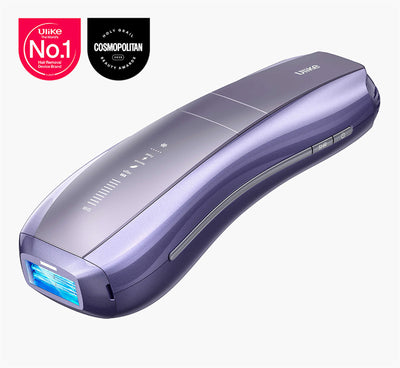
Ulike Air 10
2 weeks to silky smooth skin.
96% Hair Density Reduction in 2 Weeks
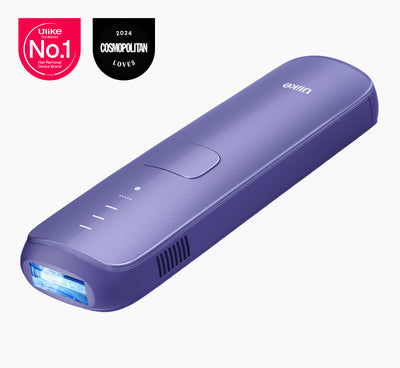
Ulike Air 3
3 weeks to silky smooth skin.
93% Hair Density Reduction in 4 Weeks
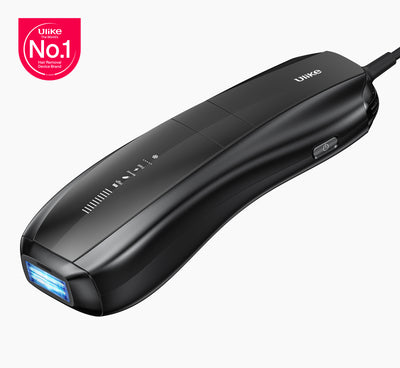
Ulike X
3 weeks to silky smooth skin.
94% hair reduction in just 2 weeks*
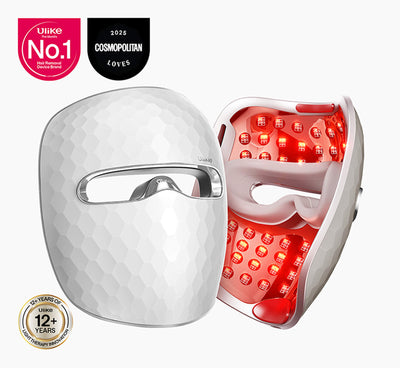
Ulike Reglow
Clearer skin in 2 weeks: Fewer breakouts
Smoother skin in 4 weeks: Fewer lines, firmer feel