Does Insurance Cover Laser Hair Removal Cost?
Hair Removal

Does Insurance Cover Laser Hair Removal Cost?

Laser hair removal is a multi-session procedure that requires you to take 6 to 12 treatments to get rid of unwanted hair on your face, body, and bikini lines. As it allows results to last longer than most other methods of hair removal, it is loved by women. But, it is important to note that Laser hair removal is an expensive and time-consuming procedure with the cost of full-body laser hair removal reaching around $20,000 for the complete treatment. Understanding the significant costs associated with laser hair removal is crucial for anyone considering this option. While it can give you your dream hairless body with smooth skin, paying that amount every few years can be too heavy on the pocket, especially in this inflation, right? The financial impact of such treatments can be substantial, making it essential to explore affordable alternatives or potential insurance coverage. So, are you wondering “Does insurance cover laser hair removal cost” to make it more approachable and affordable for yourself? If yes, let us find out. This inquiry is common among those exploring options to make this cosmetic procedure more financially feasible. Table of Contents: Part 1: Can Laser Hair Removal be Covered by Insurance? Part 2: Medical Necessity and Laser Hair Removal Part 3: Alternative Options for Coverage Part 1: Can Laser Hair Removal be Covered by Insurance? In general, laser hair removal cannot be covered by insurance as it is a cosmetic procedure in most cases and not a treatment for a certain disease. However, exceptions are always there. First, remember that most insurance companies won’t cover laser hair removal for you as their policies do not include coverage of cosmetic treatments, especially when you can remove the hair with temporary methods at home. Only a few salons or states have laser hair removal covered by insurance in certain parts of the body. For example, Southern California Kaser covers the price of facial hair removal. Coverage for laser hair removal can vary significantly, and while some locations may offer exceptions, it is crucial to verify with your specific insurance provider. In most cases, the insurance companies try to defer or delay the treatment even if you find a loophole in their policy and urge them to cover your treatment. Laser Hair Removal for Gender Dysphoria However, one of the major exceptions to covering the laser hair removal cost as a cosmetic procedure is Insurance coverage for laser hair removal can be influenced by various factors, and understanding these exceptions can be important for those seeking treatment. Transgender people Gender-minority people In these cases, laser hair removal is deemed necessary for such people to embrace their new gender and feel confident about themselves. For many individuals, this procedure is not just cosmetic but plays a vital role in their journey towards self-acceptance and mental well-being. Laser Hair Removal for Medically Necessary Conditions Furthermore, laser hair removal can be covered by insurance if you are suffering from a medical condition associated with hirsutism and have an absolute need to remove unwanted hair with a laser. Insurance coverage for laser hair removal is often dependent on demonstrating the medical necessity of the procedure, particularly in cases related to hirsutism. These conditions are called “medically necessary” and include, These conditions are recognized by insurers as legitimate medical issues that may warrant coverage for treatment options like laser hair removal. Pilonidal sinus disease where hair pokes the skin because of friction and makes a track there Pilonidal sinus disease can cause significant discomfort, and laser hair removal may alleviate related symptoms by reducing hair friction. Infections of hair follicles as they are recurrent and painful Recurrent infections of hair follicles can lead to ongoing pain and complications, making laser hair removal a potential treatment option for affected individuals. Certain tumors where hair removal is necessary to treat the disease Certain tumors may necessitate hair removal as part of a broader treatment plan, making laser hair removal relevant in these cases. Hirsutism and hypertrichosis might also be covered by insurance if you can convince your company To gain insurance coverage for hirsutism or hypertrichosis, patients often need to provide substantiating evidence of their condition to their insurance company. Laser Hair Removal for Cosmetologists and Estheticians Lastly, there is another exception where some states or companies cover laser hair removal. It is the removal of unwanted hair with laser in people belonging to the esthetology or cosmetology field. This exception highlights that coverage may be influenced by state regulations or specific insurance policies regarding cosmetic procedures. Part 2: Medical Necessity and Laser Hair Removal Conditions Requiring Laser Hair Removal As we told earlier the conditions referred to “Medical Necessity” can be covered with insurance. Most of these conditions involve excess hair growth on the body and they include, Understanding what constitutes medical necessity is crucial, as it directly impacts the likelihood of insurance coverage for laser hair removal. PCOS: PCOS is a myriad of symptoms that can distress women including hirsutism, obesity, painful and irregular periods, infertility, and more. PCOS can significantly impact a woman's quality of life, and addressing symptoms like hirsutism may lead to improved self-esteem and comfort. Cushing’s Syndrome: Excessive levels of steroid hormones like cortisol either due to increased production in the body or exogenous intake causes moon face, excessive hair, thinning of skin, and similar symptoms. Cushing’s Syndrome not only affects physical appearance but can also lead to other health complications, making treatment important for overall well-being. Congenital Adrenal Hyperplasia: Hyperstimulation of adrenal glands causes increased production of male hormones that lead to the development of male-like secondary sexual characteristics including excess hair in females. Congenital Adrenal Hyperplasia can manifest in various ways, and effective management of symptoms, including excess hair, can enhance patients' daily lives. Tumors: Some tumors cause the over-secretion of male hormones and the development of excessive unwanted hair in the body. Tumors causing hormonal imbalances can lead to significant changes in physical appearance, necessitating potential interventions like laser hair removal. Folliculitis: Using waxing, shaving, and such methods of hair removal exposes the skin to the risk of hair follicle infection. Folliculitis can be a painful condition, and opting for laser hair removal may reduce the risk of infections associated with traditional hair removal methods. Pilonidal Sinus Disease: This disease is characterized by the formation of a pus-filled sinus in the skin because of excessive hair. Pilonidal Sinus Disease often requires medical attention, and effective hair removal may alleviate symptoms and prevent further complications. All these conditions include several symptoms, out of which hirsutism is one, and a mentally stressful one at that. Therefore, these can be covered by insurance. However, you have to prove that you are eligible for the insurance and have a severe condition. Documentation and Support To claim the insurance for laser hair removal, you need to prove to your company that your laser hair removal is essential for you to go back to your daily life normally. So, you need to prepare the documents with medical tests including blood tests, hormonal status tests, and ultrasound along with a proper diagnosis and prescription from your doctor. Related reading Esthetician vs. Cosmetologist: What’s the Difference? Laser Hair Removal Face Men: Benefits, Cost, Recommendations, and More How to Get a Laser Hair Removal PCOS the Right Way? Additionally, you can ask your laser hair removal surgeon or healthcare professional to give you a written prescription for the absolute need for laser hair removal. Obtaining a written prescription can strengthen your case with the insurance provider, as it outlines the medical necessity for the procedure. Also, it depends upon your insurance provider how they see the situation and let you redeem insurance for laser. Insurance providers vary widely in their policies, so understanding your specific plan is crucial for determining coverage. Part 3: Alternative Options for Coverage As getting your laser hair removal by insurance can be a hectic and time-consuming, or even futile process, you can try these alternative options to achieve economical laser hair removal. Exploring alternative options can save you time and money, making the process of hair removal more manageable. Discounts and Promotions for Laser Hair Removal Look for the laser hair removal salons or clinics that have a promotion or certain discount. Then you can contact those and get laser hair removal at a reduced price. Finding clinics with promotions or discounts can significantly lower the cost of laser hair removal, making it more accessible. In addition, contact the providers that accept Groupon and get your procedure done at a much lower price than usual. Using platforms like Groupon can help you find good deals, allowing you to enjoy quality services at a fraction of the regular price. At-home Laser-Like Hair Removal in Less Price Even after discounts and coupons, laser hair removal might still be expensive costing a few thousand bucks, if not more. Therefore, the wisest choice in this case will be doing your own laser hair removal at home. Considering at-home options can be a practical solution, especially if professional treatments remain out of your budget. While a few laser hair removal devices are available in the market, we suggest getting laser-like hair removal as it is more safe and suitable for home use. Using laser-like hair removal devices at home can be a convenient option, but it's important to ensure they are safe and effective for your skin type. Ulike Air 10 IPL Laser Hair Removal Device is an at-home laser-like IPL hair removal device that can save you a lot of money and time. This device only costs $399, a fraction of what you will be paying for laser hair removal of a single part of your body. Additionally, you can get it at a discount right now. Related reading Laser Hair Removal: Benefits, Side Effects, Cost, and More Why Do You Need to Use an IPL Device After Laser Hair Removal? Also, instead of going through laser treatments every few years, this device can last you for a long time and allow you to do your full body treatment or follow-ups as you like. Not to mention the painlessness and comfort associated with the next-gen ice-cooling technology of Ulike. Conclusion Laser hair removal, being a cosmetic procedure in most cases, is not covered by insurance. However, some countries, states, or insurance providers have policies that accept insurance for lasers in some particular cases. Understanding insurance coverage for laser hair removal is crucial, as it varies significantly depending on your location and provider. We discussed such cases in detail and the process to claim your laser hair removal insurance in this article. Also, you can get laser-like hair removal without insurance at an affordable price with Ulike. Exploring affordable options for laser-like hair removal can help you save money while still achieving desired results. Ulike Welcome to Ulike! We hope our expertise can bring value to you.
Nov 26, 2025
Share:

Up to 40% Off
& Free Gifts

Learn More
Table of Contents

Laser hair removal is a multi-session procedure that requires you to take 6 to 12 treatments to get rid of unwanted hair on your face, body, and bikini lines. As it allows results to last longer than most other methods of hair removal, it is loved by women.

But, it is important to note that Laser hair removal is an expensive and time-consuming procedure with the cost of full-body laser hair removal reaching around $20,000 for the complete treatment.

Understanding the significant costs associated with laser hair removal is crucial for anyone considering this option.

While it can give you your dream hairless body with smooth skin, paying that amount every few years can be too heavy on the pocket, especially in this inflation, right?

The financial impact of such treatments can be substantial, making it essential to explore affordable alternatives or potential insurance coverage.

So, are you wondering “Does insurance cover laser hair removal cost” to make it more approachable and affordable for yourself? If yes, let us find out.

This inquiry is common among those exploring options to make this cosmetic procedure more financially feasible.

Table of Contents:

Part 1: Can Laser Hair Removal be Covered by Insurance?

In general, laser hair removal cannot be covered by insurance as it is a cosmetic procedure in most cases and not a treatment for a certain disease. However, exceptions are always there.

First, remember that most insurance companies won’t cover laser hair removal for you as their policies do not include coverage of cosmetic treatments, especially when you can remove the hair with temporary methods at home.

Only a few salons or states have laser hair removal covered by insurance in certain parts of the body. For example, Southern California Kaser covers the price of facial hair removal.

Coverage for laser hair removal can vary significantly, and while some locations may offer exceptions, it is crucial to verify with your specific insurance provider.

In most cases, the insurance companies try to defer or delay the treatment even if you find a loophole in their policy and urge them to cover your treatment.

Laser Hair Removal for Gender Dysphoria

However, one of the major exceptions to covering the laser hair removal cost as a cosmetic procedure is

Insurance coverage for laser hair removal can be influenced by various factors, and understanding these exceptions can be important for those seeking treatment.

  • Transgender people
  • Gender-minority people

In these cases, laser hair removal is deemed necessary for such people to embrace their new gender and feel confident about themselves.

For many individuals, this procedure is not just cosmetic but plays a vital role in their journey towards self-acceptance and mental well-being.

Laser Hair Removal for Medically Necessary Conditions

Furthermore, laser hair removal can be covered by insurance if you are suffering from a medical condition associated with hirsutism and have an absolute need to remove unwanted hair with a laser.

Insurance coverage for laser hair removal is often dependent on demonstrating the medical necessity of the procedure, particularly in cases related to hirsutism.

These conditions are called “medically necessary” and include,

These conditions are recognized by insurers as legitimate medical issues that may warrant coverage for treatment options like laser hair removal.

  • Pilonidal sinus disease where hair pokes the skin because of friction and makes a track there
  • Pilonidal sinus disease can cause significant discomfort, and laser hair removal may alleviate related symptoms by reducing hair friction.

  • Infections of hair follicles as they are recurrent and painful
  • Recurrent infections of hair follicles can lead to ongoing pain and complications, making laser hair removal a potential treatment option for affected individuals.

  • Certain tumors where hair removal is necessary to treat the disease
  • Certain tumors may necessitate hair removal as part of a broader treatment plan, making laser hair removal relevant in these cases.

  • Hirsutism and hypertrichosis might also be covered by insurance if you can convince your company
  • To gain insurance coverage for hirsutism or hypertrichosis, patients often need to provide substantiating evidence of their condition to their insurance company.

Laser Hair Removal for Cosmetologists and Estheticians

Lastly, there is another exception where some states or companies cover laser hair removal. It is the removal of unwanted hair with laser in people belonging to the esthetology or cosmetology field.

This exception highlights that coverage may be influenced by state regulations or specific insurance policies regarding cosmetic procedures.

Part 2: Medical Necessity and Laser Hair Removal

Conditions Requiring Laser Hair Removal

As we told earlier the conditions referred to “Medical Necessity” can be covered with insurance. Most of these conditions involve excess hair growth on the body and they include,

Understanding what constitutes medical necessity is crucial, as it directly impacts the likelihood of insurance coverage for laser hair removal.

  • PCOS: PCOS is a myriad of symptoms that can distress women including hirsutism, obesity, painful and irregular periods, infertility, and more.
  • PCOS can significantly impact a woman's quality of life, and addressing symptoms like hirsutism may lead to improved self-esteem and comfort.

  • Cushing’s Syndrome: Excessive levels of steroid hormones like cortisol either due to increased production in the body or exogenous intake causes moon face, excessive hair, thinning of skin, and similar symptoms.
  • Cushing’s Syndrome not only affects physical appearance but can also lead to other health complications, making treatment important for overall well-being.

  • Congenital Adrenal Hyperplasia: Hyperstimulation of adrenal glands causes increased production of male hormones that lead to the development of male-like secondary sexual characteristics including excess hair in females.
  • Congenital Adrenal Hyperplasia can manifest in various ways, and effective management of symptoms, including excess hair, can enhance patients' daily lives.

  • Tumors: Some tumors cause the over-secretion of male hormones and the development of excessive unwanted hair in the body.
  • Tumors causing hormonal imbalances can lead to significant changes in physical appearance, necessitating potential interventions like laser hair removal.

  • Folliculitis: Using waxing, shaving, and such methods of hair removal exposes the skin to the risk of hair follicle infection.
  • Folliculitis can be a painful condition, and opting for laser hair removal may reduce the risk of infections associated with traditional hair removal methods.

  • Pilonidal Sinus Disease: This disease is characterized by the formation of a pus-filled sinus in the skin because of excessive hair.
  • Pilonidal Sinus Disease often requires medical attention, and effective hair removal may alleviate symptoms and prevent further complications.

All these conditions include several symptoms, out of which hirsutism is one, and a mentally stressful one at that. Therefore, these can be covered by insurance. However, you have to prove that you are eligible for the insurance and have a severe condition.

Documentation and Support

To claim the insurance for laser hair removal, you need to prove to your company that your laser hair removal is essential for you to go back to your daily life normally. So, you need to prepare the documents with medical tests including blood tests, hormonal status tests, and ultrasound along with a proper diagnosis and prescription from your doctor.

Additionally, you can ask your laser hair removal surgeon or healthcare professional to give you a written prescription for the absolute need for laser hair removal.

Obtaining a written prescription can strengthen your case with the insurance provider, as it outlines the medical necessity for the procedure.

Also, it depends upon your insurance provider how they see the situation and let you redeem insurance for laser.

Insurance providers vary widely in their policies, so understanding your specific plan is crucial for determining coverage.

Part 3: Alternative Options for Coverage

As getting your laser hair removal by insurance can be a hectic and time-consuming, or even futile process, you can try these alternative options to achieve economical laser hair removal.

Exploring alternative options can save you time and money, making the process of hair removal more manageable.

Discounts and Promotions for Laser Hair Removal

Look for the laser hair removal salons or clinics that have a promotion or certain discount. Then you can contact those and get laser hair removal at a reduced price.

Finding clinics with promotions or discounts can significantly lower the cost of laser hair removal, making it more accessible.

In addition, contact the providers that accept Groupon and get your procedure done at a much lower price than usual.

Using platforms like Groupon can help you find good deals, allowing you to enjoy quality services at a fraction of the regular price.

At-home Laser-Like Hair Removal in Less Price

A Gentle and Long-Lasting Alternative to Shaving

Even after discounts and coupons, laser hair removal might still be expensive costing a few thousand bucks, if not more. Therefore, the wisest choice in this case will be doing your own laser hair removal at home.

Considering at-home options can be a practical solution, especially if professional treatments remain out of your budget.

While a few laser hair removal devices are available in the market, we suggest getting laser-like hair removal as it is more safe and suitable for home use.

Using laser-like hair removal devices at home can be a convenient option, but it's important to ensure they are safe and effective for your skin type.

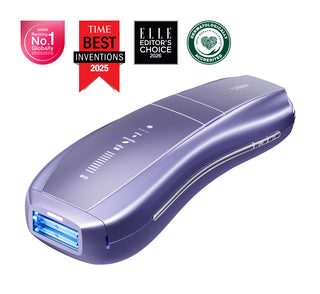
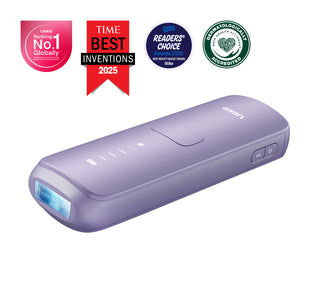
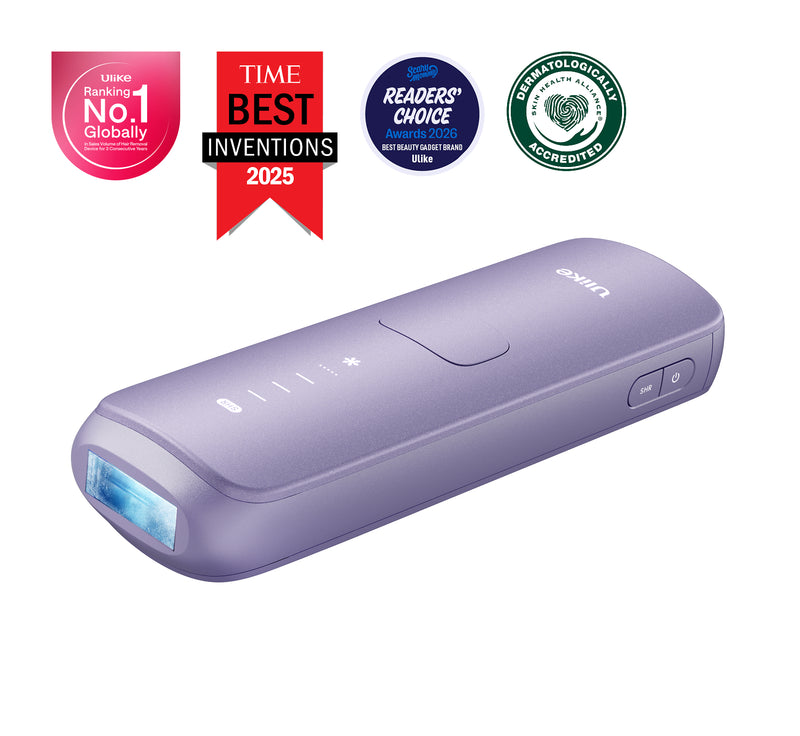
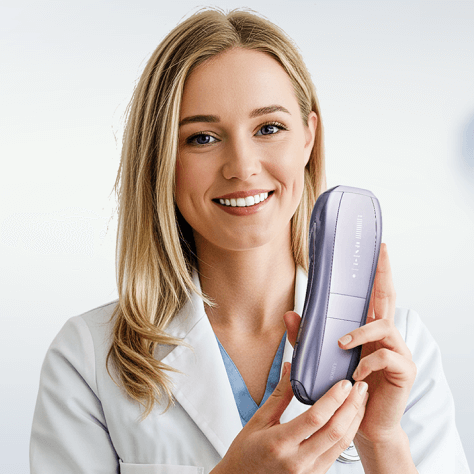
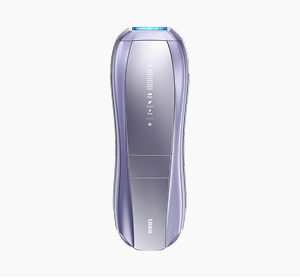
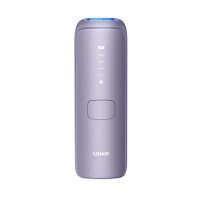
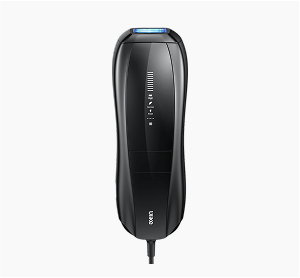
Ulike Air 10 IPL Laser Hair Removal Device is an at-home laser-like IPL hair removal device that can save you a lot of money and time. This device only costs $399, a fraction of what you will be paying for laser hair removal of a single part of your body. Additionally, you can get it at a discount right now.

Also, instead of going through laser treatments every few years, this device can last you for a long time and allow you to do your full body treatment or follow-ups as you like. Not to mention the painlessness and comfort associated with the next-gen ice-cooling technology of Ulike.

Conclusion

Laser hair removal, being a cosmetic procedure in most cases, is not covered by insurance. However, some countries, states, or insurance providers have policies that accept insurance for lasers in some particular cases.

Understanding insurance coverage for laser hair removal is crucial, as it varies significantly depending on your location and provider.

We discussed such cases in detail and the process to claim your laser hair removal insurance in this article. Also, you can get laser-like hair removal without insurance at an affordable price with Ulike.

Exploring affordable options for laser-like hair removal can help you save money while still achieving desired results.

Bimi logo 100x
Ulike
Welcome to Ulike! We hope our expertise can bring value to you.
Previous
6 Side Effects of Shaving Face Female You Should Know
Next
Is Electrolysis Hair Removal Permanent? (& FAQs)
Share:
5 Dermatologist Recommended At-Home Laser Hair Removal Devices 2025

5 Dermatologist Recommended At-Home Laser Hair Removal Devices 2025

With the advent of technology, you can now be free from waxing, shaving, or tweezing. The latest ...
Nov 24, 2025
Hair on Female Breast: Causes, How to Remove, And More

Hair on Female Breast: Causes, How to Remove, And More

While many of us were growing up, we were told that women are not supposed to have body hair. Onl...
Nov 24, 2025
PCOS: What is it, Symptoms, and Management

PCOS: What is it, Symptoms, and Management

Polycystic ovary syndrome is often associated with abnormal levels of androgens in the body...
Nov 26, 2025

Need guidance?

Get a free one-on-one consultation

TALK TO AN EXPERT

Explore Beauty

Ulike Air 10

2 weeks to silky smooth skin.

96% Hair Density Reduction in 2 Weeks

Ulike Air 3

3 weeks to silky smooth skin.

93% Hair Density Reduction in 4 Weeks

Leave a comment

All comments are moderated before being published.

This site is protected by hCaptcha and the hCaptcha Privacy Policy and Terms of Service apply.

Back to top