



Does Shaving Armpits Reduce Sweat?

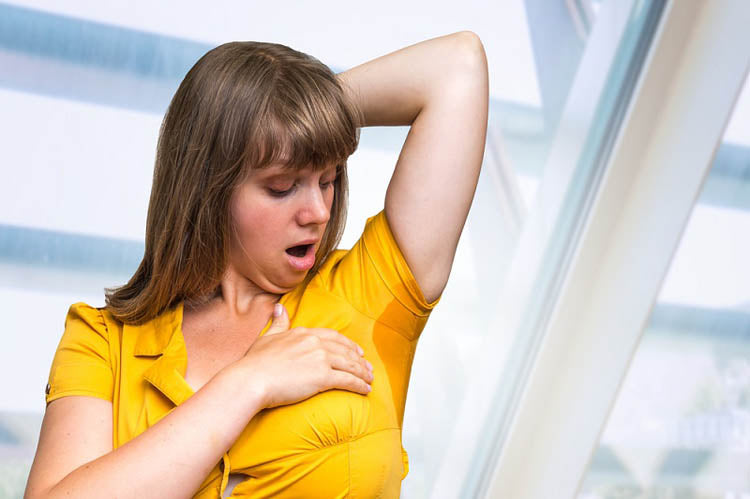
When you sweat a lot and feel irritation in your armpits. The problem becomes even bigger when you start feeling body odor and see your clothes staining from this excessive sweating. To combat this, the first thing that comes to mind is shaving the underarms.
But does shaving armpits stop sweating for real? There is no proof that armpit hairs are responsible for excess sweat production, but there is a connection between sweat collection and bacterial growth in armpit hair. Let’s discuss this in detail and get you an answer to the question, “Does shaving armpits reduce sweat?”
Table of Contents:
- Part 1: Why Do Armpit Hair Sweat?
- Part 2: Will Shaving Armpits Reduce Sweat?
- Part 3: How to Get Rid of Sweating in Shaved Armpits?
Part 1: Why Do Armpit Hair Sweat?

The two main glands responsible for sweat production are the apocrine and eccrine glands. When the body temperature is high, these glands produce sweat. The sweat comes out of the tiny pores in our body and cools down the body temperature by evaporation. You must have heard of “evaporation causes cooling”. Sweat also releases waste materials from our bodies.
What’s the role of armpit hair in this? Armpits are the areas where sweat glands are most commonly found. This means there will be lots of sweating in the armpits and the armpit hair contributes to this sweat management.
Understanding the role of armpit hair is crucial, as it plays a significant part in how our bodies manage sweat and regulate temperature.
Understanding the role of armpit hair is crucial, as it affects how our bodies manage sweat and regulate temperature, which can influence overall comfort levels.
Understanding the role of armpit hair is crucial, as it plays a significant part in how our bodies manage sweat and regulate temperature, potentially affecting personal comfort.
The presence of armpit hair plays a significant part in sweat management and can impact personal comfort by regulating body temperature.
Hair As A Wick
One theory says that the armpit hair acts as a wick in drawing away the sweat from your skin, allowing proper ventilation and evaporation. This leads to the regulation of body temperature and a cooling sensation.
This theory suggests that armpit hair acts as a wick, drawing sweat away from the skin and facilitating evaporation, which can help regulate body temperature.
The \1 of armpit hair is important for maintaining a comfortable body temperature by allowing sweat to evaporate effectively.
The \1 of armpit hair is important for maintaining a comfortable body temperature by allowing sweat to evaporate effectively, which can be beneficial in various situations.
Understanding the wicking effect can help you appreciate the role of armpit hair in temperature regulation and moisture control.
This hair also reduces the friction between your armpits and the torso so that you can move without any sensation of discomfort.
Additionally, this \1 can enhance overall comfort, especially during physical activities or warm weather.
By minimizing friction, armpit hair plays a crucial role in enhancing comfort during various activities, particularly in warm climates.
Additionally, this \1 can enhance overall comfort, especially during physical activities or warm weather, making movement more pleasant.
Comfort during movement is essential for physical performance, especially in sports or outdoor activities, where sweating can increase discomfort.
Hair As A Barrier
Opposite the first theory, there is another belief. According to this, armpit hair traps sweat and creates a moist environment. This environment acts as a perfect breeding ground for bacteria. As bacterial growth increases, there will be more odor and a higher risk of infections.
Part 2: Will Shaving Armpits Reduce Sweat?

The armpit hair causes the accumulation of sweat and body odor, so what is the solution? Does shaving underarms reduce sweat? Shaving them can help you stay fresh and smell good. Let’s see how it helps.
While shaving may help reduce \1, it's important to note that it doesn't eliminate sweating entirely, as sweating is a natural body process.
While shaving can help manage sweat levels, it is essential to understand that it won't stop the body from sweating altogether.
Role of Shaving Armpits in Sweat Production
Armpit hairs themselves cannot affect the production of sweat, but they do play a role in causing discomfort in your pits. Therefore, shaving can be your solution to drive away that uncomfortable feeling. Moreover, as the hair responsible for sweat collection and bacterial growth will be gone, there will be less body odor and risk of infection.
Clean armpits also allow better ventilation and let the antiperspirants absorb well. As a result, you will feel fresh throughout your day.
Proper ventilation can enhance the effectiveness of antiperspirants, contributing to a more refreshing experience throughout the day.
Proper hygiene alongside shaving can greatly improve your overall comfort and odor control throughout the day.
Maintaining proper hygiene can not only improve comfort but also help in reducing body odor, making it a vital part of daily grooming.
By promoting better \1, shaving can enhance the effectiveness of deodorants and antiperspirants, keeping you feeling fresher.
Enhanced ventilation from shaving can create a more favorable environment for deodorants and antiperspirants to work effectively.
Are you wondering if thick hair that grows after shaving might worsen the problem? Shaving does not have any effect on the thickness of your hair. To learn more, read: Does shaving make hair thicker and grow faster?
Interestingly, the perception that hair grows back thicker after shaving is a common myth; \1 or growth rate.
Factors Causing Individual Variations
Shaving can be helpful in most cases; however, you can expect variations from individual to individual. This is because sweat production is influenced by some factors, and these factors indirectly determine the usefulness of shaving your armpit hair.
Individual variations in sweat production can be attributed to various factors, such as genetics, lifestyle, and environmental conditions.
- Genetics: There are people who naturally sweat more than others, even in a cold environment. In such cases, shaving the armpit hair will not give you any significant benefits against increased armpit sweating. People with these genetics will have to use antiperspirants more often and keep a check on their hygiene more carefully
- Hormonal influences: Hormonal changes can also affect the sweat production. For instance, increased levels of adrenaline cause the apocrine glands to produce more sweat. You also sweat more during menopause. Those suffering from hyperthyroidism face excessive sweating as well
Hormonal influences are crucial as they can lead to increased sweat production, making awareness of these changes important for managing sweat levels.
Hormonal changes can significantly impact how much you sweat, making it essential to understand your body’s specific hormonal fluctuations.
Understanding hormonal changes can help you manage your sweat better and address any concerns you might have related to excessive sweating.
Hormonal changes can significantly impact your body’s sweat production, making it important to recognize their influence on your overall sweat management.
- Stress and anxiety: During stressful situations, your stress hormones become active. These hormones, adrenaline and cortisol, activate the fight or flight mode of your body. As the mode becomes active, the body temperature increases, and you start sweating more than usual
- Body temperature: Changes in your body temperature also affect sweat production. Reduced temperature minimizes sweating to retain heat within your body while high temperature causes excessive sweating
Body temperature plays a crucial role in regulating sweat, as your body works to maintain a stable internal environment.
Body temperature regulation is crucial, as it influences how much we sweat and can vary from person to person.
Variations in body temperature can lead to different sweating experiences, influenced by factors such as genetics, health, and environment.
- Exercise or physical activity: Exercise or extreme physical activities increase the rate of your metabolism, which results in more heat production. Consequently, there will be excessive sweating, moisture in your armpits, and high bacterial growth
Increased sweating during exercise can lead to more moisture in the armpits, which may promote bacterial growth and body odor.
Exercise increases metabolism, leading to more heat and subsequently more sweat, which is a natural response of the body to cool itself down.
Exercise increases metabolism significantly, which can lead to heightened sweat production due to the body's efforts to maintain a stable internal temperature.
Part 3: How to Get Rid of Sweating in Shaved Armpits?

Shaving armpits does not reduce sweat production but doing so will allow you to look groomed and reduce the underarm odor associated with your pit sweating. So, is there any way that can help you fight the sweating? Yes, there are! Let’s discuss.
Antiperspirants
Deodorant can help reduce body odor, but if you are looking for a product to reduce sweat, try using antiperspirants. Over-the-counter antiperspirants have aluminum salts as their active ingredients. These salts absorb moisture, turn into a gel, and block your sweat glands from producing sweat.
These antiperspirants work for most individuals. If they do not, you can use stronger antiperspirants with 13% aluminum salts. You can use them after bathing or at night when your body is cool.
Stronger antiperspirants are formulated to combat excessive sweat effectively, offering a reliable alternative for those who struggle with standard products.
Stronger antiperspirants can be particularly effective for those experiencing excessive sweating, providing an additional option for managing sweat levels.
Absorbent Products
You can also try using absorbent products like sweat-absorbing cotton pads. These pads are mostly reusable and can absorb all the moisture from your underarms.
Absorbent products like cotton pads can help keep you feeling dry and comfortable, making them a convenient choice for daily use.
Using absorbent products can also contribute to a more pleasant experience by minimizing irritation caused by sweat.
Absorbent products can be a practical solution for managing moisture, especially for individuals looking for reusable options.
They can be a temporary solution to excessive sweating and cannot be used for sensitive skin. So, you can also wear sweat-resistant fabrics like cotton, linen, merino wool, and bamboo. These fabrics are lightweight and highly absorbent. They allow proper ventilation and reduce the unnecessary moisture collected in your armpits.
Maintain Hygiene
Maintaining your hygiene does not have a direct effect on reducing sweat, but it is necessary to keep your body odor away.
Maintaining hygiene is essential for personal care, as it helps prevent body odor and can enhance your overall comfort.
Good hygiene practices are essential for overall body care, even if they do not directly reduce sweat levels.
The steps you can take to maintain your hygiene include regular showers, wearing clean clothes, and washing your armpits properly during the shower. After you are done showering, dry your armpits and then wear clothes. Other than this, remove your underarm hair regularly and take a shower after your exercise or strenuous physical activity.
Lifestyle Changes
Lifestyle modifications can also help you sweat less. For instance, eating spicy foods causes more sweat production so you can avoid such foods. Moreover, caffeine and alcohol also increase the body temperature and cause excessive sweating.
Making informed dietary choices can help manage sweat levels by avoiding triggers like spicy foods and caffeine.
By making conscious dietary choices, you can significantly influence your body's sweat production.
Adjusting your diet can have a notable impact on how much you sweat throughout the day.
Lifestyle changes can effectively reduce sweat by addressing dietary choices and other habits that may increase perspiration.
Addressing habits such as diet and stress can play a crucial role in reducing overall perspiration.
Instead of these, you can drink more water throughout the day and replace caffeine with healthy fresh juices. Furthermore, eat foods that can be easily digested. These foods contain those rich in fiber, Vitamin B, and magnesium like beans, lentils, spinach, and other leafy green vegetables.
Try IPL Hair Removal

Lastly, you can replace your temporary hair removal methods with a long-term solution to the unwanted armpit hair. As the hair will be gone for a long time, there will be less chance of sweat accumulation under your arms thus less body odor.
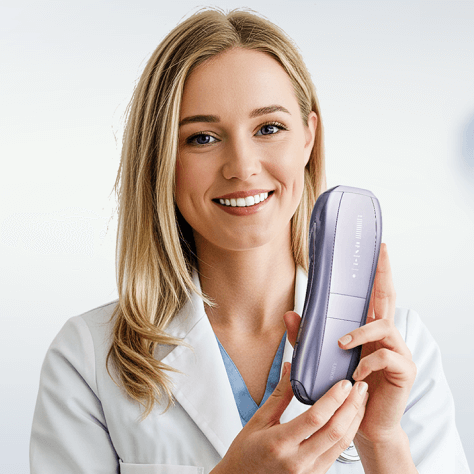
Fortunately, with Ulike Sapphire Air 3 IPL hair removal device, you can achieve 6 months of smoothness at your home. It has 3 modes and you can use the gentle mode for your armpits. Moreover, the cooling technology will make the process nearly painless for you.
To learn about Ulike Sapphire Air 3, read IPL Hair Removal: The Ultimate Guide.
Conclusion
Your armpits are like a close-pitted area where sweat accumulates, and armpit hair facilitates this accumulation. Shaving can help improve air ventilation, moisture evaporation, and bacterial growth. In this way, you can fight sweat production to a great extent just by shaving.
However, there are genetic, hormonal, stress-related, and exercise-related factors that can cause variations from individual to individual. So, you can combine shaving with some other sweat-reducing techniques according to your body’s conditions.
Understanding your body’s unique factors is important when selecting sweat-reducing methods.
Combining approaches can lead to more effective sweat reduction, as individual factors differ significantly.
Moreover, if excessive sweating still persists, you can seek help from a professional.
Consulting a healthcare professional can provide tailored solutions if you experience persistent sweating issues.
Seeking professional advice can help identify underlying issues that may contribute to excessive sweating.
Understanding the factors that lead to excessive sweating can be crucial in managing the condition effectively.
Consulting a professional may provide tailored solutions that address the specific causes of excessive sweating.
A professional can assess various options, including lifestyle changes and treatments, to help manage sweating more effectively.

Featured Products

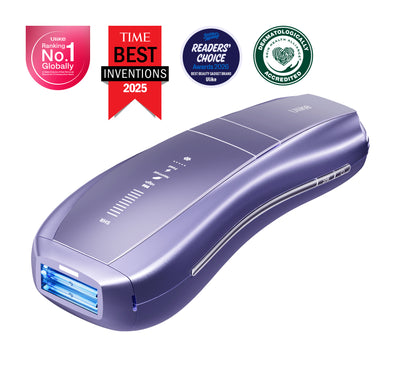
Ulike Air 10
2 weeks to silky smooth skin.
96% Hair Density Reduction
The next-generation in simple,
lasting hair removal.

IPL vs Electrolysis for Small Areas - Which Is Better for Chin and Upper Lip?

What Is IPL Hair Removal? How Ulike's Sapphire Technology Works
Home IPL Laser Hair Removal — 2026 Complete Buying Guide

Explore Beauty
Ulike Air 10
2 weeks to silky smooth skin.
96% Hair Density Reduction in 2 Weeks
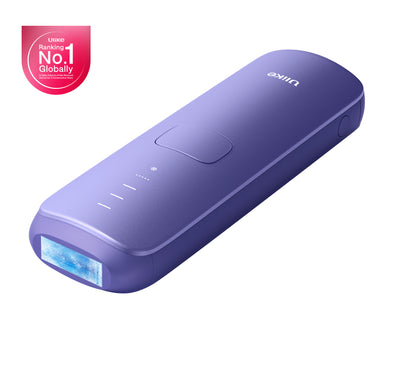
Ulike Air 3
3 weeks to silky smooth skin.
93% Hair Density Reduction in 4 Weeks
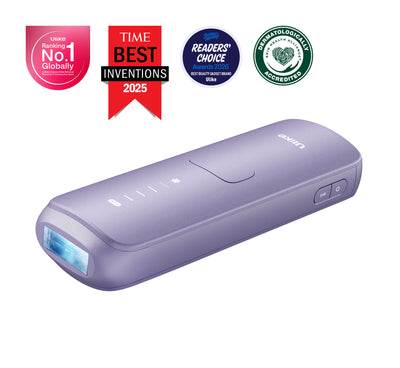
Ulike Air 4
4 weeks to silky smooth skin.
95.8% hair reduction in just 2 weeks*
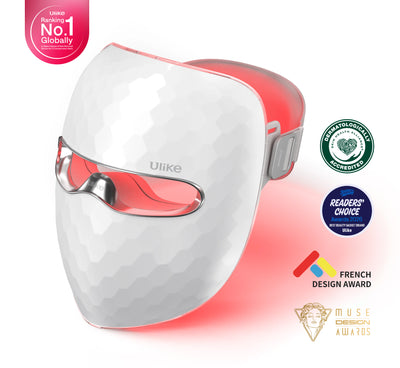
Ulike Reglow
Clearer skin in 2 weeks: Fewer breakouts
Smoother skin in 4 weeks: Fewer lines, firmer feel