





Facial Hair Removal Laser vs. Electrolysis: Which is Better?


Unwanted hair on the body can be covered with a piece of clothing, allowing women to schedule their temporary hair removal sessions according to their weekly outfits. This cannot be the case with facial hair, which becomes apparent within a few days and lowers confidence.
Therefore, women save for months or even years to get semi-permanent or so-called permanent hair removal. With expensive hair removal methods like laser hair removal and electrolysis, it becomes difficult to choose one.
Choosing between expensive methods like laser hair removal and electrolysis can be challenging, especially when considering long-term benefits and costs.
If you are also a woman wondering where to invest in obtaining flawless facial skin, you have come to the right place.
If achieving flawless facial skin is your goal, understanding the options available can help you make an informed decision.
Let us discuss facial hair removal laser vs. electrolysis: which is better in this article.
This article will provide insights into the differences and benefits of each method to help you determine the best choice for your needs.
Table of Contents:
- Part 1: Facial Hair Removal: Laser
- Part 2: Facial Hair Removal: Electrolysis
- Part 3: Facial Hair Removal Laser vs. Electrolysis
- Part 4: Economical and Nearly Pain-Free Alternative to Laser Hair Removal and Electrolysis
Facial Hair Removal: Laser

Laser hair removal has been women’s dream method for decades. Salons claim lasers are permanent. However, with more education and awareness, ladies know that lasers are only long-lasting and not permanent.
Laser hair removal is often perceived as a more convenient method, but it's important to understand that while it may offer long-lasting results, it is not truly permanent.
This has caused the popularity of lasers to decline slightly, but they are still one of the most sought-after hair removal methods.
Despite a slight decline in popularity, laser hair removal remains a favored choice due to its effectiveness and efficiency.
The Procedure
Laser, as the name shows, is a form of light energy. The laser used for hair removal comprises a mono-spectrum and coherent beam of light. This beam is selectively absorbed into the pigment of the hair leaving the skin intact.
Once it goes deep down to the hair follicles, it is converted into high-intensity heat energy which is used to burn the hair follicle. After a few sessions, hair follicles lose the ability to make new hair leading to results lasting for many months to a few years.
Pros
The benefits of laser hair removal are given as,
The advantages of laser hair removal make it an appealing option for many seeking a reliable solution to unwanted facial hair.
- Precise hair removal that selectively targets the hair without any absorption into the skin
- Only 24 to 48 hours of downtime allowing you to continue your normal routine without any concerns
- Noticeable results within a few sessions
- Hair grows back slowly and becomes finer with each session
Precision is key in laser hair removal, allowing for effective targeting of hair follicles while minimizing impact on surrounding skin.
Minimal downtime is a significant benefit, enabling individuals to resume their daily activities shortly after treatment.
Results are often visible within just a few sessions, making laser hair removal an attractive option for those wanting quick outcomes.
Over time, hair regrowth can become less frequent and finer, which may enhance the overall effectiveness of the treatment.
Cons
Here are some drawbacks of laser hair removal that you must know before going for this procedure,
Understanding the drawbacks is crucial for making an informed decision about laser hair removal.
- Laser hair removal is not a painless procedure as the salons claim
- The basic laser technology is not suitable for light hair and dark skin
- The full treatment can take a year or more to complete
- There is a risk of skin burning and hyperpigmentation with laser
- It is expensive
Patients often experience discomfort during the procedure, contrary to what many salons suggest.
This technology's effectiveness can vary significantly depending on individual hair and skin types.
Commitment to multiple sessions is necessary, as results are not immediate.
Skin reactions can occur, highlighting the importance of choosing a qualified practitioner.
Costs can add up quickly, so consider your budget before proceeding.
Precautions and Safety Considerations

Here are some precautions and safety considerations for laser hair removal,
- It is essential to check your skin tone and hair color compatibility beforehand
- You must stop using active ingredients like retinol, AHA, and BHA about 1 to 2 weeks before your treatment
- Laser is done on clean skin. Therefore, you must not apply any makeup or skincare products before the treatment
- Be prepared for pain or an uncomfortable sensation during your session
- Laser can cause redness, skin irritation, and inflammation
Compatibility is key to ensure safe and effective treatment outcomes.
Active ingredients like retinol, AHA, and BHA can increase skin sensitivity, making it crucial to avoid them before treatment.
Clean skin helps ensure the effectiveness of the laser treatment and minimizes the risk of complications.
Discomfort levels can vary by individual, but many report that the sensation is manageable with proper preparation.
Post-treatment care is essential to soothe the skin and promote healing after experiencing redness or irritation.
Aftercare and Followups
As laser hair removal is a multi-session producer, you need to schedule your treatments every 4 to 6 weeks apart. These treatments are mandatory as skipping any session might cause the hair follicles to regenerate and you will have to start the treatment from scratch.
Doctors often prescribe anesthetic gel and antibiotic ointments after the sessions to reduce the risk of infections and pain in the aftercare of laser hair removal. Additionally, cold compresses help with inflammation and sunscreen allows you to avoid damage caused by sun.
Facial Hair Removal: Electrolysis

The word electrolysis means “breakdown with the electric current”. In the case of electrolysis used for hair removal, a microcurrent kills the hair follicles.
The history of electrolysis begins as a medical treatment for people with too many eyelashes that irritate their eyes. However, over the years, it has gained popularity as the only FDA-approved method of permanent hair removal.
As electrolysis is a time-consuming treatment, it is especially suitable for small areas like the face.
The Procedure
In electrolysis, a thin metal wire is passed into the skin pores, from where it is directed towards the hair follicles. After that, a microcurrent or short radiofrequency waves are applied. These destroy the hair follicles.
Although hair follicles are destroyed in both methods, a particular thing about electrolysis is that hair does not regenerate hair. Consequently, the results last forever.
Electrolysis is recognized for its ability to permanently eliminate hair, making it a preferred choice for those seeking lasting results.
Pros
The benefits of electrolysis are given as,
- It is the only permanent method of hair removal as cleared by the FDA
- There is no restriction on a specific hair color and skin tone in electrolysis
- It can also be done around a sensitive area like the eyes
- Electrolysis allows you to customize the areas you want to remove the hair from precisely
FDA approval signifies that electrolysis is the only method confirmed to provide permanent hair removal, ensuring peace of mind for users.
This inclusivity means that individuals of all hair colors and skin tones can effectively use electrolysis for hair removal.
This makes electrolysis versatile and suitable for delicate areas where other methods may not be recommended.
This customization is beneficial for targeting specific areas, allowing for a tailored approach to hair removal.
Cons
The reasons people are still not that thrilled by electrolysis are given as,
- Since its initial days, there has been little to no advancement in the technology of electrolysis
- Electrolysis treats individual hair follicles which takes a lot of time
- It is a painful and scary procedure
- It is not suitable for people having any kind of implanted devices
- The number of sessions required to complete electrolysis is double that of laser
The lack of technological advancements may lead some to seek more modern alternatives for hair removal.
Electrolysis is a meticulous process because it targets each hair follicle individually, leading to longer treatment times compared to other methods.
This procedure can be quite uncomfortable, as many people report varying levels of pain during electrolysis sessions.
Individuals with implanted devices, such as pacemakers, should consult a medical professional before considering electrolysis.
The treatment duration for electrolysis tends to be longer, requiring more sessions to achieve desired results compared to laser options.
Precautions and Safety Considerations
Here are some precautions and safety considerations for electrolysis,
- Electrolysis might not be compatible with skin prone to scarring
- You should prepare yourself for the pain as electrolysis can be one of the most painful hair removal methods out there
- Electrolysis can cause hyperpigmentation or hypopigmentation in people with dark skin
- Some ingrown hair might appear after the first session of electrolysis
People with a tendency to scar may want to avoid electrolysis, as it can exacerbate skin issues.
It is important to manage expectations regarding pain, as electrolysis is often described as one of the more painful hair removal methods available.
Skin color can influence outcomes in electrolysis, as darker skin tones may experience changes in pigmentation.
Ingrown hairs can be a common side effect following electrolysis, particularly after the initial session, as hair follicles may take time to adjust.
Aftercare and Followups
Depending upon the surface area, 1 electrolysis session can take anywhere from 15 minutes to 1 hour. Ulike laser hair removal, its sessions are spaced at an interval of one to two weeks.
Each electrolysis session lasts between 15 minutes to 1 hour, depending on the area treated, and is scheduled at one to two-week intervals to allow the skin to recover.
Furthermore, people with sensitive skin need a thorough aftercare routine to prevent scarring. Aftercare includes keeping the treatment area clean and dry, avoiding alcohol and other skin-drying ingredients, keeping the area well-hydrated, and resisting the urge to scratch the skin.
Facial Hair Removal Laser vs. Electrolysis
Let us now compare laser hair removal vs. electrolysis side by side.
Time Taken in the Treatment: Winner – Laser Hair Removal
The time taken for the treatment differs depending on the treatment area. As we are talking about facial hair removal, in this case, laser hair removal on the face takes 10 to 15 minutes.
The duration of laser hair removal sessions for facial hair is relatively short, averaging around 10 to 15 minutes, making it a convenient option for many.
However, electrolysis on the face takes around 30 minutes, and it can even extend up to 60 minutes.
Electrolysis sessions for facial hair removal typically take longer, averaging around 30 to 60 minutes, which may require a greater time commitment.
Number of Sessions Required: Winner – Laser Hair Removal
Laser hair removal on the face takes 6 to 9 sessions until you experience more than 90% hair regrowth reduction. On the other hand, electrolysis can take 15 to 30 sessions, depending upon your skin type and hair density.
For effective results, laser hair removal generally requires 6 to 9 sessions, while electrolysis may necessitate a more extensive treatment regimen of up to 30 sessions.
Timeline of Results: Winner – Electrolysis

Laser hair removal might remove up to 90% of the unwanted hair. But it cannot be permanent. Therefore, you will need follow-up sessions once or twice every year.
While laser hair removal can significantly reduce unwanted hair, it is important to note that results are not permanent, necessitating regular follow-ups for maintenance.
In contrast, electrolysis might be time-consuming initially, but once you are done with your treatment, you won’t need follow-ups.
Pain and Comfort During the Treatment: Winner – Laser Hair Removal
It won’t be wrong to say that both of these treatments are painful and uncomfortable. However, the intensity of pain in electrolysis is much more than that of laser hair removal.
Additionally, the session lasts longer, and you stay uncomfortable.
Cost: Winner – Laser Hair Removal
The cost of any hair removal procedure depends mainly on number of sessions. Electrolysis experts charge per hour, while laser experts charge per session. The price of both is almost the same.
However, the number of electrolysis sessions is more than that of laser hair removal. Therefore, you spend almost twice the amount on electrolysis than laser.
Economical and Nearly Pain-Free Alternative to Laser Hair Removal and Electrolysis

Despite electrolysis being a permanent solution to pesky unwanted hair, laser hair removal is superior in all other aspects. However, it is not painless or inexpensive either.
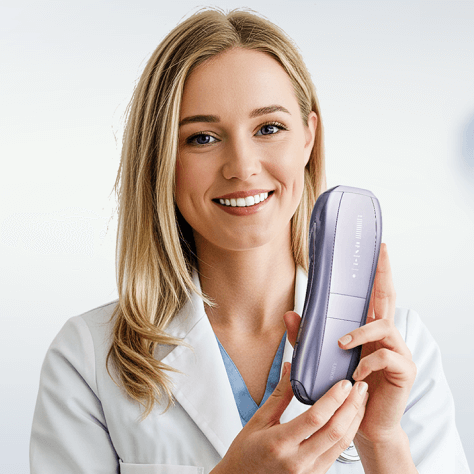
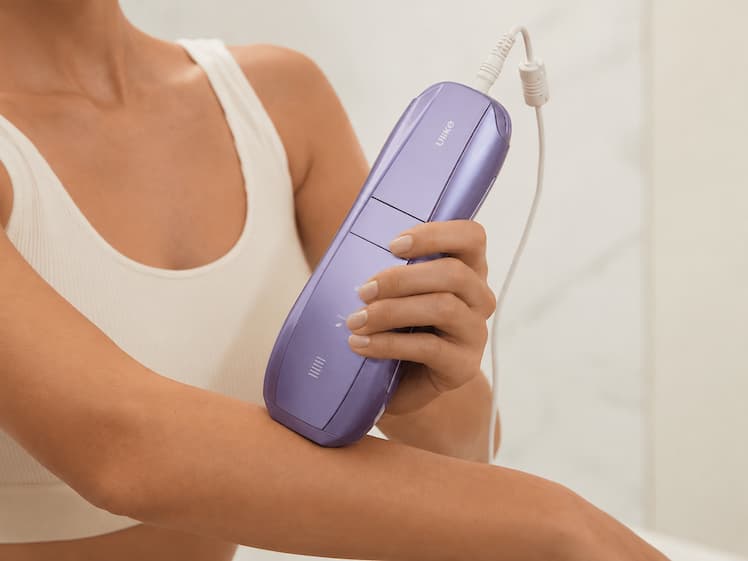
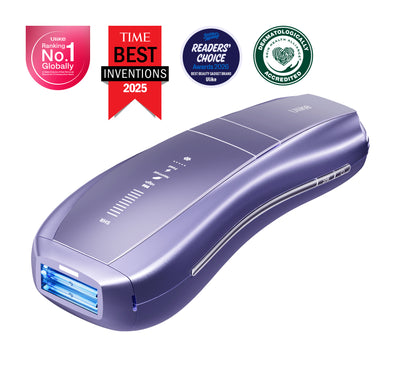
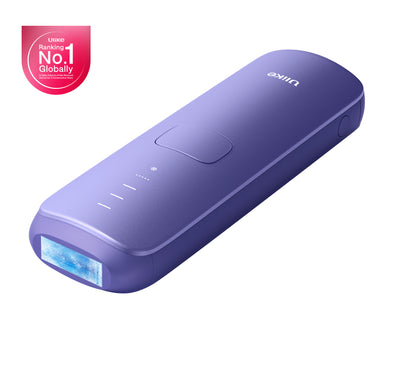
Therefore, we bring you a technology that is closely related to laser but nearly painless and economical. It is Ulike Air 10 IPL Device, which is laser, but better.
It costs the same amount as a single session of laser hair removal but can be used for countless years. It can also be used on the body in addition to the face.
Conclusion
Your preferences will determine which method is better for you. For example, if you want permanent results at any cost and have enough money to spend, electrolysis will undoubtedly work more efficiently for you.
However, if you would prefer relatively comfortable and quick treatments for a few years of hairlessness, laser hair removal or IPL devices are worth a try.

Featured Products

Ulike Air 10
2 weeks to silky smooth skin.
96% Hair Density Reduction
The next-generation in simple,
lasting hair removal.

Best Underarm Hair Removal Options: What Should You Choose?
How Much Is Electrolysis Hair Removal? Let’s Break It Down

Laser to Remove Ingrown Hair: Does It Really Work?

Explore Beauty
Ulike Air 10
2 weeks to silky smooth skin.
96% Hair Density Reduction in 2 Weeks
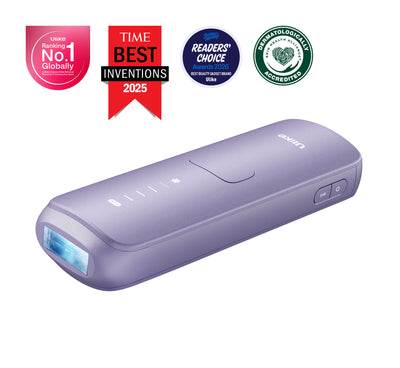
Ulike Air 3
3 weeks to silky smooth skin.
93% Hair Density Reduction in 4 Weeks
Ulike Air 4
4 weeks to silky smooth skin.
95.8% hair reduction in just 2 weeks*
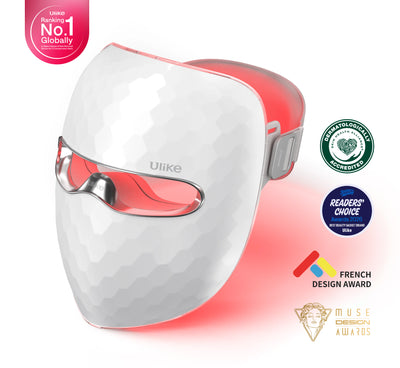
Ulike Reglow
Clearer skin in 2 weeks: Fewer breakouts
Smoother skin in 4 weeks: Fewer lines, firmer feel