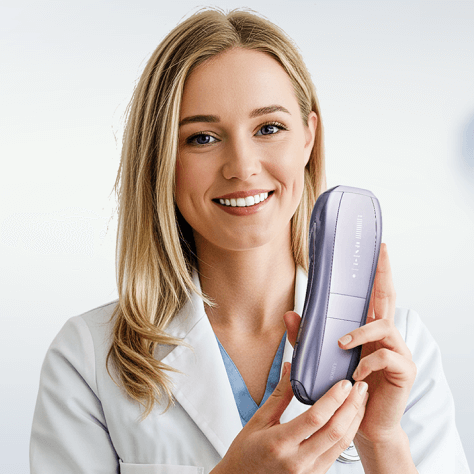
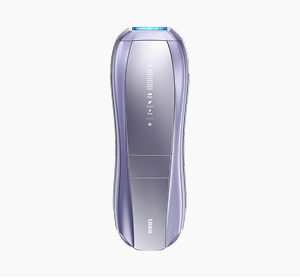
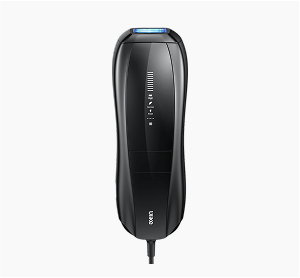
 Ulike ReGlow Pro★ 5.0 (511)


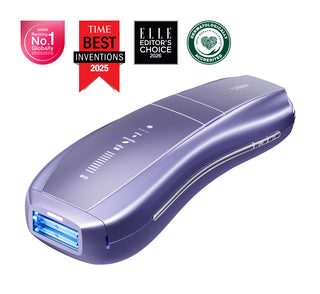


Table of Contents
Smooth, stubble-free skin used to mean repeated salon appointments and mounting professional laser bills. Today, a growing number of people are reaching for an IPL hair removal device that fits in a bathroom drawer and delivers salon-comparable results at home. The global at-home laser hair removal machine market is booming in 2026, and the sheer variety of products on shelves — each claiming faster results, gentler treatment, and smarter technology — can make choosing the right one genuinely confusing.
This guide cuts through the noise. Whether you're searching for the best home IPL laser hair removal kit of 2026 for yourself or as a gift, or simply want to understand what separates a safe, effective device from an overpriced gadget, you're in the right place. We cover the five features that actually matter, explain what FDA clearance really means, break down skin-tone compatibility, and answer the questions dermatologists hear most often.
Table of Contents:
- Part 1: 5 Things to Check Before You Buy
- Part 2: The 5 Features That Actually Matter
- Part 3: Ready to Choose? See Our 2026 Device Rankings
- Part 4: Which Skin Tones Can Use IPL? Fitzpatrick Scale Guide
- Part 5: Frequently Asked Questions (FAQ)
Part 1: 5 Things to Check Before You Buy
Short on time? Here is what every IPL hair removal device buying guide should tell you upfront. Run through this checklist before you add anything to your cart:

- FDA Clearance: Verify the device has received FDA 510(k) clearance for home use, not just "approval." Clearance means it has passed a rigorous safety review.
- Skin Tone Sensor: Look for automatic skin-tone detection. Devices without it can cause burns on medium-to-dark complexions.
- Cooling Technology: Contact-cooling systems dramatically reduce discomfort and protect the skin surface during each flash.
- Flash Count: A realistic full-body treatment plan uses thousands of flashes over months. Low flash-count devices may need costly cartridge replacements early.
- Return Policy & Warranty: A 100-day money-back window and at least a one-year warranty signal a brand that stands behind its results.
Part 2: The 5 Features That Actually Matter
Once you know the checklist, it helps to understand why each item matters. The following breakdown is what separates genuinely informed shoppers from those who rely on flashy marketing alone.
1. Skin Safety Sensor (Auto Tone Detection)
Intense Pulsed Light — the technology behind every IPL laser hair removal device — works by emitting broad-spectrum light that is absorbed by melanin in the hair follicle. The heat disables the follicle and inhibits future growth. The challenge is that melanin also lives in your skin, especially in medium and darker skin tones. Without calibration, the same pulse that targets a hair follicle can overheat the surrounding skin and cause burns, hyperpigmentation, or scarring.
A skin-tone (or auto-tone) sensor solves this problem automatically. Built into the treatment window, it reads your skin tone before each flash and adjusts the energy output accordingly — or blocks the flash entirely if it detects a tone outside the device's safe operating range. When you read an IPL skin tone sensor buying guide comparison, this single feature should sit at the top of your priority list. Devices without it put the burden of safety entirely on the user.
The Ulike Air 10 is one of the more widely cited devices in this category; its automatic sensor reads skin tone before every flash and adjusts intensity across multiple energy levels, covering the Fitzpatrick I–V range discussed in Part 4 of this guide.

2. FDA Cleared Status — What It Means
You will see the phrase "FDA cleared" on almost every premium hair removal device sold in the US. Many shoppers assume this is equivalent to "FDA approved," but the distinction matters.
FDA clearance via the FDA 510(k) clearance pathway means the manufacturer demonstrated that their device is substantially equivalent in safety and effectiveness to a legally marketed predicate device. In plain terms, the FDA reviewed the device's safety data and confirmed it meets the standards required for consumer use. "FDA approved," by contrast, is reserved for brand-new device types with no predicate, which undergo a much lengthier and more expensive premarket approval (PMA) process.
For shoppers, the practical implication is straightforward: an FDA cleared status means a qualified regulatory body has vetted the device for home use. Always look for it — especially when comparing lower-cost imports that may have no certification at all. When evaluating IPL hair removal what to look for features FDA cleared, treat clearance as a baseline, not a bonus.
3. Cooling Technology — Why It Matters for Comfort
One of the most common reasons people abandon their at-home laser hair removal device is discomfort. Each IPL flash delivers a burst of intense heat — effective for hair follicles, but potentially painful on sensitive skin areas like the bikini line, underarms, and upper lip. Contact-cooling technology addresses this by actively chilling the treatment window before, during, or immediately after each pulse.
The cooling approach varies by device. Some use thermoelectric (Peltier) elements embedded in the treatment head; others circulate cool air. The Ulike Sapphire line, for example, advertises a skin-contact temperature of around 65°F (18.3°C), which — when measured after 30 continuous minutes of use — can drop further toward 15.6°C. (Note: these two figures represent different measurement conditions and should not be used interchangeably.)
When comparing devices, look for independently verifiable cooling specs rather than vague claims like "ice-cool technology." A device that confirms its contact temperature under specific use conditions is making a more accountable promise than one that simply mentions "cooling" in its marketing copy.

4. Flash Count & Device Lifespan
The "flash count" refers to the total number of light pulses a device is rated to deliver before its lamp needs replacing or the device is considered end-of-life. For any laser hair removal machine used for a whole-body IPL treatment plan, this number matters more than most buyers realize.
Here is a simplified way to think about it: a typical body-hair treatment plan might involve 8–12 weekly sessions, each requiring multiple flashes per body area. The underarms alone may need 30–50 flashes per session; legs can require several hundred. Over a complete treatment course, plus periodic maintenance every 4–8 weeks, total lifetime flash usage adds up quickly.
A device rated at 300,000 flashes will comfortably outlast one rated at 100,000 flashes for most users. Always check the manufacturer's specification page for verified flash count — not the marketing headline — and factor in whether replacement lamps are available if the device uses a cartridge-based system. The Ulike Air 4 is another option worth reviewing for its flash count specifications before comparing cost-per-flash across competing devices.
5. Return Policy & Warranty
Hair removal results are not instantaneous. Most IPL hair removal device users need 8–12 sessions before seeing a meaningful reduction in hair regrowth, which means several weeks of consistent use before you can confidently evaluate whether a device is working for you. A short or rigid return window makes this trial period stressful.
Look for brands that offer a minimum 30-day return period, though leading brands now offer 100-day money-back guarantees — Ulike's official return policy, for example, is framed as a 100-day money-back policy, giving users enough time to complete a meaningful portion of an initial treatment course before committing.
Warranty length matters too. A one-year minimum is a baseline expectation; two-year coverage is better. Read the fine print: some warranties cover device defects only, while others include lamp degradation. A strong return-and-warranty package is a reliable signal that the brand is confident in their product's performance.
Part 3: Ready to Choose? See Our 2026 Device Rankings
Now that you understand what separates a great device from a merely adequate one, you're equipped to compare specific products with confidence. Rather than crowd this guide with a full multi-device specification table, we've put detailed side-by-side comparisons of the top-rated devices in a dedicated roundup: see our 2026 IPL device rankings. There you'll find ranked summaries, use-case recommendations, and pricing context for every major best IPL device 2026 dermatologist-referenced model.
For those who want to start browsing now, you can explore the full range of IPL hair removal devices available across different price points and feature sets.
Part 4: Which Skin Tones Can Use IPL? Fitzpatrick Scale Guide
Not every IPL hair removal device is safe for every skin tone, and understanding why requires a brief introduction to the Fitzpatrick skin type scale. Developed by dermatologist Thomas B. Fitzpatrick in 1975, the Fitzpatrick Scale is a six-point classification system that categorizes human skin based on its response to ultraviolet exposure — essentially, how easily your skin burns versus tans in sunlight.
Here is how the scale breaks down in practical terms for IPL use:
- Type I: Very fair; always burns, never tans. Light blonde or red hair. Excellent IPL candidate.
- Type II: Fair; burns easily, tans minimally. Light brown hair. Excellent IPL candidate.
- Type III: Medium; sometimes burns, gradually tans. Dark blonde or light brown hair. Good IPL candidate.
- Type IV: Olive; rarely burns, tans well. Dark brown hair. Good IPL candidate with proper device settings.
- Type V: Brown; very rarely burns, tans deeply. Dark brown to black hair. Use only with devices that have auto skin-tone sensors and verified Type V compatibility.
- Type VI: Dark brown to black; never burns, deeply pigmented. IPL is generally not recommended; consult a dermatologist before use.
The key principle is contrast: IPL works best when there is a strong color difference between the hair follicle and the surrounding skin. Light skin with dark hair is the ideal combination. As skin tone deepens into Types V and VI, the risk of the light energy being absorbed by the skin itself — rather than the hair — increases significantly.
Devices with automatic skin-tone sensors (like the Ulike Air 10, which covers Fitzpatrick I–V per its official specifications) manage this risk by dynamically adjusting energy levels. If you have a Type V or VI complexion and are determined to explore at-home options, consult a board-certified dermatologist first and choose only devices with clearly stated, verified compatibility for your skin type. Do not rely on marketing language alone.
Part 5: Frequently Asked Questions (FAQ)
Q1: What should I look for when buying an IPL device?
The five most important criteria are FDA clearance, a skin-tone safety sensor, active cooling technology, a sufficient flash count for long-term use, and a meaningful return policy. All five are covered in detail in Part 2 of this guide. For a quick scan, use the checklist in Part 1. The IPL hair removal device buying guide framework above applies regardless of brand or price point.
Q2: Is Ulike Air 10 FDA cleared?
Yes. The Ulike Air 10 carries FDA 510(k) clearance for at-home use. It's worth understanding the terminology here: "FDA cleared" and "FDA approved" are not interchangeable. FDA clearance — issued through the 510(k) pathway — confirms that the device is substantially equivalent in safety and effectiveness to a legally marketed predicate device. "FDA approved" applies to a separate, more extensive premarket approval (PMA) process typically used for novel, high-risk devices. For home IPL devices, clearance is the correct and meaningful standard to look for.
Q3: How many flashes does a good IPL device need?
The right number depends on your treatment goals, body coverage area, and how frequently you plan to use the device. As a general industry reference, a device rated below 100,000 flashes may feel limiting for users treating multiple body areas over a full treatment course plus ongoing maintenance. Most well-regarded devices in 2026 are rated between 300,000 and 1,000,000+ flashes. Always verify the flash count from the manufacturer's official specification page, not from third-party summaries, as numbers can be rounded or misrepresented.
Q4: Can I use IPL on dark skin?
IPL can be used on Fitzpatrick Type V skin with caution, provided the device has an automatic skin-tone sensor that has been specifically validated for that skin tone. Fitzpatrick Type VI skin is generally outside the safe operating range for most currently available home IPL devices due to the elevated risk of burns, hyperpigmentation, and post-inflammatory darkening. If you fall into Type V or VI, consult a dermatologist before purchase. Devices with auto-sensors — which block the flash if a tone is outside their validated range — provide an important safety net.
Q5: Is home IPL as a effective as professional laser?
The honest answer is: comparable in outcome, but different in timeline. Professional laser treatments use single-wavelength, high-fluence medical-grade equipment operated by trained practitioners — meaning each session delivers more precisely targeted energy. Clinical studies show professional laser achieves significant hair reduction in fewer sessions (typically 6–8 for most body areas).
Home IPL laser hair removal devices operate at lower energy levels for safety, which means a longer initial treatment course — usually 8–12 weekly sessions before seeing comparable results. The trade-off is cost and convenience: professional laser treatments can run $200–$500 per session depending on the body area, while a quality home device is a one-time investment. For most people treating standard body areas with fair-to-medium skin tone, a high-quality at-home device delivers excellent long-term results — it just requires patience and consistency.
Conclusion
The at-home laser hair removal category has matured significantly. The best home IPL laser hair removal kit 2026 options are meaningfully better than what was available five years ago — safer, faster, and better calibrated for a range of skin tones. But quality varies widely, and an uninformed purchase can mean wasted money or, worse, skin damage.
Use this guide as your framework: prioritize FDA clearance, demand an auto skin-tone sensor, evaluate cooling specs, verify the flash count, and don't settle for a return policy shorter than 30 days. Armed with those five filters and the Fitzpatrick scale context, you're ready to find an IPL hair removal device that works for your skin, your schedule, and your budget.