

How Does Diet Affect Hirsutism (Excessive Hair)?
Hair Removal

How Does Diet Affect Hirsutism (Excessive Hair)?

Diet affects hirsutism in women in many different ways as the food we consume is a depiction of our health and body. The causes behind hirsutism can all be traced back to an improper and unbalanced diet. Fortunately, there is a lot you can do to decrease the signs of hirsutism by adjusting your diet. In this article, we bring you all the necessary information on what is hirsutism, the effect of a good and bad diet on hirsutism, and what you can do about it so let us begin. Table of Contents: Part 1: What is Hirsutism? Part 2: How To Manage Hirsutism via Diet? Part 3: FAQs Part 4: Conclusion What is Hirsutism? Hirsutism is a physical condition in women where thick, coarse, dark hair grows mostly around the chin and lips. The growth of this hair mimics the hair growth patterns in men’s bodies specifically targeting the face, chest, and back. Women may experience growth differently at different stages of their lives, or may not experience it at all. The cause of hirsutism in women is attributed to the increase of male hormones known as androgens. Testosterone, an androgen in the male body, is known for male-pattern hair growth, and the elevated levels of which in the female body cause hirsutism. There are very different opinions on how much hair is excessive and on the hirsutism spectrum on a body as a lot of people genetically have thick and excessive hair but there are ways to separate genetics from hirsutism. The elevated levels of androgens in the female body not only cause excessive hair on the face, chest, lower abdomen, and thighs, but they also contribute to virilization. Virilization is the process of a female developing male characters including balding, deepened voice, acne, decreased breast size, and increased muscle mass. These signs in addition to excessive thick hair on a woman’s body can diagnose hirsutism. There are two main risk factors for hirsutism and they include obesity and family history. Obesity can cause a significant rise in androgen production in the women’s body that leads to hirsutism in due time. If a mother has hirsutism, it is very likely that her daughter will also face hirsutism. Another very important aspect of the risk factors is the development of polycystic ovarian syndrome. Hirsutism and PCOS PCOS is a very complex hormonal condition in women that is associated with irregular periods, weight gain, acne, obesity, complicated pregnancies, risk of diabetes, and excessive hair on the body or hirsutism. Not only this, women with PCOS may experience extreme mood changes, depression, anxiety, stress, and sleep apnea. In PCOS, the female hormones fluctuate drastically which gives way to androgens. Females with PCOS thus experience virilization on a higher level and this is why Hirsutism and PCOS go hand in hand. This condition may begin at the time of puberty and may never completely subside. Currently, there is no proper cure for PCOS but lifestyle changes, proper diet, and supplements have been shown to ease the symptoms. If PCOS runs in the family, it may be even harder to get rid of the symptoms for a lot of people. The only thing that helps to decrease the effect of PCOS is weight loss which is very hard in the given symptoms of PCOS. Hirsutism and Other Diseases Other than PCOS, hirsutism may also be caused by Cushing syndrome, Congenital adrenal hyperplasia, tumors, and certain medications. Understanding the \1 is essential, as it can provide insights into effective management strategies. Cushing syndrome is a syndrome that occurs due to exposure to the cortisol hormone from the adrenal glands. Cushing syndrome, often linked to \1, can lead to various symptoms, including hirsutism, emphasizing the need for \1. Congenital adrenal hyperplasia is an inherited condition characterized by an elevated and abnormal production of steroid hormones which may include cortisol and androgen, by your adrenal glands. Congenital adrenal hyperplasia is significant because it highlights the \1 that can influence hormone production and lead to hirsutism. Tumors that may be androgen-secreting in nature. Medications like Minoxidil and Rogaine are used to stimulate hair growth. How To Manage Hirsutism via Diet? We know that Hirsutism is the excessive hair on the body and they are caused by androgens, the male hormones. Fortunately, we can decrease the amount of androgens in our body naturally by consuming the right food. A well-balanced diet may include fiber, protein, carbohydrates, and fats but all in the recommended amount. Lean meats and seafood have shown to be very fruitful in managing PCOS and its related symptoms. Related reading Hirsutism Self-Care: How To Cure Female Hirsutism Naturally What is Excessive Hair Growth? PCOS Explained | Dr. Davin Lim PCOS Facial Hair: Symptoms, Causes And How to Stop It These recommended amounts tend to differ based on personal body types and preferences. So, the following is a broad list of food habits that you should avoid and adopt to decrease and manage the symptoms of hirsutism: Food habits play a significant role in managing hirsutism, as dietary choices can influence hormone levels and overall health. Food Habits to Avoid Any ultra-processed food should be avoided. This may include processed meals, breads, meats, and junk foods. Avoiding ultra-processed foods is essential, as these can contribute to hormonal imbalances that may worsen hirsutism symptoms. Avoid eating right before bed so that your stomach has ample time to digest the food before a good night’s sleep. Avoiding late meals can help improve digestion and promote better sleep quality, which is essential for overall health. It is recommended to avoid dairy and gluten when you have PCOS but in case your diet depends significantly on these two food groups, try and minimize the intake until you can find alternatives that you can happily consume. Dairy and gluten may exacerbate symptoms of PCOS for some individuals, so exploring alternatives can be beneficial for managing dietary needs. We understand that it can be very hard at times but decrease the habit of binge eating, midnight snacking, and emotional eating. Managing eating habits can support weight control and emotional well-being, which are important aspects of health. Food Habits to Adopt Introduce vitamin D-rich foods or vitamin D supplements in your diet. Vitamin D is crucial for various body functions, including hormonal balance, so incorporating it into your diet can be advantageous. Eat lean proteins and seafood at least once per day to meet your protein requirements. Lean proteins and seafood provide essential nutrients that support muscle health and overall energy levels. Keep your diet fruit and vegetable-rich. A diet rich in fruits and vegetables is linked to numerous health benefits, including improved digestion and nutrient intake. Go for exercise wherever possible. Regular exercise is important for maintaining a healthy weight and can improve insulin sensitivity, which is beneficial for those with PCOS. Introduce strength training in your gym routine. Incorporating strength training can enhance muscle mass, boost metabolism, and support overall fitness goals. Drink spearmint tea regularly. Spearmint tea may help reduce excessive hair growth due to its potential anti-androgenic properties. Do not sit for long periods after meals. Portion your meals mindfully so your diet is balanced. These are two broad lists of dos and don’ts in terms of diet for managing hirsutism. The specifics of such a diet can be obtained from a certified nutritionist or your attending doctor. The gist of it is however to consume fresh and healthy food that benefits your health and resurrects your health. Other Ways to Manage Hirsutism We mentioned that diets are one piece of the puzzle when it comes to solving the case of hirsutism. The biggest piece of the puzzle is managing PCOS. So if you can manage PCOS with natural or medicated weight loss, it is very highly likely that the problem of hirsutism may be resolved. In any case that does not happen, other methods in the market can get rid of excessive facial and body hair. Related reading How to Stop Facial Hair Growth in Women Naturally Hypertrichosis vs. Hirsutism: Causes, Difference, and Treatments One such method includes IPL laser devices. These devices are known to decrease the amount of hair after a few uses. You can use the device on any part of your body including your face. This is a great alternative to life-altering choices and is also quick. However, for best results, these devices should be used consistently. Other methods may include waxing, plucking, sugaring, laser, and threading. However, with these techniques, the amount of hair may not be affected and the hair may grow back to the same thickness. Having said that, each body is different. Whatever works for someone may not work for you and vice versa. You would need to test the best way for you and then decide on a treatment most suitable to your unique condition. We suggest you do a thorough research on the matter before investing your time and energy in a single method. FAQs What Is the Cause of Hirsutism? The main cause of Hirsutism is an elevated level of testosterone in the women’s body. Testosterone is a male hormone naturally present in women. However, due to various factors, its production may be increased, while the production of female hormones decreases. This gives testosterone a dominant effect and the female hormones a suppressive effect. This is why females experience hirsutism in various parts of their bodies. How Is Hirsutism Diagnosed? Hirsutism can be diagnosed by checking for virilization which is the development of male characteristics in a female body. Hirsutism is caused by androgens so to diagnose it, doctors look for other signs that may only be caused by the presence of androgens in an elevated amount. These signs may include balding, deepened voice, acne, decreased breast size, and increased muscle mass. Another way to diagnose hirsutism includes blood tests to check the ratio of various hormones in the body. What Age Can Women Experience Hirsutism In? Mostly, women can experience hirsutism at the time of their puberty but there is not a specific age number. Some women may experience it later in life or when they develop the symptoms of polycystic ovarian syndrome. The onset of hirsutism thus depends on the individual body, its environment, and among many other things, diet. What Is the Best Diet to Combat Hirsutism? An antioxidant-rich diet comprising fresh fruits, vegetables, lean meat, and seafood is the best way to combat hirsutism. It is important to note that eating an antioxidant-rich diet is only one part of combatting hirsutism. You will also need to bring the symptoms of your PCOS under control for your hair to grow normally. What Are Some Ways of Geeting Rid of Body Hair? Some ways of getting rid of body hair include waxing, plucking, sugaring, laser, and threading. However, with these techniques, the amount of hair may not be affected and the hair may grow back to the same thickness. In addition to these, IPL laser devices have shown to be very promising in removing unwanted hair from the body. These devices do a great job in decreasing the density of the hair all the while making the process a less painful experience. Conclusion In conclusion, in many ways, diet affects hirsutism symptoms and development in female bodies. A well-balanced diet that is rich in protein and antioxidants can work wonders for your excessive hair on the face and body, but to completely get rid of all the symptoms of hirsutism, you will need to address the root cause, which may be PCOS. Another way to decrease excessive hair is to use an IPL device that will greatly help decrease the hair on the body. We hope that you found this article helpful. Good luck! References https://www.mayoclinic.org/diseases-conditions/hirsutism/symptoms-causes/syc-20354935 https://marulawellness.com/pcos-education/food-lifestyle-considerations-for-pcos-hirsutism/ https://www.betterhealth.vic.gov.au/health/conditionsandtreatments/hirsutism-excessive-hair-women Ulike Welcome to Ulike! We hope our expertise can bring value to you.
Nov 26, 2025
Share:

Up to 40% Off
& Free Gifts

Learn More
Table of Contents

Diet affects hirsutism in women in many different ways as the food we consume is a depiction of our health and body. The causes behind hirsutism can all be traced back to an improper and unbalanced diet. Fortunately, there is a lot you can do to decrease the signs of hirsutism by adjusting your diet. In this article, we bring you all the necessary information on what is hirsutism, the effect of a good and bad diet on hirsutism, and what you can do about it so let us begin.

Table of Contents:

What is Hirsutism?

What is Hirsutism

Hirsutism is a physical condition in women where thick, coarse, dark hair grows mostly around the chin and lips. The growth of this hair mimics the hair growth patterns in men’s bodies specifically targeting the face, chest, and back. Women may experience growth differently at different stages of their lives, or may not experience it at all. The cause of hirsutism in women is attributed to the increase of male hormones known as androgens. Testosterone, an androgen in the male body, is known for male-pattern hair growth, and the elevated levels of which in the female body cause hirsutism.

There are very different opinions on how much hair is excessive and on the hirsutism spectrum on a body as a lot of people genetically have thick and excessive hair but there are ways to separate genetics from hirsutism. The elevated levels of androgens in the female body not only cause excessive hair on the face, chest, lower abdomen, and thighs, but they also contribute to virilization. Virilization is the process of a female developing male characters including balding, deepened voice, acne, decreased breast size, and increased muscle mass. These signs in addition to excessive thick hair on a woman’s body can diagnose hirsutism.

There are two main risk factors for hirsutism and they include obesity and family history. Obesity can cause a significant rise in androgen production in the women’s body that leads to hirsutism in due time. If a mother has hirsutism, it is very likely that her daughter will also face hirsutism. Another very important aspect of the risk factors is the development of polycystic ovarian syndrome.

Hirsutism and PCOS

PCOS is a very complex hormonal condition in women that is associated with irregular periods, weight gain, acne, obesity, complicated pregnancies, risk of diabetes, and excessive hair on the body or hirsutism. Not only this, women with PCOS may experience extreme mood changes, depression, anxiety, stress, and sleep apnea. In PCOS, the female hormones fluctuate drastically which gives way to androgens. Females with PCOS thus experience virilization on a higher level and this is why Hirsutism and PCOS go hand in hand.

This condition may begin at the time of puberty and may never completely subside. Currently, there is no proper cure for PCOS but lifestyle changes, proper diet, and supplements have been shown to ease the symptoms. If PCOS runs in the family, it may be even harder to get rid of the symptoms for a lot of people. The only thing that helps to decrease the effect of PCOS is weight loss which is very hard in the given symptoms of PCOS.

Hirsutism and Other Diseases

Other than PCOS, hirsutism may also be caused by Cushing syndrome, Congenital adrenal hyperplasia, tumors, and certain medications.

Understanding the \1 is essential, as it can provide insights into effective management strategies.

  • Cushing syndrome is a syndrome that occurs due to exposure to the cortisol hormone from the adrenal glands.
  • Cushing syndrome, often linked to \1, can lead to various symptoms, including hirsutism, emphasizing the need for \1.

  • Congenital adrenal hyperplasia is an inherited condition characterized by an elevated and abnormal production of steroid hormones which may include cortisol and androgen, by your adrenal glands.
  • Congenital adrenal hyperplasia is significant because it highlights the \1 that can influence hormone production and lead to hirsutism.

  • Tumors that may be androgen-secreting in nature.
  • Medications like Minoxidil and Rogaine are used to stimulate hair growth.

How To Manage Hirsutism via Diet?

How To Manage Hirsutism via Diet

We know that Hirsutism is the excessive hair on the body and they are caused by androgens, the male hormones. Fortunately, we can decrease the amount of androgens in our body naturally by consuming the right food. A well-balanced diet may include fiber, protein, carbohydrates, and fats but all in the recommended amount. Lean meats and seafood have shown to be very fruitful in managing PCOS and its related symptoms.

These recommended amounts tend to differ based on personal body types and preferences. So, the following is a broad list of food habits that you should avoid and adopt to decrease and manage the symptoms of hirsutism:

Food habits play a significant role in managing hirsutism, as dietary choices can influence hormone levels and overall health.

Food Habits to Avoid

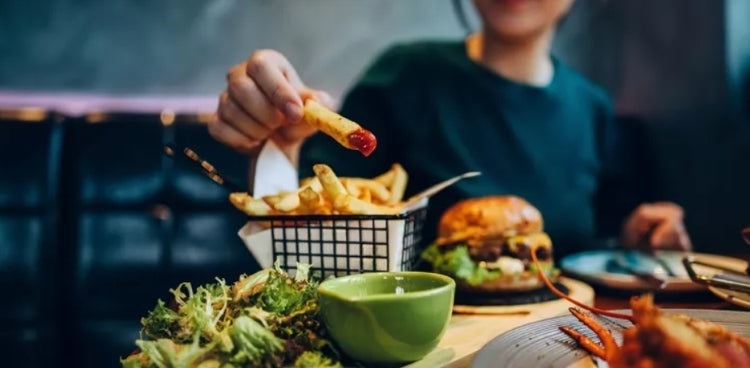
  • Any ultra-processed food should be avoided. This may include processed meals, breads, meats, and junk foods.
  • Avoiding ultra-processed foods is essential, as these can contribute to hormonal imbalances that may worsen hirsutism symptoms.

  • Avoid eating right before bed so that your stomach has ample time to digest the food before a good night’s sleep.
  • Avoiding late meals can help improve digestion and promote better sleep quality, which is essential for overall health.

  • It is recommended to avoid dairy and gluten when you have PCOS but in case your diet depends significantly on these two food groups, try and minimize the intake until you can find alternatives that you can happily consume.
  • Dairy and gluten may exacerbate symptoms of PCOS for some individuals, so exploring alternatives can be beneficial for managing dietary needs.

  • We understand that it can be very hard at times but decrease the habit of binge eating, midnight snacking, and emotional eating.
  • Managing eating habits can support weight control and emotional well-being, which are important aspects of health.

Food Habits to Adopt

  • Introduce vitamin D-rich foods or vitamin D supplements in your diet.
  • Vitamin D is crucial for various body functions, including hormonal balance, so incorporating it into your diet can be advantageous.

  • Eat lean proteins and seafood at least once per day to meet your protein requirements.
  • Lean proteins and seafood provide essential nutrients that support muscle health and overall energy levels.

  • Keep your diet fruit and vegetable-rich.
  • A diet rich in fruits and vegetables is linked to numerous health benefits, including improved digestion and nutrient intake.

  • Go for exercise wherever possible.
  • Regular exercise is important for maintaining a healthy weight and can improve insulin sensitivity, which is beneficial for those with PCOS.

  • Introduce strength training in your gym routine.
  • Incorporating strength training can enhance muscle mass, boost metabolism, and support overall fitness goals.

  • Drink spearmint tea regularly.
  • Spearmint tea may help reduce excessive hair growth due to its potential anti-androgenic properties.

  • Do not sit for long periods after meals.
  • Portion your meals mindfully so your diet is balanced.

These are two broad lists of dos and don’ts in terms of diet for managing hirsutism. The specifics of such a diet can be obtained from a certified nutritionist or your attending doctor. The gist of it is however to consume fresh and healthy food that benefits your health and resurrects your health.

Other Ways to Manage Hirsutism

We mentioned that diets are one piece of the puzzle when it comes to solving the case of hirsutism. The biggest piece of the puzzle is managing PCOS. So if you can manage PCOS with natural or medicated weight loss, it is very highly likely that the problem of hirsutism may be resolved. In any case that does not happen, other methods in the market can get rid of excessive facial and body hair.

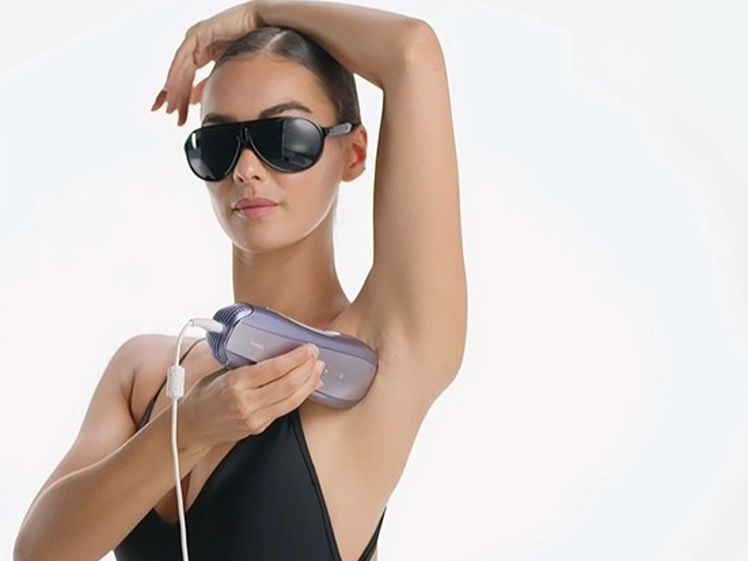
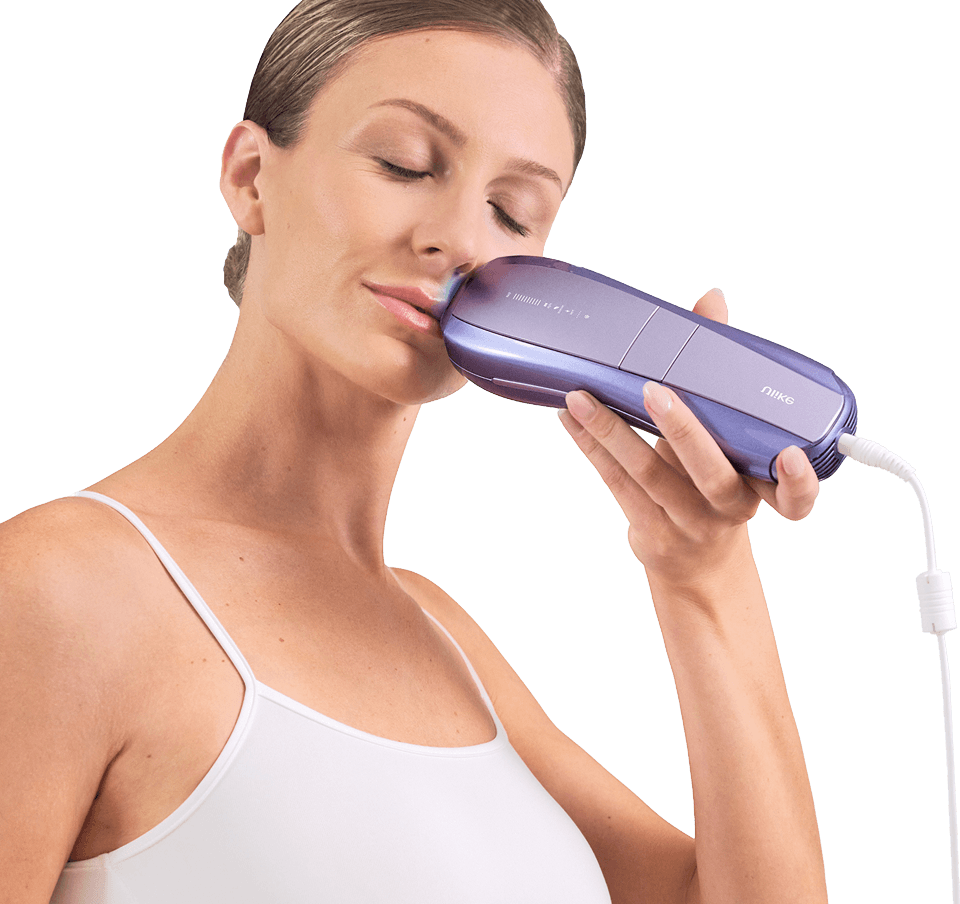
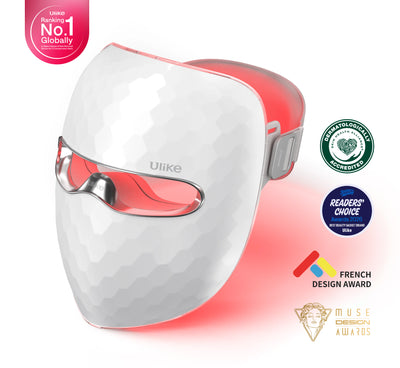
One such method includes IPL laser devices. These devices are known to decrease the amount of hair after a few uses. You can use the device on any part of your body including your face. This is a great alternative to life-altering choices and is also quick. However, for best results, these devices should be used consistently.

Other methods may include waxing, plucking, sugaring, laser, and threading. However, with these techniques, the amount of hair may not be affected and the hair may grow back to the same thickness. Having said that, each body is different. Whatever works for someone may not work for you and vice versa. You would need to test the best way for you and then decide on a treatment most suitable to your unique condition. We suggest you do a thorough research on the matter before investing your time and energy in a single method.

FAQs

What Is the Cause of Hirsutism?

What Is the Cause of Hirsutism

The main cause of Hirsutism is an elevated level of testosterone in the women’s body. Testosterone is a male hormone naturally present in women. However, due to various factors, its production may be increased, while the production of female hormones decreases. This gives testosterone a dominant effect and the female hormones a suppressive effect. This is why females experience hirsutism in various parts of their bodies.

How Is Hirsutism Diagnosed?

Hirsutism can be diagnosed by checking for virilization which is the development of male characteristics in a female body. Hirsutism is caused by androgens so to diagnose it, doctors look for other signs that may only be caused by the presence of androgens in an elevated amount. These signs may include balding, deepened voice, acne, decreased breast size, and increased muscle mass. Another way to diagnose hirsutism includes blood tests to check the ratio of various hormones in the body.

What Age Can Women Experience Hirsutism In?

What Age Can Women Experience Hirsutism In

Mostly, women can experience hirsutism at the time of their puberty but there is not a specific age number. Some women may experience it later in life or when they develop the symptoms of polycystic ovarian syndrome. The onset of hirsutism thus depends on the individual body, its environment, and among many other things, diet.

What Is the Best Diet to Combat Hirsutism?

An antioxidant-rich diet comprising fresh fruits, vegetables, lean meat, and seafood is the best way to combat hirsutism. It is important to note that eating an antioxidant-rich diet is only one part of combatting hirsutism. You will also need to bring the symptoms of your PCOS under control for your hair to grow normally.

What Are Some Ways of Geeting Rid of Body Hair?

Some ways of getting rid of body hair include waxing, plucking, sugaring, laser, and threading. However, with these techniques, the amount of hair may not be affected and the hair may grow back to the same thickness. In addition to these, IPL laser devices have shown to be very promising in removing unwanted hair from the body. These devices do a great job in decreasing the density of the hair all the while making the process a less painful experience.

Conclusion

In conclusion, in many ways, diet affects hirsutism symptoms and development in female bodies. A well-balanced diet that is rich in protein and antioxidants can work wonders for your excessive hair on the face and body, but to completely get rid of all the symptoms of hirsutism, you will need to address the root cause, which may be PCOS. Another way to decrease excessive hair is to use an IPL device that will greatly help decrease the hair on the body. We hope that you found this article helpful. Good luck!

References

Bimi logo 100x
Ulike
Welcome to Ulike! We hope our expertise can bring value to you.
Previous
Lanugo Explained By a Dermatologist: Nature, Function, Causes, and Treatment
Next
Can I Wash My Face After Laser Hair Removal? 
Share:
The 10 Best Laser Devices for Men’s Body Hair Removal at Home

The 10 Best Laser Devices for Men’s Body Hair Removal at Home

Hair removal isn’t just for women. Some men do not wish to have unwanted hair on their face, unde...
Nov 24, 2025
5 Dermatologist Recommended At-Home Laser Hair Removal Devices 2025

5 Dermatologist Recommended At-Home Laser Hair Removal Devices 2025

With the advent of technology, you can now be free from waxing, shaving, or tweezing. The latest ...
Nov 24, 2025
Hair on Female Breast: Causes, How to Remove, And More

Hair on Female Breast: Causes, How to Remove, And More

While many of us were growing up, we were told that women are not supposed to have body hair. Onl...
Nov 24, 2025

Need guidance?

Get a free one-on-one consultation

TALK TO AN EXPERT

Explore Beauty

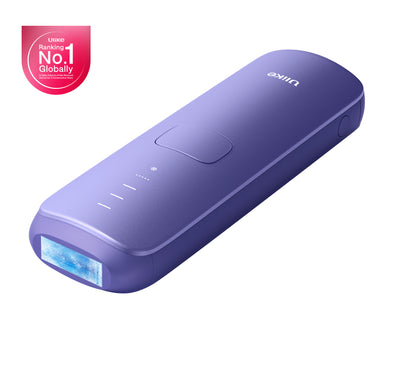
Ulike Air 10

2 weeks to silky smooth skin.

96% Hair Density Reduction in 2 Weeks
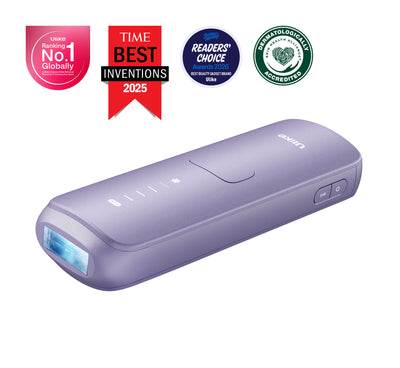
Ulike Air 3

3 weeks to silky smooth skin.

93% Hair Density Reduction in 4 Weeks
Leave a comment

All comments are moderated before being published.

This site is protected by hCaptcha and the hCaptcha Privacy Policy and Terms of Service apply.

Back to top