
How Long Does Electrolysis Last? How Many Sessions Are Needed?
Hair Removal

How Long Does Electrolysis Last? How Many Sessions Are Needed?

If you’ve made up your mind to long-lastingly get rid of that objectionable body hair, the most viable option you are probably considering is electrolysis. It is the only FDA-recognized long-lasting hair removal method of all the alternatives. But if I may peep into your mind, I imagine you’ve got so many questions about this method. For me, the name alone sends some shivers down my spine. ‘Electrolysis’ on the surface suggests using electricity to break down something. But is that really the case? And, if so, how often do you have to repeat this process to become hair-free? I’m sure you would also want to know if you are to expect a painful session or not, alongside other details. Whatever your questions are about electrolysis hair removal, you can expect evidence-based answers from this piece. We will consider this topic from the perspective of the duration and sessions and also see other related details. But for the sake of newbies, let’s first of all define and explain this concept. What is Electrolysis Hair Removal? For over a century now, electrolysis has been applied by cosmeticians and physicians to remedy many skin defects. Initially, experts used it solely to treat ingrown hairs from the upper part of the eyes. However, in recent times, the method has proven to be excellent at eliminating hair long-lastingly with no severe side effects. First, I must mention that electrolysis is not an at-home or DIY method; you need a trained electrologist to carry out the procedure. It essentially involves using electric current to destroy hair follicles under the skin, causing a fall-off of surface hairs and a stoppage of further regrowth. The method goes to the basis of hair growth and stops the mechanism from that point. To achieve this process, your electrologist will typically insert a tiny wire into your skin, targeting the follicle that produces the hair you want to remove. Electric current flows through this tiny wire and sets at naught the follicles. Once destroyed, it will no longer be able to send hair to the skin’s surface. From this explanation, you might have picked up a few things, such as: Understanding electrolysis hair removal is essential for anyone considering this method, as it involves the use of electrical currents to destroy hair follicles. Electrolysis must be a time-consuming process Electrolysis is indeed a time-consuming process, as each session focuses on individual hair follicles, which can vary in treatment time. It’s probably not nearly painless The process can indeed cause some discomfort, so it’s wise to prepare for the possibility of pain during treatment. While discomfort is likely, some techniques may help manage the sensation during treatment, making the experience more bearable. While many find the sensation tolerable, it’s important to note that everyone's pain threshold is different, so experiences may vary. I won’t be able to keep my privacy with this approach. While privacy concerns are valid, most professionals ensure that treatments are conducted in a confidential environment to protect client privacy. Electrolysis is typically performed in a private setting, but if privacy is a concern, you can discuss your preferences with your technician. I don’t even know if I can afford this process. Many individuals share concerns about the affordability of electrolysis, which can be addressed through budgeting or financing. Understanding the potential costs involved can help you plan accordingly and explore financing options if needed. The cost of electrolysis can vary widely, so it's best to consult with a professional to understand what fits your budget. Will it truly end my obnoxious hair growth? While electrolysis can be effective, permanent hair removal depends on various factors and may not be guaranteed for everyone. Electrolysis may significantly reduce hair growth, but individual results can vary, and a consultation can provide better insight. Electrolysis is known for its effectiveness, but results can vary based on individual factors such as hair type and hormonal influences, so it’s wise to set realistic expectations. So, let’s examine these concerns one after the other. How Long Will Electrolysis Session Take? Electrolysis can take from as short as ten minutes to several hours, depending on several factors. First, it’s a question of the surface area involved. If you want the procedure done on your two legs or arms, be prepared to spend a few hours per session. However, if it’s just a few strands on your face you want to deal with, you can leave the clinic or beauty shop in less than ten minutes. Another issue here is the spacing between appointments. The timing of your appointments is important, as consistent scheduling can enhance the effectiveness of the treatment. It's important to consider that consistency in scheduling can lead to more effective results and a smoother treatment experience. The time between appointments can affect your overall treatment plan, as it’s generally recommended to allow for optimal hair growth cycles to be targeted. How Many Electrolysis Sessions Do You Need? Electrolysis is not a once-for-all procedure; you will normally need several sessions before your electrologist can ‘release’ you. For some, it can be eight; for others, it can be twenty-four. You can dedicate about one year to hair removal and keep every appointment with your electrologist for maximum results. A little break from work can be utilized to finish your session because it could just be a few minutes of treatment, like the upper lips, which can be done within a few minutes. Related reading Electrolysis vs Laser hair removal: What is the difference and which is better for you? Can Electrolysis Hair Removal be Done at Home? Waxing vs. Electrolysis: Which Hair Removal is Better? How Long Does Electrolysis Last? Will your hair grow back? Currently, the only way to achieve long-lasting hair removal is through electrolysis. However, you can still experience hair growth after a while. This could result from many things, like an incomplete electrolysis session, changes in the circle of your hair growth, and other causes. Moreover, the more significant number of hair follicles in your body can make it difficult for your electrologist to destroy them all at once. So, there might still be some of them left undamaged after your electrolysis sessions. This is why it is advisable to treat a body part at a time. The electrologist has to target each hair follicle and treat all individually, and this can get tedious for them. So, for thoroughness, ensure that you go for electrolysis sessions for different parts of your body on separate days unless your electrologist has a helping hand that can care for one part of your body. At the same time, they attend to the other part. Types of Electrolysis Hair Removal Electrolysis has existed for over a century, but the procedure has evolved due to modern technology. Electrolysis procedures only advanced with the invention of better equipment. However, the electrolysis done on people many years ago and the one done now have the same working principles. Different devices have given birth to the type of electrolysis we know today. These include; Understanding the different types of electrolysis is crucial because each type has unique qualities that may suit varying needs and preferences for hair removal. Choosing the right type of electrolysis can enhance your overall experience and effectiveness of treatment. By knowing the specific characteristics of each type, individuals can make informed choices that align with their personal hair removal goals. Understanding these specific characteristics can help ensure that your hair removal process is both efficient and comfortable. Thermolysis method: from the word thermo, it’s easy to understand that it has something to do with heat. In the 1920s, Henry Bordier developed a diathermy that could heat hair follicles to about 50 Degrees Celsius, causing the hair matrix cells to coagulate instantly. The cells that the thermolysis targets are in charge of hair growth, and damaging them long-lastingly will ensure that hair never grows again. The effectiveness of thermolysis is significant, as it permanently damages hair growth cells, leading to long-lasting results in hair removal. Understanding the process and results of thermolysis can help individuals choose the right method for their hair removal needs. By grasping the process of thermolysis, individuals can make informed decisions about their hair removal options. Galvanic Methods: the technique used in this method was by Charles Michel, an ophthalmologist, in 1875. However, it was named after a man called Luigi Galvanic. This technique was initially used to tackle ingrown eyelashes. The historical context of galvanic methods highlights the evolution of hair removal techniques over time. The historical context of galvanic methods illustrates how hair removal techniques have advanced, providing insights into their current applications. The Galvanic method is notable for its historical significance and its initial use for treating ingrown eyelashes, showcasing its versatility in hair removal. The galvanic method involves the destruction of the hair follicle when a maximum current of 3 milliamperes is passed to the follicles, and there is a chemical build-up. The chemicals produced will destroy the hair cells in the hair follicle that are responsible for hair growth—inhibiting further hair growth in the future. The Blended method: this method was discovered by Arthur Kinkel in 1948. It involves the destruction of hair follicles using the build-up of heat and chemical compounds in the hair follicle. The Blended method combines techniques to enhance effectiveness, making it a popular choice for those seeking efficient hair follicle destruction. The Blended method is favored for its comprehensive approach, appealing to those who want a more effective hair removal solution. This method's combination of techniques not only improves efficiency but also addresses various hair types. Understanding the different techniques involved in electrolysis can enhance your experience and outcomes based on your specific hair removal needs. Myths About Electrolysis The following are among the wrong beliefs about electrolysis caused by assumptions and false reports about the procedure. Being aware of these myths can help individuals make informed choices about electrolysis and its effectiveness as a hair removal method. Recognizing these common misconceptions can lead to a better understanding of what to expect from electrolysis. Myth: the electric tweezer can be used to remove hair long-lastingly. Electric tweezer does not provide long-lasting hair removal, contrary to the false claims made by some marketers of the electric tweezer. At the time of writing this article, electrolysis is still the only known method of removing hair long-lastingly. Myth: electrolysis is Painful. Most people undergoing electrolysis usually testify that their pain or discomfort was minimal. This is because the electrolysis machines of today are more advanced than the ones found in the past century. There is also a numbing cream that electrologists give to their patients with very low tolerance to pain. Therefore, you don’t need to dread an electrolysis session for fear of experiencing pain. Electrolysis vs. Other Methods of Hair Removal Laser Hair Removal Electrolysis and laser hair removal always stay close on comparison tables and scales. This is because the procedures look alike, but they are pretty different. Laser involves the removal of hair using lasers of specific wavelengths and is used to target melanin. Electrolysis, on the other hand, targets the hair growth cells in the hair follicle, which is why it can achieve long-lasting hair removal. On a close examination, they both require the service of professionals, but lasers are more expensive despite not being long-lasting. Chemical Hair Removal Compared to chemical methods, electrolysis is an immaculate method of removing hair. Chemical methods like wax and creams tend to create a mess if poorly handled. Yes, they may be fast and less expensive, but their effects are temporary and carry side effects. Hair Removal by IPL Devices IPL devices work similarly to lasers, but it uses light beams of varying wavelength. An IPL device is a neater option compared to chemical methods because it does not involve the application of any chemical. IPL devices also allow you to remove hair from your body privately, which is why many people love them. They also come highly recommended by beauticians because, unlike electrolysis, which only removes hair, an IPL like Ulike will not only remove unwanted hair but also treat skin problems. Related reading Electrolysis Hair Removal: Benefits, Cost & How Many Treatments Facial Electrolysis: Cost, Results, Side Effects, and More One of the best IPL devices you can trust to remove body hair is the One of the best IPL devices you can trust to remove body hair is the Ulike Sapphire Air 3 IPLHair Removal Handset. It features cutting-edge technology that minimizes discomfort and produces results within the shortest time possible. You don’t even need to be a tech-savvy individual to use it, as its instructions are clear, and you only need to switch it on, select the appropriate mode and intensity, and flash the light. After three weeks, you can expect a world of difference as your hair would have reduced noticeably. However, if by the third month, you haven’t noticed any difference, Ulike will refund you a hundred percent. Please ensure that your hair and skin tones permit you to use an IPL before you purchase. As a ground rule, dark-skinned folks benefit less from IPL devices, but it’s good to let the manufacturer’s chart guide you. FAQ Does Electrolysis Long-lastingly Remove Hair? Yes, no matter your skin tone, electrolysis will long-lastingly remove hair from your body without damaging your skin. This is why the FDA has cleared it as the only long-lasting method of removing hair. This approval by the FDA underscores the trustworthiness and safety of electrolysis as a hair removal option. The FDA's endorsement indicates that electrolysis is a reliable method that many people can consider for effective hair removal. This FDA endorsement emphasizes that electrolysis is a safe and reliable method for long-lasting hair removal across various skin tones. Can Hair Grow Back After Electrolysis? When the hair follicle is damaged, hair should not grow back. But when you go for only one session, it will grow back, looking finer. And if you keep going back for more sessions, you will achieve a long-lasting result. How Often Should Electrolysis Be Done? Your electrologist will examine you and tell you how often you should be available for a session. Ideally, it should be every 2 to 4 weeks to achieve a long-lasting result. Regular sessions are essential, as they allow for optimal results over time, ensuring that hair removal is effective and enduring. By attending regular sessions, clients can experience a gradual reduction in hair density, leading to \1 long-term results. Consistency in attending appointments is crucial for maintaining results, as hair grows in different cycles and regular treatments help address all hair effectively. Understanding hair growth cycles helps electrologists tailor treatments, ensuring that each session addresses hair in its active growth phase for \1. What Happens If You Stop Electrolysis? Once you begin an electrolysis process, it’s best to see it through. Understandably, you might miss one or two sessions, but it’s always possible to make things up by discussing with your electrologist. Stopping the entire process may mean you’ve wasted a lot of time and resources, as the hairs may resume their growth. That’s because some of the follicles might not have been fully destroyed before you stop the process. Conclusion For now, there is no substitute for electrolysis if you aim to long-lastingly get rid of the annoying strands on your body. But as you have seen in this article, it takes time. You can spend a whole year or even more to complete the required sessions, depending on the factors we’ve highlighted earlier. But if urge and urgency are irresistible, the process is worth it. At least you are sure that you will never have to worry about objectionable hair again when the process is over. Intense Pulsed Light (IPL) devices like the Ulike Sapphire Air3 device are a worthy alternative to electrolysis. They are far more affordable, ensure privacy, and produce a nearly long-lasting result if used as instructed. These devices utilize advanced technology to target hair follicles effectively, making them a popular choice for those seeking \1 and \1 hair removal solutions. These devices can cater to various skin types and hair colors, which may enhance their \1 for a broader audience seeking hair removal options. These devices are designed to provide a \1 experience, often allowing individuals to perform hair removal treatments in the comfort of their own homes. This not only adds convenience but also allows users to maintain a \1, which is vital for achieving the best results. ULIKEBEAUTY Welcome to Ulike! We hope our expertise can bring value to you.
Nov 26, 2025
Share:

Up to 40% Off
& Free Gifts

Learn More
Table of Contents

If you’ve made up your mind to long-lastingly get rid of that objectionable body hair, the most viable option you are probably considering is electrolysis. It is the only FDA-recognized long-lasting hair removal method of all the alternatives. But if I may peep into your mind, I imagine you’ve got so many questions about this method. For me, the name alone sends some shivers down my spine. ‘Electrolysis’ on the surface suggests using electricity to break down something.

But is that really the case? And, if so, how often do you have to repeat this process to become hair-free? I’m sure you would also want to know if you are to expect a painful session or not, alongside other details.

Whatever your questions are about electrolysis hair removal, you can expect evidence-based answers from this piece. We will consider this topic from the perspective of the duration and sessions and also see other related details. But for the sake of newbies, let’s first of all define and explain this concept.

What is Electrolysis Hair Removal?

For over a century now, electrolysis has been applied by cosmeticians and physicians to remedy many skin defects. Initially, experts used it solely to treat ingrown hairs from the upper part of the eyes. However, in recent times, the method has proven to be excellent at eliminating hair long-lastingly with no severe side effects.

What is Electrolysis Hair Removal

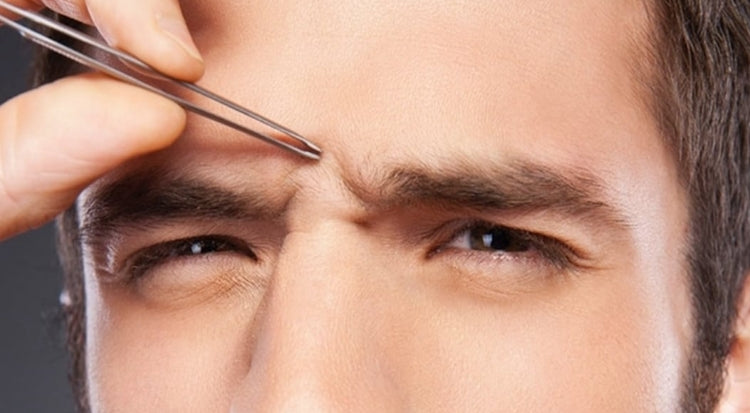
First, I must mention that electrolysis is not an at-home or DIY method; you need a trained electrologist to carry out the procedure. It essentially involves using electric current to destroy hair follicles under the skin, causing a fall-off of surface hairs and a stoppage of further regrowth. The method goes to the basis of hair growth and stops the mechanism from that point.

To achieve this process, your electrologist will typically insert a tiny wire into your skin, targeting the follicle that produces the hair you want to remove. Electric current flows through this tiny wire and sets at naught the follicles. Once destroyed, it will no longer be able to send hair to the skin’s surface.

From this explanation, you might have picked up a few things, such as:

Understanding electrolysis hair removal is essential for anyone considering this method, as it involves the use of electrical currents to destroy hair follicles.

  • Electrolysis must be a time-consuming process
  • Electrolysis is indeed a time-consuming process, as each session focuses on individual hair follicles, which can vary in treatment time.

  • It’s probably not nearly painless
  • The process can indeed cause some discomfort, so it’s wise to prepare for the possibility of pain during treatment.

    While discomfort is likely, some techniques may help manage the sensation during treatment, making the experience more bearable.

    While many find the sensation tolerable, it’s important to note that everyone's pain threshold is different, so experiences may vary.

  • I won’t be able to keep my privacy with this approach.
  • While privacy concerns are valid, most professionals ensure that treatments are conducted in a confidential environment to protect client privacy.

    Electrolysis is typically performed in a private setting, but if privacy is a concern, you can discuss your preferences with your technician.

  • I don’t even know if I can afford this process.
  • Many individuals share concerns about the affordability of electrolysis, which can be addressed through budgeting or financing.

    Understanding the potential costs involved can help you plan accordingly and explore financing options if needed.

    The cost of electrolysis can vary widely, so it's best to consult with a professional to understand what fits your budget.

  • Will it truly end my obnoxious hair growth?
  • While electrolysis can be effective, permanent hair removal depends on various factors and may not be guaranteed for everyone.

    Electrolysis may significantly reduce hair growth, but individual results can vary, and a consultation can provide better insight.

    Electrolysis is known for its effectiveness, but results can vary based on individual factors such as hair type and hormonal influences, so it’s wise to set realistic expectations.

So, let’s examine these concerns one after the other.

How Long Will Electrolysis Session Take?

Electrolysis can take from as short as ten minutes to several hours, depending on several factors. First, it’s a question of the surface area involved. If you want the procedure done on your two legs or arms, be prepared to spend a few hours per session. However, if it’s just a few strands on your face you want to deal with, you can leave the clinic or beauty shop in less than ten minutes.

Another issue here is the spacing between appointments.

The timing of your appointments is important, as consistent scheduling can enhance the effectiveness of the treatment.

It's important to consider that consistency in scheduling can lead to more effective results and a smoother treatment experience.

The time between appointments can affect your overall treatment plan, as it’s generally recommended to allow for optimal hair growth cycles to be targeted.

How Many Electrolysis Sessions Do You Need?

Electrolysis is not a once-for-all procedure; you will normally need several sessions before your electrologist can ‘release’ you. For some, it can be eight; for others, it can be twenty-four. You can dedicate about one year to hair removal and keep every appointment with your electrologist for maximum results. A little break from work can be utilized to finish your session because it could just be a few minutes of treatment, like the upper lips, which can be done within a few minutes.

How Long Does Electrolysis Last?

Will My Hair Grow Back after hair removal

Will your hair grow back? Currently, the only way to achieve long-lasting hair removal is through electrolysis. However, you can still experience hair growth after a while. This could result from many things, like an incomplete electrolysis session, changes in the circle of your hair growth, and other causes.

Moreover, the more significant number of hair follicles in your body can make it difficult for your electrologist to destroy them all at once. So, there might still be some of them left undamaged after your electrolysis sessions. This is why it is advisable to treat a body part at a time.

The electrologist has to target each hair follicle and treat all individually, and this can get tedious for them. So, for thoroughness, ensure that you go for electrolysis sessions for different parts of your body on separate days unless your electrologist has a helping hand that can care for one part of your body. At the same time, they attend to the other part.

Types of Electrolysis Hair Removal

Types of Electrolysis Hair Removal

Electrolysis has existed for over a century, but the procedure has evolved due to modern technology. Electrolysis procedures only advanced with the invention of better equipment. However, the electrolysis done on people many years ago and the one done now have the same working principles.

Different devices have given birth to the type of electrolysis we know today. These include;

Understanding the different types of electrolysis is crucial because each type has unique qualities that may suit varying needs and preferences for hair removal.

Choosing the right type of electrolysis can enhance your overall experience and effectiveness of treatment.

By knowing the specific characteristics of each type, individuals can make informed choices that align with their personal hair removal goals.

Understanding these specific characteristics can help ensure that your hair removal process is both efficient and comfortable.

Thermolysis method: from the word thermo, it’s easy to understand that it has something to do with heat. In the 1920s, Henry Bordier developed a diathermy that could heat hair follicles to about 50 Degrees Celsius, causing the hair matrix cells to coagulate instantly.

The cells that the thermolysis targets are in charge of hair growth, and damaging them long-lastingly will ensure that hair never grows again.

The effectiveness of thermolysis is significant, as it permanently damages hair growth cells, leading to long-lasting results in hair removal.

Understanding the process and results of thermolysis can help individuals choose the right method for their hair removal needs.

By grasping the process of thermolysis, individuals can make informed decisions about their hair removal options.

Galvanic Methods: the technique used in this method was by Charles Michel, an ophthalmologist, in 1875. However, it was named after a man called Luigi Galvanic. This technique was initially used to tackle ingrown eyelashes.

The historical context of galvanic methods highlights the evolution of hair removal techniques over time.

The historical context of galvanic methods illustrates how hair removal techniques have advanced, providing insights into their current applications.

The Galvanic method is notable for its historical significance and its initial use for treating ingrown eyelashes, showcasing its versatility in hair removal.

The galvanic method involves the destruction of the hair follicle when a maximum current of 3 milliamperes is passed to the follicles, and there is a chemical build-up. The chemicals produced will destroy the hair cells in the hair follicle that are responsible for hair growth—inhibiting further hair growth in the future.

The Blended method: this method was discovered by Arthur Kinkel in 1948. It involves the destruction of hair follicles using the build-up of heat and chemical compounds in the hair follicle.

The Blended method combines techniques to enhance effectiveness, making it a popular choice for those seeking efficient hair follicle destruction.

The Blended method is favored for its comprehensive approach, appealing to those who want a more effective hair removal solution.

This method's combination of techniques not only improves efficiency but also addresses various hair types.

Understanding the different techniques involved in electrolysis can enhance your experience and outcomes based on your specific hair removal needs.

Myths About Electrolysis

The following are among the wrong beliefs about electrolysis caused by assumptions and false reports about the procedure.

Being aware of these myths can help individuals make informed choices about electrolysis and its effectiveness as a hair removal method.

Recognizing these common misconceptions can lead to a better understanding of what to expect from electrolysis.

Myth: the electric tweezer can be used to remove hair long-lastingly. Electric tweezer does not provide long-lasting hair removal, contrary to the false claims made by some marketers of the electric tweezer. At the time of writing this article, electrolysis is still the only known method of removing hair long-lastingly.

Myth: electrolysis is Painful. Most people undergoing electrolysis usually testify that their pain or discomfort was minimal. This is because the electrolysis machines of today are more advanced than the ones found in the past century. There is also a numbing cream that electrologists give to their patients with very low tolerance to pain. Therefore, you don’t need to dread an electrolysis session for fear of experiencing pain.

Electrolysis vs. Other Methods of Hair Removal

Laser Hair Removal

Laser Hair Removal

Electrolysis and laser hair removal always stay close on comparison tables and scales. This is because the procedures look alike, but they are pretty different. Laser involves the removal of hair using lasers of specific wavelengths and is used to target melanin. Electrolysis, on the other hand, targets the hair growth cells in the hair follicle, which is why it can achieve long-lasting hair removal. On a close examination, they both require the service of professionals, but lasers are more expensive despite not being long-lasting.

Chemical Hair Removal

Compared to chemical methods, electrolysis is an immaculate method of removing hair. Chemical methods like wax and creams tend to create a mess if poorly handled. Yes, they may be fast and less expensive, but their effects are temporary and carry side effects.

Hair Removal by IPL Devices

IPL devices work similarly to lasers, but it uses light beams of varying wavelength. An IPL device is a neater option compared to chemical methods because it does not involve the application of any chemical. IPL devices also allow you to remove hair from your body privately, which is why many people love them. They also come highly recommended by beauticians because, unlike electrolysis, which only removes hair, an IPL like Ulike will not only remove unwanted hair but also treat skin problems.

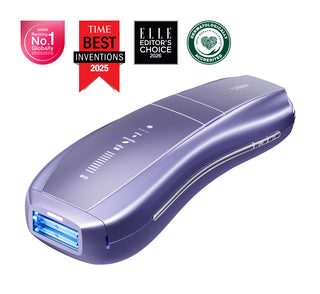
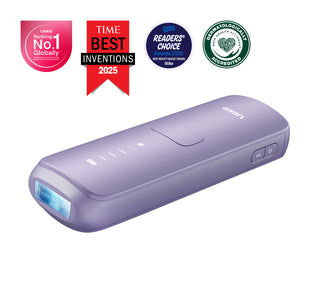
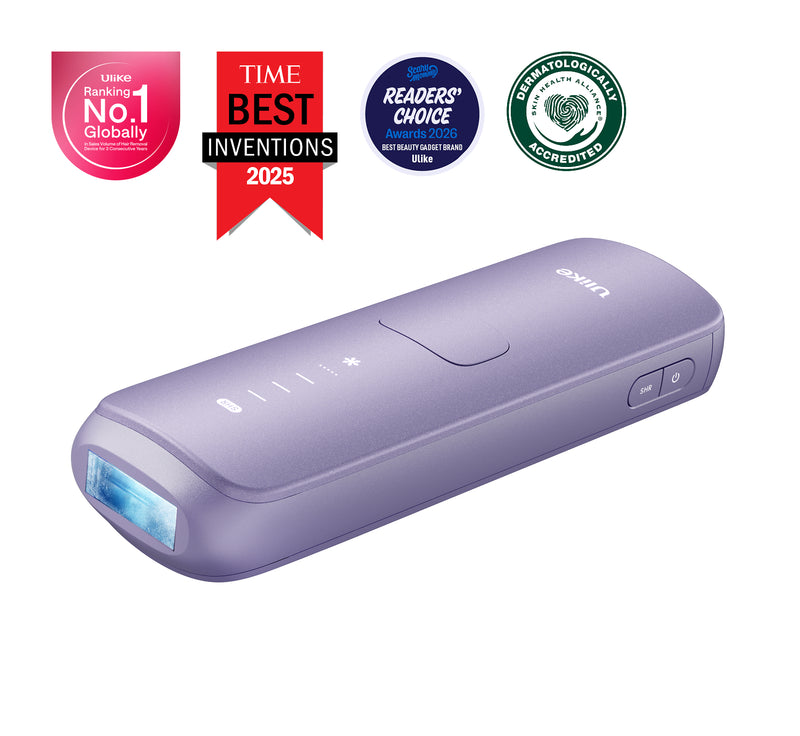
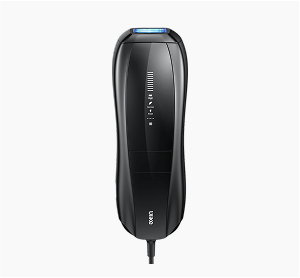
One of the best IPL devices you can trust to remove body hair is the One of the best IPL devices you can trust to remove body hair is the Ulike Sapphire Air 3 IPLHair Removal Handset. It features cutting-edge technology that minimizes discomfort and produces results within the shortest time possible. You don’t even need to be a tech-savvy individual to use it, as its instructions are clear, and you only need to switch it on, select the appropriate mode and intensity, and flash the light.

After three weeks, you can expect a world of difference as your hair would have reduced noticeably. However, if by the third month, you haven’t noticed any difference, Ulike will refund you a hundred percent. Please ensure that your hair and skin tones permit you to use an IPL before you purchase. As a ground rule, dark-skinned folks benefit less from IPL devices, but it’s good to let the manufacturer’s chart guide you.

FAQ

Does Electrolysis Long-lastingly Remove Hair?

Yes, no matter your skin tone, electrolysis will long-lastingly remove hair from your body without damaging your skin. This is why the FDA has cleared it as the only long-lasting method of removing hair.

This approval by the FDA underscores the trustworthiness and safety of electrolysis as a hair removal option.

The FDA's endorsement indicates that electrolysis is a reliable method that many people can consider for effective hair removal.

This FDA endorsement emphasizes that electrolysis is a safe and reliable method for long-lasting hair removal across various skin tones.

Can Hair Grow Back After Electrolysis?

When the hair follicle is damaged, hair should not grow back. But when you go for only one session, it will grow back, looking finer. And if you keep going back for more sessions, you will achieve a long-lasting result.

How Often Should Electrolysis Be Done?

Your electrologist will examine you and tell you how often you should be available for a session. Ideally, it should be every 2 to 4 weeks to achieve a long-lasting result.

Regular sessions are essential, as they allow for optimal results over time, ensuring that hair removal is effective and enduring.

By attending regular sessions, clients can experience a gradual reduction in hair density, leading to \1 long-term results.

Consistency in attending appointments is crucial for maintaining results, as hair grows in different cycles and regular treatments help address all hair effectively.

Understanding hair growth cycles helps electrologists tailor treatments, ensuring that each session addresses hair in its active growth phase for \1.

What Happens If You Stop Electrolysis?

Once you begin an electrolysis process, it’s best to see it through. Understandably, you might miss one or two sessions, but it’s always possible to make things up by discussing with your electrologist. Stopping the entire process may mean you’ve wasted a lot of time and resources, as the hairs may resume their growth. That’s because some of the follicles might not have been fully destroyed before you stop the process.

Conclusion

For now, there is no substitute for electrolysis if you aim to long-lastingly get rid of the annoying strands on your body. But as you have seen in this article, it takes time. You can spend a whole year or even more to complete the required sessions, depending on the factors we’ve highlighted earlier. But if urge and urgency are irresistible, the process is worth it. At least you are sure that you will never have to worry about objectionable hair again when the process is over.

Intense Pulsed Light (IPL) devices like the Ulike Sapphire Air3 device are a worthy alternative to electrolysis. They are far more affordable, ensure privacy, and produce a nearly long-lasting result if used as instructed.

These devices utilize advanced technology to target hair follicles effectively, making them a popular choice for those seeking \1 and \1 hair removal solutions.

These devices can cater to various skin types and hair colors, which may enhance their \1 for a broader audience seeking hair removal options.

These devices are designed to provide a \1 experience, often allowing individuals to perform hair removal treatments in the comfort of their own homes.

This not only adds convenience but also allows users to maintain a \1, which is vital for achieving the best results.


ULIKEBEAUTY
Welcome to Ulike! We hope our expertise can bring value to you.
Previous
How Do You Get Rid of a Unibrow?
Next
10 Most Effective Hair Removal Methods for Hair-Free Skin
Share:
5 Dermatologist Recommended At-Home Laser Hair Removal Devices 2025

5 Dermatologist Recommended At-Home Laser Hair Removal Devices 2025

With the advent of technology, you can now be free from waxing, shaving, or tweezing. The latest ...
Nov 24, 2025
Hair on Female Breast: Causes, How to Remove, And More

Hair on Female Breast: Causes, How to Remove, And More

While many of us were growing up, we were told that women are not supposed to have body hair. Onl...
Nov 24, 2025
PCOS: What is it, Symptoms, and Management

PCOS: What is it, Symptoms, and Management

Polycystic ovary syndrome is often associated with abnormal levels of androgens in the body...
Nov 26, 2025

Need guidance?

Get a free one-on-one consultation

TALK TO AN EXPERT

Explore Beauty

Ulike Air 10

2 weeks to silky smooth skin.

96% Hair Density Reduction in 2 Weeks

Ulike Air 3

3 weeks to silky smooth skin.

93% Hair Density Reduction in 4 Weeks

Leave a comment

All comments are moderated before being published.

This site is protected by hCaptcha and the hCaptcha Privacy Policy and Terms of Service apply.

Back to top