How Do You Get Rid of a Unibrow?
Hair Removal

How Do You Get Rid of a Unibrow?

Do you have hair in the middle of your two eyebrows that connect both and make them look like a single one? If yes, that is a unibrow and most people have it. It is just that the forehead hair is subtle in many people allowing both of their eyebrows to be distinguished separately. However, in some people, this hair is thick and coarse resulting in a long single eyebrow. Although you can embrace as well as rock a unibrow, you might want to get rid of it altogether, right? Unibrow can become a point of attention (negatively) and diminish your self-confidence. Therefore, let us find out how do you get rid of a unibrow here. Addressing a unibrow can be a personal choice, as many individuals may feel that it impacts their appearance and overall confidence. For some, a unibrow might be perceived as a \1, affecting how they feel about themselves in social situations. For many individuals, a unibrow can be a source of self-consciousness, prompting the desire to explore options for removal. The presence of a unibrow can lead to feelings of insecurity, which is why many seek ways to remove or alter it for improved self-image. Table of Contents: Part 1: What Causes Unibrow Part 2: How to Get Rid of Unibrow Part 3: Embracing Natural Beauty and Self-Acceptance Part 1: What Causes Unibrow? An unibrow is defined as a single continuous eyebrow that moves from the temporal region of one side to the other side. It is a natural growth of thick hair across the bridge of the nose that connects two eyebrows. Now, you would be wondering if it is natural, why do not all people have it. So, the most common causes of having a unibrow is given as. By knowing the \1 of a unibrow, individuals can better understand their own hair growth patterns and how to manage them. Understanding the underlying causes of a unibrow can provide insight into why it occurs and help individuals make informed decisions about their grooming choices. Genetics: The most common cause of having a unibrow is genes. Various studies carried out on people with a unibrow concluded that the expression of several genetic markers on gene PAX3 is associated with the development of a unibrow. About 8,500 DNA markers with 50 variants can cause a unibrow and most of them are present on chromosome no. 2 near PAX3. Therefore, if your parents had a unibrow, it is likely that you will have one too. Also, as the transmission of genes is also related to authenticity, it is more common in some countries like Tajikistan. Understanding the role of genetics can help individuals recognize their unique traits, including the prevalence of a unibrow in certain populations. Recognizing genetic factors can provide a better understanding of why unibrows may be more prevalent in certain demographics and help individuals embrace their unique features. Hormones: While genes are the major culprit in causing a unibrow, some hormonal disturbances associated with hirsutism including testosterone, exogenous steroids, and some steroid drugs can cause a unibrow as well. In addition to genetics, hormonal imbalances can play a significant role in hair growth, potentially leading to a unibrow. In such cases, people have increased hair growth all over their face and body, not just the eyebrows. Excessive hair growth can be distressing for many, and it's often a result of underlying hormonal issues. These hormonal effects may lead to a more pronounced appearance of hair, which can be particularly concerning for those experiencing hirsutism. Idiopathic: Sometimes, it is neither genetics nor hormones. You can have a unibrow caused by no well-defined factor as well. In these cases, the hair is not too thick. Also, some hair removal methods done inappropriately can make the unibrow more obvious. Sign of a Rare Disease: Unibrow in scientific terms is called Synopsys. It can rarely be a sign of Cornelia de Lange syndrome, a congenital disorder associated with growth, neurological, and physical deficiencies. Moreover, this syndrome is also caused because of mutation in genes. It's important to note that while a unibrow is often benign, it can sometimes indicate a serious health condition that requires medical attention. Recognizing the signs of serious health conditions can be crucial for early intervention and treatment. Understanding the potential connection between a unibrow and rare diseases may help individuals seek appropriate care if needed. Awareness of rare diseases linked to a unibrow can motivate individuals to consult healthcare professionals when necessary. Part 2: How to Get Rid of Unibrow? All those methods you have been using to get rid of the unwanted hair on your body and face can be used to get rid of a unibrow as well. So, we will further divide these methods into three categories so that you can choose the most compatible one. Temporary Methods for Removing a Unibrow Here are some methods to treat a unibrow temporarily. These methods provide quick solutions, but it’s essential to choose the right one based on your personal comfort and desired results. Trimming Unibrow: The first and the easiest one is trimming. Here you only trim the unwanted hair located on the glabella. It is similar to trimming the eyebrows to shape them. You only need small scissors to trim the unibrow. For this, mark the area you want to trim in a way that eyebrows on both sides appear symmetrical. Then take scissors and a comb. Comb the unibrow in the direction of hair growth and cut it with the scissors. This method works great for people with rough and pesky hair. However, you have to maintain it often and it does not give a clean look either. To achieve a clean look, you can use a shaving razor to trim the unibrow. Using a razor may offer a more polished appearance, but it’s crucial to practice caution to avoid cuts or irritation. Threading Unibrow: Now comes threading. Threading can be a little difficult to do by yourself, especially when it comes to removing a unibrow. Therefore, When you are getting your eyebrows done, you can ask the aesthetician to thread the unibrow as well. Threading can be painful. But the good thing is that it can be done quickly, lasts for up to a month, and gives you a clean and well-maintained look. If you're sensitive to pain, consider preparing your skin beforehand to minimize discomfort during threading. Before threading, it may be beneficial to exfoliate your skin, as this can help remove dead skin cells and prepare the area. To enhance your experience, you may wish to apply a soothing gel or ice pack afterwards to reduce any potential redness or swelling from threading. Additionally, after threading, using a gentle moisturizer can help soothe the skin and enhance the healing process. Tweezing Unibrow: Tweezing or plucking is the most precise method of dealing with a unibrow. Whether your unibrow is thick, or thin, has coarse or fine hair, or grows out completely or in patches, a tweezer can help you. Also, check the 10 best tweezers. Take a pair of sharp tweezers and a mirror. Again mark the area you want to remove the hair from and with the help of the tweezer, pluck out each hair carefully. Use the tweezers in the direction of hair growth and be careful that you do not poke the skin. The results of a tweezer lasts for 3 to 6 weeks. However, removing each hair individually can be time and it irritates the skin as well. While tweezing can be effective, be aware that it may require patience and careful technique to avoid skin irritation. To make the tweezing process easier, consider tweezing after a warm shower when your pores are more open, which can help reduce irritation. Waxing Unibrow: Waxing is both a quick and long-term solution to a unibrow. You can use hard wax, warm wax, and even wax strips to groom your eyebrows. Waxing can provide a more long-lasting solution compared to tweezing, making it a favored method for many. Waxing is a popular choice among many for its effectiveness and speed. For waxing the unibrow, apply the wax in the direction of hair growth, pull your skin tight with the help of one hand, and remove the wax strip in one go with the other hand. To ensure the best results, remember to follow the hair growth direction when applying wax, as this can minimize discomfort. When waxing your unibrow, precision is key to achieve a clean look and avoid irritation. For optimal results, it's important to follow the proper technique when waxing. Additionally, practicing good hygiene before and after waxing can help prevent irritation and infection. Waxing gets most of the hair in one go other than hair that is too short. For such hair, you can use a tweezer. Although wax 1 offers long-lasting results and makes hair grow back finer, it is not a safe solution for sensitive and delicate skin. Semi-Long-lasting Methods for Removing a Unibrow While temporary methods of unibrow hair removal are cheap and feasible, they are not the best choice as the hair grows back and you have to remove it all over again. So, below are some methods to look your best with well-shaped distinct eyebrows for up to a year or more. IPL Hair Removal: IPL hair removal is for people wanting an affordable long-lasting solution to a unibrow. It is also a feasible option as you can do it yourself at home with no guidance needed as long as you stay cautious about wearing the eye-protective glasses and follow the instructions. IPL devices come with a particular intensity level and treatment mode to treat delicate skin. Also, you only need one flash of the IPL in the middle of the unibrow. Overdoing IPL hair removal can cause more harm than good. Laser Hair Removal: Laser devices work by killing the hair follicle through heated radiation just like IPL devices. It is one of the most sought-after procedures to get semi-long-lasting results. Using laser hair removal can provide a more permanent solution, but it's advisable to consult with a professional to ensure it's suitable for your skin type. Consulting with a professional can help determine whether laser hair removal is the right choice for your specific needs and skin. Many individuals turn to laser hair removal for its efficiency and long-lasting results. Laser hair removal is a more intense version of IPL that requires the expertise of a licensed laser surgeon. It is more precise and long-lasting as compared to IPL. However, laser is expensive, and full treatment of unibrow can cost you $500 or more. Long-lasting Methods for Removing a Unibrow Let us see how to remove the unibrow long-lastingly here. Understanding the various long-lasting methods available can help you choose the best approach for your unibrow removal. Electrolysis: If you are curious about how to get rid of unibrow long-lastingly, electrolysis is for you. Electrolysis is a highly accurate method of hair removal that is also long-lasting and safe as cleared by the FDA. Electrolysis is a meticulous process that targets each hair follicle individually and may require multiple sessions for best results. The precision of electrolysis makes it a reliable option for those seeking a long-term solution to unwanted hair. Electrolysis is considered a reliable option for those seeking a long-term solution. Electrolysis works by targeting individual hair follicles, making it a suitable method for those seeking a more permanent solution to unwanted hair. This hair removal solution is based on using a micro needle to puncture the skin and reach the hair follicle where a current is applied to annihilate the hair follicle. It is a great method for small areas like a unibrow. Part 3: Embracing Natural Beauty and Self-Acceptance In ancient Greece, unibrow was considered a sign of purity, wisdom, and wealth. Women had it naturally or drew it with a pencil artificially to look beautiful. In Tajikistan, a unibrow is both common and desirable. Furthermore, unibrow is considered to be a sign of luck and fertility in some cultures. Although all of these are myths, it shows that unibrow is not regarded as something bad. Moreover, in a world where people are free to make their own choices and each choice is accepted, having a unibrow is no big deal. It is time to choose as you can look beautiful with or without a unibrow. Therefore, accept it, embrace your unique feature, and flaunt it. Choosing to embrace your natural features can lead to a more positive self-image and promote a sense of individuality. By valuing your natural features, you may find that you feel more empowered and confident in your own skin. Embracing your features can boost self-confidence and enhance your natural beauty. Conclusion A unibrow is a long single eyebrow that is caused because of the presence of the PAX3 gene on chromosome no. 2. Considered as a sign of prosperity in some countries, it is not well-accepted in others. This genetic trait, while seen differently across cultures, can be viewed as a unique aspect of individual identity. Understanding the cultural significance of a unibrow can help in accepting personal choices. Recognizing the diverse perceptions of beauty can encourage a broader understanding of self-acceptance and personal identity. Understanding beauty is essential for fostering self-acceptance and appreciating our unique identities. Therefore, it is your personal decision to follow a hair removal approach towards it or embrace it confidently. Whichever option you choose, we have discussed the top methods to get rid of a unibrow in this article. It's important to consider the impact of societal norms on your decision, as both choices can reflect your personal style. Ultimately, the choice between \1 or \1 a unibrow is a matter of personal preference and self-expression. Ulike Welcome to Ulike! We hope our expertise can bring value to you.
Nov 26, 2025
Share:

Up to 40% Off
& Free Gifts

Learn More
Table of Contents

Do you have hair in the middle of your two eyebrows that connect both and make them look like a single one? If yes, that is a unibrow and most people have it. It is just that the forehead hair is subtle in many people allowing both of their eyebrows to be distinguished separately.

However, in some people, this hair is thick and coarse resulting in a long single eyebrow. Although you can embrace as well as rock a unibrow, you might want to get rid of it altogether, right?

Unibrow can become a point of attention (negatively) and diminish your self-confidence. Therefore, let us find out how do you get rid of a unibrow here.

Addressing a unibrow can be a personal choice, as many individuals may feel that it impacts their appearance and overall confidence.

For some, a unibrow might be perceived as a \1, affecting how they feel about themselves in social situations.

For many individuals, a unibrow can be a source of self-consciousness, prompting the desire to explore options for removal.

The presence of a unibrow can lead to feelings of insecurity, which is why many seek ways to remove or alter it for improved self-image.

Table of Contents:

Part 1: What Causes Unibrow?

An unibrow is defined as a single continuous eyebrow that moves from the temporal region of one side to the other side. It is a natural growth of thick hair across the bridge of the nose that connects two eyebrows.

Now, you would be wondering if it is natural, why do not all people have it. So, the most common causes of having a unibrow is given as.

By knowing the \1 of a unibrow, individuals can better understand their own hair growth patterns and how to manage them.

Understanding the underlying causes of a unibrow can provide insight into why it occurs and help individuals make informed decisions about their grooming choices.

Genetics:

The most common cause of having a unibrow is genes. Various studies carried out on people with a unibrow concluded that the expression of several genetic markers on gene PAX3 is associated with the development of a unibrow.

About 8,500 DNA markers with 50 variants can cause a unibrow and most of them are present on chromosome no. 2 near PAX3. Therefore, if your parents had a unibrow, it is likely that you will have one too.

Also, as the transmission of genes is also related to authenticity, it is more common in some countries like Tajikistan.

Understanding the role of genetics can help individuals recognize their unique traits, including the prevalence of a unibrow in certain populations.

Recognizing genetic factors can provide a better understanding of why unibrows may be more prevalent in certain demographics and help individuals embrace their unique features.

Hormones:

While genes are the major culprit in causing a unibrow, some hormonal disturbances associated with hirsutism including testosterone, exogenous steroids, and some steroid drugs can cause a unibrow as well.

In addition to genetics, hormonal imbalances can play a significant role in hair growth, potentially leading to a unibrow.

In such cases, people have increased hair growth all over their face and body, not just the eyebrows.

Excessive hair growth can be distressing for many, and it's often a result of underlying hormonal issues.

These hormonal effects may lead to a more pronounced appearance of hair, which can be particularly concerning for those experiencing hirsutism.

Idiopathic:

Sometimes, it is neither genetics nor hormones. You can have a unibrow caused by no well-defined factor as well. In these cases, the hair is not too thick. Also, some hair removal methods done inappropriately can make the unibrow more obvious.

Sign of a Rare Disease:

Unibrow in scientific terms is called Synopsys. It can rarely be a sign of Cornelia de Lange syndrome, a congenital disorder associated with growth, neurological, and physical deficiencies. Moreover, this syndrome is also caused because of mutation in genes.

It's important to note that while a unibrow is often benign, it can sometimes indicate a serious health condition that requires medical attention.

Recognizing the signs of serious health conditions can be crucial for early intervention and treatment.

Understanding the potential connection between a unibrow and rare diseases may help individuals seek appropriate care if needed.

Awareness of rare diseases linked to a unibrow can motivate individuals to consult healthcare professionals when necessary.

Part 2: How to Get Rid of Unibrow?

All those methods you have been using to get rid of the unwanted hair on your body and face can be used to get rid of a unibrow as well. So, we will further divide these methods into three categories so that you can choose the most compatible one.

Temporary Methods for Removing a Unibrow

Temporary Methods for Removing a Unibrow

Here are some methods to treat a unibrow temporarily.

These methods provide quick solutions, but it’s essential to choose the right one based on your personal comfort and desired results.

Trimming Unibrow:

The first and the easiest one is trimming. Here you only trim the unwanted hair located on the glabella. It is similar to trimming the eyebrows to shape them. You only need small scissors to trim the unibrow.

For this, mark the area you want to trim in a way that eyebrows on both sides appear symmetrical. Then take scissors and a comb. Comb the unibrow in the direction of hair growth and cut it with the scissors. This method works great for people with rough and pesky hair.

However, you have to maintain it often and it does not give a clean look either. To achieve a clean look, you can use a shaving razor to trim the unibrow.

Using a razor may offer a more polished appearance, but it’s crucial to practice caution to avoid cuts or irritation.

Threading Unibrow:

Now comes threading. Threading can be a little difficult to do by yourself, especially when it comes to removing a unibrow. Therefore, When you are getting your eyebrows done, you can ask the aesthetician to thread the unibrow as well.

Threading can be painful. But the good thing is that it can be done quickly, lasts for up to a month, and gives you a clean and well-maintained look.

If you're sensitive to pain, consider preparing your skin beforehand to minimize discomfort during threading.

Before threading, it may be beneficial to exfoliate your skin, as this can help remove dead skin cells and prepare the area.

To enhance your experience, you may wish to apply a soothing gel or ice pack afterwards to reduce any potential redness or swelling from threading.

Additionally, after threading, using a gentle moisturizer can help soothe the skin and enhance the healing process.

Tweezing Unibrow:

Tweezing or plucking is the most precise method of dealing with a unibrow. Whether your unibrow is thick, or thin, has coarse or fine hair, or grows out completely or in patches, a tweezer can help you. Also, check the 10 best tweezers.

Take a pair of sharp tweezers and a mirror. Again mark the area you want to remove the hair from and with the help of the tweezer, pluck out each hair carefully. Use the tweezers in the direction of hair growth and be careful that you do not poke the skin.

The results of a tweezer lasts for 3 to 6 weeks. However, removing each hair individually can be time and it irritates the skin as well.

While tweezing can be effective, be aware that it may require patience and careful technique to avoid skin irritation.

To make the tweezing process easier, consider tweezing after a warm shower when your pores are more open, which can help reduce irritation.

Waxing Unibrow:

Waxing is both a quick and long-term solution to a unibrow. You can use hard wax, warm wax, and even wax strips to groom your eyebrows.

Waxing can provide a more long-lasting solution compared to tweezing, making it a favored method for many.

Waxing is a popular choice among many for its effectiveness and speed.

For waxing the unibrow, apply the wax in the direction of hair growth, pull your skin tight with the help of one hand, and remove the wax strip in one go with the other hand.

To ensure the best results, remember to follow the hair growth direction when applying wax, as this can minimize discomfort.

When waxing your unibrow, precision is key to achieve a clean look and avoid irritation.

For optimal results, it's important to follow the proper technique when waxing.

Additionally, practicing good hygiene before and after waxing can help prevent irritation and infection.

Waxing gets most of the hair in one go other than hair that is too short. For such hair, you can use a tweezer. Although wax 1 offers long-lasting results and makes hair grow back finer, it is not a safe solution for sensitive and delicate skin.

Semi-Long-lasting Methods for Removing a Unibrow

Semi-Long-lasting Methods for Removing a Unibrow

While temporary methods of unibrow hair removal are cheap and feasible, they are not the best choice as the hair grows back and you have to remove it all over again. So, below are some methods to look your best with well-shaped distinct eyebrows for up to a year or more.

IPL Hair Removal:

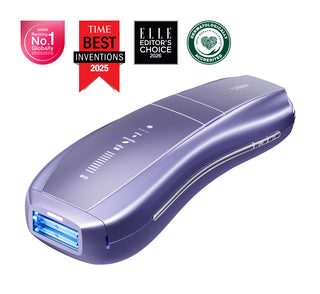
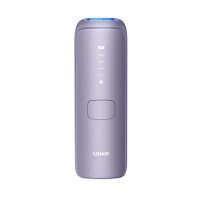
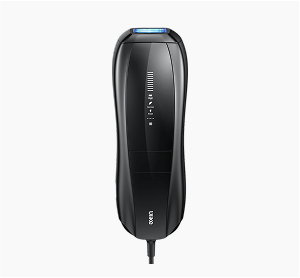
IPL hair removal is for people wanting an affordable long-lasting solution to a unibrow. It is also a feasible option as you can do it yourself at home with no guidance needed as long as you stay cautious about wearing the eye-protective glasses and follow the instructions.

IPL devices come with a particular intensity level and treatment mode to treat delicate skin. Also, you only need one flash of the IPL in the middle of the unibrow. Overdoing IPL hair removal can cause more harm than good.

Laser Hair Removal:

Laser devices work by killing the hair follicle through heated radiation just like IPL devices. It is one of the most sought-after procedures to get semi-long-lasting results.

Using laser hair removal can provide a more permanent solution, but it's advisable to consult with a professional to ensure it's suitable for your skin type.

Consulting with a professional can help determine whether laser hair removal is the right choice for your specific needs and skin.

Many individuals turn to laser hair removal for its efficiency and long-lasting results.

Laser hair removal is a more intense version of IPL that requires the expertise of a licensed laser surgeon. It is more precise and long-lasting as compared to IPL. However, laser is expensive, and full treatment of unibrow can cost you $500 or more.

Long-lasting Methods for Removing a Unibrow

Long-lasting Methods for Removing a Unibrow

Let us see how to remove the unibrow long-lastingly here.

Understanding the various long-lasting methods available can help you choose the best approach for your unibrow removal.

Electrolysis:

If you are curious about how to get rid of unibrow long-lastingly, electrolysis is for you. Electrolysis is a highly accurate method of hair removal that is also long-lasting and safe as cleared by the FDA.

Electrolysis is a meticulous process that targets each hair follicle individually and may require multiple sessions for best results.

The precision of electrolysis makes it a reliable option for those seeking a long-term solution to unwanted hair.

Electrolysis is considered a reliable option for those seeking a long-term solution.

Electrolysis works by targeting individual hair follicles, making it a suitable method for those seeking a more permanent solution to unwanted hair.

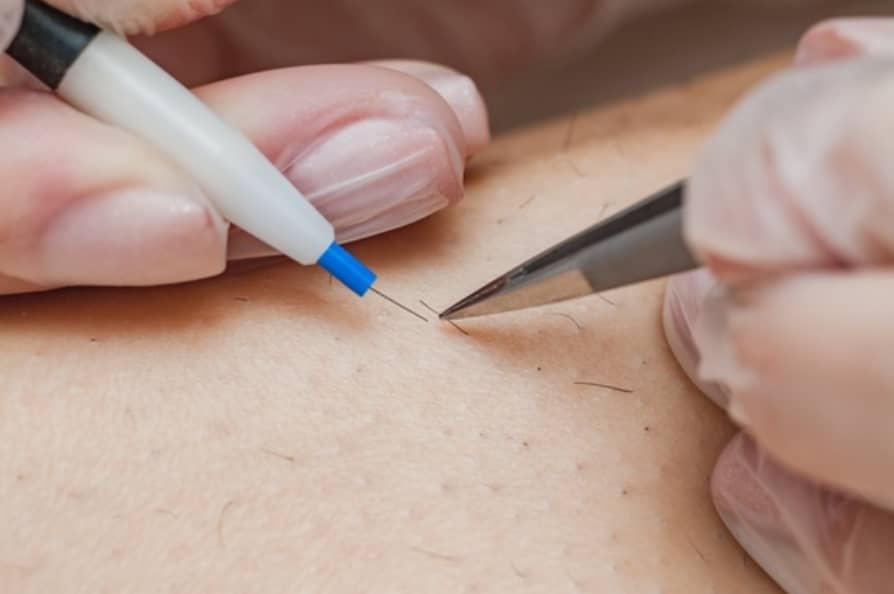
This hair removal solution is based on using a micro needle to puncture the skin and reach the hair follicle where a current is applied to annihilate the hair follicle. It is a great method for small areas like a unibrow.

Part 3: Embracing Natural Beauty and Self-Acceptance

Embracing Natural Beauty and Self-Acceptance

In ancient Greece, unibrow was considered a sign of purity, wisdom, and wealth. Women had it naturally or drew it with a pencil artificially to look beautiful. In Tajikistan, a unibrow is both common and desirable. Furthermore, unibrow is considered to be a sign of luck and fertility in some cultures.

Although all of these are myths, it shows that unibrow is not regarded as something bad. Moreover, in a world where people are free to make their own choices and each choice is accepted, having a unibrow is no big deal.

It is time to choose as you can look beautiful with or without a unibrow. Therefore, accept it, embrace your unique feature, and flaunt it.

Choosing to embrace your natural features can lead to a more positive self-image and promote a sense of individuality.

By valuing your natural features, you may find that you feel more empowered and confident in your own skin.

Embracing your features can boost self-confidence and enhance your natural beauty.

Conclusion

A unibrow is a long single eyebrow that is caused because of the presence of the PAX3 gene on chromosome no. 2. Considered as a sign of prosperity in some countries, it is not well-accepted in others.

This genetic trait, while seen differently across cultures, can be viewed as a unique aspect of individual identity.

Understanding the cultural significance of a unibrow can help in accepting personal choices.

Recognizing the diverse perceptions of beauty can encourage a broader understanding of self-acceptance and personal identity.

Understanding beauty is essential for fostering self-acceptance and appreciating our unique identities.

Therefore, it is your personal decision to follow a hair removal approach towards it or embrace it confidently. Whichever option you choose, we have discussed the top methods to get rid of a unibrow in this article.

It's important to consider the impact of societal norms on your decision, as both choices can reflect your personal style.

Ultimately, the choice between \1 or \1 a unibrow is a matter of personal preference and self-expression.

Bimi logo 100x
Ulike
Welcome to Ulike! We hope our expertise can bring value to you.
Previous
Ulike Air 3 vs. Nood Flasher 2.0: Which Should You Buy?
Next
How Long Does Electrolysis Last? How Many Sessions Are Needed?
Share:
5 Dermatologist Recommended At-Home Laser Hair Removal Devices 2025

5 Dermatologist Recommended At-Home Laser Hair Removal Devices 2025

With the advent of technology, you can now be free from waxing, shaving, or tweezing. The latest ...
Nov 24, 2025
Hair on Female Breast: Causes, How to Remove, And More

Hair on Female Breast: Causes, How to Remove, And More

While many of us were growing up, we were told that women are not supposed to have body hair. Onl...
Nov 24, 2025
PCOS: What is it, Symptoms, and Management

PCOS: What is it, Symptoms, and Management

Polycystic ovary syndrome is often associated with abnormal levels of androgens in the body...
Nov 26, 2025

Need guidance?

Get a free one-on-one consultation

TALK TO AN EXPERT

Explore Beauty

Ulike Air 10

2 weeks to silky smooth skin.

96% Hair Density Reduction in 2 Weeks

Ulike Air 3

3 weeks to silky smooth skin.

93% Hair Density Reduction in 4 Weeks

Leave a comment

All comments are moderated before being published.

This site is protected by hCaptcha and the hCaptcha Privacy Policy and Terms of Service apply.

Back to top