
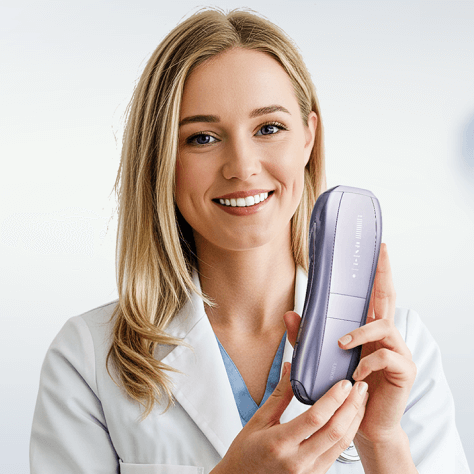
IPL Hair Removal Device for Spring: The Smooth-Skin Plan That Actually Fits Real Life
Hair Removal

IPL Hair Removal Device for Spring: The Smooth-Skin Plan That Actually Fits Real Life

Spring has a funny way of changing your schedule. One warm day and suddenly you're thinking about shorts, sundresses, swim weekends, and how often you really want to shave. An IPL hair removal device can make spring feel easier because it tackles hair at the root over time, instead of chasing stubble every other day. It's not magic, and it's not instant, but it can be a steady path to less hair and smoother skin before peak summer. The key is timing and consistency. Starting in spring gives you weeks to build results while you're still wearing more coverage, and usually getting less intense sun than mid-summer. It also helps to buy from a brand with real safety and support behind it. For example, Ulike has focused for years on optical skincare tech, reports a large global patent portfolio and long-running IPL research, and backs devices with a 100-day money-back policy plus a 2-year warranty (nice to have when you're committing to a routine). How IPL works, and why spring timing makes results easier IPL stands for intense pulsed light. In plain terms, the device flashes light into the skin. That light is attracted to melanin, the pigment that gives hair its color. The hair absorbs the light, the follicle warms up, and over repeated sessions the follicle becomes less able to grow strong hair. Think of it like turning down the volume, not hitting a mute button. IPL is best described as hair reduction. Over time, many people see less hair, slower regrowth, and softer texture. Spring makes this easier for two reasons: You have time to do consistent sessions before events pile up. You can manage sun exposure better than in full summer, which matters because freshly treated skin can be more sensitive. If you want a deeper explainer of the basics, this guide lays it out clearly: IPL Hair Removal: The Ultimate Guide A simple, generic timeline (always follow your device manual) looks like this: do sessions weekly for several weeks, then move into maintenance every few weeks or about monthly. Missing sessions won't "ruin" anything, but it can slow the momentum because IPL works best when you catch hair in its active growth phases. Who gets the best results (and who should skip it) IPL usually works best when there's strong contrast, meaning darker hair on lighter to medium skin. It often struggles on very light blond, red, gray, or white hair because there's not much pigment for the light to target. Some devices include skin-tone sensing or auto-adjust features. These can add a layer of guidance, but they don't replace reading the manual and doing a patch test. Safety matters more than hype. Check guidance (and ask a clinician if you're unsure) if you are pregnant, breastfeeding, have a skin condition that flares with light, or take meds that increase sun sensitivity. Also avoid treating over tattoos, open wounds, or irritated skin. If your skin is sunburned, freshly tanned, or reacting, pause. IPL works best when your skin barrier is calm. A realistic spring to summer results timeline you can stick to Busy schedule? Keep it simple and repeatable. Start in early spring with a "set day" routine, like Sunday night. Do one session for legs, underarms, and bikini line (as your device allows). Mark it in your calendar like laundry, not like a major life event. Many users report noticing less hair surprisingly early, sometimes after a couple of uses, but the bigger changes usually show up after several consistent weeks. That's normal, because follicles don't all grow on the same schedule. If you miss a week, don't double up aggressively. Just pick up where you left off. Consistency beats intensity, especially for sensitive zones. Choosing an IPL hair removal device for spring, what matters most In February 2026, most "best at-home IPL" roundups tend to agree on what people want: faster full-body sessions, more comfort, and smarter guidance. Reviewers also mention app-style tracking and skin-sensing features more often now, because sticking with a schedule is half the battle. You don't need every feature. You do need the ones that match your life in spring, when you're treating more often. Here's a quick way to compare what matters. Feature Why it helps in spring What to look for Flash speed or glide mode Faster sessions, easier to stay consistent Continuous flashing, smooth glide, short session times Cooling or comfort design Weekly use feels more tolerable Built-in cooling surface, comfortable contact on skin Skin tone sensing Extra reassurance when you're new Auto-adjust guidance, clear compatibility chart Treatment window size Legs go faster, less temptation to skip Wider window for large areas, precision for small areas Support policies Lower-risk to commit early Warranty, returns, responsive support Spring buyers also talk about portability. Corded devices can feel more "plug in and finish." Cordless can be handy for travel, but battery limits can be annoying mid-session. For a brand-to-brand comparison style article, this one is a solid reference point: best IPL hair removal devices for 2025 Comfort features that matter when you are treating more often Comfort sounds optional until you hit week three. If your device feels too hot or stingy, you'll start inventing reasons to skip. Cooling tech is one of the biggest differences shoppers mention in newer devices. Ulike, for example, uses a sapphire-based cooling approach designed to keep the contact surface cooler, so treatments feel less "flash of heat," especially on underarms and bikini line. That matters when you're doing sessions regularly to build results before summer. Even with comfort features, start low. Move up in intensity only when your skin stays calm. Hair thickness also changes the feel. Coarser hair, and areas like bikini and upper lip, can sting more than calves. Trust checks before you buy: certifications, warranties, and return windows Before you commit, do a quick trust scan. It takes five minutes and can save you headaches later. Look for: Product safety certifications and clear testing claims Straightforward usage guidance (not vague promises) Responsive support if something feels off Warranty and return window that give you time to see progress Ulike highlights a long list of safety credentials (dozens across different markets), plus 24/7 customer support, a 2-year warranty, and a 100-day money-back policy. Those policies matter because IPL results are gradual, and you deserve enough time to see if your skin likes it. This checklist-style read is also helpful when you're comparing devices: 10 essential IPL hair removal facts Spring IPL routine, step by step for smoother skin by summer Spring IPL works best when you treat it like skincare. You prep, you do the session, you soothe, then you track. One big spring issue is sun. Even if it's "not that hot," outdoor walks, weekend hikes, and patio lunches add up. Self-tanner also counts, because it can change how your skin absorbs light. A simple routine looks like this: Prep (shave, cleanse, dry). Treat (slow, steady, overlap lightly). Aftercare (calm and moisturize). Track (dates, areas, intensity). Also, avoid plucking or waxing while you're doing IPL. Those methods pull the hair out by the root, and IPL needs the follicle's pigment as a target. Shaving is fine, because it leaves the root in place. For a quick visual breakdown of the process, this page explains it clearly: how Ulike IPL hair removal works Prep the right way: shave, clean skin, and avoid sun and self tanner Shaving is the unglamorous hero here. Most people do best shaving 12 to 24 hours before (or per your manual). That timing can reduce surface irritation but still leaves the follicle intact for the light to target. Keep the skin clean and dry. Skip lotion, body oil, perfume, and deodorant on the exact area right before treatment, because residue can increase irritation. If you're new, do a patch test on a small spot and wait a day. Then scale up. For sun planning, a simple rule works: schedule sessions on weeks when you're mostly indoors, and use SPF on exposed areas. If you're heading outside all day, push the session earlier in the week so your skin has time to settle. Aftercare that prevents bumps, dryness, and dark spots Right after IPL, your skin may look slightly pink or feel warm. Mild redness can be normal. Treat it like you would after a windy beach day. Use a gentle, fragrance-free moisturizer. If you feel heat, cool the area with a clean, cool compress for a few minutes. For the next day or two (especially if you're sensitive), avoid: Hot baths and saunas Scrubs and harsh exfoliation Strong acids or retinoids on the treated area Call it a "quiet skin" window. Watch for signals that aren't normal, like blistering, strong swelling, or pain that keeps building. If that happens, stop and follow medical guidance. Spring can also be deceptively dry, especially after winter. Hydrated skin tends to look smoother and feel more comfortable during weekly sessions. Common spring questions, answered fast This is the part you'll want to save and come back to. Can I use IPL if I have a spring vacation coming up Yes, but plan ahead. Try to do your sessions earlier in the weeks leading up to the trip, then avoid treating right before days of intense sun. Stick to basics: don't treat sunburned skin, don't treat freshly tanned skin (including self-tan), and use SPF consistently. If your vacation is beach-heavy, consider pausing and resuming when you're home and your skin tone is back to normal. Is IPL safe for sensitive areas like underarms and bikini line Often yes, if your device is approved for those areas and you follow the manual. Go slower at first, keep the skin taut, and start with lower intensity. For bikini, stay on the outer bikini line. Avoid inner labia and any zones your manual says not to treat. Underarms usually respond well, but deodorant residue can irritate, so clean thoroughly before your session. Cooling features can make these areas feel easier, but technique still matters most. Other quick answers: How often should I do it? Usually weekly early on, then maintenance. Follow your device schedule. What if I miss a week? Continue as normal next week, don't panic. Can I use it on my face? Many devices allow facial use below the cheekbone. Avoid the eye area and follow attachments and settings. Does it help with PCOS hair? It can reduce growth for some people, but hormones can mean more maintenance. How long do results last? Many people maintain with occasional touch-ups once they finish the initial schedule. Conclusion: Start in spring, and let consistency do the heavy lifting If you want smoother skin by summer, spring is your best runway. Pick an IPL hair removal device with comfort and safety features you'll actually use, then commit to a steady schedule and protect your skin from sun. Track your sessions, keep your routine simple, and don't expect perfection after one use. Most results come from showing up week after week. For extra peace of mind, it helps to choose a brand with real research behind it. Ulike, for example, points to a large R&D team, years of IPL work, and a deep patent bench, plus strong customer policies. In the end, the best device is the one you'll use consistently, because consistency is what turns spring effort into summer ease.
Feb 21, 2026
Share:

Up to 40% Off
& Free Gifts

Learn More
Table of Contents

Spring has a funny way of changing your schedule. One warm day and suddenly you're thinking about shorts, sundresses, swim weekends, and how often you really want to shave.

An IPL hair removal device can make spring feel easier because it tackles hair at the root over time, instead of chasing stubble every other day. It's not magic, and it's not instant, but it can be a steady path to less hair and smoother skin before peak summer.

The key is timing and consistency. Starting in spring gives you weeks to build results while you're still wearing more coverage, and usually getting less intense sun than mid-summer.

It also helps to buy from a brand with real safety and support behind it. For example, Ulike has focused for years on optical skincare tech, reports a large global patent portfolio and long-running IPL research, and backs devices with a 100-day money-back policy plus a 2-year warranty (nice to have when you're committing to a routine).

How IPL works, and why spring timing makes results easier

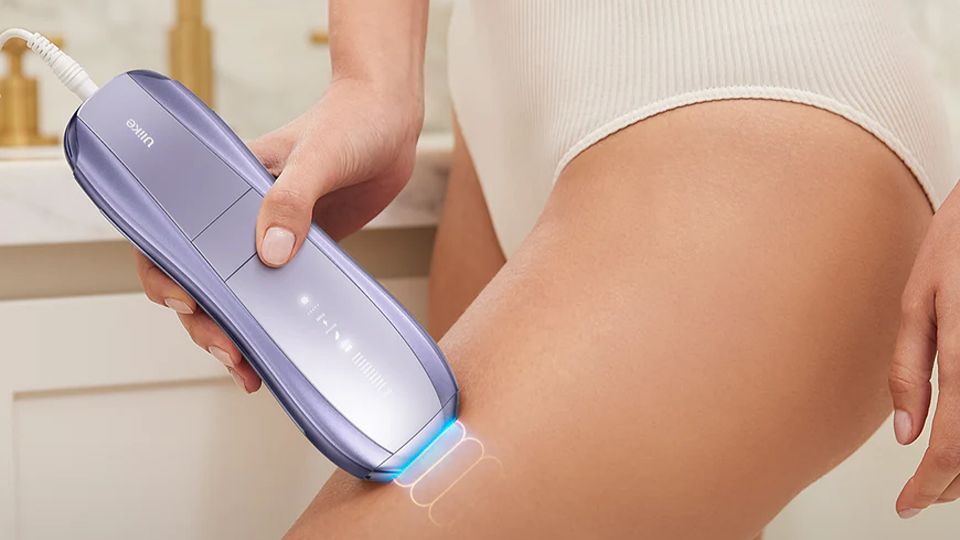
IPL stands for intense pulsed light. In plain terms, the device flashes light into the skin. That light is attracted to melanin, the pigment that gives hair its color. The hair absorbs the light, the follicle warms up, and over repeated sessions the follicle becomes less able to grow strong hair.

Think of it like turning down the volume, not hitting a mute button. IPL is best described as hair reduction. Over time, many people see less hair, slower regrowth, and softer texture.

Spring makes this easier for two reasons:

  • You have time to do consistent sessions before events pile up.
  • You can manage sun exposure better than in full summer, which matters because freshly treated skin can be more sensitive.

If you want a deeper explainer of the basics, this guide lays it out clearly: IPL Hair Removal: The Ultimate Guide

A simple, generic timeline (always follow your device manual) looks like this: do sessions weekly for several weeks, then move into maintenance every few weeks or about monthly. Missing sessions won't "ruin" anything, but it can slow the momentum because IPL works best when you catch hair in its active growth phases.

Who gets the best results (and who should skip it)

IPL usually works best when there's strong contrast, meaning darker hair on lighter to medium skin. It often struggles on very light blond, red, gray, or white hair because there's not much pigment for the light to target.

Some devices include skin-tone sensing or auto-adjust features. These can add a layer of guidance, but they don't replace reading the manual and doing a patch test.

Safety matters more than hype. Check guidance (and ask a clinician if you're unsure) if you are pregnant, breastfeeding, have a skin condition that flares with light, or take meds that increase sun sensitivity. Also avoid treating over tattoos, open wounds, or irritated skin.

If your skin is sunburned, freshly tanned, or reacting, pause. IPL works best when your skin barrier is calm.

A realistic spring to summer results timeline you can stick to

Busy schedule? Keep it simple and repeatable.

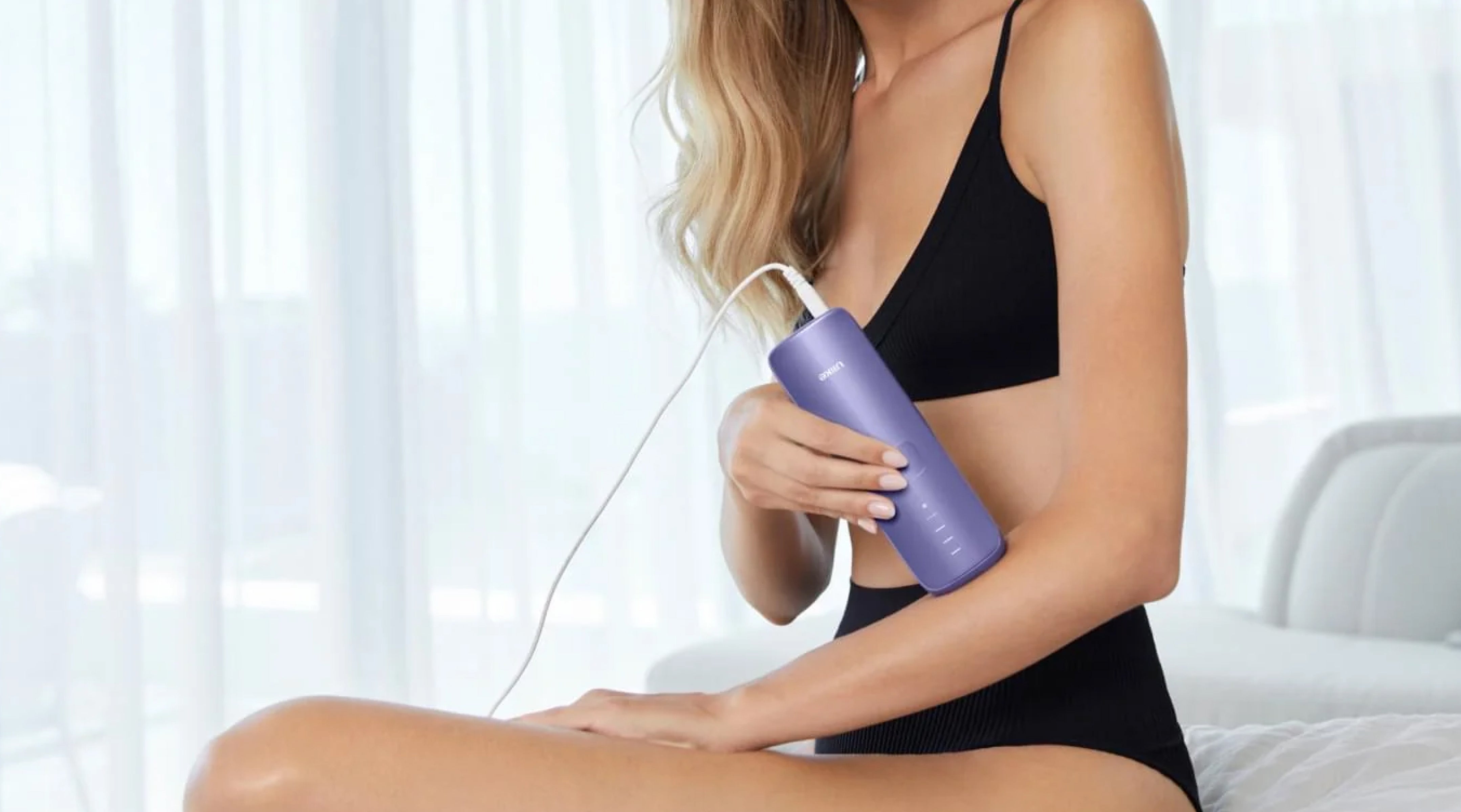
Start in early spring with a "set day" routine, like Sunday night. Do one session for legs, underarms, and bikini line (as your device allows). Mark it in your calendar like laundry, not like a major life event.

Many users report noticing less hair surprisingly early, sometimes after a couple of uses, but the bigger changes usually show up after several consistent weeks. That's normal, because follicles don't all grow on the same schedule.

If you miss a week, don't double up aggressively. Just pick up where you left off. Consistency beats intensity, especially for sensitive zones.

Choosing an IPL hair removal device for spring, what matters most

In February 2026, most "best at-home IPL" roundups tend to agree on what people want: faster full-body sessions, more comfort, and smarter guidance. Reviewers also mention app-style tracking and skin-sensing features more often now, because sticking with a schedule is half the battle.

You don't need every feature. You do need the ones that match your life in spring, when you're treating more often.

Here's a quick way to compare what matters.

Feature Why it helps in spring What to look for
Flash speed or glide mode Faster sessions, easier to stay consistent Continuous flashing, smooth glide, short session times
Cooling or comfort design Weekly use feels more tolerable Built-in cooling surface, comfortable contact on skin
Skin tone sensing Extra reassurance when you're new Auto-adjust guidance, clear compatibility chart
Treatment window size Legs go faster, less temptation to skip Wider window for large areas, precision for small areas
Support policies Lower-risk to commit early Warranty, returns, responsive support

Spring buyers also talk about portability. Corded devices can feel more "plug in and finish." Cordless can be handy for travel, but battery limits can be annoying mid-session.

For a brand-to-brand comparison style article, this one is a solid reference point: best IPL hair removal devices for 2025

Comfort features that matter when you are treating more often

Comfort sounds optional until you hit week three. If your device feels too hot or stingy, you'll start inventing reasons to skip.

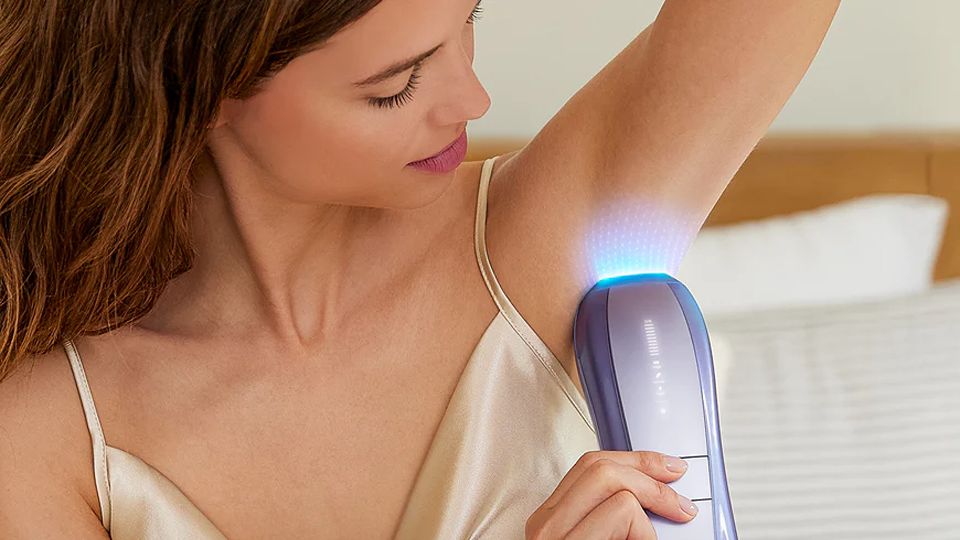
Cooling tech is one of the biggest differences shoppers mention in newer devices. Ulike, for example, uses a sapphire-based cooling approach designed to keep the contact surface cooler, so treatments feel less "flash of heat," especially on underarms and bikini line. That matters when you're doing sessions regularly to build results before summer.

Even with comfort features, start low. Move up in intensity only when your skin stays calm. Hair thickness also changes the feel. Coarser hair, and areas like bikini and upper lip, can sting more than calves.

Trust checks before you buy: certifications, warranties, and return windows

Before you commit, do a quick trust scan. It takes five minutes and can save you headaches later.

Look for:

  • Product safety certifications and clear testing claims
  • Straightforward usage guidance (not vague promises)
  • Responsive support if something feels off
  • Warranty and return window that give you time to see progress

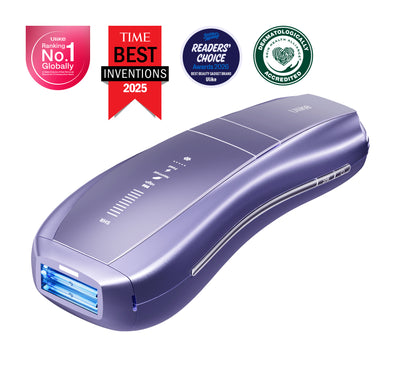
Ulike highlights a long list of safety credentials (dozens across different markets), plus 24/7 customer support, a 2-year warranty, and a 100-day money-back policy. Those policies matter because IPL results are gradual, and you deserve enough time to see if your skin likes it.

This checklist-style read is also helpful when you're comparing devices: 10 essential IPL hair removal facts

Spring IPL routine, step by step for smoother skin by summer

Spring IPL works best when you treat it like skincare. You prep, you do the session, you soothe, then you track.

One big spring issue is sun. Even if it's "not that hot," outdoor walks, weekend hikes, and patio lunches add up. Self-tanner also counts, because it can change how your skin absorbs light.

A simple routine looks like this:

  1. Prep (shave, cleanse, dry).
  2. Treat (slow, steady, overlap lightly).
  3. Aftercare (calm and moisturize).
  4. Track (dates, areas, intensity).

Also, avoid plucking or waxing while you're doing IPL. Those methods pull the hair out by the root, and IPL needs the follicle's pigment as a target. Shaving is fine, because it leaves the root in place.

For a quick visual breakdown of the process, this page explains it clearly: how Ulike IPL hair removal works

Prep the right way: shave, clean skin, and avoid sun and self tanner

Shaving is the unglamorous hero here. Most people do best shaving 12 to 24 hours before (or per your manual). That timing can reduce surface irritation but still leaves the follicle intact for the light to target.

Keep the skin clean and dry. Skip lotion, body oil, perfume, and deodorant on the exact area right before treatment, because residue can increase irritation.

If you're new, do a patch test on a small spot and wait a day. Then scale up.

For sun planning, a simple rule works: schedule sessions on weeks when you're mostly indoors, and use SPF on exposed areas. If you're heading outside all day, push the session earlier in the week so your skin has time to settle.

Aftercare that prevents bumps, dryness, and dark spots

Right after IPL, your skin may look slightly pink or feel warm. Mild redness can be normal. Treat it like you would after a windy beach day.

Use a gentle, fragrance-free moisturizer. If you feel heat, cool the area with a clean, cool compress for a few minutes.

For the next day or two (especially if you're sensitive), avoid:

  • Hot baths and saunas
  • Scrubs and harsh exfoliation
  • Strong acids or retinoids on the treated area

Call it a "quiet skin" window.

Watch for signals that aren't normal, like blistering, strong swelling, or pain that keeps building. If that happens, stop and follow medical guidance.

Spring can also be deceptively dry, especially after winter. Hydrated skin tends to look smoother and feel more comfortable during weekly sessions.

Common spring questions, answered fast

This is the part you'll want to save and come back to.

Can I use IPL if I have a spring vacation coming up

Yes, but plan ahead. Try to do your sessions earlier in the weeks leading up to the trip, then avoid treating right before days of intense sun.

Stick to basics: don't treat sunburned skin, don't treat freshly tanned skin (including self-tan), and use SPF consistently. If your vacation is beach-heavy, consider pausing and resuming when you're home and your skin tone is back to normal.

Is IPL safe for sensitive areas like underarms and bikini line

Often yes, if your device is approved for those areas and you follow the manual. Go slower at first, keep the skin taut, and start with lower intensity.

For bikini, stay on the outer bikini line. Avoid inner labia and any zones your manual says not to treat. Underarms usually respond well, but deodorant residue can irritate, so clean thoroughly before your session.

Cooling features can make these areas feel easier, but technique still matters most.

Other quick answers:

  • How often should I do it? Usually weekly early on, then maintenance. Follow your device schedule.
  • What if I miss a week? Continue as normal next week, don't panic.
  • Can I use it on my face? Many devices allow facial use below the cheekbone. Avoid the eye area and follow attachments and settings.
  • Does it help with PCOS hair? It can reduce growth for some people, but hormones can mean more maintenance.
  • How long do results last? Many people maintain with occasional touch-ups once they finish the initial schedule.

Conclusion: Start in spring, and let consistency do the heavy lifting

If you want smoother skin by summer, spring is your best runway. Pick an IPL hair removal device with comfort and safety features you'll actually use, then commit to a steady schedule and protect your skin from sun.

Track your sessions, keep your routine simple, and don't expect perfection after one use. Most results come from showing up week after week.

For extra peace of mind, it helps to choose a brand with real research behind it. Ulike, for example, points to a large R&D team, years of IPL work, and a deep patent bench, plus strong customer policies. In the end, the best device is the one you'll use consistently, because consistency is what turns spring effort into summer ease.

Previous
IPL Hair Removal for Weddings: A Realistic Timeline for Smooth, Photo-Ready Skin
Share:
IPL Hair Removal for Weddings: A Realistic Timeline for Smooth, Photo-Ready Skin

IPL Hair Removal for Weddings: A Realistic Timeline for Smooth, Photo-Ready Skin

Wedding prep has a funny way of turning tiny details into big stress. Hair removal is one of thos...
Feb 15, 2026
Electrolysis Hair Removal: What to Expect (Permanence, Pain, Cost)

Electrolysis Hair Removal: What to Expect (Permanence, Pain, Cost)

If you’re stuck in the loop of shaving today, stubble tomorrow, irritation all week, you’re not a...
Jan 30, 2026
What Is IPL Hair Removal? How It Works, Results, Safety, and Bikini Use

What Is IPL Hair Removal? How It Works, Results, Safety, and Bikini Use

Tired of shaving, stubble, and the constant “did I miss a spot?” check in the mirror? IPL hair re...
Jan 30, 2026

Need guidance?

Get a free one-on-one consultation

TALK TO AN EXPERT

Explore Beauty

Ulike Air 10

2 weeks to silky smooth skin.

96% Hair Density Reduction in 2 Weeks
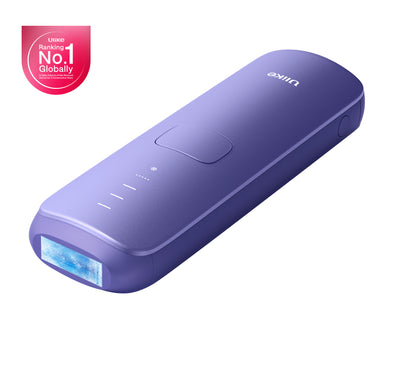
Ulike Air 3

3 weeks to silky smooth skin.

93% Hair Density Reduction in 4 Weeks
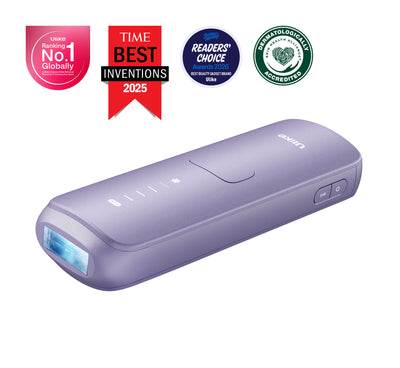
Ulike X

3 weeks to silky smooth skin.

94% hair reduction in just 2 weeks*

Ulike Reglow LED face mask red light therapy device

Ulike Reglow

Clearer skin in 2 weeks: Fewer breakouts
Smoother skin in 4 weeks: Fewer lines, firmer feel

Leave a comment

All comments are moderated before being published.

Back to top