

Is IPL as Good as Laser Hair Removal? A Clear, Honest Comparison
Hair Removal

Is IPL as Good as Laser Hair Removal? A Clear, Honest Comparison

If you’re trying to pick between IPL and professional laser hair removal, you’re not alone. Both use light to reduce hair growth over time, but they don’t behave the same on skin, and they don’t fit the same lifestyles. When people ask “is IPL as good,” they usually mean one (or all) of these things: how fast it works, how long results last, how safe it is for their skin tone, how much it hurts, and how much it costs. Convenience matters too, because a treatment you’ll actually stick with often beats a “best” option you’ll avoid. One trust signal worth knowing: Ulike has been building optical beauty tech since 2013, selling across dozens of countries, backed by a large in-house research team, extensive patents, and multiple safety certifications (plus independent market research that ranked it No. 1 globally for IPL device sales by 2023 volume). How IPL and laser work, and why that changes your results Both IPL and laser aim for the same target: pigment (melanin) in the hair. Light energy travels down the hair shaft, becomes heat, and disrupts the follicle so it grows back slower, finer, and sometimes not at all for long stretches. The big difference is how the light is delivered. Laser hair removal uses a single, focused wavelength. Think of it like a spotlight that can be tuned to hit the follicle with more precision. Because the beam is concentrated, more of the energy gets to the intended target, which is why laser is often strong per session. IPL (intense pulsed light) uses a broad range of wavelengths in each flash. It’s closer to a flashlight than a spotlight. The device still targets pigment, but the light is less focused, and the energy is spread across a wider spectrum. That can mean less intensity at the follicle in each pulse, which is one reason IPL usually needs more sessions. Practical outcome: laser tends to act like a “bigger push” each time, while IPL tends to act like “steady training reps.” With IPL, routine matters a lot because you’re stacking small wins across many treatments. If you want a quick primer on the basics, IPL technology explained lays out the concept in simple terms. Why laser is usually faster and stronger In clinics, laser devices are typically higher power than at-home devices, and the technician can adjust settings based on your skin and hair. That’s a major reason laser often produces noticeable reduction in fewer appointments. Many current guides still cite around 6 to 8 sessions for major reduction with laser, commonly spaced about a month apart. People often describe the outcome as long-lasting hair reduction, sometimes near-permanent in treated areas, but maintenance can still be needed. By comparison, IPL is often quoted at 8 to 10 sessions for meaningful reduction, and for many people it’s more like 10 to 15+ treatments, especially with at-home devices that run at lower energy for safety. Results also vary with hair color, skin tone, hormones (PCOS, postpartum changes), and how consistently you treat. Laser is also usually better for very coarse hair because the concentrated heat can be more disruptive to the follicle per session. Where IPL can still feel “just as good” for the right person IPL can feel just as good when “good” means affordable, private, and easy to keep up. If you match well (often light-to-medium skin with dark hair) and you’re willing to follow a schedule, IPL can deliver real reduction and a smoother routine. IPL is also practical for large areas like legs and arms. The flashes cover more surface at once, so you can move quickly and treat gradually. Many people like the control: you choose the day, the pace, and the intensity level. One more reality check: at-home IPL is usually lower power than in-office treatments. That’s by design. The trade-off is patience. A comfortable device can help you stay consistent, and some brands add cooling features to make regular sessions easier to tolerate, especially on underarms or bikini line. Head to head, what most people care about day to day Choosing between IPL and laser comes down to what you want your hair removal life to look like for the next 2 to 6 months, and after that. Pain, safety, and skin tone fit What hurts more, IPL or laser? Descriptions vary, but here’s the pattern most beginners notice: IPL is often described as a warm “snap,” like a rubber band flick. At home it’s usually manageable, partly because home devices are lower power. Laser can feel sharper per pulse, especially on coarse hair or sensitive zones. Many clinics also use cooling and trained technique, which can make the sensation more controlled. For skin tone fit, laser usually has more options. Clinics may use lasers designed for deeper skin tones (Nd:YAG is a common example) because the settings and wavelength can reduce the risk of pigment-related injury. IPL is commonly recommended for light to medium skin tones because it can’t “see” the difference between melanin in hair and melanin in skin as well as a properly selected laser. On deeper skin tones, that can raise the risk of burns or discoloration. Basic safety that applies to both: Do a patch test first. Avoid tanning and self-tanner before treatment. Follow the device skin tone chart. Protect your eyes, and don’t flash toward the face or mirror reflection. Don’t treat broken, irritated, or infected skin. If you have a history of hyperpigmentation, take meds that increase light sensitivity, are pregnant, or have deeper skin tones and aren’t sure what’s safe, talk with a dermatologist first. For more at-home guidance, best practices for safe IPL use is a helpful checklist-style read. How long results last, how many sessions you need, and the “rules” that make it work Does IPL last longer than laser? In most comparisons, no. Laser tends to last longer because it’s more targeted and typically higher power per session. IPL can still be long-lasting, but maintenance is more common. How many IPL sessions are needed? A simple expectation is: Early phase: often 2 to 3 sessions per week for several weeks (always follow your device instructions). Many people see strong change in 8 to 12 weeks. Maintenance: touch-ups every few weeks to monthly, depending on regrowth. If you want a schedule example, IPL treatment schedule and session frequency breaks down common timing. Now the part people skip, then wonder why “IPL doesn’t work.” These are the rules: Rule 1: Shave, don’t wax or pluck. IPL needs the hair root present. Rule 2: Clean, dry skin only. No lotion, deodorant, or body oil. Rule 3: Start low, build slowly. Higher intensity isn’t “better” if it irritates you. Rule 4: Stay consistent. Missed weeks are a top reason results stall. Rule 5: Respect the hair cycle. You’re catching hairs at the right growth stage over time. Rule 6: Don’t double-flash the same spot. One pass per area, follow your manual. Rule 7: Avoid tattoos, dark moles, and irritated patches. Pigment can over-absorb heat. Rule 8: Moisturize after, wear SPF. Calm skin heals better and stays more even-toned. One quick note on pain comparisons across all methods: electrolysis is often reported as the most painful because it treats follicles one by one with a probe, though it’s also the method most often described as truly permanent. So, is IPL as good as laser hair removal, and who should choose what? IPL can be “as good” if your goal is steady, at-home hair reduction that fits your life and budget. It works best when your hair is darker, your skin is light to medium, and you’ll follow a routine for weeks, then keep up with maintenance. Professional laser is usually the better pick if you want fewer total sessions, want stronger results per visit, or need options for a wider range of skin tones under expert supervision. Laser is also a good choice if you’ve had uneven IPL results and want a more customized plan. “What is the healthiest form of hair removal?” For many people, light-based reduction can be gentler than constant shaving bumps or repeated waxing irritation, as long as it’s used correctly and matched to skin tone. Still, the “healthiest” option depends on your sensitivity, pigmentation history, and medical factors. “What hair removal does Kim Kardashian use?” There’s no reliable, recent sourced info here that confirms her personal method, so there’s no reason to guess. Conclusion Laser hair removal is usually stronger per session and tends to last longer, with fewer treatments needed for major reduction. IPL can still be an excellent option at home if you match the right skin and hair profile and stick to a real schedule. Consistency is what turns IPL from “meh” into “wow.” Before you commit, prioritize safety, follow your device instructions, and give yourself a realistic timeline. If you’re comparing devices, it also helps to look for brand credibility, like long-term research focus, patents, and safety certifications, plus practical protections like a 2-year warranty and a 100-day money-back window.
Jan 22, 2026
Share:

Up to 40% Off
& Free Gifts

Learn More
Table of Contents

If you’re trying to pick between IPL and professional laser hair removal, you’re not alone. Both use light to reduce hair growth over time, but they don’t behave the same on skin, and they don’t fit the same lifestyles.

When people ask “is IPL as good,” they usually mean one (or all) of these things: how fast it works, how long results last, how safe it is for their skin tone, how much it hurts, and how much it costs. Convenience matters too, because a treatment you’ll actually stick with often beats a “best” option you’ll avoid.

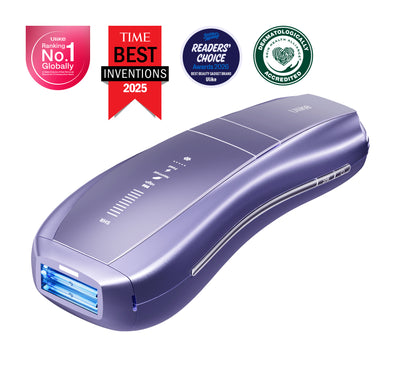
One trust signal worth knowing: Ulike has been building optical beauty tech since 2013, selling across dozens of countries, backed by a large in-house research team, extensive patents, and multiple safety certifications (plus independent market research that ranked it No. 1 globally for IPL device sales by 2023 volume).

How IPL and laser work, and why that changes your results

Both IPL and laser aim for the same target: pigment (melanin) in the hair. Light energy travels down the hair shaft, becomes heat, and disrupts the follicle so it grows back slower, finer, and sometimes not at all for long stretches.

The big difference is how the light is delivered.

Laser hair removal uses a single, focused wavelength. Think of it like a spotlight that can be tuned to hit the follicle with more precision. Because the beam is concentrated, more of the energy gets to the intended target, which is why laser is often strong per session.

IPL (intense pulsed light) uses a broad range of wavelengths in each flash. It’s closer to a flashlight than a spotlight. The device still targets pigment, but the light is less focused, and the energy is spread across a wider spectrum. That can mean less intensity at the follicle in each pulse, which is one reason IPL usually needs more sessions.

Practical outcome: laser tends to act like a “bigger push” each time, while IPL tends to act like “steady training reps.” With IPL, routine matters a lot because you’re stacking small wins across many treatments.

If you want a quick primer on the basics, IPL technology explained lays out the concept in simple terms.

Why laser is usually faster and stronger

In clinics, laser devices are typically higher power than at-home devices, and the technician can adjust settings based on your skin and hair. That’s a major reason laser often produces noticeable reduction in fewer appointments.

Many current guides still cite around 6 to 8 sessions for major reduction with laser, commonly spaced about a month apart. People often describe the outcome as long-lasting hair reduction, sometimes near-permanent in treated areas, but maintenance can still be needed.

By comparison, IPL is often quoted at 8 to 10 sessions for meaningful reduction, and for many people it’s more like 10 to 15+ treatments, especially with at-home devices that run at lower energy for safety. Results also vary with hair color, skin tone, hormones (PCOS, postpartum changes), and how consistently you treat.

Laser is also usually better for very coarse hair because the concentrated heat can be more disruptive to the follicle per session.

Where IPL can still feel “just as good” for the right person

IPL can feel just as good when “good” means affordable, private, and easy to keep up. If you match well (often light-to-medium skin with dark hair) and you’re willing to follow a schedule, IPL can deliver real reduction and a smoother routine.

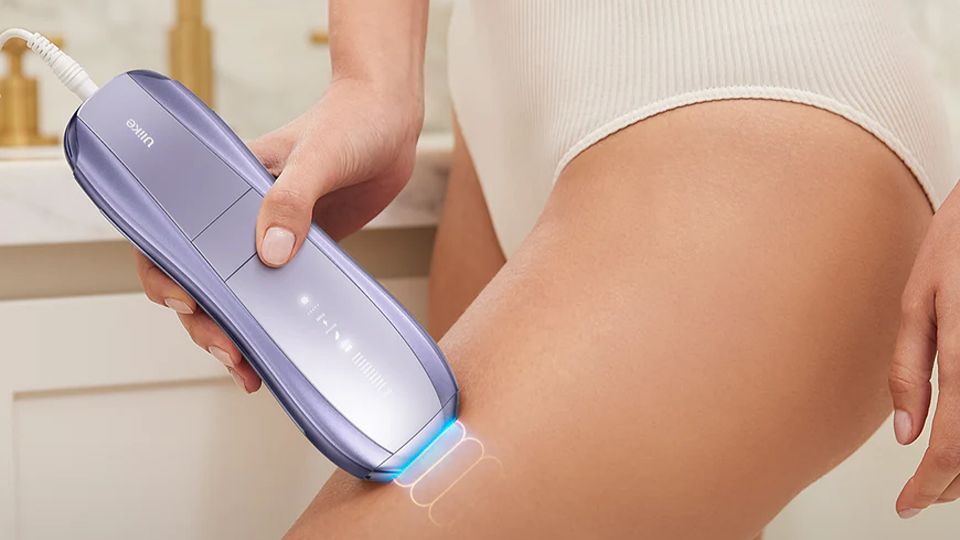
IPL is also practical for large areas like legs and arms. The flashes cover more surface at once, so you can move quickly and treat gradually. Many people like the control: you choose the day, the pace, and the intensity level.

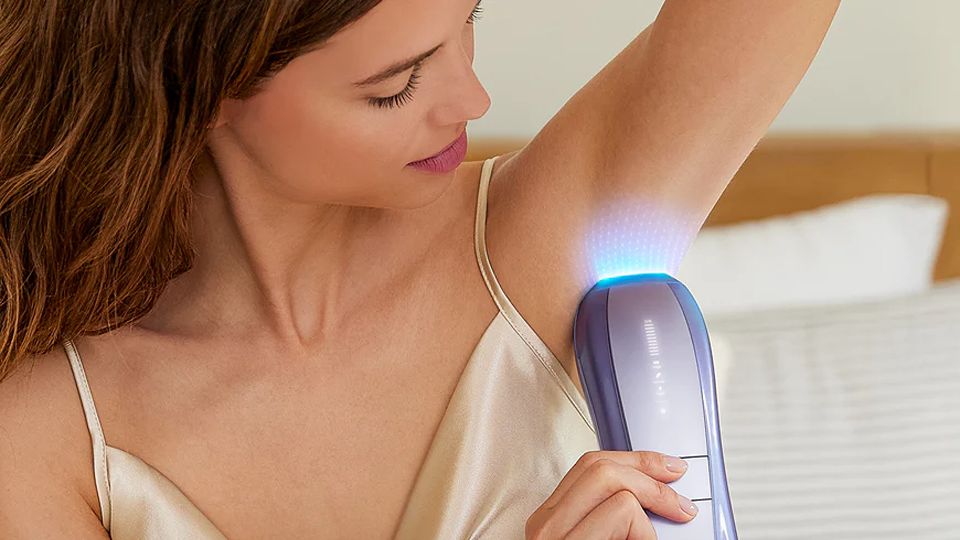
One more reality check: at-home IPL is usually lower power than in-office treatments. That’s by design. The trade-off is patience. A comfortable device can help you stay consistent, and some brands add cooling features to make regular sessions easier to tolerate, especially on underarms or bikini line.

Head to head, what most people care about day to day

Choosing between IPL and laser comes down to what you want your hair removal life to look like for the next 2 to 6 months, and after that.

Pain, safety, and skin tone fit

What hurts more, IPL or laser? Descriptions vary, but here’s the pattern most beginners notice:

  • IPL is often described as a warm “snap,” like a rubber band flick. At home it’s usually manageable, partly because home devices are lower power.
  • Laser can feel sharper per pulse, especially on coarse hair or sensitive zones. Many clinics also use cooling and trained technique, which can make the sensation more controlled.

For skin tone fit, laser usually has more options. Clinics may use lasers designed for deeper skin tones (Nd:YAG is a common example) because the settings and wavelength can reduce the risk of pigment-related injury.

IPL is commonly recommended for light to medium skin tones because it can’t “see” the difference between melanin in hair and melanin in skin as well as a properly selected laser. On deeper skin tones, that can raise the risk of burns or discoloration.

Basic safety that applies to both:

  • Do a patch test first.
  • Avoid tanning and self-tanner before treatment.
  • Follow the device skin tone chart.
  • Protect your eyes, and don’t flash toward the face or mirror reflection.
  • Don’t treat broken, irritated, or infected skin.

If you have a history of hyperpigmentation, take meds that increase light sensitivity, are pregnant, or have deeper skin tones and aren’t sure what’s safe, talk with a dermatologist first. For more at-home guidance, best practices for safe IPL use is a helpful checklist-style read.

How long results last, how many sessions you need, and the “rules” that make it work

Does IPL last longer than laser? In most comparisons, no. Laser tends to last longer because it’s more targeted and typically higher power per session. IPL can still be long-lasting, but maintenance is more common.

How many IPL sessions are needed? A simple expectation is:

  • Early phase: often 2 to 3 sessions per week for several weeks (always follow your device instructions).
  • Many people see strong change in 8 to 12 weeks.
  • Maintenance: touch-ups every few weeks to monthly, depending on regrowth.

If you want a schedule example, IPL treatment schedule and session frequency breaks down common timing.

Now the part people skip, then wonder why “IPL doesn’t work.” These are the rules:

Rule 1: Shave, don’t wax or pluck. IPL needs the hair root present.
Rule 2: Clean, dry skin only. No lotion, deodorant, or body oil.
Rule 3: Start low, build slowly. Higher intensity isn’t “better” if it irritates you.
Rule 4: Stay consistent. Missed weeks are a top reason results stall.
Rule 5: Respect the hair cycle. You’re catching hairs at the right growth stage over time.
Rule 6: Don’t double-flash the same spot. One pass per area, follow your manual.
Rule 7: Avoid tattoos, dark moles, and irritated patches. Pigment can over-absorb heat.
Rule 8: Moisturize after, wear SPF. Calm skin heals better and stays more even-toned.

One quick note on pain comparisons across all methods: electrolysis is often reported as the most painful because it treats follicles one by one with a probe, though it’s also the method most often described as truly permanent.

So, is IPL as good as laser hair removal, and who should choose what?

IPL can be “as good” if your goal is steady, at-home hair reduction that fits your life and budget. It works best when your hair is darker, your skin is light to medium, and you’ll follow a routine for weeks, then keep up with maintenance.

Professional laser is usually the better pick if you want fewer total sessions, want stronger results per visit, or need options for a wider range of skin tones under expert supervision. Laser is also a good choice if you’ve had uneven IPL results and want a more customized plan.

“What is the healthiest form of hair removal?” For many people, light-based reduction can be gentler than constant shaving bumps or repeated waxing irritation, as long as it’s used correctly and matched to skin tone. Still, the “healthiest” option depends on your sensitivity, pigmentation history, and medical factors.

“What hair removal does Kim Kardashian use?” There’s no reliable, recent sourced info here that confirms her personal method, so there’s no reason to guess.

Conclusion

Laser hair removal is usually stronger per session and tends to last longer, with fewer treatments needed for major reduction. IPL can still be an excellent option at home if you match the right skin and hair profile and stick to a real schedule. Consistency is what turns IPL from “meh” into “wow.”

Before you commit, prioritize safety, follow your device instructions, and give yourself a realistic timeline. If you’re comparing devices, it also helps to look for brand credibility, like long-term research focus, patents, and safety certifications, plus practical protections like a 2-year warranty and a 100-day money-back window.

Previous
Is IPL Better Than an Epilator?
Next
Does IPL Permanently Get Rid of Hair? What "Permanent" Really Means
Share:
IPL Hair Removal for the Face: Best At-Home Devices, Safety

IPL Hair Removal for the Face: Best At-Home Devices, Safety

IPL hair removal can reduce facial hair growth at home when your skin tone and hair color are a ...
Mar 6, 2026
Ulike Air 10 vs Air 3: What Are the Differences?

Ulike Air 10 vs Air 3: What Are the Differences?

Ulike has launched Air 10 in the UK market for general consumers. What’s fascinating about this e...
Mar 6, 2026
IPL Hair Removal Device for Spring: The Smooth-Skin Plan That Actually Fits Real Life

IPL Hair Removal Device for Spring: The Smooth-Skin Plan That Actually Fits Real Life

Spring has a funny way of changing your schedule. One warm day and suddenly you're thinking about...
Feb 21, 2026

Need guidance?

Get a free one-on-one consultation

TALK TO AN EXPERT

Explore Beauty

Ulike Air 10

2 weeks to silky smooth skin.

96% Hair Density Reduction in 2 Weeks
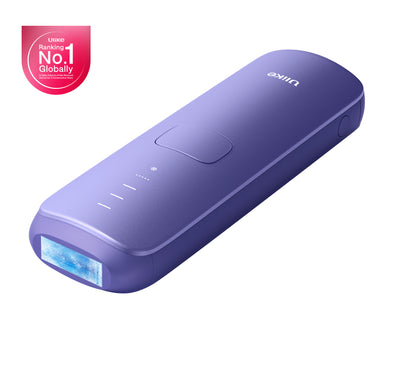
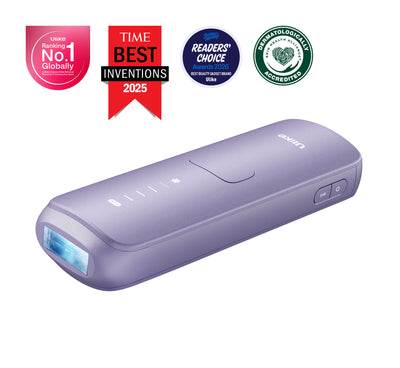
Ulike Air 3

3 weeks to silky smooth skin.

93% Hair Density Reduction in 4 Weeks
Ulike X

3 weeks to silky smooth skin.

94% hair reduction in just 2 weeks*

Ulike Reglow LED face mask red light therapy device

Ulike Reglow

Clearer skin in 2 weeks: Fewer breakouts
Smoother skin in 4 weeks: Fewer lines, firmer feel

Leave a comment

All comments are moderated before being published.

Back to top