 Ulike ReGlow Pro★ 5.0 (511)


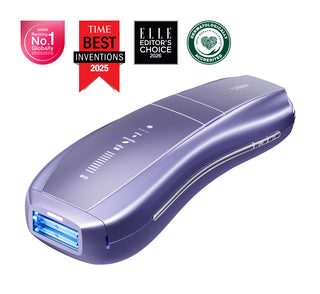
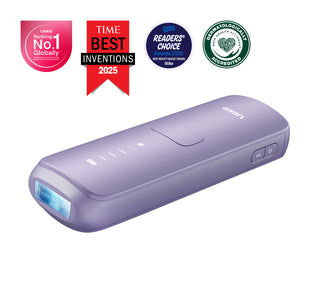


Table of Contents
IPL hair removal can reduce facial hair growth at home when your skin tone and hair color are a good match, and when you follow a consistent schedule with careful aftercare.

Unwanted upper-lip or chin hair can feel like a never-ending loop of shaving, stubble, and touch-ups. IPL hair removal devices for home use are popular because they let you treat facial hair on your own time, often for less than a full in-clinic series.
This guide focuses on comparison and decision support. It explains how popular at-home options differ, who tends to see results, what a realistic timeline looks like, and where things can go wrong (so you can avoid common mistakes).
Quick picks: at-home devices people choose for facial hair
Before getting into the details, here's a simple snapshot of the devices highlighted most often for facial use and why people pick them.
| Pick | Device | Tech | Why it's commonly chosen for face use |
|---|---|---|---|
| Best overall (diode laser) | CurrentBody Laser Hair Removal Device | Diode laser | A more focused beam can help with stubborn areas like chin and upper lip |
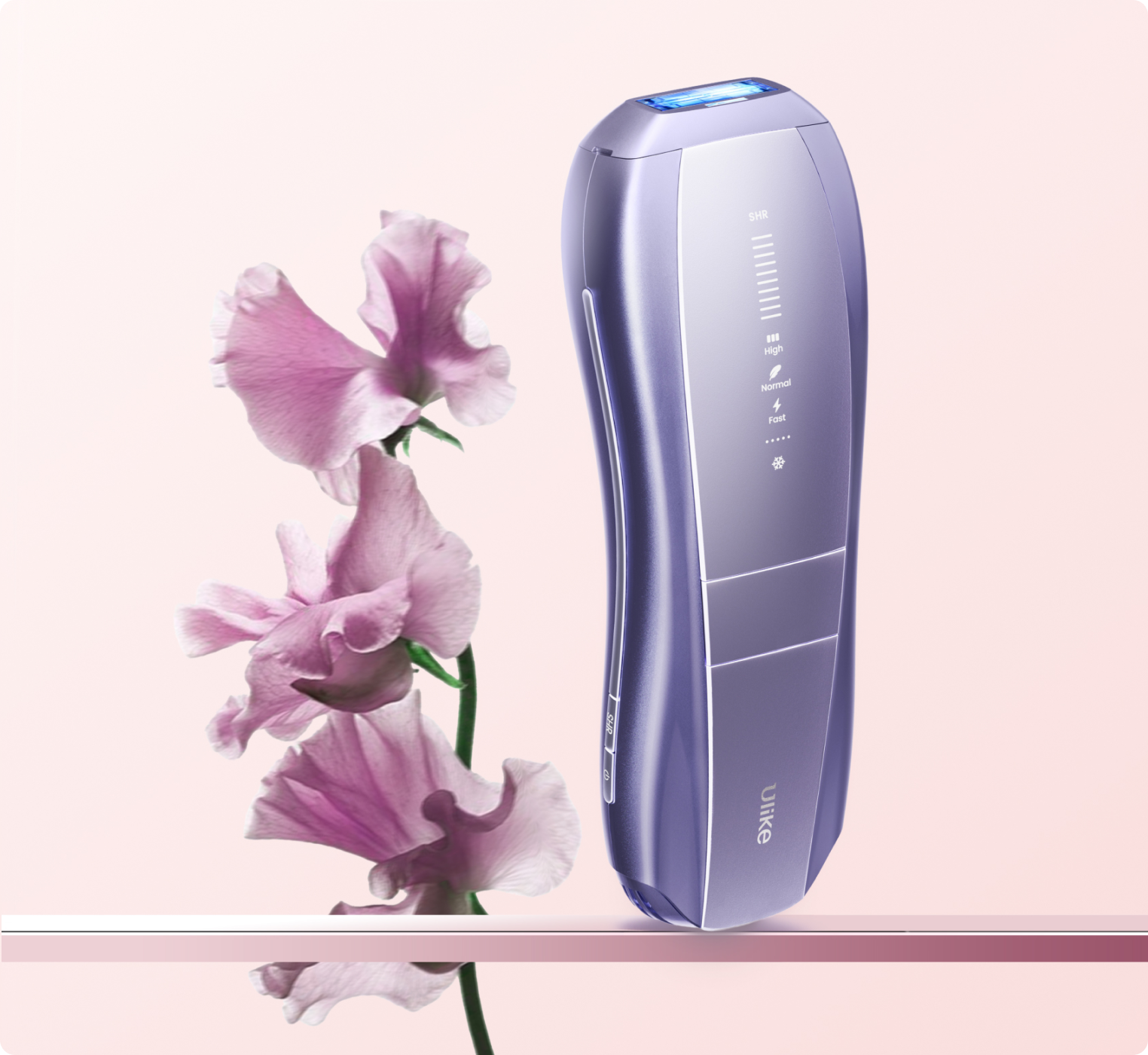
| Comfort-forward option | Ulike Air 3 IPL | IPL | Cooling at the treatment window aims to make sessions feel more tolerable |
| Best for precision work | Braun Silk Expert Pro 5 | IPL | Narrow attachment helps target small facial zones with more control |
| Best value angle | Nood The Flasher 2.0 | IPL | High flash count and multiple intensity levels for long-term use |
If you want a clearer foundation before comparing devices, start with IPL hair removal explained and then come back to the facial-specific guidance below.
Why at-home facial hair removal keeps growing
The demand comes down to three practical reasons: money, time, and better device design than what existed a few years ago.
First, cost adds up fast in a clinic. Many people see quotes that feel steep for small areas, especially when facial hair needs multiple sessions and occasional maintenance. In contrast, at-home devices are typically a one-time purchase in the few-hundred-dollar range (pricing varies by brand and sales).
Second, facial hair is a frequent problem. Even when the area is small, the upkeep can be constant. At-home tools fit into real life because a quick upper-lip session doesn't require commuting, tipping, or scheduling around clinic hours.
Third, today's devices include safeguards and comfort features that weren't always standard. Skin contact sensors, skin tone checks, and cooling plates show up more often now, which can lower user error when you follow directions.
Some brands also lean hard into R&D credibility. For example, Ulike positions itself as an optical skincare technology company founded in 2013, with over a decade of IPL research, more than 1,000 global patents, and distribution across dozens of countries and regions. The company has also cited third-party market research (Frost and Sullivan, based on 2023 global sales volume metrics, confirmed in October 2024) supporting its "No. 1" global IPL device sales claim, which matters to shoppers who want a long-standing player rather than a new label.
How IPL and laser devices work on facial hair (and why face results can be slower)
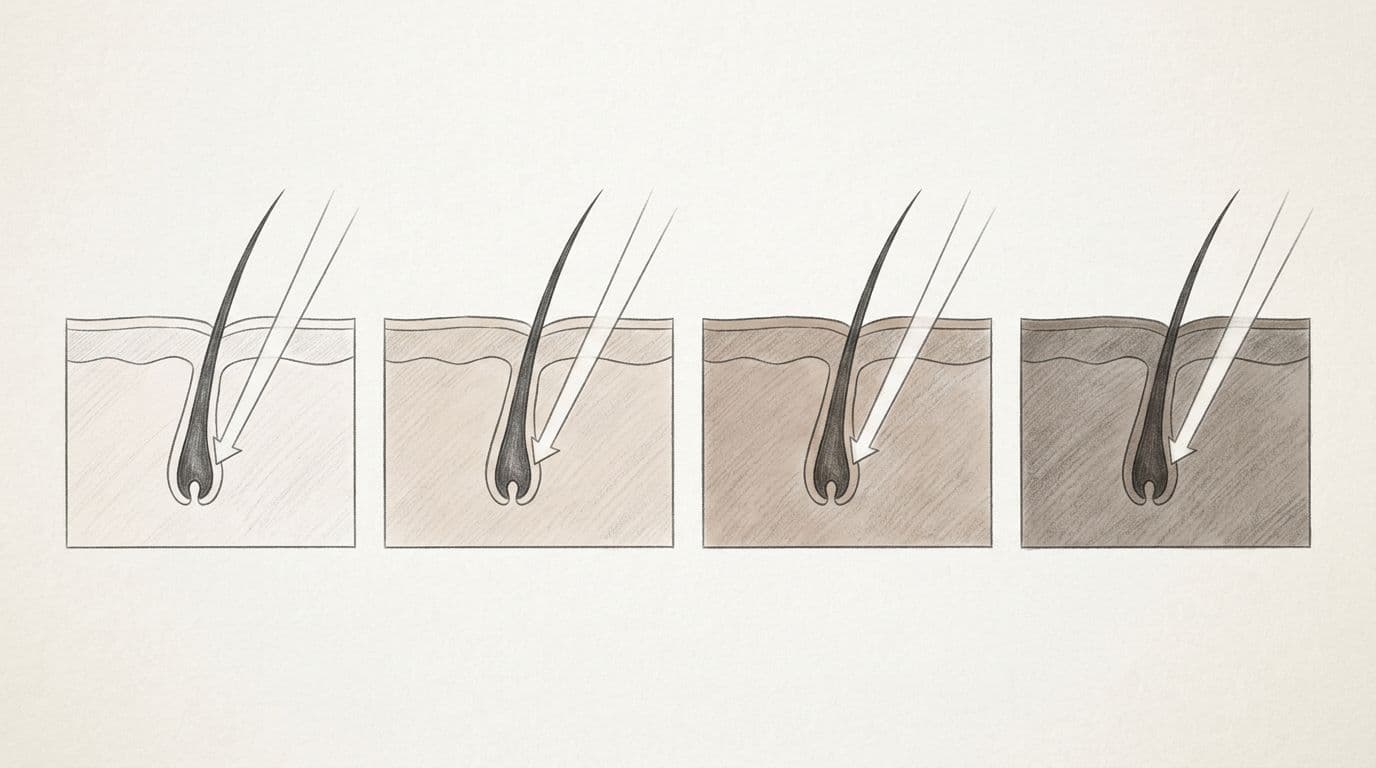
Both IPL and diode laser aim for the same target: the hair follicle. They use a principle called selective photothermolysis, meaning light energy seeks out pigment (melanin), then turns into heat that can disrupt follicle activity over time.
A helpful way to picture it is this: the hair acts like a path for energy. When the device flashes, pigment in the hair absorbs that light, the light becomes heat, and some of that heat reaches the follicle.
Facial hair can be harder than leg hair for two common reasons.
Fine hairs often contain less pigment, so they may absorb less light. Hormones can also influence regrowth, which is why some people see improvement but still need ongoing maintenance.

Hair growth cycles are the other big reason consistency matters. Light-based methods mainly affect hair in the anagen (active growth) phase. However, not every hair is in that phase at the same time, so a single session can't catch everything.
IPL devices: broad flashes, slower build, common for home use
IPL (intense pulsed light) sends a broad spectrum flash, more like a camera flash than a single beam. That wider spread can cover different depths, but the energy is less concentrated than many professional lasers.
That tradeoff is why at-home IPL often requires more sessions. The upside is that consumer IPL systems usually run at lower energy than clinic equipment, which can lower the risk of burns when used correctly.
If you want a brand-specific explanation of the mechanism and why cooling matters, see how IPL hair removal works.
Diode laser devices: single wavelength, more focused targeting
Diode laser devices use a single, concentrated wavelength (often described around 810 nm in professional settings). Because the energy is more focused, diode laser is often discussed as a stronger option for stubborn growth in clinics.
At-home diode laser tools still run at consumer-safe power levels, so they won't match an in-office machine. Still, the more targeted delivery can be appealing if facial hair feels resistant to broad-flash IPL.
Is IPL hair removal safe for the face? What "safe" depends on
For most people, at-home IPL can be used on parts of the face, as long as the device is designed for it, you follow the brand's instructions, and you respect the no-go areas.
A key baseline is choosing devices with regulatory clearance where you live (many popular models advertise FDA clearance). Consumer devices also tend to include built-in safety features such as skin contact sensors, and sometimes skin tone detection to prevent firing in unsafe conditions.
Even with those guardrails, reactions can happen. Temporary redness, warmth, and mild irritation are common early on, especially if you start too strong or treat too often. More serious problems (burns, blistering, or pigment changes) become more likely when you overlap flashes, treat recently tanned skin, or ignore aftercare.
A published review on home-use devices (focused on safety and outcomes when used as directed) is worth reading if you want the medical framing: https://pubmed.ncbi.nlm.nih.gov/30681170
A good rule for facial IPL is to treat "small and steady." Higher intensity or more frequent sessions don't always mean better results, but they can raise irritation risk.
Facial safety rules that matter most

Patch testing isn't optional if you're prone to sensitivity. Test a small spot along the jawline, then wait 24 to 48 hours before committing to a full facial session.
Keep IPL away from the eye area. Don't treat eyebrows, and don't flash near the orbit even if you're "careful."
Avoid moles, tattoos, and broken or inflamed skin. Pigment can absorb energy in unpredictable ways, and compromised skin is easier to injure.
Shave before treatment (don't wax or pluck). Waxing and plucking remove the hair you want the light to target, while long surface hair can increase heat at the skin surface.
Sun exposure is a common failure point. Treating tanned skin, then skipping sunscreen afterward, increases the chance of irritation and post-inflammatory hyperpigmentation (dark marks).
What results can look like, including common failure reasons
At-home light devices are best described as hair reduction tools. Many people see finer regrowth and longer time between touch-ups, rather than full clearance forever.
The timeline also matters. Some brands cite early changes in the first month (often "slower regrowth"), while more obvious reduction tends to show later with consistent use. For example, some marketing materials for at-home diode laser devices cite high reduction figures by around eight weeks, but outcomes depend on skin tone, hair color, session spacing, and whether the area is hormonal.
Hormones can be the wildcard, especially for facial hair. People with PCOS or other hormone-related growth may still see meaningful improvement, but they might also need ongoing maintenance to keep results stable.
A clear time axis (so you can track what's happening)
Use these checkpoints to judge progress without guessing.
- First use: Mild warmth or a quick snap sensation is common. Redness can happen and often fades within hours.
- Week 2: Early changes are usually subtle, such as slower regrowth. No visible reduction yet can still be normal.
- Week 4: Patchier regrowth is more likely if you match skin tone and hair pigment and you haven't skipped sessions.
- Week 8: Many users who respond well see clearer reduction trends here, especially on darker, coarser hairs.
- Maintenance phase: Once results stabilize, many routines shift to less frequent touch-ups (exact spacing should follow the device instructions and your regrowth pattern).
Why people get "no results" at home
No-result situations usually come from one of these patterns.
A poor match between hair color and the device is the biggest issue. Very light blonde, red, gray, or white hair often doesn't carry enough pigment for IPL to grab onto.
Skin tone can also limit at-home IPL. Deeper skin tones have more melanin in the skin, which can absorb more light and raise burn risk on many devices, so brands may recommend avoiding use depending on the model's skin tone chart.
Schedule problems matter too. Using the device too rarely often stalls progress, while using it too often can irritate the skin and force you to pause, which also slows results.
What to look for in a face-friendly IPL device
Face sessions aren't the same as legs. You're working around curves, smaller zones, and more reactive skin, so the "best" specs come down to control and comfort as much as power.

Precision features that help on upper lip and chin
A smaller treatment window (or a precision attachment) makes it easier to avoid overlapping flashes. That matters around the corners of the mouth and along the chin, where it's easy to double-treat by accident.
Stamp mode is also useful on the face. Instead of sliding across the skin, you place, flash, lift, and move. This slows you down in a good way.
Weight and grip aren't just comfort details. A device that's easy to hold steady helps you place flashes evenly, which can reduce patchiness.
Comfort tech that can reduce hesitation and skipped sessions
Cooling is one of the main reasons people stick with a routine. Some devices use sapphire cooling at the treatment window to keep the surface skin cooler during the flash.
Ulike, for example, highlights a sapphire-based ice-cooling approach, drawing on sapphire's strong thermal conductivity (a material used in professional machine handles as well). If you want to see how that's described, start with Ulike's IPL technology explanation.
Multiple intensity levels also matter because the upper lip and jawline may not tolerate the same setting. Gradual step-ups reduce the chance you'll irritate the skin and have to stop.
Brand trust signals (what they do, and what they don't prove)
Patents, safety certifications, and years of research don't guarantee your personal result, but they can reduce the chance you're buying from a brand with poor documentation.
Ulike states it holds 800+ global patents in some materials, and also references 1,000+ granted patents elsewhere, along with 20+ national and 30+ product safety certifications. It also promotes a large installed base (millions of devices sold) and availability across many countries and regions. These points don't replace proper use, but they can be useful when you're comparing device legitimacy and support policies.
Costs, suitability, and a realistic at-home vs professional comparison
At-home devices usually land in a range many people can budget for up front, while clinic pricing often spreads across a series.
Here's a quick side-by-side that reflects common tradeoffs discussed by clinics and at-home brands (exact pricing and protocols vary by location, provider, and device).
| Feature | At-home IPL or diode device | Professional clinic treatment |
|---|---|---|
| Typical cost structure | One-time device purchase | Pay per session or series package |
| Convenience | Do it anytime at home | Appointments, commute, provider availability |
| Energy level | Consumer-safe, lower energy | Higher energy, provider-controlled settings |
| Best fit | Strong contrast (dark hair, lighter skin), consistent users | Wider range of hair and skin types, faster response for some |
People outside the "ideal contrast" window, or those prone to hyperpigmentation, often do better with a clinician-guided plan.
Skin tone and hair color: the deciding factor most people overlook
Contrast is everything for light-based hair removal. Dark hair on lighter skin tends to respond best because the hair pigment absorbs more of the energy.
Many at-home devices caution users with deeper skin tones or very light hair colors because the energy can disperse in a way that increases risk or reduces effectiveness.
If you're unsure, rely on the device's skin tone chart and do a patch test before treating visible areas.
Ulike options mentioned often for home IPL: Air 3 and Air 10
Ulike is a frequent pick in at-home IPL because it emphasizes comfort features and a strong R&D story. It also promotes consumer-friendly policies such as a 100-day money-back window, fast shipping from nearby warehouses, 24/7 support, and a 2-year warranty (exact details depend on region and the offer you see at purchase).
Two common models people compare:
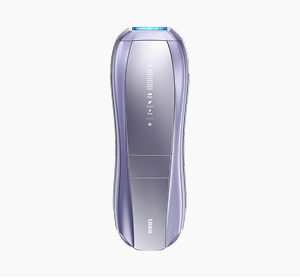
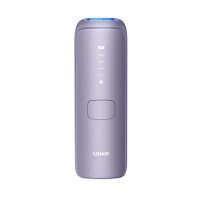
- Ulike Air 3 IPL handset: positioned as a more budget-friendly option, with sapphire cooling and FDA-cleared messaging on the product page.
- Ulike Air 10 IPL device: positioned as a more advanced model, also emphasizing cooling and FDA-cleared messaging on the product page.
When comparing IPL devices for the face, the "best" choice usually comes down to which one you'll use consistently, at a tolerable setting, for long enough to reach the maintenance phase.
FAQs about at-home facial IPL hair removal
How long until IPL hair removal works on facial hair?
Most people who respond well notice slower regrowth first, then patchier reduction later. Early changes can show within the first month, while clearer trends often take longer (commonly around 8 to 12 weeks) if you follow the recommended schedule for your device and your hair has enough pigment.
How often should you use IPL on the face?
Follow the brand's instructions because devices vary. Many routines start more frequently for the first month, then taper to weekly or bi-weekly sessions, and finally shift into maintenance once results stabilize.
Can you use Ulike on your face?
Yes, some Ulike IPL devices can be used on certain facial areas, but only when your skin tone and hair color match the device compatibility chart and you avoid high-risk areas such as the eyebrows, eyelids, and directly around the eyes. For facial hair, start with a patch test, use a lower intensity if the device instructions recommend it, shave first, and stop if you notice persistent redness, stinging, darkening, or unusual irritation.
For model-specific use, check the instructions for your exact Ulike device. The key question is not just whether Ulike can be used on the face, but whether your facial area, skin tone, hair color, and sensitivity level fit the safe-use range for that device.
Should you shave before IPL on the upper lip?
Yes, shaving helps keep surface hair from heating up and lets more energy reach the follicle. Avoid waxing or plucking because those remove the target hair from the root.
Can you use IPL on eyebrows or near the eyes?
No, don't use IPL near the eyes or on eyebrows. Eye-area skin is high risk, and accidental flashes can be dangerous.
What should you do if your skin gets red or itchy after IPL?
Mild redness can be normal early on and often fades within hours. If irritation persists, stop sessions, reduce intensity or frequency when you restart, and focus on gentle barrier support. Seek medical advice if you see blistering, swelling that doesn't improve, or signs of pigment change.
Why did IPL cause dark spots on my face?
Post-inflammatory hyperpigmentation can happen after irritation, especially with sun exposure before or after sessions. Stop treating the area, protect it from sun daily, and consider professional guidance if the discoloration persists.
What if IPL isn't working at all?
First, confirm your hair color has enough pigment and your skin tone falls within the device's safe range. Next, review your schedule, missed sessions and inconsistent spacing commonly cause stalled results. If everything looks correct and you still see no change by the later checkpoints, a clinic consult may be the better use of time and money.
Can IPL make facial hair worse?
Hair response varies, and hormonal facial hair can behave differently than body hair. If regrowth patterns change in a concerning way, stop use and talk with a clinician, especially if you suspect an underlying hormonal driver.
Do you need maintenance sessions forever?
Maintenance is common because some follicles recover over time, and hormones can continue to influence facial growth. Many people use touch-ups as needed once they reach the result they can live with.
Who should avoid at-home IPL hair removal?
Avoid use if you're outside the device's skin tone and hair color compatibility, if you have a recent tan or sunburn, or if you have broken or inflamed skin in the area. People with medical conditions or medications that increase light sensitivity should also get medical guidance first.
Bottom line: choose the device you can use consistently, and respect the boundaries
At-home IPL hair removal can be a practical option for facial hair when your skin tone and hair pigment are compatible, and when you stick to a routine long enough to reach maintenance. The biggest wins usually come from doing the basics well: patch test, shave instead of wax, start low, avoid overlap, and take sun protection seriously.
If you're outside the ideal contrast range, you're prone to hyperpigmentation, or your facial hair seems strongly hormone-driven, professional treatment often offers more control and a clearer safety net.