



Waxing Regrowth After 1 Week?
Hair Removal

The Ultimate Guide to Hair Growth After Waxing: Managing Regrowth and Long-Term Solutions

Many people prefer waxing their bodies for smooth and hair-free skin. Still, there are so many concerns about hair growth after waxing. A common complaint among beauty enthusiasts is experiencing a prickly stubble or noticeable waxing regrowth after 1 week. To understand how long does hair take to grow back after waxing and why it sometimes returns so quickly, we must analyze the mechanics of hair removal and individual biological variations. Table of Contents: Part 1: Why Does Hair Grow Back a Week After Waxing? Part 2: Should I Insist on Waxing My Hair? Part 3: How to Manage Regrowth After One Week? Part 4: What Are Some Excellent Alternatives to Waxing? Part 5: Frequently Asked Questions (FAQs) Part 1: Why Does Hair Grow Back a Week After Waxing? The length of your hair at the time of your appointment plays a significant role in your long-term results. The longer the hair, the more chances of hair breakage and quicker regrowth. If hairs are snapped off at the surface rather than pulled completely from the follicle root, you will see rapid surface growth. This means our hair length can determine the speed of hair growth after waxing. According to professional dermatological guidelines, hair needs to be at least 1/4-inch long (about the size of a grain of rice) for the wax to grip it effectively. Your hair growth also depends on the hair growth cycle. So, hair regrowth after the first week is expected in waxing because of the growth cycle. If you waxed at the wrong cycle time, you will still face this issue. Therefore, you should know how fast does hair grow back after waxing as per this growth cycle, and when to schedule your sessions to optimize results. The Three Phases of the Hair Growth Cycle To fully understand how long does waxed hair take to grow back, we need a quick go-through of the hair growth cycle, which consists of three distinct phases: Active Phase (Anagen): The hair emerges like a fiber after the onion-like shape underneath the skin. Then, it appears on the surface and continues actively growing for several years. This is the optimal stage for hair removal. Transition Phase (Catagen): This is the short transition phase in which the hair enters quiescence and detaches from its primary blood supply. If many hairs grow from the same point, they shed automatically. This phase typically remains for a few weeks. Resting Phase (Telogen): It is the resting phase that lasts till the end of the life of the hair. At any given time, approximately 10 to 15% of hair rests on the skin for a good time before shedding naturally. The exact duration depends heavily on the specific area of the skin. How Waxing Affects Hair at Different Stages As you now have a basic idea of the hair growth cycle, let's see how waxing affects the hair at different stages and answer the core question: Does waxing reduce hair regrowth? The Best Time to Wax (Anagen Phase): When you wax during the active stage, the hair is firmly attached to the root. Pulling it out completely destroys the papilla (the hair bulb's nutrient supply). Over time, this root damage ensures that waxing slows hair growth, resulting in finer, sparser, and delayed regrowth. The Worst Time to Wax (Telogen Phase): You get frequent hair regrowth if you wax during this resting phase. Because the old hair has already detached from the dermal papilla, removing it does not stop the underlying anagen phase of the next hair cycle. The papilla remains undamaged; therefore, it develops and pushes out a new hair within just a few days, leading to an unexpected 1 week after Brazilian wax or leg wax regrowth. The Middle Ground (Catagen Phase): You can wax during this stage, but you will likely get baby hairs soon after, or some shorter hairs will not be fully removed. This occurs because you are not affecting the deep hair growth process; a new follicle is already forming underneath while the current hair is in its transitional dormancy. Part 2: Should I Insist on Waxing My Hair? This controversial question entirely depends on one's personal preferences, skin sensitivity, and unique hair type. While some people enjoy completely smooth skin without any hair growth after waxing for 2-3 weeks, others find themselves in the 1-week boat, seeing early stubble return almost immediately. Who Should Choose or Avoid Waxing? To determine whether you should stick with a waxing routine, evaluate your skin condition against the following criteria: You should choose waxing if: You are consistent and can comfortably commit to regular upkeep every few weeks. You have a high pain tolerance and can bear the physical discomfort of root extraction. You love the long-lasting, ultra-smooth post-wax skin texture. You naturally suffer from frequent ingrown hairs caused by shaving razors. You should avoid waxing if: You cannot bear the sharp pain associated with ripping hair from the root. You have hyper-sensitive skin that stays red or irritated for days. Your skin barrier is temporarily damaged, sunburned, or peeling. You suffer from active skin diseases or chronic conditions like rosacea or eczema. Hard Wax vs. Soft Wax: Which is Better? People mostly use two types of professional wax: hard wax and soft wax. Your choice should depend on the specific skin area to be treated. Hard wax is thick, applied warm, and strips off without paper; it perfectly suits sensitive and smaller areas like the bikini line or face. On the other hand, soft wax requires paper strips and is ideal for spreading across larger areas like the legs. Soft wax is highly efficient for large surface areas and is a bit more painful, but it is considerably less expensive than hard wax. Part 3: How to Manage Regrowth After One Week? You can significantly reduce rapid hair growth after waxing by implementing precise pre-care and post-care routines. Maintaining a structured skincare regimen and a consistent waxing schedule is essential to achieving synchronized hair cycles and a slower regrowth rate. Essential Pre-Care Tips Synchronize Your Cycle: Your hair should go through one complete growth cycle before your next appointment. This means establishing a mandatory gap of 3-4 weeks between sessions. However, if you have shaved recently, you can reduce this initial gap to 2-3 weeks to catch the staggered growth. Open Up Pores: Taking a warm bath right before waxing will loosen your pores, allowing the wax to pluck the hair effortlessly from the root while reducing overall pain. Exfoliate Pre-Wax: Mechanical exfoliation removes dead skin cells and sebum build-up. It allows shorter hairs to emerge completely above the skin line so the wax can grip them, preventing premature breakage. It is highly advised to exfoliate gently a day or two before your session. Essential Post-Care Tips Avoid Excessive Heat: You should not wet your skin frequently with warm water immediately after waxing, as the epidermis is highly sensitive. Avoid harsh chemicals, saunas, hot tubs, and heavy exercise for 24-48 hours post-session. Routine Post-Wax Exfoliation: Regular exfoliation prevents dead skin from trapping new hairs, which lowers the risk of ingrowns and helps ensure that does waxing slow hair growth over time. Exfoliating twice a week is highly beneficial, but ensure you take a strict 2-day break immediately after waxing before starting. Deep Hydration: Hydrate your skin daily to prevent itchiness, redness, and irritation. Applying lightweight, non-comedogenic creams and moisturizers will eliminate post-wax dryness and reinforce your protective skin barrier. What to Absolutely Avoid Between Sessions Because it takes a week or more for new hairs to breach the surface, many people resort to temporary fixes like shaving or tweezing before their next appointment. This is the worst thing you can do for your skin. These rapid surface hair removal methods completely disrupt your synchronized hair growth cycle. When you wax later, your hair will grow in highly irregular, asymmetric patterns, causing frustrating hair patches across different skin zones. Additionally, avoid applying strong chemical exfoliants, artificial fragrances, or retinol products right before or after waxing. Doing so can cause severe chemical burns, post-inflammatory hyperpigmentation, or trigger conditions like eczema. Part 4: What Are Some Excellent Alternatives to Waxing? If you find that your skin cannot tolerate waxing or you are tired of dealing with waxing regrowth after 1 week, there are several alternative long-term and short-term hair removal options available on the market: Shaving: While it is incredibly quick and inexpensive, shaving only cuts the hair at the surface. The results are extremely short-term, often leading to shadow stubble within 24 hours. In-Clinic Laser & Electrolysis: These professional clinical methods provide permanent hair reduction. However, they are highly expensive, require strict clinic appointments, and take multiple sessions spanning several months to see visible results. The Ultimate Alternative: At-Home IPL Hair Removal Is there an alternative that is pocket-friendly, incredibly quick, entirely safe, and answers the ultimate question—does hair grow back after waxing permanently? Yes, an At-Home IPL (Intense Pulsed Light) hair removal device can solve your grooming frustrations and rid your body of stubborn hair permanently. Unlike temporary waxing, IPL nearly painlessly emits broad-spectrum light that targets the melanin inside the hair follicles. This light converts to heat, safely destroying the hair bulb at its base and disrupting the active growth cycle for an extended duration. Over regular sessions, IPL successfully ensures that does waxing reduce hair regrowth pale in comparison to permanent light-based follicle suppression, giving you months of continuously silky-smooth, hair-free skin without the painful salon visits. Part 5: Frequently Asked Questions (FAQs) Q1: How long does hair take to grow back after waxing, and is 1 week of regrowth normal? On average, hair takes about 3 to 6 weeks to grow back fully after a successful professional wax. However, experiencing noticeable waxing regrowth after 1 week is incredibly common, especially for beginners or those transitioning from shaving. This quick regrowth occurs because your individual body hairs are always in different stages of the hair growth cycle. Hairs that were in the dormant telogen phase during your appointment will emerge just days later. If you want a more permanent solution that entirely bypasses this staggered regrowth, switching to an advanced at-home option like the Ulike IPL Hair Removal Device is highly recommended. Ulike targets follicles directly to stop regrowth in its tracks. Q2: Does waxing reduce hair regrowth or permanently slow down hair growth over time? Yes, it does! Consistent, long-term waxing can damage the hair bulb, which answers the consumer question: does waxing reduce hair regrowth and does waxing slow hair growth with a definitive yes. Over months of routine waxing, hairs tend to grow back much finer, sparser, and softer. However, this progress is instantly ruined if you shave between sessions. For those who want faster, pain-free, and clinically proven hair reduction without waiting years for waxing damage, the Ulike IPL Device offers a superior alternative, safely disabling hair follicles from the comfort of your home. Q3: What should I expect regarding hair growth after waxing a sensitive area like a Brazilian? Seeing stubble just 1 week after a Brazilian wax is a frequent concern. The pubic region features some of the thickest, deepest roots on the human body, meaning its growth cycle can be highly irregular. For a comprehensive breakdown of intimate hair care and growth phases, check out the detailed Starpil Wax Guide to Hair Growth. To avoid the intense pain and regular stubble associated with intimate waxing, many dermatologists suggest adopting a painless Sapphire ice-cooling solution, like the technology found in Ulike's at-home devices, which keeps the skin comfortable while safely eliminating thick hair. Q4: How long does waxed hair take to grow back compared to alternative method results? While shaving lasts only 1-3 days, a proper wax can keep skin smooth for up to 3-4 weeks before significant hair growth after waxing becomes visible. According to clinical data on modern hair removal on Healthline's Waxing Guide, individual genetics, hormonal levels, and climate play massive roles in how fast does hair grow back after waxing. If you are looking for long-lasting smoothness that far outlasts waxing's 4-week limit, utilizing a light-based system like Ulike IPL will effectively extend your hair-free periods, completely changing your personal care routine. Q5: Does hair grow back after waxing in different patterns if I break my routine? Yes. If you disrupt your regular schedule by shaving or tweezing between appointments, you reset random follicles. This forces hairs to grow in un-synchronized, patchy patterns, making future wax sessions far less effective and increasing waxing regrowth after 1 week. To maintain immaculate results, read through the expert tips listed on Waxing The City's Professional Guide. Alternatively, if you want a flexible routine where shaving is actually required as part of the prep work, transitioning to the Ulike IPL Hair Removal system eliminates the frustrating 'grown-out' phase required by salon waxing entirely.

Jun 9, 2026
Share:

Up to 40% Off
& Free Gifts

Learn More
Table of Contents

Many people prefer waxing their bodies for smooth and hair-free skin. Still, there are so many concerns about hair growth after waxing. A common complaint among beauty enthusiasts is experiencing a prickly stubble or noticeable waxing regrowth after 1 week. To understand how long does hair take to grow back after waxing and why it sometimes returns so quickly, we must analyze the mechanics of hair removal and individual biological variations.


Table of Contents:

Part 1: Why Does Hair Grow Back a Week After Waxing?

Why does hair grow back a week after waxing?

The length of your hair at the time of your appointment plays a significant role in your long-term results. The longer the hair, the more chances of hair breakage and quicker regrowth. If hairs are snapped off at the surface rather than pulled completely from the follicle root, you will see rapid surface growth. This means our hair length can determine the speed of hair growth after waxing. According to professional dermatological guidelines, hair needs to be at least 1/4-inch long (about the size of a grain of rice) for the wax to grip it effectively.


Your hair growth also depends on the hair growth cycle. So, hair regrowth after the first week is expected in waxing because of the growth cycle. If you waxed at the wrong cycle time, you will still face this issue. Therefore, you should know how fast does hair grow back after waxing as per this growth cycle, and when to schedule your sessions to optimize results.

The Three Phases of the Hair Growth Cycle

To fully understand how long does waxed hair take to grow back, we need a quick go-through of the hair growth cycle, which consists of three distinct phases:

  • Active Phase (Anagen): The hair emerges like a fiber after the onion-like shape underneath the skin. Then, it appears on the surface and continues actively growing for several years. This is the optimal stage for hair removal.
  • Transition Phase (Catagen): This is the short transition phase in which the hair enters quiescence and detaches from its primary blood supply. If many hairs grow from the same point, they shed automatically. This phase typically remains for a few weeks.
  • Resting Phase (Telogen): It is the resting phase that lasts till the end of the life of the hair. At any given time, approximately 10 to 15% of hair rests on the skin for a good time before shedding naturally. The exact duration depends heavily on the specific area of the skin.

How Waxing Affects Hair at Different Stages

As you now have a basic idea of the hair growth cycle, let's see how waxing affects the hair at different stages and answer the core question: Does waxing reduce hair regrowth?

  • The Best Time to Wax (Anagen Phase): When you wax during the active stage, the hair is firmly attached to the root. Pulling it out completely destroys the papilla (the hair bulb's nutrient supply). Over time, this root damage ensures that waxing slows hair growth, resulting in finer, sparser, and delayed regrowth.
  • The Worst Time to Wax (Telogen Phase): You get frequent hair regrowth if you wax during this resting phase. Because the old hair has already detached from the dermal papilla, removing it does not stop the underlying anagen phase of the next hair cycle. The papilla remains undamaged; therefore, it develops and pushes out a new hair within just a few days, leading to an unexpected 1 week after Brazilian wax or leg wax regrowth.
  • The Middle Ground (Catagen Phase): You can wax during this stage, but you will likely get baby hairs soon after, or some shorter hairs will not be fully removed. This occurs because you are not affecting the deep hair growth process; a new follicle is already forming underneath while the current hair is in its transitional dormancy.

Part 2: Should I Insist on Waxing My Hair?

Should I insist on waxing my hair?

This controversial question entirely depends on one's personal preferences, skin sensitivity, and unique hair type. While some people enjoy completely smooth skin without any hair growth after waxing for 2-3 weeks, others find themselves in the 1-week boat, seeing early stubble return almost immediately.

Who Should Choose or Avoid Waxing?

To determine whether you should stick with a waxing routine, evaluate your skin condition against the following criteria:


You should choose waxing if:

  • You are consistent and can comfortably commit to regular upkeep every few weeks.
  • You have a high pain tolerance and can bear the physical discomfort of root extraction.
  • You love the long-lasting, ultra-smooth post-wax skin texture.
  • You naturally suffer from frequent ingrown hairs caused by shaving razors.

You should avoid waxing if:

  • You cannot bear the sharp pain associated with ripping hair from the root.
  • You have hyper-sensitive skin that stays red or irritated for days.
  • Your skin barrier is temporarily damaged, sunburned, or peeling.
  • You suffer from active skin diseases or chronic conditions like rosacea or eczema.

Hard Wax vs. Soft Wax: Which is Better?

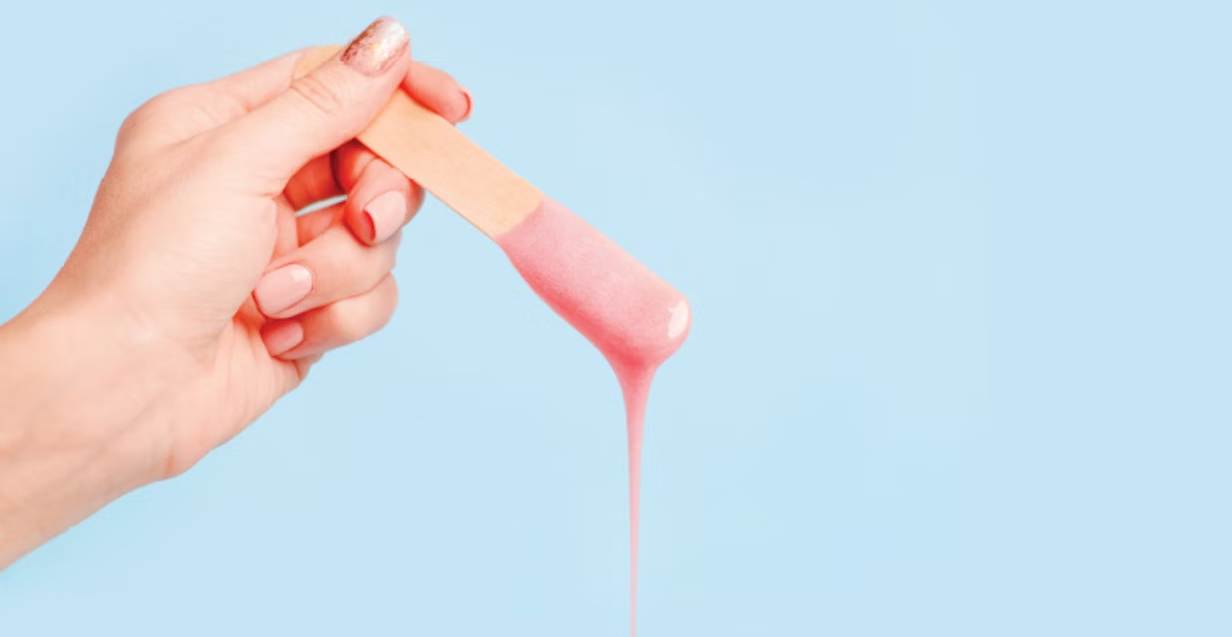
People mostly use two types of professional wax: hard wax and soft wax. Your choice should depend on the specific skin area to be treated. Hard wax is thick, applied warm, and strips off without paper; it perfectly suits sensitive and smaller areas like the bikini line or face. On the other hand, soft wax requires paper strips and is ideal for spreading across larger areas like the legs. Soft wax is highly efficient for large surface areas and is a bit more painful, but it is considerably less expensive than hard wax.

Part 3: How to Manage Regrowth After One Week?

How to Manage Regrowth After One Week?

You can significantly reduce rapid hair growth after waxing by implementing precise pre-care and post-care routines. Maintaining a structured skincare regimen and a consistent waxing schedule is essential to achieving synchronized hair cycles and a slower regrowth rate.

Essential Pre-Care Tips

  • Synchronize Your Cycle: Your hair should go through one complete growth cycle before your next appointment. This means establishing a mandatory gap of 3-4 weeks between sessions. However, if you have shaved recently, you can reduce this initial gap to 2-3 weeks to catch the staggered growth.
  • Open Up Pores: Taking a warm bath right before waxing will loosen your pores, allowing the wax to pluck the hair effortlessly from the root while reducing overall pain.
  • Exfoliate Pre-Wax: Mechanical exfoliation removes dead skin cells and sebum build-up. It allows shorter hairs to emerge completely above the skin line so the wax can grip them, preventing premature breakage. It is highly advised to exfoliate gently a day or two before your session.

Essential Post-Care Tips

  • Avoid Excessive Heat: You should not wet your skin frequently with warm water immediately after waxing, as the epidermis is highly sensitive. Avoid harsh chemicals, saunas, hot tubs, and heavy exercise for 24-48 hours post-session.
  • Routine Post-Wax Exfoliation: Regular exfoliation prevents dead skin from trapping new hairs, which lowers the risk of ingrowns and helps ensure that does waxing slow hair growth over time. Exfoliating twice a week is highly beneficial, but ensure you take a strict 2-day break immediately after waxing before starting.
  • Deep Hydration: Hydrate your skin daily to prevent itchiness, redness, and irritation. Applying lightweight, non-comedogenic creams and moisturizers will eliminate post-wax dryness and reinforce your protective skin barrier.

What to Absolutely Avoid Between Sessions

Because it takes a week or more for new hairs to breach the surface, many people resort to temporary fixes like shaving or tweezing before their next appointment. This is the worst thing you can do for your skin. These rapid surface hair removal methods completely disrupt your synchronized hair growth cycle. When you wax later, your hair will grow in highly irregular, asymmetric patterns, causing frustrating hair patches across different skin zones.


Additionally, avoid applying strong chemical exfoliants, artificial fragrances, or retinol products right before or after waxing. Doing so can cause severe chemical burns, post-inflammatory hyperpigmentation, or trigger conditions like eczema.

Part 4: What Are Some Excellent Alternatives to Waxing?

If you find that your skin cannot tolerate waxing or you are tired of dealing with waxing regrowth after 1 week, there are several alternative long-term and short-term hair removal options available on the market:

  • Shaving: While it is incredibly quick and inexpensive, shaving only cuts the hair at the surface. The results are extremely short-term, often leading to shadow stubble within 24 hours.
  • In-Clinic Laser & Electrolysis: These professional clinical methods provide permanent hair reduction. However, they are highly expensive, require strict clinic appointments, and take multiple sessions spanning several months to see visible results.

The Ultimate Alternative: At-Home IPL Hair Removal

You can choose other options if you cannot wax for any reason. There are many different options available.

Is there an alternative that is pocket-friendly, incredibly quick, entirely safe, and answers the ultimate question—does hair grow back after waxing permanently? Yes, an At-Home IPL (Intense Pulsed Light) hair removal device can solve your grooming frustrations and rid your body of stubborn hair permanently.


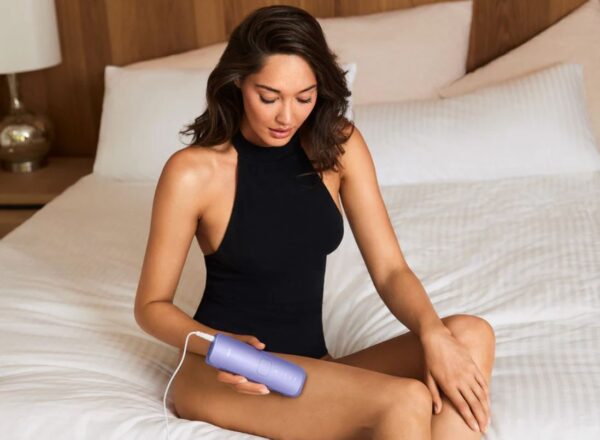
Unlike temporary waxing, IPL nearly painlessly emits broad-spectrum light that targets the melanin inside the hair follicles. This light converts to heat, safely destroying the hair bulb at its base and disrupting the active growth cycle for an extended duration. Over regular sessions, IPL successfully ensures that does waxing reduce hair regrowth pale in comparison to permanent light-based follicle suppression, giving you months of continuously silky-smooth, hair-free skin without the painful salon visits.

Part 5: Frequently Asked Questions (FAQs)

Q1: How long does hair take to grow back after waxing, and is 1 week of regrowth normal?

On average, hair takes about 3 to 6 weeks to grow back fully after a successful professional wax. However, experiencing noticeable waxing regrowth after 1 week is incredibly common, especially for beginners or those transitioning from shaving. This quick regrowth occurs because your individual body hairs are always in different stages of the hair growth cycle. Hairs that were in the dormant telogen phase during your appointment will emerge just days later. If you want a more permanent solution that entirely bypasses this staggered regrowth, switching to an advanced at-home option like the Ulike IPL Hair Removal Device is highly recommended. Ulike targets follicles directly to stop regrowth in its tracks.

Q2: Does waxing reduce hair regrowth or permanently slow down hair growth over time?

Yes, it does! Consistent, long-term waxing can damage the hair bulb, which answers the consumer question: does waxing reduce hair regrowth and does waxing slow hair growth with a definitive yes. Over months of routine waxing, hairs tend to grow back much finer, sparser, and softer. However, this progress is instantly ruined if you shave between sessions. For those who want faster, pain-free, and clinically proven hair reduction without waiting years for waxing damage, the Ulike IPL Device offers a superior alternative, safely disabling hair follicles from the comfort of your home.

Q3: What should I expect regarding hair growth after waxing a sensitive area like a Brazilian?

Seeing stubble just 1 week after a Brazilian wax is a frequent concern. The pubic region features some of the thickest, deepest roots on the human body, meaning its growth cycle can be highly irregular. For a comprehensive breakdown of intimate hair care and growth phases, check out the detailed Starpil Wax Guide to Hair Growth. To avoid the intense pain and regular stubble associated with intimate waxing, many dermatologists suggest adopting a painless Sapphire ice-cooling solution, like the technology found in Ulike's at-home devices, which keeps the skin comfortable while safely eliminating thick hair.

Q4: How long does waxed hair take to grow back compared to alternative method results?

While shaving lasts only 1-3 days, a proper wax can keep skin smooth for up to 3-4 weeks before significant hair growth after waxing becomes visible. According to clinical data on modern hair removal on Healthline's Waxing Guide, individual genetics, hormonal levels, and climate play massive roles in how fast does hair grow back after waxing. If you are looking for long-lasting smoothness that far outlasts waxing's 4-week limit, utilizing a light-based system like Ulike IPL will effectively extend your hair-free periods, completely changing your personal care routine.

Q5: Does hair grow back after waxing in different patterns if I break my routine?

Yes. If you disrupt your regular schedule by shaving or tweezing between appointments, you reset random follicles. This forces hairs to grow in un-synchronized, patchy patterns, making future wax sessions far less effective and increasing waxing regrowth after 1 week. To maintain immaculate results, read through the expert tips listed on Waxing The City's Professional Guide. Alternatively, if you want a flexible routine where shaving is actually required as part of the prep work, transitioning to the Ulike IPL Hair Removal system eliminates the frustrating 'grown-out' phase required by salon waxing entirely.

Previous
Can I Pluck My Pubic Hair? Is Plucking Pubic Hair Dangerous?
Next
Can I Swim After Laser Hair Removal?
Share:
IPL Body Hair Removal: What to Expect Before You Start

IPL Body Hair Removal: What to Expect Before You Start

IPL body hair removal works gradually, with at-home devices gentler than clinic treatments. Resul...
May 27, 2026
How to Remove Body Hair Safely at Home Without Irritation
How to Remove Body Hair Safely at Home Without Irritation

Safe body hair removal at home starts with the right method, patch tests, and gentle aftercare. R...
May 26, 2026
Body Hair Removal Methods: How to Choose the Right One

Body Hair Removal Methods: How to Choose the Right One

Compare body hair removal methods by pain, cost, results, and upkeep, with tips for sensitive ski...
May 25, 2026

Need guidance?

Get a free one-on-one consultation

TALK TO AN EXPERT

Explore Beauty

Purple laser hair remover with Ulike branding and awards on a white background

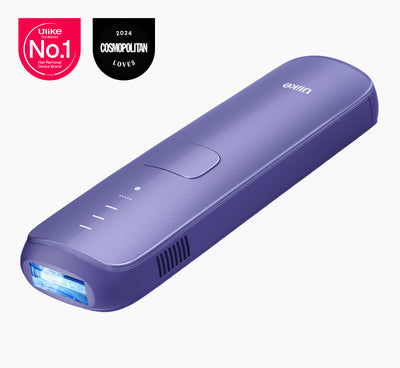
Ulike Air 10

2 weeks to silky smooth skin.

96% Hair Density Reduction in 2 Weeks
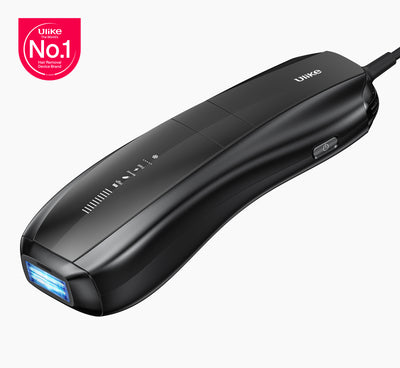
Ulike Air 3

3 weeks to silky smooth skin.

93% Hair Density Reduction in 4 Weeks
Ulike X

3 weeks to silky smooth skin.

94% hair reduction in just 2 weeks*
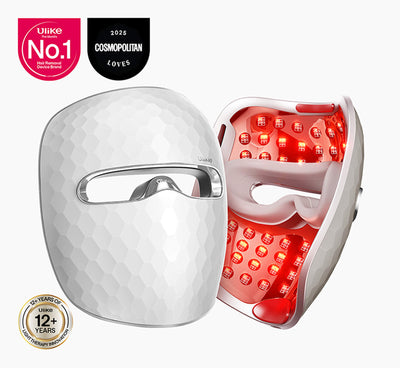
Ulike Reglow LED face mask red light therapy device

Ulike Reglow

Clearer skin in 2 weeks: Fewer breakouts
Smoother skin in 4 weeks: Fewer lines, firmer feel

Leave a comment

All comments are moderated before being published.

Back to top