



Hair Removal
What Skin Type Is Best for IPL Hair Removal Devices?
Tired of shaving on the regular just to have stubble return with a vengeance? You're not alone. Many women dream of an easier, long-lasting solution to unwanted hair but lack the time or money for permanent salon treatments. An at-home IPL hair removal device may just be the solution you've been dreaming of. IPL (Intense...
Jul 30, 2026
Share:

Table of Contents
Tired of shaving on the regular just to have stubble return with a vengeance? You're not alone. Many women dream of an easier, long-lasting solution to unwanted hair but lack the time or money for permanent salon treatments.
An at-home IPL hair removal device may just be the solution you've been dreaming of. IPL (Intense Pulsed Light) harnesses the power of light energy to destroy hair follicles and slow hair growth, so skin stays smoother longer. But there's a catch: skin tone and hair color determine how well it works and how safe it is.
We’ll walk through which skin types respond best, and give tips for keeping safe if you’re considering trying it.
How Does an IPL Hair Removal Device Work With Your Skin
An IPL device works by emitting quick flashes of light to areas with unwanted hair. The light energy is absorbed by dark pigment in the hair shaft, delivered to the follicle, and converted to heat, which damages hair growth cells over time.
If you have fair skin and darker hair, much of the light is absorbed by the hair, not the skin. That’s why the contrast between skin and hair matters so much.
For a more in-depth explainer on settings, safety, and results for all skin tones, you can take a look at our IPL hair removal ultimate guide.

Photo by Orhun Rüzgar ÖZ
IPL is designed to target hair, which means it requires hair to be present at the time of treatment. So you can't wax or pluck if you're about to do IPL. Instead, you should shave before treatments to remove excess hair while ensuring there's enough length for IPL to reach.
Most at-home device manufacturers recommend bi- or triweekly treatments over the course of a few months followed by monthly touch-ups. Correct and consistent use typically yields a significant reduction in hair growth.
The Fitzpatrick Scale: Why It Matters When Charting IPL Skin Types
Dermatologists and aestheticians use the Fitzpatrick scale to categorize skin types on a scale of one to six. Placement on the scale depends on the melanin in your skin and how it responds to sun exposure.
| Fitzpatrick Type | Skin Color | Reaction to Sun |
| I | Very pale; typically blonde or red hair | Always burns, never tans |
| II | Fair, white | Likely burns, can tan |
| III | Medium to olive | Tans gradually and mildly |
| IV | Olive | Rarely burns, always tans |
| V | Light brown | Very rarely burns, always tans |
| VI | Dark brown or black | Never burns, always tans |
To determine whether IPL is suitable for your skin, figure out which Fitzpatrick type matches your skin tone. Then, compare that to what's recommended by your device manufacturer or IPL practitioner.
Perfect Candidates: Who Sees the BestGreatest IPL Results?
If you are Fitzpatrick type I, II, or III with dark brown/black hair, you’re in the IPL sweet spot.
Lighter skin has less melanin to absorb IPL energy, leaving more to go where it's meant: unwanted hair. This translates to more targeted treatment, better heat delivery to the follicle, and better reduction in hair growth for longer.
People who fall within this Fitzpatrick range typically experience a 70% to 90% decrease in hair density after a full IPL treatment cycle. Legs, underarms, and bikini lines are particularly receptive.
Type IV (olive or light brown skin) may fare well too, as long as hair is distinctly darker than skin. Perhaps lower intensity and more patience will be required, but with following the instructions closely you can also achieve good results.
Darker Skin Tones and IPL: What You Need to Know
IPL's a bit more complicated for Fitzpatrick types V and VI. Since dark skin contains more melanin, it absorbs more IPL energy. This increases the risk of burning, blistering, or hyper-/hypopigmentation (dark/light patches of skin).
Some clinic lasers — Nd:YAG, for example — are made to be safer on darker skin. They use a wavelength that penetrates deeper into the skin than IPL devices.
If your skin is very dark brown or black, seek advice from a professional and weigh up options such as professional laser, waxing, or electrolysis rather than home IPL. You can also check out our guide to laser hair removal for all skin tones to compare options.
Why Hair Color Is as Important as Skin Type
IPL can't distinguish between melanin in hair versus skin, so contrast is key. The ideal candidate for IPL has:
-
Light to medium skin
-
Dark brown or black hair
Blonde, red, gray, and white hair have too little pigment for IPL to work. In that case, the light on the device might not do much for you even if your skin is on the lighter side.
Think of it as trying to use a yellow highlighter on a line of yellow text and a line of black text. Just as the black text is much easier to see, dark hair on light skin is much easier for an IPL device to "see."
Safety Checklist Before Trying IPL Hair Removal at Home
Before you begin zapping, go through this checklist.
-
Test your device on a small patch of skin a day before treatment.
-
No sun exposure, including artificial tanning or self-tanner, for at least 48 hours before and after treatment.
-
Shave the treatment area; don't wax or epilate.
-
Never use IPL near tattoos, moles, or open cuts or wounds
, otherwise, it will cause you harm. -
If you are pregnant, taking blood thinners, or on acne medication like isotretinoin, consult with a doctor first.
Selecting The Best IPL Hair Removal Device For Your Skin Type
Not all IPL models are for everyone. When you shop, look for:
-
A built-in skin tone sensor. It will detect whether your skin tone is too dark for safe treatment. Some may auto-adjust the intensity to deliver the optimal of energy based on your skin tone.
-
Multiple intensity levels. This allows for versatility across the face and body.
-
Clear guidelines from the manufacturer about what Fitzpatrick types the device is safe for
-
Cooling technology for comfort. Sessions can get hot otherwise.
As of this writing, most of the newly released devices in 2025 are FDA cleared and include smart skin-sensing technology. And to make sure you get the most bang for your buck, consider the device's flash count, too. A higher flash count typically translates to a longer lifespan, which means less cost per use.
Advice for Students
IPL isn't a one-and-done solution. It takes time and scheduling. For students balancing class and work, finding the right self-care routine isn't always easy. But it is a must. To help you plan and stay motivated, here's a breakdown of what to expect.
-
Weeks 1–3: Treated hair continues to grow but is finer
-
Weeks 4–8: Less hair regrows; bald patches begin to form around periphery
-
Week 9+: Significant reduction in growth; reduced frequency in shaving
Spread your sessions out over each week and schedule them according to your class schedule, tests, and extracurriculars.
Staying consistent trumps going for the highest power level. Applying medium strength treatments regularly works better over time than a blast that you forget to do more than once or twice.
Final Thoughts
The ideal candidate who will get the most benefit from an at-home IPL hair removal system has light to medium skin (Fitzpatrick I–III, and IV for some devices) and naturally dark hair. That combination provides more contrast, faster results, and lower chance of side effects.
It’s worth noting that darker skin tones require greater caution, and some people are better off seeking professional treatments or utilizing other methods. Regardless of your skin type, begin with a patch test, adhere to the manufacturer's safety guidelines, and select a device suited to your tone.
Smooth, low-maintenance skin is attainable, but it begins with understanding your hair and skin. So, if IPL is right for you, do your research and choose a device that fits your time, your budget, and your skin.
The 10 Best Laser Devices for Men’s Body Hair Removal at Home
Do People Ever Regret Laser Hair Removal? A Clear Look at Why It Happens
Share:
Featured Products

Ulike Air 10
2 weeks to silky smooth skin.
96% Hair Density Reduction
The next-generation in simple,
lasting hair removal.
$259.00 $349.00

Best Underarm Hair Removal Options: What Should You Choose?
Underarm hair is natural, and removing it is a personal choice rather than a hygiene requirement...
Sep 1, 2026
How Much Is Electrolysis Hair Removal? Let’s Break It Down
If you are wondering, “How much is electrolysis hair removal?”, the short answer is that price d...
Aug 31, 2026
Laser to Remove Ingrown Hair: Does It Really Work?
Let’s start with the frustrating part: an ingrown hair can return even when you shave carefully,...
Aug 31, 2026

Explore Beauty
Ulike Air 10
2 weeks to silky smooth skin.
96% Hair Density Reduction in 2 Weeks
Ulike Air 3
3 weeks to silky smooth skin.
93% Hair Density Reduction in 4 Weeks
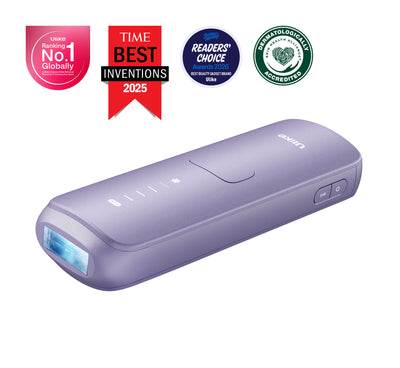
Ulike Air 4
4 weeks to silky smooth skin.
95.8% hair reduction in just 2 weeks*
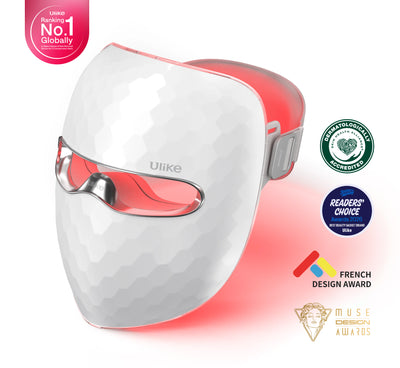
Ulike Reglow
Clearer skin in 2 weeks: Fewer breakouts
Smoother skin in 4 weeks: Fewer lines, firmer feel