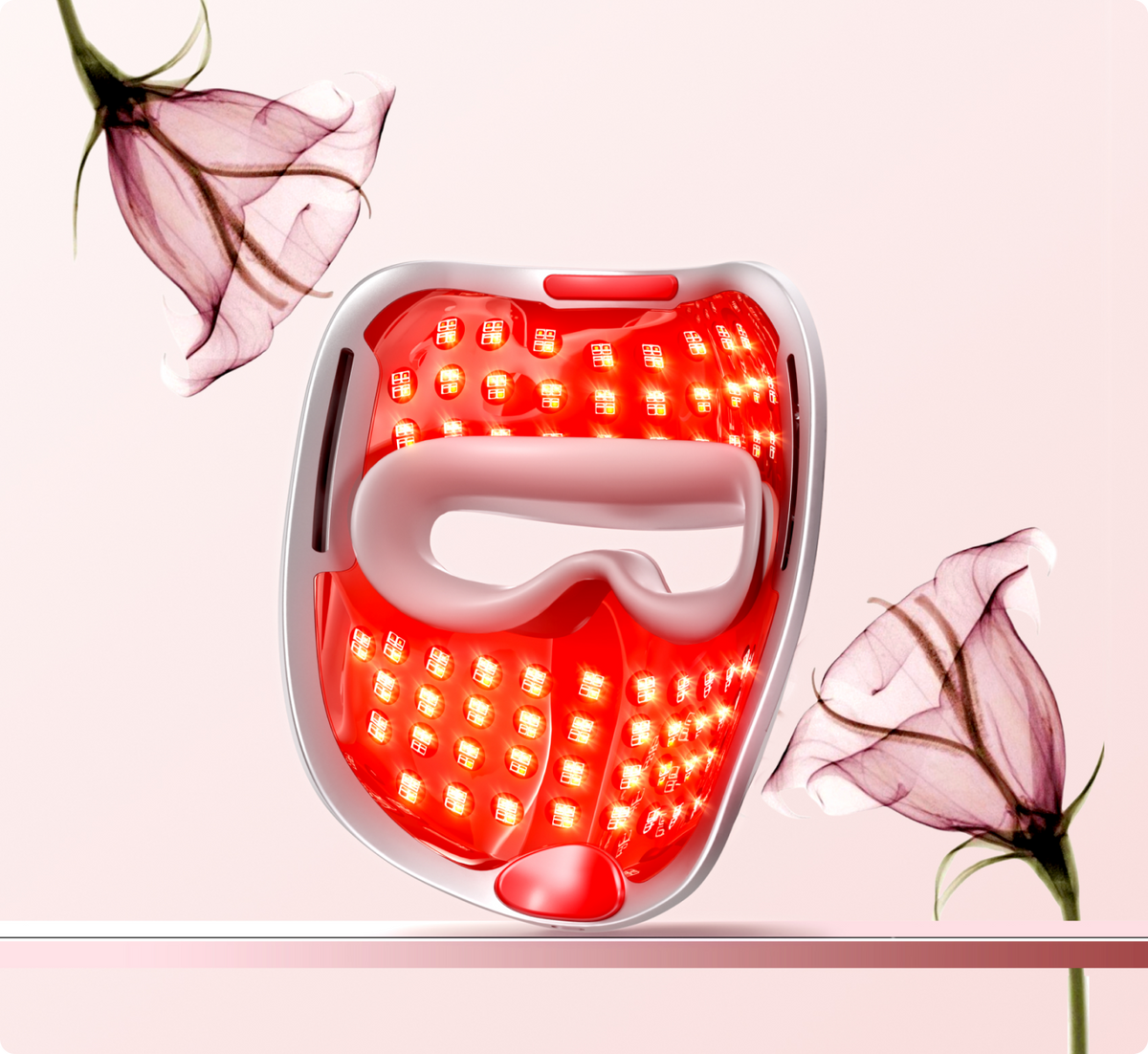
 Ulike ReGlow Pro★ 5.0 (511)




-
FDA cleared means a device passed a specific regulatory review (often the 510(k) pathway).
-
FDA registered only means a facility is registered — it doesn't evaluate the product itself.
-
"Clinically proven" has no strict legal definition and should be checked for specifics.
-
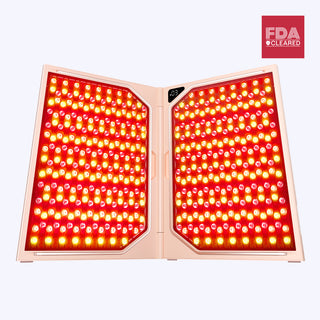
Ulike ReGlow is FDA cleared for full face wrinkles and mild to moderate inflammatory acne.
FDA cleared. FDA registered. Clinically proven. These three phrases show up on almost every LED mask product page, and marketing copy often uses them as if they mean the same thing. They don't. Understanding what does FDA cleared mean — and what it doesn't — can save you from paying a premium for a claim that sounds more official than it actually is.
This isn't just semantics. The gap between these terms can mean the difference between a device that has actually demonstrated safety and effectiveness data to a federal regulator, and one that has simply filled out a basic administrative form. Knowing how to tell them apart is one of the most useful skills you can bring to shopping for any at-home medical or skincare device, not just LED masks.

Table of Contents:
- Part 1: What Does "FDA Cleared" Actually Mean?
- Part 2: FDA Registered Is a Much Lower Bar
- Part 3: What About "Clinically Proven"?
- Part 4: Why This Distinction Matters for Your Wallet, Not Just Your Skin
- Part 5: FDA Cleared vs. FDA Registered vs. Clinically Proven
- Part 6: A Quick Checklist Before You Buy
- Part 7: Where Ulike ReGlow Stands on Certification
- Part 8: How to Look Up a Device's FDA Clearance Yourself
- Part 9: What Happens If a Company Misrepresents FDA Status?
- Part 10: How Regulatory Standards Differ Outside the United States
- Part 11: Building a Personal Verification Habit for Any Health Device
- Part 12: A Real Example: How ReGlow Documents Its FDA Clearance and Certifications
- Part 13: Conclusion
- Part 14: Frequently Asked Questions
Part 1: What Does "FDA Cleared" Actually Mean?
What FDA Clearance Actually Requires
FDA clearance refers to a specific regulatory process, most commonly the 510(k) premarket notification pathway. To receive FDA 510(k) clearance, a manufacturer must demonstrate that their device is "substantially equivalent" to another legally marketed device with a similar intended use. This process requires submitting technical data and safety information — it is not a rubber stamp, and it requires a legitimate regulatory submission and review.
What Claims Clearance Actually Covers
For LED face masks, FDA clearance typically applies to specific claims, such as treating fine lines and wrinkles or reducing mild to moderate inflammatory acne. If a device is FDA cleared, that clearance is tied to those specific claims, not to every possible benefit the brand markets on its site. A device might be cleared for wrinkle treatment but make additional, unregulated claims about things like "boosting radiance" or "improving overall skin health" that fall outside the scope of what was actually reviewed.
Part 2: FDA Registered Is a Much Lower Bar
The Lower Bar of FDA Registration
This is where a lot of confusion — and a fair amount of misleading marketing — comes in. "FDA registered" simply means a company has registered its manufacturing facility with the FDA, which is a basic administrative requirement for many device makers. It says nothing about whether the specific product has been evaluated for safety or effectiveness. A device can be FDA registered without ever going through the clearance process required to legally make specific therapeutic claims.
A Warning Sign Worth Noticing
If a brand only advertises "FDA registered" and avoids the word "cleared," that's worth noticing. It doesn't necessarily mean the product is unsafe, but it does mean it hasn't cleared the same regulatory bar as a 510(k) cleared device. Some brands intentionally use "FDA registered" phrasing precisely because it sounds similarly official to "FDA cleared," even though the underlying meaning is far weaker.
Part 3: What About "Clinically Proven"?
Unlike FDA clearance, "clinically proven" isn't a regulated term with a strict legal definition. It can refer to anything from a rigorous, independently reviewed study to a small internal survey run by the brand itself. When you see this phrase, it's worth asking: proven by whom, on how many people, for how long, and was it published anywhere researchers outside the company could review it?
This isn't to say clinical testing doesn't matter — it absolutely does, and it's one of the more meaningful ways to differentiate serious devices from gimmicks. The American Academy of Dermatology notes that red light therapy is generally considered safe and supported by research, but also points out that at-home devices vary significantly in how well they're tested — which is exactly why the specifics behind a "clinically proven" claim matter more than the phrase itself.
Part 4: Why This Distinction Matters for Your Wallet, Not Just Your Skin
Devices with genuine FDA clearance and documented clinical testing tend to cost more to develop and bring to market, which is often reflected in retail price. Understanding the difference between these labels helps you evaluate whether a premium price tag is backed by real regulatory and scientific investment, or whether a cheaper "FDA registered" device is simply skipping the more rigorous (and expensive) clearance process — which may or may not matter to you depending on your priorities, but is worth knowing either way.
Part 5: FDA Cleared vs. FDA Registered vs. Clinically Proven
These three phrases are often confused but mean very different things:
| Term | What It Actually Means | How to Verify |
|---|---|---|
| FDA Cleared | Device reviewed and cleared for specific claims | Search the FDA's public 510(k) database |
| FDA Registered | Facility registered with FDA (administrative only) | Doesn't confirm product safety/efficacy |
| Clinically Proven | No fixed legal definition | Ask for study size, review status, publication |
Part 6: A Quick Checklist Before You Buy
- Look for "FDA cleared," not just "FDA registered," if you want a device with proven, specific claims
- Ask what condition or claim the clearance actually covers
- Check whether "clinically proven" links to a real, described study — not just a marketing phrase
- Look for third-party safety certifications like SGS testing alongside FDA status
- Be cautious of devices that only ever say "FDA compliant" without specifying clearance
Part 7: Where Ulike ReGlow Stands on Certification
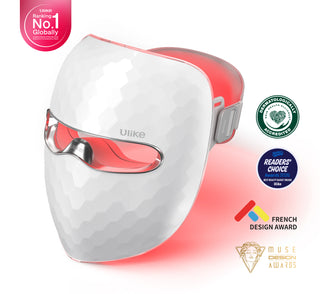
The Ulike ReGlow LED Light Therapy Mask is an FDA cleared device intended for the treatment of full face wrinkles and mild to moderate inflammatory acne, backed by Dr. Michael R. Hamblin, a recognized pioneer in light therapy research. It's also certified by SGS, one of the world's leading independent testing and certification companies, and holds Skin Health Alliance certification for its safety standards — giving you more than a single marketing phrase to evaluate.
If certification and safety documentation are a priority for you, it's worth comparing this information across the wider Ulike LED light therapy devices lineup before making a decision.

Part 8: How to Look Up a Device's FDA Clearance Yourself
You don't have to take a brand's word for its FDA clearance status. The FDA maintains a public, searchable database of 510(k) clearances where you can look up a specific device or manufacturer by name and see the actual clearance documentation, including what specific claims were reviewed and approved. This takes a few extra minutes but removes any ambiguity about whether a device truly holds the clearance it claims.
When searching, look for the manufacturer's legal business name (which may differ slightly from the consumer brand name) and check that the clearance description matches the claims being made in marketing materials. If you can't find a matching entry, that's worth following up on directly with the company before purchasing, rather than assuming clearance based on packaging language alone.
Part 9: What Happens If a Company Misrepresents FDA Status?
Falsely claiming FDA clearance for a device that hasn't received it is a serious regulatory violation, and the FDA does take enforcement action against companies that misrepresent their regulatory status, including warning letters and, in more serious cases, product seizures or import bans. This regulatory risk is part of why most legitimate brands are careful and precise about how they describe their FDA status — the consequences of misrepresentation are significant enough that reputable companies have strong incentives to get this right.
As a consumer, this means outright fraudulent FDA claims are relatively rare among established brands, but vague or intentionally ambiguous language (like "FDA compliant" without further detail) remains common and isn't technically dishonest — just less informative than a specific, verifiable "FDA cleared" claim tied to a documented submission.
Part 10: How Regulatory Standards Differ Outside the United States
If you're shopping from outside the U.S., it's worth knowing that FDA clearance is specifically a U.S. regulatory designation. Other regions have their own equivalent processes — CE marking in the European Union, TGA approval in Australia, and similar frameworks elsewhere — each with its own specific requirements and review standards. A device marketed primarily for the U.S. market may hold FDA clearance without necessarily holding every international equivalent, and vice versa, so it's worth checking for the specific regulatory marking relevant to your own region rather than assuming all certifications are interchangeable.
Part 11: Building a Personal Verification Habit for Any Health Device
The FDA clearance and certification concepts discussed in this article apply well beyond LED masks — the same verification habits are useful any time you're evaluating an at-home health or wellness device, from teeth whitening tools to muscle stimulators to other skincare technology. Building the habit of checking regulatory status, searching for the specific claims a clearance actually covers, and looking for independent testing certifications is a transferable skill that will serve you across many future purchasing decisions, not just this one category.
One more thing worth keeping in mind: regulatory clearance, while meaningful, isn't the only factor in a good purchasing decision. A device can be legitimately FDA cleared and still not be the right fit for your specific skin concern, budget, or lifestyle. Use certification status as one important filter among several, alongside the practical considerations (comfort, portability, mode variety) discussed throughout the rest of this content series.
Combining a healthy dose of regulatory literacy with realistic expectations about what any device — however well-certified — can and can't do is ultimately the most reliable path to a purchasing decision you'll feel good about months down the line, well after the initial excitement of a new gadget purchase has worn off.
Part 12: A Real Example: How ReGlow Documents Its FDA Clearance and Certifications
Rather than relying on vague language, Ulike documents ReGlow's regulatory and safety status with specific, named certifications: the device is FDA cleared for the treatment of full face wrinkles and mild to moderate inflammatory acne, certified by SGS (a globally recognized independent testing and certification company) based on specific report numbers, and certified by the Skin Health Alliance for its skin safety standards. This layered documentation — regulatory clearance plus two separate independent certifications — is a stronger evidentiary basis than any single claim standing alone.
This kind of multi-layered documentation is exactly what this article recommends looking for: not just one certification claimed in isolation, but multiple, independently verifiable sources of evidence supporting the same underlying safety and efficacy claims.
Part 13: Conclusion
FDA clearance is a meaningfully higher bar than FDA registration, and any "clinically proven" claim should always be backed by checkable, specific data rather than marketing language alone. The Ulike ReGlow LED Light Therapy Mask holds FDA clearance in addition to SGS and Skin Health Alliance certification, giving it more than a single unverifiable claim to stand on.
If you're trying to verify whether a specific FDA cleared LED mask claim is legitimate, or trying to understand FDA cleared vs FDA registered vs FDA registered vs cleared difference, start by asking a simple question: is red light therapy FDA approved for the specific claim being made, or just generally associated with the category? An FDA cleared skincare device is a meaningfully different thing from a clinically proven LED mask claim with no supporting data.
For anyone specifically trying to confirm is my LED mask FDA cleared, checking the FDA's public database against the manufacturer's stated LED mask certifications is the most reliable path — far more reliable than trusting red light therapy regulation language alone. Look for FDA 510k LED mask documentation and independent LED mask safety certification for the fullest picture.
Part 14: Frequently Asked Questions
Q1: Is FDA cleared better than FDA registered?
Yes. FDA clearance (typically via the 510(k) pathway) requires the manufacturer to show the device is safe and effective for specific claims. FDA registration only means a facility is registered with the agency — it doesn't evaluate the product itself.
Q2: Does FDA clearance mean a device is guaranteed to work?
FDA clearance means a device has been reviewed and found substantially equivalent to an already-approved device for specific claims. It's a strong safety and efficacy signal, but individual results can still vary.
Q3: What should I check before trusting a "clinically proven" claim?
Look for details on the study size, duration, and whether it was independently reviewed, rather than taking the phrase at face value.
Q4: Is Ulike ReGlow FDA cleared?
Yes, Ulike ReGlow is an FDA cleared device intended for the treatment of full face wrinkles and mild to moderate inflammatory acne, and it is also SGS-certified for safety testing.
Q5: Why do some brands only say "FDA registered" instead of "FDA cleared"?
This is sometimes a deliberate marketing choice, since "FDA registered" sounds official but reflects a much lower regulatory bar than actual FDA clearance for specific claims.
Q6: Is Ulike ReGlow both FDA cleared and independently certified?
Yes, ReGlow is FDA cleared for full face wrinkles and mild to moderate inflammatory acne, and is separately certified by both SGS and the Skin Health Alliance.
Q7: What is the Skin Health Alliance certification?
It's an independent certification confirming a device meets specific skin safety standards, which Ulike ReGlow has obtained in addition to its FDA clearance and SGS testing certification.