



Can Red Light Therapy Help with Rosacea and Sensitive Skin?

-
Red light therapy is generally considered gentle since it skips exfoliation and harsh chemicals.
-
Blue light carries a somewhat higher risk of triggering reactions in reactive skin.
-
Always patch test on the inner arm for 3-5 minutes before full-face use.
-
Consult a dermatologist first if you're on prescription rosacea treatment.
If your skin flushes easily, reacts to new products, or deals with persistent redness, trying a new device can feel risky. But red light therapy for rosacea and reactive skin is actually one of the gentler categories of skincare technology — when used correctly. Here's what to know before adding an LED mask to a sensitive-skin routine.
Rosacea in particular is a condition where the wrong treatment can genuinely make things worse, which is exactly why the specifics of how a device is used matter more here than in almost any other skin concern discussed on this blog. Getting the details right — wavelength, frequency, and professional guidance — is the difference between a helpful addition to your routine and an unnecessary flare-up.

Table of Contents:
- Part 1: Why Red Light Therapy Is Considered Gentle on Reactive Skin
- Part 2: What the Research Says About Red Light and Redness
- Part 3: How to Try Red Light Therapy If You Have Rosacea
- Part 4: Building a Broader Sensitive-Skin Routine Around Light Therapy
- Part 5: Wavelength Sensitivity Guide for Reactive Skin
- Part 6: How Ulike ReGlow Approaches Sensitive, Reactive Skin
- Part 7: Common Rosacea Triggers Beyond Skincare
- Part 8: How to Talk to Your Dermatologist About Adding Light Therapy
- Part 9: Building Confidence Slowly With a New Device
- Part 10: Recognizing the Difference Between Rosacea Flares and Normal Skin Response
- Part 11: ReGlow's Documented Approach for Sensitive Skin Users
- Part 12: Ulike's Documented Advice From a Board-Certified Dermatologist
- Part 13: Conclusion
- Part 14: Frequently Asked Questions
Part 1: Why Red Light Therapy Is Considered Gentle on Reactive Skin
Why Red Light Is Considered Gentle
Unlike exfoliating acids, retinoids, or in-office procedures that work by actively resurfacing or disrupting the skin, red light therapy doesn't involve any physical exfoliation or chemical exposure. It simply delivers light energy to skin cells. This non-abrasive mechanism is part of why red light therapy inflammation support is often recommended as a lower-irritation option for people whose skin doesn't tolerate stronger actives well.
That said, "gentle" doesn't mean "risk-free for everyone." Rosacea and reactive skin conditions vary widely from person to person, so professional guidance is still the safest starting point. Some people with rosacea find that any heat sensation, even mild warmth from near-infrared light, can trigger a temporary flush, which is a reminder that individual tolerance varies even within a single diagnosis.
Part 2: What the Research Says About Red Light and Redness
What the Research Says About Redness
Visible light wavelengths, including red and adjacent colors, have been studied for their role in calming the appearance of inflammation and redness. A study referenced on PMC discusses how these wavelengths can support a calmer, more even-looking complexion, which is part of why red light is a common feature in devices marketed toward LED mask sensitive skin use cases.
The American Academy of Dermatology also notes that unlike UV light, red light therapy hasn't been linked to increased skin cancer risk and is generally considered safe for short-term use, though individual reactions can vary — which is exactly why a patch test matters, especially for anyone managing a chronic inflammatory skin condition like rosacea.
Part 3: How to Try Red Light Therapy If You Have Rosacea
- Talk to your dermatologist before starting, especially if you're on prescription rosacea treatment
- Patch test on a small area of skin for a few sessions before doing a full-face treatment
- Start with shorter session times than recommended and build up gradually
- Avoid combining your first sessions with new actives, exfoliants, or retinoids
- Watch for any increase in flushing, stinging, or heat sensation and stop if it occurs
It's also worth noting that different wavelengths carry different risk profiles. Blue light, for example, is associated with a higher risk of triggering reactions in some sensitive or deeper skin tones than red or infrared light, so understanding which wavelength your mask uses in each mode matters more than treating "LED light" as one single category.
Part 4: Building a Broader Sensitive-Skin Routine Around Light Therapy
Light therapy works best as one piece of a broader sensitive-skin strategy, not a standalone fix. Fragrance-free cleansers, gentle barrier-supporting moisturizers, mineral sunscreen, and avoiding known personal triggers (heat, alcohol, spicy foods, for some people) all remain foundational for rosacea management. Red light therapy can complement these habits by supporting a calmer-looking complexion, but it isn't a substitute for identifying and managing your specific triggers.
Part 5: Wavelength Sensitivity Guide for Reactive Skin
Not all wavelengths carry the same risk profile for reactive or rosacea-prone skin:
| Wavelength | General Risk Level | Recommendation |
|---|---|---|
| Red (~630nm) | Low | Generally well tolerated |
| Infrared (~830nm) | Low | Generally well tolerated; some feel warmth sensitivity |
| Yellow (~590nm) | Low | One of the gentlest options |
| Blue (415-465nm) | Moderate | Patch test first; avoid during flare-ups |
Part 6: How Ulike ReGlow Approaches Sensitive, Reactive Skin
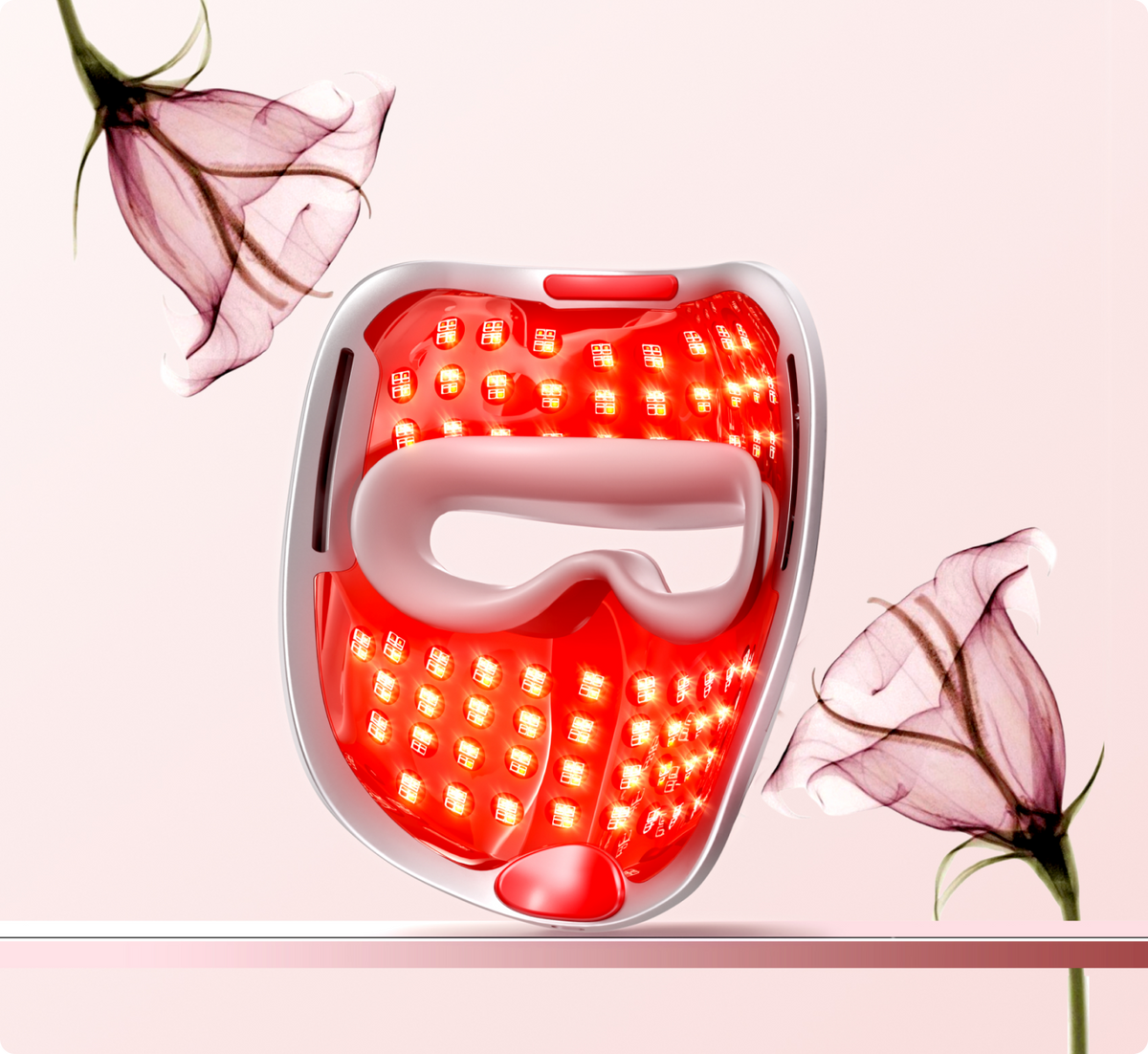
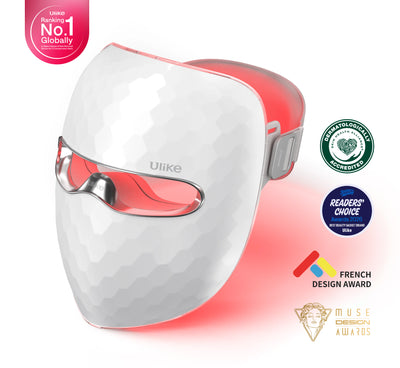
The Ulike ReGlow LED Light Therapy Mask offers a Rejuvenate Mode that blends yellow and infrared light specifically to strengthen the appearance of the skin barrier and calm an uneven, easily stressed complexion — without involving blue light, which some reactive skin types prefer to avoid. ReGlow also maintains a 1cm gap between its LEDs and the skin to reduce thermal irritation, and its silicone eye mask and 4D ergonomic design are built for comfort during longer sessions. Ulike's own guidance confirms individuals with sensitive skin can generally use the device, with one specific caveat: avoid Clear Mode (which includes blue light) during sensitive-skin periods, while the other three modes remain suitable for use. Ulike also recommends a simple patch test before full-face use — testing on the inner arm for 3-5 minutes and checking for irritation over the following 24 hours.
If sensitivity is a top concern, it's worth comparing Rejuvenate Mode against the other options across the Ulike LED light therapy devices collection, and always start slowly regardless of which device you choose.

Part 7: Common Rosacea Triggers Beyond Skincare
Rosacea management typically involves looking well beyond skincare products and devices. Common triggers reported by many people with rosacea include sun exposure, hot beverages, spicy foods, alcohol, extreme temperatures, stress, and certain forms of exercise. Identifying and moderating your own personal triggers — which vary significantly from person to person — is often considered just as important as any topical or light-based treatment in managing visible symptoms over time.
Keeping a simple journal noting flare-ups alongside recent activities, foods, or weather conditions can help identify patterns that are specific to you, since rosacea triggers are notoriously individual. This particular kind of tracking can also help you and your dermatologist evaluate whether a new addition to your routine, like red light therapy, is genuinely helping or coinciding with unrelated trigger avoidance.
Part 8: How to Talk to Your Dermatologist About Adding Light Therapy
When bringing up red light therapy with your dermatologist, it helps to come prepared with specifics: the exact wavelengths the device uses, the recommended session length and frequency, and whether the mode you're considering includes blue light (which some rosacea-prone skin types are advised to avoid). This level of detail allows your dermatologist to give you more precise guidance than a general "is red light therapy okay for rosacea" question would.
It's also worth asking specifically whether any current prescription treatments you're using (such as topical or oral rosacea medications) have any known interactions with light-based treatments, since this is exactly the kind of nuanced, individualized question a dermatologist is best positioned to answer.
Part 9: Building Confidence Slowly With a New Device
For anyone managing rosacea or reactive skin, building trust in a new device often matters as much as the device's actual specifications. Give yourself permission to go slowly — a handful of short, low-frequency sessions over several weeks before committing to a regular routine isn't overly cautious, it's a reasonable way to build genuine confidence that a new addition to your routine is a good fit for your specific skin before relying on it consistently.
Part 10: Recognizing the Difference Between Rosacea Flares and Normal Skin Response
Because both rosacea flares and the mild, expected pinkness some people notice immediately after any facial treatment can look superficially similar, it helps to know what's typical. A brief, mild flush that fades within 15-30 minutes after a session is generally considered a normal, expected response to increased blood flow, not a cause for concern. A flare that persists for hours, intensifies rather than fades, or comes with new stinging, swelling, or bumps is more consistent with an actual reaction and warrants pausing use and consulting your dermatologist.
Keeping a simple record of how your skin responds in the hours and days following your first several sessions — not just during the session itself — gives you and your dermatologist much more useful information than trying to recall your skin's reaction from memory days or weeks later, especially if you're trying to determine whether light therapy specifically triggered a change versus an unrelated trigger from earlier in the day.
If you do experience a genuine flare, it doesn't necessarily mean red light therapy is permanently off the table for you — it may simply mean starting even more conservatively (shorter sessions, less frequent use, red-light-only modes) under closer dermatologist supervision before trying again.
Part 11: ReGlow's Documented Approach for Sensitive Skin Users
Ulike's product guidance directly addresses the sensitive-skin question discussed earlier in this piece: individuals with sensitive skin can generally use ReGlow, with one specific caveat — avoiding Clear Mode (which includes blue light) during sensitive-skin periods, while the other three modes (Firm, Rejuvenate, and Glow) remain suitable. Ulike also recommends a specific patch-test protocol before full-face use: testing on the inner arm for 3-5 minutes with any mode, then checking for irritation over the following 24 hours before proceeding to facial use.
This particular kind of specific, mode-by-mode guidance — rather than a blanket "safe for sensitive skin" claim — reflects the nuanced, wavelength-specific approach to sensitivity covered in the sections above.
Part 12: Ulike's Documented Advice From a Board-Certified Dermatologist
Ulike's ReGlow product page features input from a board-certified dermatologist, Dr. Davinn Lim, who describes at-home light therapy devices like ReGlow as making treatments "only possible in a clinic a few years ago" into "an effective and safe option for patients to undertake at the convenience and privacy of their own home." This sort of named, credentialed dermatological perspective is a useful complement to the general guidance on talking to your own dermatologist outlined earlier.
While a brand-featured dermatologist's endorsement shouldn't replace an individualized conversation with your own doctor about your specific rosacea or sensitive skin situation, it does offer an additional, credentialed data point suggesting that board-certified dermatologists broadly view this category of device as a legitimate, safe option when used appropriately.
Part 13: Conclusion
Red, infrared, and yellow light are generally the gentlest wavelengths for reactive or sensitive skin, while blue light calls for more caution. Ulike specifically advises avoiding Clear Mode during sensitive-skin periods on the ReGlow LED Light Therapy Mask, while its other three modes remain suitable for more reactive skin types.
People managing reactive skin often search red light therapy redness or does red light therapy help rosacea hoping for a simple yes-or-no answer. The more accurate picture, as this guide explains, is that an LED mask for reactive skin can genuinely help when used thoughtfully — calming red light therapy sessions paired with realistic expectations tend to outperform devices marketed with overly broad claims.
If you're specifically comparing rosacea skincare devices, look for red light therapy safe for sensitive skin claims backed by real specifics, not just marketing language. Reports of LED mask irritation are relatively rare with properly designed devices, and red light therapy for skin barrier support is generally considered one of the gentler categories of LED technology — making it a reasonable option among the best LED mask for redness choices available today.
Part 14: Frequently Asked Questions
Q1: Is red light therapy safe for rosacea?
Many people with rosacea tolerate red light therapy well since it doesn't involve exfoliation or harsh chemicals, but individual reactions vary. Consult a dermatologist before starting, especially if you're on prescription treatment.
Q2: Can red light therapy make redness worse?
For most people, red light is associated with calming the appearance of redness rather than worsening it, but any new device carries some risk of individual reaction, which is why patch testing matters.
Q3: Should sensitive skin avoid blue light therapy?
Blue light carries a somewhat higher risk profile for triggering reactions in some sensitive or deeper skin tones compared to red or infrared light, so many reactive skin types start with red-light-only or yellow-red modes.
Q4: How often should sensitive skin use an LED mask?
Start with shorter, less frequent sessions than the standard recommendation and gradually build up as your skin shows it tolerates the treatment well.
Q5: Can heat from an LED mask trigger a rosacea flush?
Some people with rosacea are sensitive to even mild warmth, including the gentle heat sensation from near-infrared light, so starting with shorter sessions and monitoring your skin's response is important.
Q6: Which ReGlow mode should sensitive skin avoid?
Ulike recommends avoiding Clear Mode (which includes blue light) during sensitive-skin periods, while Firm, Rejuvenate, and Glow modes remain suitable for sensitive skin.
Q7: How does Ulike recommend patch testing ReGlow?
Test on the inner arm using any mode for 3-5 minutes, then check for irritation over the following 24 hours before proceeding to full facial use.
Q8: Does Ulike ReGlow have dermatologist input?
Yes, board-certified dermatologist Dr. Davinn Lim is featured among the experts associated with ReGlow, offering a professional perspective on at-home light therapy device safety and effectiveness.
Q9: Should a brand-featured dermatologist's endorsement replace my own doctor's advice?
No, a general endorsement is a useful data point, but it shouldn't replace an individualized conversation with your own dermatologist about your specific skin condition, especially for rosacea or other diagnosed concerns.
Featured Products

Ulike Air 10
2 weeks to silky smooth skin.
96% Hair Density Reduction
The next-generation in simple,
lasting hair removal.
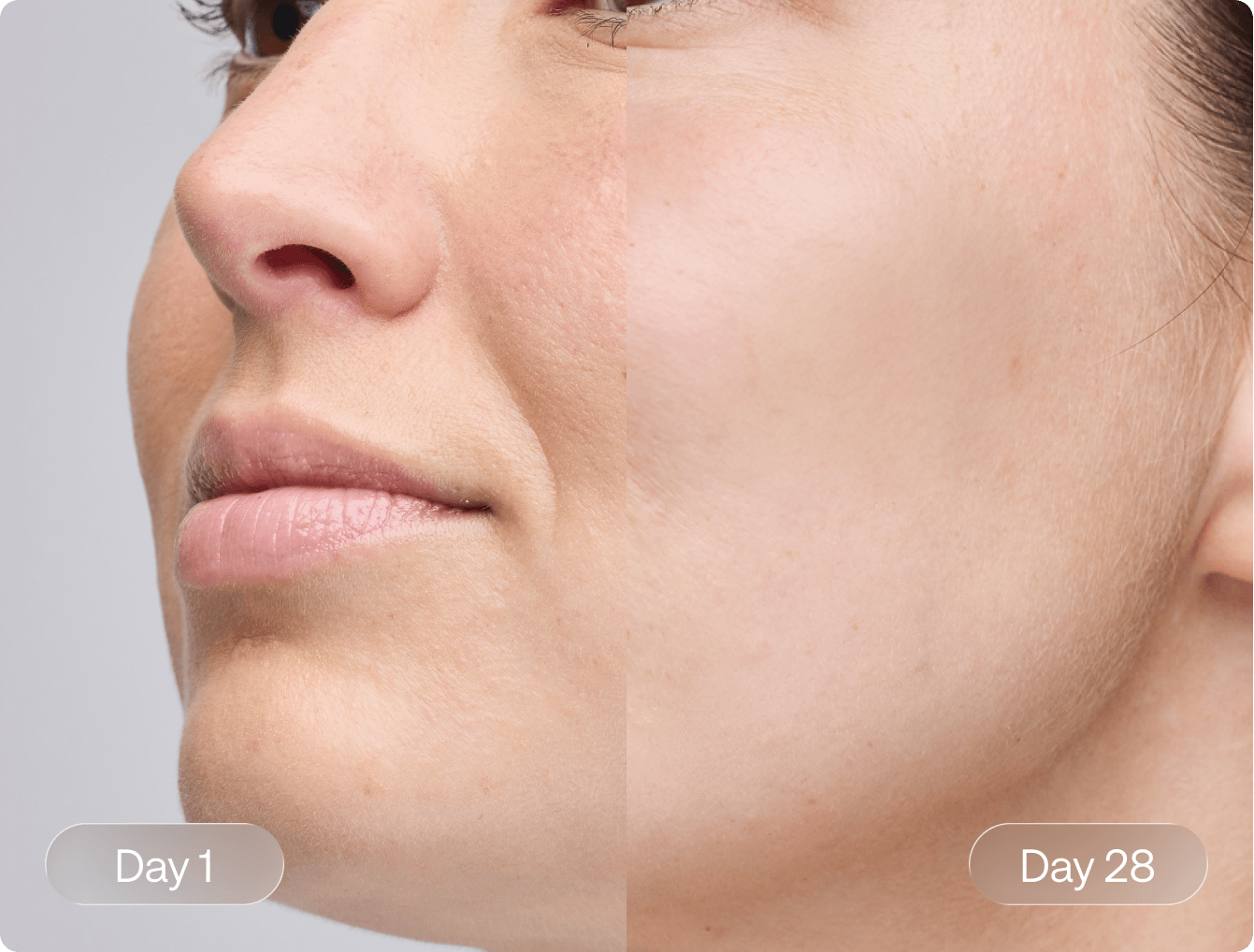
Red Light Therapy for Menopausal Skin: What Changes and How to Adapt Your Routine

Can LED Face Masks Really Fade Dark Spots and Hyperpigmentation?
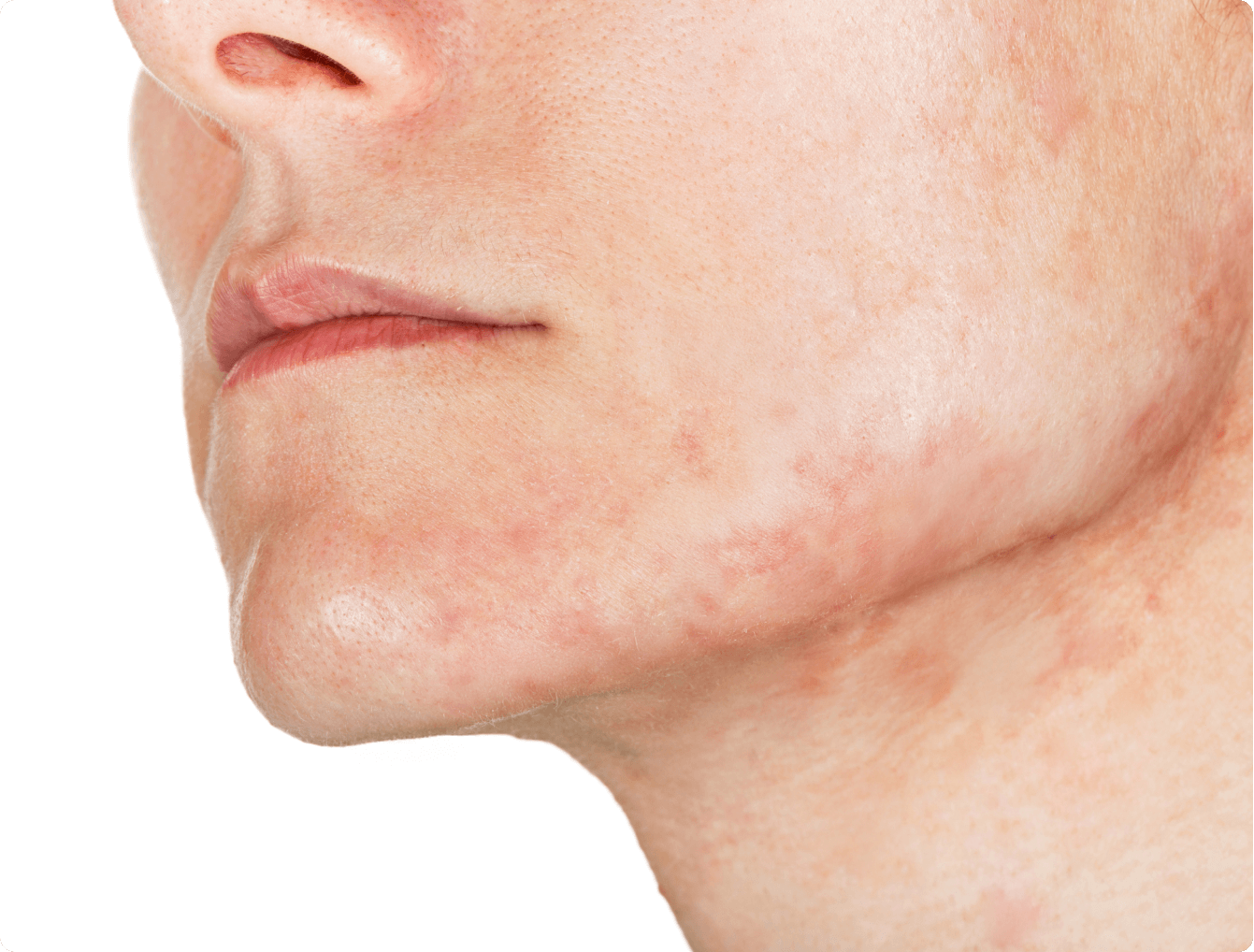
Adult Acne and LED Masks: Causes, Triggers, and How Light Therapy Fits In

Explore Beauty
Ulike Air 10
2 weeks to silky smooth skin.
96% Hair Density Reduction in 2 Weeks
Ulike Air 3
3 weeks to silky smooth skin.
93% Hair Density Reduction in 4 Weeks
Ulike Air 4
4 weeks to silky smooth skin.
95.8% hair reduction in just 2 weeks*
Ulike Reglow
Clearer skin in 2 weeks: Fewer breakouts
Smoother skin in 4 weeks: Fewer lines, firmer feel