 Ulike ReGlow Pro★ 5.0 (511)




-
Retinol and red light therapy can generally be used in the same routine.
-
Separate them by time of day rather than layering them back to back.
-
Vitamin C is generally lower-risk for photosensitivity than retinol.
-
Ulike's guidance specifically flags photosensitive products as a pre-session category to avoid.
Retinol and red light therapy are two of the most well-regarded tools in anti-aging skincare, so it makes sense that people want to use them together. But combining active ingredients with a light-based device raises a fair question: is it safe, and does the order matter?
This is one of the most frequently asked questions from people who already have an established retinol routine and are considering adding an LED mask, rather than starting both at once. If that's your situation, the good news is you generally don't have to choose between them — you just need a thoughtful approach to timing.

Table of Contents:
- Part 1: Why This Pairing Comes Up So Often
- Part 2: The Photosensitivity Concern
- Part 3: How to Layer Red Light Therapy and Retinol Safely
- Part 4: What About Vitamin C and Other Actives?
- Part 5: Starting Both at Once, or Noticing Irritation
- Part 6: What Ulike Specifically Says About Combining ReGlow With Actives
- Part 7: Fitting Ulike ReGlow Into an Actives-Heavy Routine
- Part 8: Conclusion
- Part 9: Frequently Asked Questions
Part 1: Why This Pairing Comes Up So Often
Both retinol and red light therapy work on collagen production and cell turnover, just through different mechanisms. Retinol works chemically, speeding up cell turnover and stimulating collagen synthesis at a molecular level. Red light therapy works through photobiomodulation — Harvard Health describes this as boosting cellular energy production, which can support many of those same downstream collagen-related processes. On paper, that overlap makes them seem like a natural pairing — and largely, they can be.
Part 2: The Photosensitivity Concern
Why Dermatologists Separate the Two
Retinol light sensitivity is a well-documented effect — retinoids can make skin more reactive to light exposure, which is why dermatologists typically recommend using retinol at night and always pairing it with daytime SPF. This raises a reasonable question about whether applying retinol immediately before a light therapy session could increase the chance of irritation. While red and near-infrared light are different from UV light — the type of exposure retinol warnings are primarily about — the more cautious, dermatologist-aligned approach is to avoid applying retinol directly before your LED session and instead separate the two by time of day.
This caution is less about a proven mechanism of harm and more about erring on the side of care while skin is actively adjusting to an active ingredient. Retinol works by accelerating cell turnover, which can temporarily thin the outermost layer of skin and make it more reactive to almost any additional input, light-based or otherwise — a reasonable justification for keeping the two separated, even without a documented specific interaction.
Part 3: How to Layer Red Light Therapy and Retinol Safely
- Use your LED mask on clean, product-free skin, then apply retinol afterward if it's part of your evening routine.
- Alternatively, use red light therapy in the morning and save retinol for a separate nighttime routine.
- Avoid applying retinol immediately before a session, especially with blue-light-inclusive modes.
- If your skin feels sensitized from retinol use, consider reducing LED session frequency temporarily.
- Always follow with SPF 30+ the next morning regardless of which order you use.
Part 4: What About Vitamin C and Other Actives?
Red light therapy vitamin C pairings are generally considered lower-risk than retinol, since vitamin C is less associated with increased photosensitivity. Many people apply vitamin C serum after their LED session to take advantage of the post-treatment absorption window. The American Academy of Dermatology notes that dermatologists often build red light into a broader treatment plan alongside a tailored skincare routine, which is exactly the kind of thoughtful layering this section is about. As with any active, patch testing a new combination is a smart first step before making it a daily habit.
Alpha and Beta Hydroxy Acids
Alpha and beta hydroxy acids (like glycolic and salicylic acid) carry similar, though generally somewhat milder, photosensitivity considerations compared to retinol. WebMD's overview of LED light therapy notes that red LED light is typically used on otherwise untreated skin to target aging and inflammation, which is part of why many people prefer to avoid applying a fresh chemical exfoliant immediately before a session, particularly while skin is actively in the exfoliation process. As with retinol, separating exfoliation and light therapy by time of day, or by a day or two in your weekly routine, is a simple way to minimize any theoretical additive irritation.
| Active | Photosensitivity Risk | Recommended Timing |
|---|---|---|
| Retinol | Higher | Separate time of day from LED session |
| AHA/BHA acids | Moderate | Avoid immediately before session |
| Vitamin C | Lower | Fine to use after your session |
| Niacinamide | Low | Compatible before or after |
Part 5: Starting Both at Once, or Noticing Irritation
If You're New to Both
If you're starting both at the same time, introduce them one at a time rather than launching a completely new routine all at once. Start with just red light therapy for a week or two to establish a baseline for how your skin responds, then introduce retinol separately (following the standard "start low, go slow" approach dermatologists recommend for any new retinoid). This staggered introduction makes it much easier to identify the source if any irritation does occur.
A Simple Weekly Template to Reduce Guesswork
For anyone feeling overwhelmed by all the timing considerations discussed above, a simple weekly template can help: red light therapy sessions most mornings, retinol most evenings, with one or two lighter nights skipping retinol entirely to give your skin a break. This sort of loose, repeatable structure removes the need to make a fresh timing decision every single day.
Signs Your Skin Needs a Break
If you're combining several active ingredients with light therapy and start noticing persistent redness, a stinging sensation with product application, unusual dryness, or a compromised, tight feeling to your skin, that's a signal to simplify rather than push through. Temporarily pausing retinol or exfoliating acids while continuing gentler red-light-only sessions is a reasonable way to let your skin barrier recover before gradually reintroducing actives one at a time. If you're layering several actives for multiple concerns simultaneously, a single dermatologist consultation focused on sequencing can save considerable trial-and-error time.
Part 6: What Ulike Specifically Says About Combining ReGlow With Actives
Ulike's own pre-session guidance for ReGlow directly addresses part of the retinol and actives question: the brand specifically advises avoiding photosensitive products before use, a category that includes retinoids and certain exfoliating acids, alongside a separate call-out for products containing whitening ingredients. This aligns with the general dermatological guidance above — separate your light therapy session from retinol application by time of day, rather than layering them directly back to back.
When to Seek Professional Guidance on Combining Actives
If you're managing multiple skin concerns simultaneously and trying to layer several actives alongside light therapy — say, retinol for aging, a spot treatment for occasional breakouts, and a vitamin C serum for brightening — the complexity can genuinely benefit from professional guidance rather than trial and error alone. A dermatologist can help you sequence and pace multiple actives in a way that minimizes irritation risk while still addressing each of your specific concerns, something that's much harder to figure out through generic online guidance alone. This is particularly worth considering if you have a history of sensitive or reactive skin, since the cumulative effect of multiple actives combined with light therapy can be harder to predict for reactive skin types than for those with more resilient, tolerant skin.
Part 7: Fitting Ulike ReGlow Into an Actives-Heavy Routine
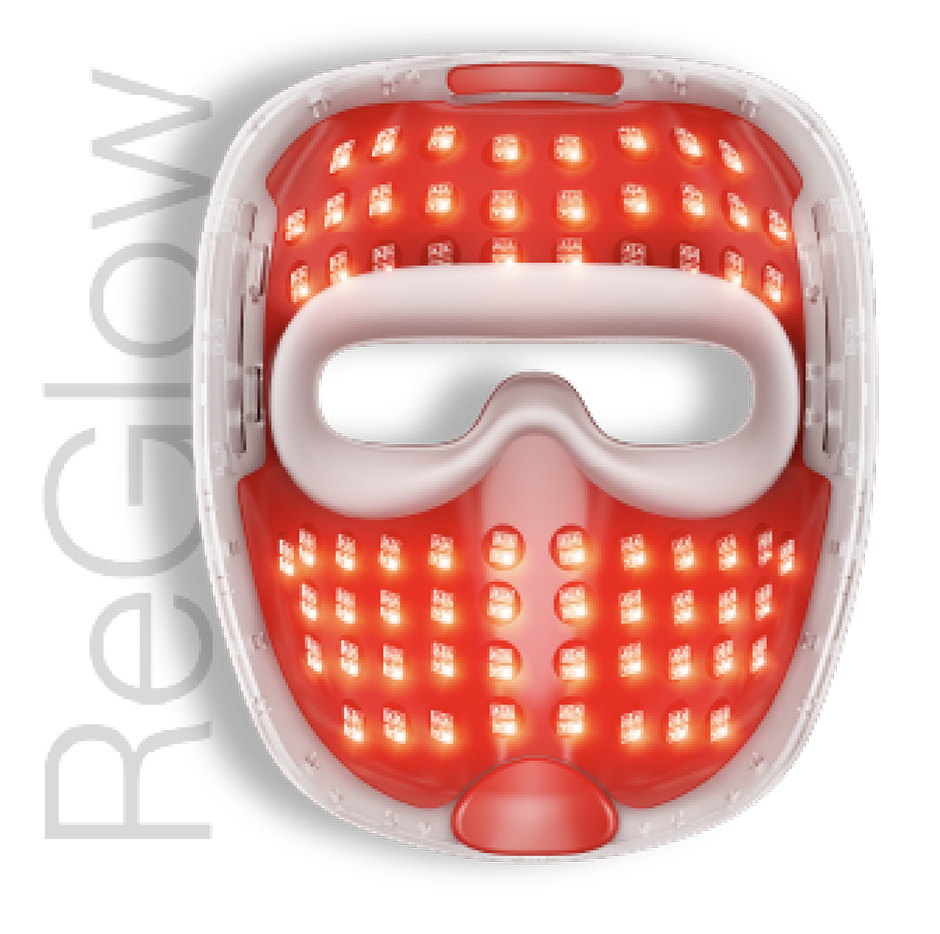
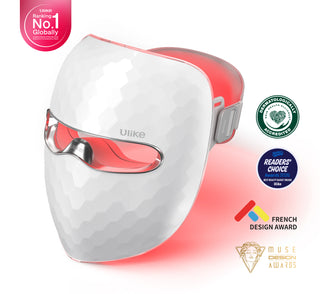
If retinol, vitamin C, or exfoliating acids are already part of your evening regimen, a device designed to sit cleanly on either side of that routine — rather than compete with it — makes sequencing easier. Here's how the Ulike ReGlow LED Light Therapy Mask is built for that:
- Four targeted modes in one device— Firm Mode (red 630nm + infrared 830nm) stimulates collagen for plumper skin and fewer wrinkles, Rejuvenate Mode (yellow 590nm + infrared 830nm) strengthens the barrier and calms redness, Clear Mode (blue 465nm + red 630nm + infrared 830nm) targets acne-causing bacteria, and Glow Mode (yellow 590nm + red 630nm + infrared 830nm) brightens tone and dullness.
- A tested, moderate schedule— 3 sessions a week, 1-2 modes per session, under 20 minutes total; Glow and Clear run 5 minutes, Firm and Rejuvenate run 8 minutes.
- Layered scientific and regulatory backing— FDA-cleared for full-face wrinkles and mild-to-moderate inflammatory acne, backed by photobiomodulation researcher Dr. Michael R. Hamblin, and certified by SGS and the Skin Health Alliance.
Using ReGlow earlier in the evening or in the morning, then applying retinol separately at night, is a straightforward way to get the benefits of both without unnecessary overlap. Building your product sequencing around this guidance — whitening and photosensitive products either well before or after your session, never immediately prior — is a simple way to follow the brand's own tested usage pattern precisely. If you'd like to compare modes and specs side by side, the rest of Ulike's LED Light Therapy Devices collection is worth a look.

Part 8: Conclusion
Most active ingredients can coexist with light therapy through smart sequencing, though retinol and exfoliating acids need more careful timing than gentler options like vitamin C or niacinamide. If you're starting both retinol and light therapy for the first time, introducing them one at a time makes it far easier to identify what your skin can comfortably tolerate together. Light therapy and topical actives generally coexist well in the same routine — the small timing adjustments discussed here are about optimizing that coexistence, not avoiding it altogether.
Part 9: Frequently Asked Questions
Q1: Can I use retinol and red light therapy on the same day?
Yes, most people can, but it's generally best to separate them by time of day — for example, LED therapy in the morning and retinol at night — rather than layering them back to back.
Q2: Does red light therapy count as UV exposure for retinol warnings?
No, red and near-infrared light are different from UV light, but a cautious approach of separating retinol application from your light therapy session is still recommended.
Q3: Is vitamin C safe to use with an LED mask?
Yes, vitamin C is generally considered lower-risk for photosensitivity than retinol and is a popular choice to apply after an LED session.
Q4: How should I start if I'm new to both retinol and light therapy?
Introduce them one at a time rather than starting both simultaneously — begin with red light therapy alone for a week or two, then add retinol separately so you can identify the source of any irritation.
Q5: Does Ulike specifically warn against using retinol before a ReGlow session?
Ulike's guidance advises avoiding photosensitive products before use, a category that includes retinoids, consistent with the general recommendation to separate retinol application from your light therapy session.