 Ulike ReGlow Pro★ 5.0 (511)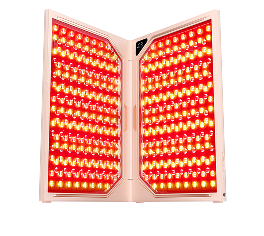




-
Menopause can trigger a sharper, faster collagen decline than typical aging.
-
Red and infrared light stimulate collagen through a mechanism independent of hormone levels.
-
ReGlow's Firm Mode (red+infrared) and Rejuvenate Mode (yellow+infrared) both skip blue light.
-
Hydration, gradual active introduction, and daily SPF matter alongside light therapy.
Menopause doesn't just affect hot flashes and sleep — it changes your skin, often faster than any other stage of life. Estrogen decline accelerates collagen loss, and many people notice their skin suddenly feels thinner, drier, and less resilient than it did just a few years earlier. Red light therapy has become a popular addition to menopausal skincare routines, and here's why it may be worth considering.
What makes this life stage particularly challenging from a skincare perspective is the speed of change. Unlike the slow, gradual aging that happens across your 20s and 30s, the first several years of menopause can bring noticeably faster shifts — which is part of why so many people feel like their skincare routine "stopped working" seemingly overnight, when in reality their skin's underlying biology changed faster than their routine did.

Table of Contents:
- Part 1: What Actually Happens to Skin During Menopause
- Part 2: Why Red Light Therapy Fits This Stage of Life
- Part 3: Adapting Your Skincare Routine Alongside Light Therapy
- Part 4: Sleep, Stress, and Hormone Therapy
- Part 5: Building a Support Team Beyond Skincare
- Part 6: Recognizing When Skin Changes Need Medical Attention
- Part 7: Matching ReGlow's Modes to This Life Stage With Ulike Red Light Mask
- Part 8: Conclusion
- Part 9: Frequently Asked Questions
Part 1: What Actually Happens to Skin During Menopause
How Estrogen Decline Affects Skin
Estrogen plays a direct role in collagen production, skin thickness, and hydration. As estrogen levels drop during perimenopause and menopause, research has shown that skin can lose a significant percentage of its collagen within the first several years — a much steeper decline than the gradual collagen loss associated with normal chronological aging. This is why menopause skin changes often feel sudden rather than gradual. Some also notice changes in skin thickness severe enough to make veins and bone structure more visible than before, another downstream effect of accelerated collagen loss.
The Most Common Changes to Expect
Common changes include increased dryness, reduced elasticity, more visible fine lines, slower wound healing, and sometimes new sensitivity or reactivity that wasn't an issue before. Hormonal fluctuations can also trigger adult acne alongside these aging concerns, which is a frustrating combination many people don't expect. Some also notice changes in skin thickness severe enough to make veins and bone structure more visible than before, another downstream effect of accelerated collagen loss.
Part 2: Why Red Light Therapy Fits This Stage of Life
Red light therapy collagen loss support works by stimulating fibroblast activity and boosting cellular energy (ATP) — mechanisms that don't rely on hormone levels to function. This makes it a useful tool during a life stage when the body's natural collagen production is declining faster than usual. UCLA Health notes that red light therapy has been studied for its ability to improve skin quality and even help reverse some visible signs of aging with consistent use over several months.
Because red light therapy is non-invasive and doesn't involve exfoliation, it also tends to be gentler than some other anti-aging approaches — a meaningful advantage for skin that may already be more reactive during menopause. The American Academy of Dermatology describes red light therapy as a non-invasive treatment generally considered safe for short-term use, which makes it a lower-risk starting point for people who want to address firmness concerns without immediately reaching for stronger prescription retinoids or in-office procedures. That gentler profile matters especially during a life stage when skin's baseline tolerance for new products or treatments may already be lower than it once was, and when adding an aggressive new intervention on top of hormonal changes already in motion can do more harm than good.
Part 3: Adapting Your Skincare Routine Alongside Light Therapy
- Prioritize hydration — menopausal skin often needs richer moisturizers than it used to.
- Introduce new actives (like retinoids) gradually, since sensitivity may be higher than before.
- Use light therapy consistently — collagen support builds over weeks, not days.
- Don't skip SPF — sun damage compounds the effects of hormonal collagen loss.
- Talk to a dermatologist if you notice sudden changes like new breakouts or unusual sensitivity.
Part 4: Sleep, Stress, and Hormone Therapy
What About HRT and Skin?
Some people going through menopause work with their doctor on hormone replacement therapy (HRT), which can itself have effects on skin quality by addressing declining estrogen levels more directly. Red light therapy and topical skincare routines are generally considered separate, complementary approaches to HRT rather than substitutes for it, and neither should be started or stopped based on skincare goals alone — always work with your healthcare provider on decisions about hormone therapy specifically.
Menopause frequently disrupts sleep through night sweats and hormonal fluctuations, and poor sleep has well-documented effects on skin appearance, including reduced barrier function and slower overnight repair. Elevated stress, common during this transitional period for many people, similarly affects skin through increased cortisol and inflammation. These factors compound the direct hormonal effects on collagen discussed above, meaning a comprehensive approach to menopausal skin often needs to address sleep and stress management alongside any topical or light-based routine.
Part 5: Building a Support Team Beyond Skincare
Given how many systems menopause affects simultaneously, many people find it helpful to build a small support team rather than relying on skincare alone to manage every visible change. This might include a dermatologist for skin-specific concerns, a gynecologist or menopause specialist for broader hormonal management, and simple lifestyle adjustments around sleep and stress. Red light therapy and topical skincare remain a genuinely useful piece of this picture, but they work best as one component of a broader, coordinated approach rather than the sole strategy for navigating this life stage.
This isn't meant to add another item to an already long list of menopause-related challenges, but rather to explain why skin changes during this time can feel disproportionate to what a skincare routine alone addresses — the underlying causes are genuinely multi-factorial, and treating skin in isolation from broader wellbeing often produces limited results.
Which ReGlow Mode Fits Menopausal Skin
| Mode | Wavelengths | Best For |
|---|---|---|
| Firm Mode | Red (630nm) + Infrared (830nm) | Collagen support, plumpness, wrinkle reduction |
| Rejuvenate Mode | Yellow (590nm) + Infrared (830nm) | Barrier strength, calming, even complexion |
Part 6: Recognizing When Skin Changes Need Medical Attention
While most menopausal skin changes are a normal, expected part of this transition, it's worth knowing when to seek medical attention rather than assuming everything is hormone-related. Cleveland Clinic advises discussing any new or worsening skin symptoms with a healthcare provider before relying on an at-home device to manage them. New, unusual growths, rapidly changing moles, or persistent rashes that don't respond to basic care should always be evaluated by a dermatologist, since not every skin change during this life stage is attributable to menopause.
Part 7: Matching ReGlow's Modes to This Life Stage With Ulike Red Light Mask
Both firmness support and lower irritation risk matter more than usual during menopause, which is why two of Ulike ReGlow's four modes are especially relevant here:
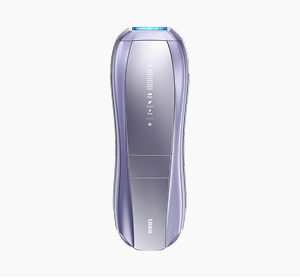
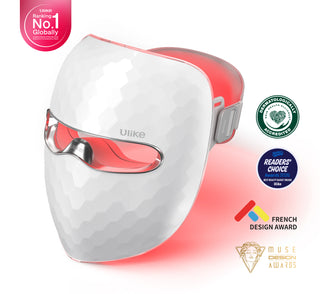
- Four targeted modes in one device— Firm Mode (red 630nm + infrared 830nm) stimulates collagen for plumper skin and fewer wrinkles, Rejuvenate Mode (yellow 590nm + infrared 830nm) strengthens the barrier and calms redness, Clear Mode (blue 465nm + red 630nm + infrared 830nm) targets acne-causing bacteria, and Glow Mode (yellow 590nm + red 630nm + infrared 830nm) brightens tone and dullness.
- Layered scientific and regulatory backing— FDA-cleared for full-face wrinkles and mild-to-moderate inflammatory acne, backed by photobiomodulation researcher Dr. Michael R. Hamblin, and certified by SGS and the Skin Health Alliance.
- A 100-day money-back guarantee and 2-year warranty— so trying the routine described above carries little downside risk.
Because neither Firm nor Rejuvenate Mode includes blue light, both represent a lower-irritation-risk starting point for anyone whose skin has become more reactive during perimenopause or menopause. It's also worth reviewing Ulike's guidance on who should avoid ReGlow — including those with heart conditions, autoimmune diseases, or reduced ability to sense temperature — as a useful general checklist for new health considerations that sometimes become more relevant during midlife, reviewed ideally alongside your own doctor. If you'd like to compare modes and specs side by side, the rest of Ulike's LED Light Therapy Devices collection is worth a look.

Part 8: Conclusion
Collagen loss during menopause often moves faster than typical chronological aging, but light therapy works independently of hormone levels, making it a useful tool regardless of where your hormones currently stand. Both Firm and Rejuvenate Mode avoid blue light entirely, keeping irritation risk lower for skin that's already more reactive during this life stage. Combined with richer hydration, gradual introduction of new actives, and consistent SPF, red light therapy can be a genuinely evidence-backed addition to a menopausal skincare routine — not a replacement for medical guidance on the broader hormonal picture.
Part 9: Frequently Asked Questions
Q1: Does menopause really speed up skin aging?
Yes. Declining estrogen levels are linked to accelerated collagen loss during the first several years of menopause, which is why many people notice more rapid changes in skin firmness and texture during this time.
Q2: Can red light therapy help with menopausal skin?
Red light therapy supports collagen production and cellular energy through mechanisms that don't depend on hormone levels, making it a useful complementary tool for firmness and texture during menopause.
Q3: Is red light therapy safe for sensitive, menopausal skin?
Red light therapy is generally considered gentle since it doesn't involve exfoliation or harsh chemicals, but anyone with new or unusual sensitivity should introduce it gradually and consult a dermatologist if concerns arise.
Q4: Does red light therapy replace hormone replacement therapy for skin concerns?
No, they address skin health through entirely different mechanisms. Any decisions about hormone therapy should be made with your healthcare provider, separate from skincare routine choices.
Q5: Which ReGlow mode is designed for firmness and wrinkles?
Firm Mode, which combines red (630nm) and infrared (830nm) light in an 8-minute session, is specifically designed to stimulate collagen and reduce the appearance of wrinkles.