 Ulike ReGlow Pro★ 5.0 (511)




-
Red light therapy doesn't remove pigment directly — it supports renewal and calms inflammation.
-
Yellow light is more associated with brightening and even tone.
-
Blue light isn't recommended as a primary tool for dark spots.
-
Daily SPF is essential — no light therapy can outpace ongoing sun exposure.
Dark spots, sun damage, and uneven tone are some of the most stubborn skin concerns to treat — which is exactly why "does red light therapy fade dark spots" is such a common search. The honest answer involves more nuance than most product pages let on, so here's a realistic breakdown of what LED mask hyperpigmentation support can and can't do.
Managing expectations here matters more than almost any other skin concern discussed in this series, because hyperpigmentation is notoriously slow to fade with any treatment — topical, light-based, or procedural. Understanding the realistic role light therapy plays will help you build a routine that actually works, rather than abandoning a genuinely useful tool too early because it didn't deliver overnight miracles.

Table of Contents:
- Part 1: What Causes Hyperpigmentation in the First Place?
- Part 2: What Red Light Therapy Can Realistically Do for Tone
- Part 3: Which Wavelength Matters Most for Dark Spots?
- Part 4: Pairing Light Therapy With Proven Topical Brighteners
- Part 5: Types of Hyperpigmentation Compared
- Part 6: How to Use ReGlow's Glow Mode for a More Even Complexion
- Part 7: Post-Inflammatory Hyperpigmentation vs. Melasma: Why the Distinction Matters
- Part 8: A Realistic Patience Timeline Specific to Pigmentation
- Part 9: A Note on Sun Exposure and New Dark Spots
- Part 10: Combining Professional and At-Home Approaches for Stubborn Discoloration
- Part 11: What ReGlow's Glow Mode Is Specifically Designed to Address
- Part 12: ReGlow's Before-and-After Documentation for Tone and Texture
- Part 13: Conclusion
- Part 14: Frequently Asked Questions
Part 1: What Causes Hyperpigmentation in the First Place?
Why Dark Spots Form in the First Place
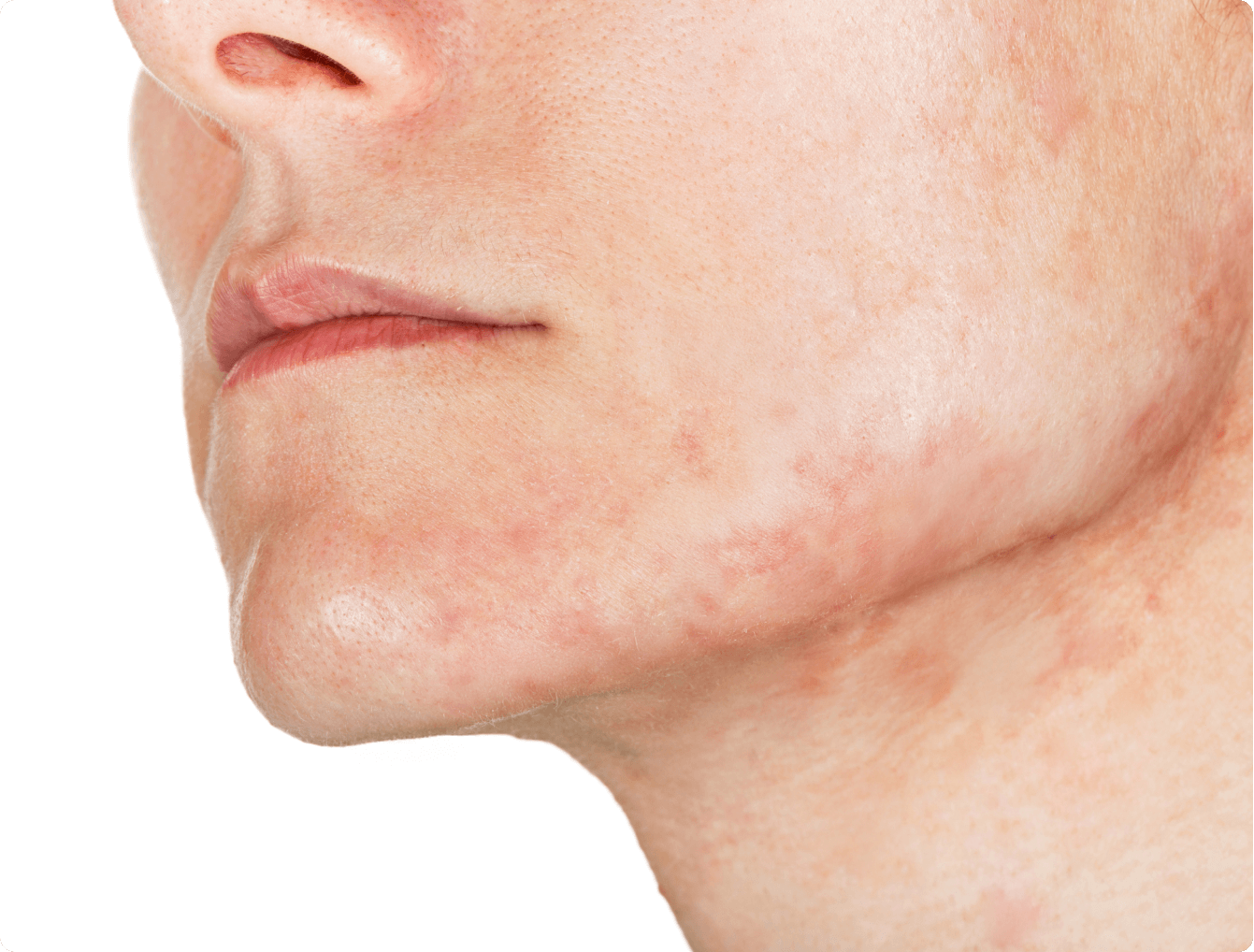
Hyperpigmentation happens when certain areas of skin produce excess melanin, often triggered by UV exposure (sun spots and age spots), inflammation (post-acne marks), or hormonal changes (melasma). Because these causes are so different, no single treatment — light therapy included — works identically across all types of discoloration.
Sun-induced dark spots and post-inflammatory marks tend to respond differently to skin-supportive treatments than melasma, which is driven by hormones and often needs a more targeted, dermatologist-guided approach. Post-inflammatory hyperpigmentation, common after acne breakouts, tends to be the type most responsive to consistent, gentle skin-supportive treatments over time.
Part 2: What Red Light Therapy Can Realistically Do for Tone
What Light Therapy Can Realistically Do
Red light therapy doesn't work like a bleaching agent or exfoliant — it doesn't strip away pigment directly. Instead, its main contribution to red light therapy pigmentation concerns comes indirectly: by supporting healthier cell turnover, calming inflammation that can worsen post-acne marks, and supporting overall skin renewal processes discussed in research on PMC. Over consistent use, many people report a more even-looking, balanced complexion rather than dramatic spot removal.
It's worth setting expectations accordingly: LED mask sun damage support is best understood as a complementary tool for overall tone and texture, not a replacement for proven pigmentation treatments like vitamin C, retinoids, or in-office procedures for more stubborn discoloration.
Part 3: Which Wavelength Matters Most for Dark Spots?
Yellow light (around 590nm) is often highlighted specifically for its role in supporting a brighter, more even-looking complexion, working alongside red light's renewal-supporting properties. Blue light, on the other hand, is generally not recommended as a primary tool for pigmentation concerns, since it carries a higher risk of triggering hyperpigmentation, particularly in deeper skin tones — the opposite of the intended effect.
- Red light: supports overall renewal and calmer-looking skin over time
- Yellow light: often associated with brightening and more even-looking tone
- Blue light: not typically recommended as a primary tool for dark spots
- Daily SPF: essential alongside any light therapy routine to prevent new sun-triggered spots
Part 4: Pairing Light Therapy With Proven Topical Brighteners
For meaningful improvement in stubborn hyperpigmentation, most dermatologists recommend combining light therapy with ingredients that have a stronger, more direct evidence base for pigment reduction — vitamin C, niacinamide, azelaic acid, and, for more resistant cases, prescription-strength options like hydroquinone or tretinoin. Light therapy can support the overall health and renewal of the skin while these targeted ingredients do more of the direct pigment-fading work.
Part 5: Types of Hyperpigmentation Compared
Not all dark spots are the same, and they respond differently to treatment:
| Type | Common Cause | Response to Light Therapy |
|---|---|---|
| Post-inflammatory (PIH) | Healed acne or skin trauma | Generally more responsive over time |
| Sun spots / age spots | UV exposure | Complementary support; SPF essential |
| Melasma | Hormonal factors | Often needs dermatologist-guided treatment |
Part 6: How to Use ReGlow's Glow Mode for a More Even Complexion
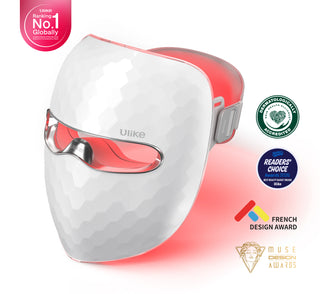
The Ulike ReGlow LED Light Therapy Mask pairs yellow, red, and infrared light specifically in Glow Mode, designed to brighten the appearance of blemishes and dullness for a more radiant-looking tone over a 5-minute session. Because tone concerns are rarely solved by one tool alone, pairing consistent ReGlow sessions with daily SPF and a gentle brightening skincare routine tends to produce the most noticeable results.
If dark spots and dullness are a top priority, it's worth reviewing how Glow Mode compares to the other options in the Ulike LED light therapy devices collection before starting.
Part 7: Post-Inflammatory Hyperpigmentation vs. Melasma: Why the Distinction Matters
These two common forms of discoloration are frequently confused, but they respond quite differently to treatment. Post-inflammatory hyperpigmentation (PIH) develops after skin trauma like a pimple or cut and tends to be more responsive to consistent, gentle skin-supportive treatments over time, including light therapy paired with brightening ingredients. Melasma, by contrast, is driven by hormonal factors and sun exposure, tends to appear as larger, more symmetrical patches (often on the cheeks, forehead, or upper lip), and is notoriously more resistant to treatment, frequently requiring a dermatologist-guided combination approach.
If you're not sure which type of discoloration you're dealing with, a dermatologist can typically distinguish between them fairly quickly through visual examination, which is an important first step before investing significant time or money into any specific pigmentation treatment plan, light-based or otherwise.
Part 8: A Realistic Patience Timeline Specific to Pigmentation
Pigmentation concerns generally take longer to show visible improvement than concerns like texture or firmness, since melanin clearance is a slow biological process even under ideal conditions. While some people notice early improvements in overall radiance within a few weeks of starting a combined light therapy and topical brightening routine, meaningful fading of established dark spots often takes eight to twelve weeks or longer, and stubborn melasma may require several months of consistent, dermatologist-guided treatment.
Setting this expectation upfront helps prevent the common mistake of abandoning a genuinely helpful routine after just a few weeks, simply because pigmentation — unlike some other skin concerns — is one of the slower-responding areas of skincare across the board, regardless of which specific treatment approach you choose.
Part 9: A Note on Sun Exposure and New Dark Spots
No pigmentation treatment, light-based or otherwise, can outpace ongoing sun exposure that continues creating new spots faster than existing ones fade. Daily broad-spectrum SPF isn't just a nice-to-have addition to a hyperpigmentation routine — without it, any progress from light therapy or topical brighteners is working against a constant stream of new UV-triggered pigment production, which is why dermatologists consistently list sun protection as the single most important step in any tone-evening routine.
Part 10: Combining Professional and At-Home Approaches for Stubborn Discoloration
For discoloration that hasn't responded well to consistent at-home light therapy and topical brighteners after several months, professional treatments like chemical peels, microneedling, or laser therapy (specifically the kind targeted at pigment, distinct from resurfacing lasers) may offer more targeted results. Many dermatologists recommend combining these professional treatments with an ongoing at-home maintenance routine, including light therapy, rather than choosing one approach exclusively — the professional treatment addresses the more stubborn, established pigment, while the at-home routine helps maintain results and support overall skin health between visits.
This combined approach mirrors the general pattern discussed elsewhere in this content series: at-home LED devices work best as a complementary, ongoing tool rather than a replacement for professional dermatological care when a concern proves particularly resistant to standard measures.
If cost is a barrier to professional treatment, prioritizing consistent, correct use of your at-home routine — including daily SPF, which is foundational regardless of what other treatments you pursue — for a longer period (three to six months) before reassessing is a reasonable, more affordable starting point before committing to a more expensive professional intervention.
Part 11: What ReGlow's Glow Mode Is Specifically Designed to Address
For the tone and brightness concerns covered in the sections above, Ulike ReGlow's Glow Mode is the most directly relevant: it combines yellow (590nm), red (630nm), and infrared (830nm) light specifically to brighten the appearance of blemishes and dullness for a more radiant-looking tone, in a 5-minute session. This mode reflects the same yellow-light brightening principle discussed earlier in this article, layered with red and infrared's renewal-supporting properties for a more complete result than yellow light alone.
Because Ulike documents this mode's exact composition rather than describing it vaguely as a "brightening mode," it's possible to evaluate exactly which wavelengths are doing the work — useful context whether or not ReGlow specifically is the device you choose.
Part 12: ReGlow's Before-and-After Documentation for Tone and Texture
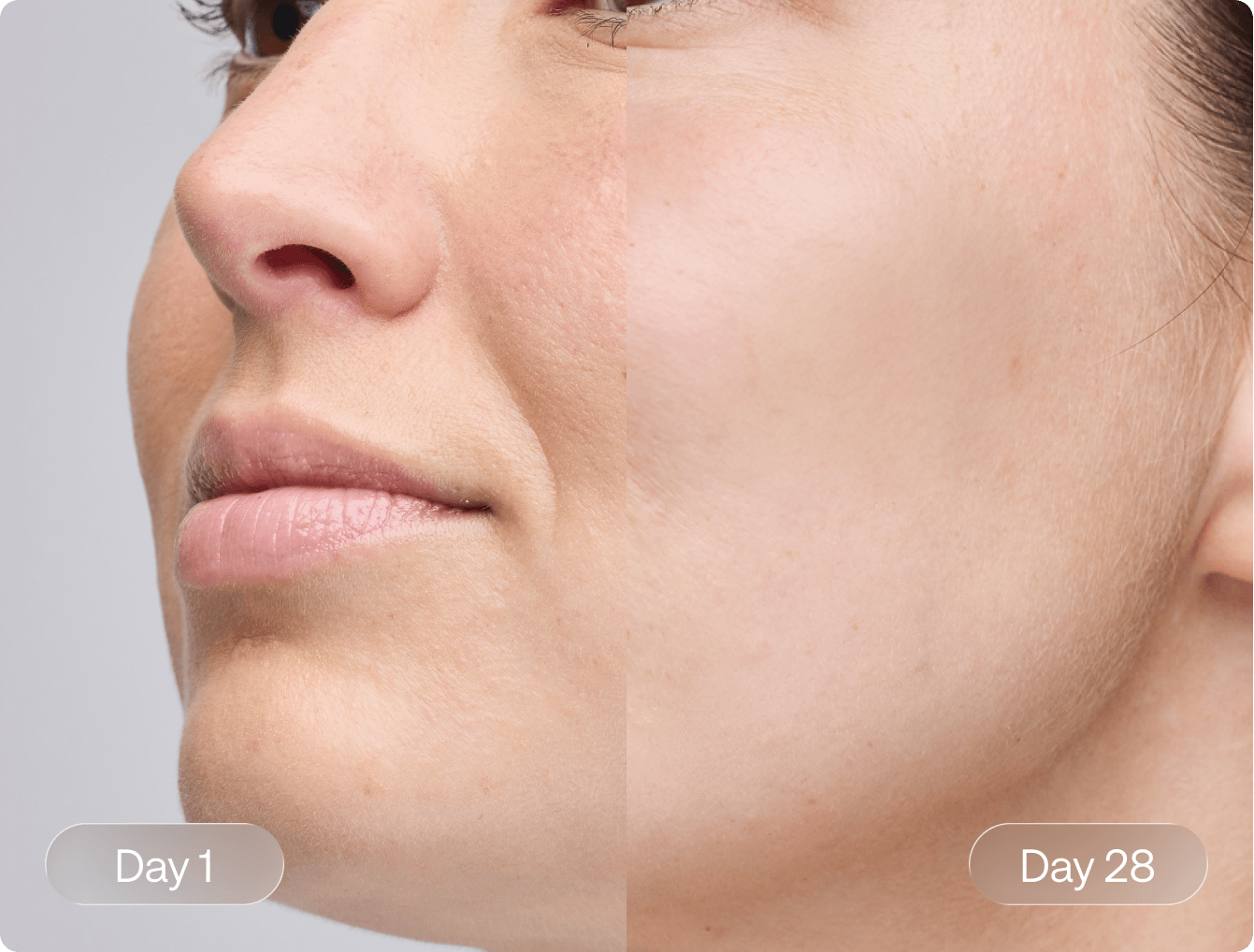
Ulike's product page includes documented before-and-after imagery specifically covering firmness, balance, acne, and radiance categories, gathered from a 4-week testing period. This particular kind of categorized, photo-documented evidence — organized by specific concern rather than a single generic "results" claim — reflects the same category-specific thinking explained above: dark spots, redness, and general dullness don't all respond identically, and evaluating documented results by category (rather than a single overall claim) gives a more accurate picture of what to expect for your specific concern.
As with any brand-provided before-and-after imagery, it's worth remembering the general caution discussed elsewhere in this content series: individual results vary, and photographic evidence should be one data point among several — including third-party certifications and your own patch-test experience — rather than the sole basis for a purchasing decision.
It helps to remember that Ulike documents ReGlow's tone-and-texture claims with a specific, referenced timeline — smoother skin with fewer lines and a firmer feel by 4 weeks, based on SGS-certified testing — rather than an open-ended promise. Having a concrete benchmark like this gives you a clear point at which to evaluate your own results against a documented, third-party-verified expectation, rather than guessing at what "working" should look like.
Part 13: Conclusion
Light therapy supports a more even skin tone indirectly, through renewal and calming rather than direct pigment removal, and melasma in particular typically needs more targeted, professional treatment. The Ulike ReGlow LED Light Therapy Mask's Glow Mode, combining yellow, red, and infrared light, is designed specifically for brightening dullness within this framework.
Searches for red light therapy dark spots often overlap with more specific questions about red light therapy melasma, since these two concerns are frequently confused despite responding very differently to treatment. If you're comparing the best LED mask for dark spots, look specifically at how a brand addresses red light therapy skin tone concerns rather than promising universal pigmentation fixes.
For hyperpigmentation treatment at home, realistic expectations matter: LED face mask discoloration support works gradually, and claims about fading red light therapy age spots overnight should be treated skeptically. The goal of any LED mask even skin tone claim should be gradual, consistent improvement — not a dramatic transformation in days.
Part 14: Frequently Asked Questions
Q1: Does red light therapy really fade dark spots?
Red light therapy doesn't remove pigment directly, but it may support a more even-looking complexion over time by promoting healthier cell turnover and calming inflammation associated with post-acne marks.
Q2: Is red light therapy effective for melasma?
Melasma is hormonally driven and often needs a more targeted, dermatologist-guided treatment plan. Light therapy can be a complementary step, but shouldn't be relied on as a standalone melasma treatment.
Q3: Which LED light color is best for dark spots?
Yellow and red light are generally associated with brightening and even tone, while blue light is not typically recommended for pigmentation concerns due to a higher hyperpigmentation risk in some skin tones.
Q4: How long before I see tone improvement from an LED mask?
Most people report noticing a more even, radiant-looking complexion after several weeks of consistent use, though results vary based on the type and cause of discoloration.
Q5: Should I combine my LED mask with brightening serums?
Yes, most dermatologists recommend combining light therapy with proven topical brighteners like vitamin C or niacinamide for more noticeable improvement in stubborn hyperpigmentation.
Q6: Which ReGlow mode is best for dullness and uneven tone?
Glow Mode, which combines yellow (590nm), red (630nm), and infrared (830nm) light, is specifically designed to brighten the appearance of blemishes and dullness for a more radiant tone.
Q7: Does ReGlow include a mode without blue light for tone concerns?
Yes, Glow Mode does not include blue light, making it a suitable option for tone and brightness concerns without the hyperpigmentation risk considerations associated with blue light.
Q8: Does Ulike document before-and-after results by specific concern?
Yes, Ulike's product page organizes before-and-after documentation into firmness, balance, acne, and radiance categories, reflecting a 4-week testing period.
Q9: Should I rely only on before-and-after photos when evaluating an LED mask?
No, brand-provided photos are one useful data point, but should be considered alongside third-party certifications, published wavelength specifications, and your own patch-test experience.