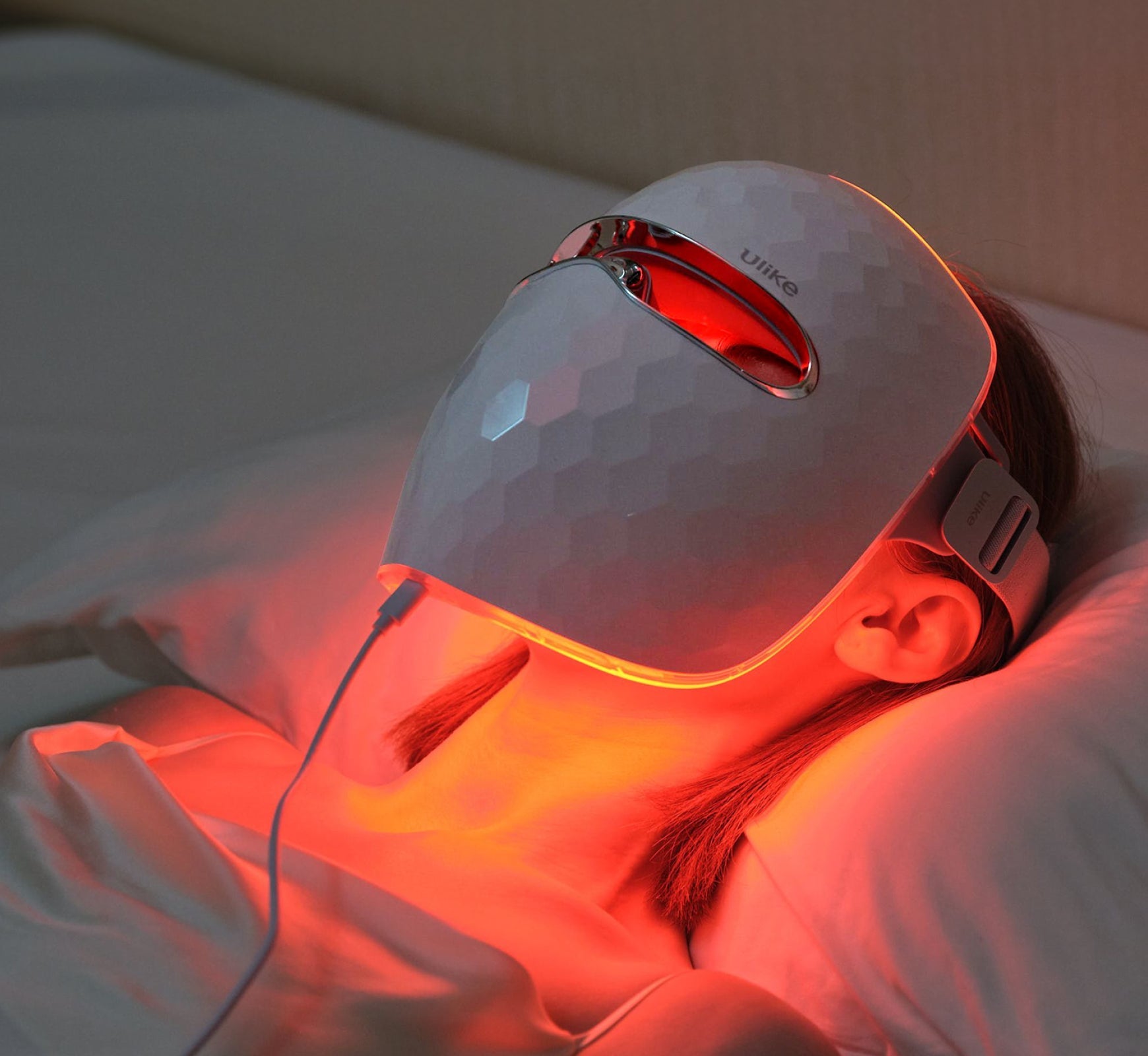
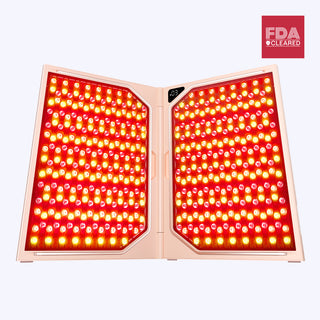
 Ulike ReGlow Pro★ 5.0 (511)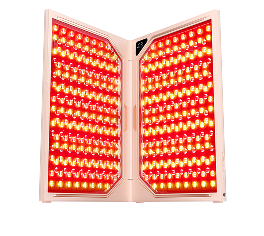




-
Ulike specifically advises against ReGlow use during pregnancy, menstruation, and breastfeeding.
-
Hormonal fluctuations during these periods may increase skin sensitivity.
-
Always consult a healthcare provider before starting or resuming light therapy.
-
This guidance is more conservative than some general red light research, and that's intentional.
Pregnancy changes almost everything about a skincare routine — ingredients you've used for years suddenly get a second look, and devices are no exception. Red light therapy pregnancy questions come up often, and while there's reassuring information available, it's a topic where "probably fine" isn't good enough without a conversation with your provider first.
This caution isn't meant to alarm anyone — it's simply a reflection of how pregnancy research works in general. Most skincare devices and ingredients are studied in the general population, and pregnancy-specific safety data lags behind for understandable ethical and practical reasons. That gap doesn't mean something is unsafe; it means the responsible path is individualized medical guidance rather than a blanket yes or no.

Table of Contents:
- Part 1: What We Actually Know So Far
- Part 2: Why Hormonal Shifts Change the Calculus
- Part 3: What About Breastfeeding and Postpartum Skin?
- Part 4: ReGlow's Contraindications Checklist
- Part 5: Reading Manufacturer Guidance Alongside Medical Consensus
- Part 6: A Broader Pregnancy Skincare Audit
- Part 7: What's Waiting Once You're Cleared to Resume
- Part 8: Conclusion
- Part 9: Frequently Asked Questions
Part 1: What We Actually Know So Far
Why the Research Picture Is Incomplete
Unlike UV light or certain skincare ingredients (like high-dose retinoids) that carry established pregnancy warnings, red light therapy doesn't involve ionizing radiation or systemic absorption of active chemical ingredients. The American Academy of Dermatology notes that red light therapy is generally considered safe for short-term use and, unlike UV exposure, hasn't been linked to increased cancer risk.
That said, most red light therapy pregnancy research has focused on general population safety, not pregnancy-specific studies. The absence of documented harm is not the same as robust pregnancy-specific clinical data, which is exactly why individualized medical guidance matters here more than in most other skincare decisions.
Part 2: Why Hormonal Shifts Change the Calculus
New Sensitivities and Melasma
Pregnancy involves significant hormonal shifts that can change how skin reacts to treatments it previously tolerated well, including increased photosensitivity in some cases. Some people also develop melasma ("the mask of pregnancy") during this time, which requires more careful, targeted management than a general at-home device is designed to provide. If you're taking any new medications during pregnancy, it's also worth checking whether any of them increase photosensitivity, since this could affect how your skin responds to any light-based treatment, not just red light therapy specifically.
Part 3: What About Breastfeeding and Postpartum Skin?
Red light therapy breastfeeding questions follow a similar logic to pregnancy: because the treatment is topical and doesn't involve systemic drug absorption, there's no obvious mechanism by which it would affect milk supply or transfer to a nursing infant. Still, given the same gap in pregnancy- and lactation-specific research, checking with your OB-GYN, midwife, or dermatologist before resuming or starting light therapy during this period is the most responsible approach.
- Bring the specific device's wavelength and intended use to your provider conversation.
- Mention any new medications or supplements you're taking.
- Ask about any pregnancy-specific skin changes (like melasma) that might affect your decision.
- When in doubt, wait until you've had that conversation before starting.
The postpartum period brings its own set of hormonal shifts as levels gradually return to a pre-pregnancy baseline, which can bring changes like postpartum hair shedding, lingering melasma, or hormonal breakouts. Many of the same considerations discussed for pregnancy and breastfeeding apply here — check with your provider before resuming or starting any new light therapy device, particularly if you're still breastfeeding or managing pregnancy-related skin changes that haven't fully resolved. Once you do get clearance to resume your full skincare routine, many people find this a natural time to reintroduce tools like an LED mask as part of rebuilding a self-care routine that may have taken a back seat during the intensity of pregnancy and early postpartum life.
Where to Find Reliable Pregnancy Skincare Guidance
Beyond your individual provider, organizations like the American College of Obstetricians and Gynecologists publish general guidance on skincare safety during pregnancy that can serve as a useful starting reference point, though it should never replace a conversation specific to your own health history and current pregnancy.
Part 4: ReGlow's Contraindications Checklist
| Group | Ulike's Guidance |
|---|---|
| Pregnant individuals | Not recommended |
| Breastfeeding individuals | Not recommended |
| During menstruation | Not recommended |
| Heart conditions / dysfunction | Avoid use |
| Within 2 weeks of surgery | Avoid use |
| Autoimmune diseases | Avoid use |
Ulike's own guidance for the ReGlow mask specifically advises against use during menstruation, pregnancy, or breastfeeding, since hormonal fluctuations during these periods may increase skin sensitivity and potentially lead to discomfort or adverse reactions. This is a more conservative, device-specific position than a general "probably fine" framing, and it reflects the same underlying caution discussed earlier — even without documented harm, the responsible approach during periods of significant hormonal change is to avoid new light-based treatments unless a healthcare professional has confirmed it's suitable for your individual situation.
Part 5: Reading Manufacturer Guidance Alongside Medical Consensus
It's worth noting that Ulike's conservative, device-specific stance against ReGlow use during pregnancy, menstruation, and breastfeeding is more cautious than some general medical guidance on red light therapy broadly. Cleveland Clinic similarly describes red light therapy as an emerging, generally well-tolerated treatment without identifying a clear biological mechanism for harm in the broader population. This gap between a manufacturer's specific, conservative product guidance and the more general medical literature isn't a contradiction — manufacturers often set more conservative usage guidelines than the minimum the science might technically require, precisely because they're making a blanket recommendation for a broad population rather than an individualized medical judgment. Regardless of which source you weigh more heavily, the practical guidance remains the same: during pregnancy, menstruation, or breastfeeding, defer to Ulike's specific product guidance and your own healthcare provider's individualized advice.
Part 6: A Broader Pregnancy Skincare Audit
While this article focuses on light therapy specifically, pregnancy typically calls for a broader skincare audit. Many people switch from retinoids to gentler alternatives like azelaic acid, swap chemical sunscreens for mineral options, and pause certain acne treatments (like oral isotretinoin, which carries serious pregnancy warnings) under medical guidance. Approaching your entire routine holistically during this time — not just the question of whether an LED mask is appropriate — tends to produce a more coherent, genuinely safer approach than evaluating each product or device in isolation. Beyond ingredient swaps, many people also notice increased sensitivity, changes in oil production, or the appearance of new stretch marks during pregnancy; while this article focuses specifically on facial LED mask safety, it's worth knowing that pregnancy skin changes are wide-ranging, and any new skincare device or routine adjustment during this time deserves the same individualized conversation with your provider.
A Broader Perspective on Caution During Major Life Transitions
The extra caution recommended throughout this piece for pregnancy and breastfeeding reflects a broader, sensible principle: during major physiological transitions, it's reasonable to apply a higher bar of caution to new products or devices than you might during a more stable period of life, simply because your body's baseline response to treatments can shift in ways that are harder to predict. This doesn't mean every new addition to your routine needs to be treated as high-risk during these periods — most skincare and wellness choices remain perfectly reasonable — but it does mean building in the extra step of a provider conversation before starting something new is a sound, low-cost habit during these specific windows of change.
Part 7: What's Waiting Once You're Cleared to Resume
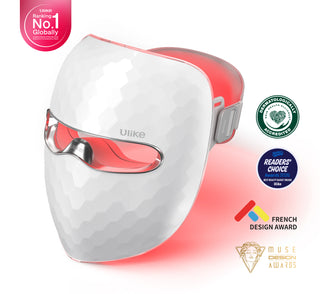
Once you're outside of the pregnancy, menstruation, or breastfeeding windows and any relevant questions are addressed with your provider, Ulike ReGlow Mask offers several modes suited to different needs:
- Four targeted modes in one device— Firm Mode (red 630nm + infrared 830nm) stimulates collagen for plumper skin and fewer wrinkles, Rejuvenate Mode (yellow 590nm + infrared 830nm) strengthens the barrier and calms redness, Clear Mode (blue 465nm + red 630nm + infrared 830nm) targets acne-causing bacteria, and Glow Mode (yellow 590nm + red 630nm + infrared 830nm) brightens tone and dullness.
- Built-in silicone eye seal— blocks glare and keeps sessions comfortable without a harsh, glaring sensation.
- A tested, moderate schedule— 3 sessions a week, 1-2 modes per session, under 20 minutes total; Glow and Clear run 5 minutes, Firm and Rejuvenate run 8 minutes.
- Layered scientific and regulatory backing— FDA-cleared for full-face wrinkles and mild-to-moderate inflammatory acne, backed by photobiomodulation researcher Dr. Michael R. Hamblin, and certified by SGS and the Skin Health Alliance.
Rejuvenate Mode's yellow-and-infrared combination, for instance, is a gentler option that skips blue light entirely, making it a reasonable place to start once you've resumed your routine. If you'd like to compare modes and specs side by side, the rest of Ulike's LED Light Therapy Devices collection is worth a look.

Part 8: Conclusion
Ulike's own product-specific guidance is intentionally more conservative than general population research on red light therapy, and that guidance should always take priority over general assumptions, alongside input from your own healthcare provider. This article is educational information only, not a substitute for individualized medical advice. Pregnant and breastfeeding readers deserve a direct answer, and this guide gives one: Ulike's own guidance advises against use during these windows, and the honest, responsible path is to check with your provider before starting or resuming any light-based device.
Part 9: Frequently Asked Questions
Q1: Is red light therapy safe during pregnancy?
Ulike specifically advises against using the ReGlow mask during pregnancy, since hormonal fluctuations during this period may increase skin sensitivity. Consult a healthcare professional to determine what's appropriate for your individual situation.
Q2: Can I use an LED face mask while breastfeeding?
Ulike's guidance advises against using the ReGlow mask while breastfeeding, given the potential for increased skin sensitivity during this period. Check with your healthcare provider before resuming or starting light therapy.
Q3: Can I use my LED mask during my period?
Ulike specifically advises against using the ReGlow mask during menstruation, since hormonal fluctuations during this time may increase skin sensitivity and potentially cause discomfort.
Q4: Besides pregnancy, who else should avoid using ReGlow?
Ulike's guidance also advises against use for people with heart conditions, those who are intoxicated or unconscious, people with reduced ability to sense temperature or stimuli, those with autoimmune diseases, and anyone within 2 weeks of surgery.
Q5: Why is Ulike's pregnancy guidance more conservative than some general research?
Manufacturers often set conservative, blanket usage guidelines for a broad population, even when general scientific literature hasn't identified a clear mechanism for harm, since individual circumstances can vary significantly.