




Does Wearing a Hat Cause Hair Loss in Women?

Do you love wearing hats, especially in the summer when they become a mandatory accessory to elevate your style and protect you from the sun’s rays? But did you also notice that your hair started thinning since you were wearing hats?
And do you think hats are the culprit to your hair loss? Well, many women do that because of a myth saying hats cause hair fall. However, is it true, or are these just myths?
Many women believe that hats contribute to hair loss due to widespread misconceptions. Understanding the facts can help dispel these myths.
Let us find out “Does wearing a hat cause hair loss in women” along with tips to reduce and prevent hair loss so that you do not have to give up on your go-to accessory.
It's important to explore the relationship between hat-wearing and hair health, especially since many women enjoy wearing hats for fashion or protection.
Table of Contents:
- Part 1: Effects of Wearing A Hat in Women
- Part 2: What is the Association Between Wearing Hats and Hair Loss?
- Part 3: Does Wearing a Hat Cause Hair Loss in Women?
- Part 4: Can Women Suffer from Baldness?
- Part 5: Which Factors Determine Hair Loss in Women?
- Part 6: How to Prevent and Reduce Hair Loss in Women?
- Part 7: The Final Verdict
Effects of Wearing A Hat in Women

Hair loss or not, here are 4 things that wearing a hat consistently can do to your scalp and hair.
Wearing a hat regularly can influence various aspects of scalp health, which may impact hair vitality.
Reduced Hygiene
Wearing a hat every day and going out in the current weather can make your scalp prone to the accumulation of microbes. We come across dirt, impurities, and other environmental pathogens in our routine lives.
Regular cleaning of your hat is essential to minimize the risk of scalp issues and maintain overall hygiene.
If you wear a hat and do not wash it often, you confine your scalp in a way that harmful substances collect in your hair leading to poor hygiene.
Neglecting hat hygiene can lead to scalp irritation and potential hair loss, making regular washing crucial.
Traction Alopecia
Wearing tight hats that pull on your hair can cause traction alopecia. It is defined as the hair loss caused by a constant force on the hair. Traction alopecia can result from anything too tight on the scalp. For example, tight ponytails as explained in a study [1].
So, ill-fitted hats can cause it as well.
Choosing the right fit for hats is important to avoid traction alopecia, a condition that can result from constant pulling on hair.
Hypersensitivity
Hats themselves do not trigger an allergic reaction in your scalp. However, if you have an underlying allergy to the materials used in the making of a hat, its constant touch with your scalp skin can lead to a hypersensitivity reaction.
The allergy presents in the form of scalp redness and irresistible itching every time you wear a hat.
Allergic reactions to materials in hats can lead to discomfort, highlighting the need for suitable fabric choices.
Overheating of the Scalp
Always get a hat with an ergonomic design and breathable material. It is because hats made of synthetic materials with no ventilation holes can cause excessive sweating and thus overheating of the head.
What is the Association Between Wearing Hats and Hair Loss?

Based on the effects of wearing hats on scalp health and hair, there seems to be an association between hats and hair loss.
First, poor hygiene of the scalp can reduce hair growth and make the scalp prone to infections and diseases leading to hair loss. Traction alopecia can prove to be a major cause of hair thinning caused by wearing tight caps.
Moreover, itching your scalp because of hypersensitivity can loosen the hair follicles and result in hair fall. Lastly, overheating and sweating on the scalp can adversely affect the scalp health and thus condition of the hair.
Itching and overheating can lead to hair loss, as they may weaken hair follicles. Maintaining a healthy scalp environment is crucial.
Here is a simplified table to help you understand the association of hats with hair loss in women.
| Effect of Wearing Hat on the Scalp | Result |
| Tight hats | A constant pull on the hair |
| Poor Hygeine by wearing unwashed hats every day | Scalp infection and Diseases |
| Constant pull on the air | Falling of Hair from the Roots by Traction |
| Hypersensitivity to low-quality material of the hat | Hair loss because of itching |
| Reduced ventilation | Overheating and sweat accumulation |
Also, if your hair is already thin, you can increase its volume by following the tips mentioned in How to increase hair density? 7 easy & effective ways.
Increasing hair density can be beneficial, especially for those with thinning hair. Following expert tips can enhance overall hair health.
Does Wearing a Hat Cause Hair Loss in Women?

Until now, you will be sure that wearing hats can cause hair loss in women. But, let us surprise you with the fact that it is not wearing the hats that cause hair loss, but weaning the wrong hats in the wrong way.
Additionally, such hair loss is never long-lasting and can be reversed once you start wearing clean, ergonomic, and breathable hats.
Wearing appropriate hats can help mitigate hair loss, making it important to choose the right materials for scalp health.
Furthermore, wearing hats alone with no other risk factors cannot cause hair loss and there are no studies to justify the association of hair loss with hats in females. You can read more about it in an article by Cleveland Clinic [2].
Also, you can find out How to Get Healthy Hair. | Dr. Davin Lim here.
Can Women Suffer from Baldness?

While men can go bald with little to no hair on their scalp, women cannot have complete baldness. They only suffer from female pattern baldness. It means that the density of hair on their scalps is greatly reduced with visible areas of the scalp skin.
But, they have hair even if it is thin and scarce. Such baldness is mainly caused by genetics and hormonal factors [3]. Moreover, wearing hats has no association with female pattern baldness.
Which Factors Determine Hair Loss in Women?

If you are suffering from hair loss, here are the major causes of hair thinning. Also, remember that these factors along with tight and overheating hats might exacerbate your condition.
Understanding the causes of hair loss is essential, as it can help you identify potential solutions and preventive measures.
Genes and Hereditary
The number and function of our hair follicle is determined at birth. The genes from your maternal and paternal side of the family determine if you are going to have female or male pattern baldness later in your life.
Also, this is a factor that cannot be counteracted with simple remedies and you need professional treatment for this.
Professional treatment options may be necessary to effectively address hereditary hair loss, as simple remedies are often insufficient.
Hormones
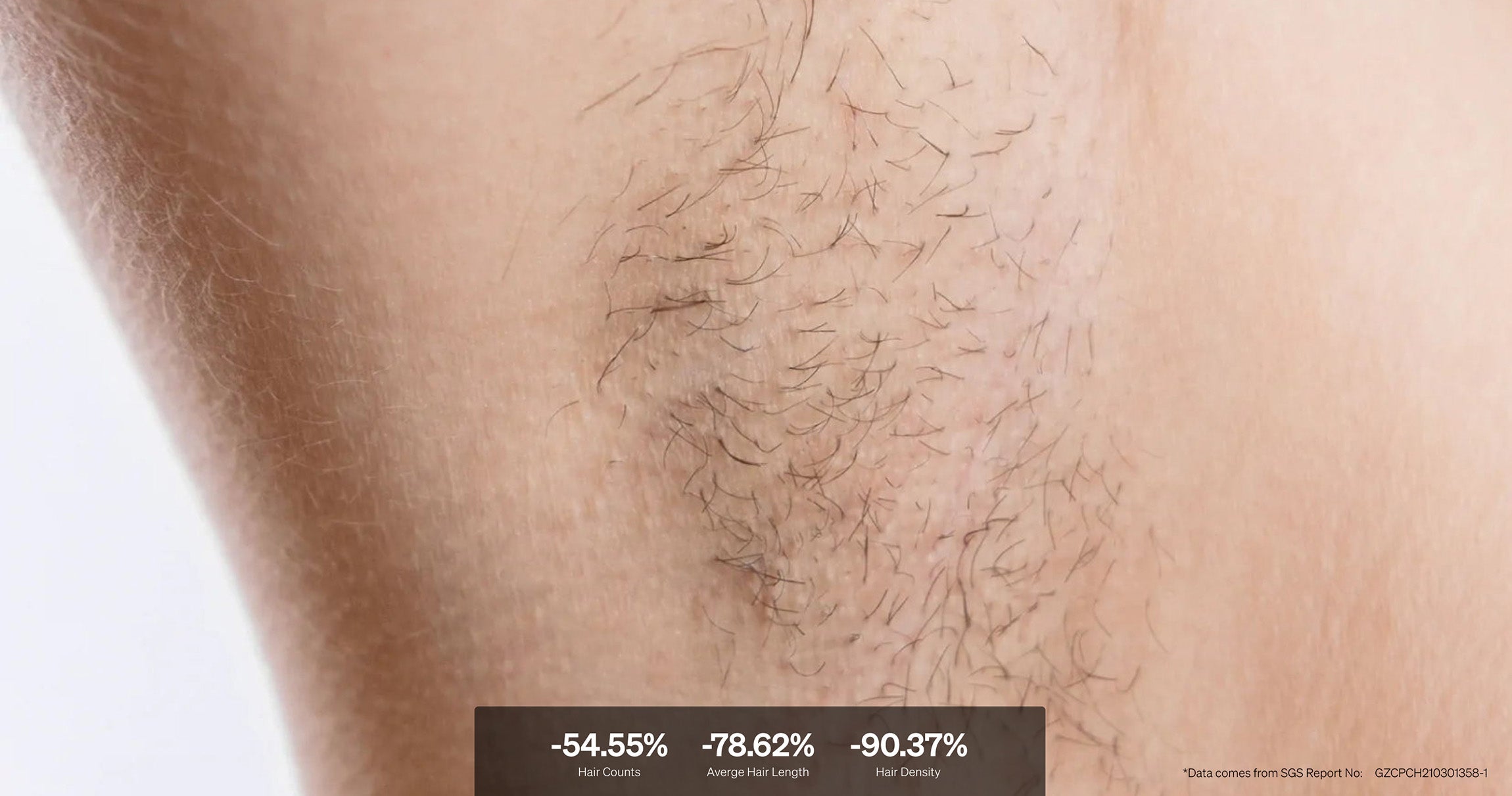
The second most common cause of hair loss in women is their hormonal status. The hormonal imbalance in PCOS is a cause of hirsutism in the body while hair loss on the scalp. You can treat hirsutism with Ulike Air 3 IPL Hair Removal for Face, Pubic & Body Hair, and for hair loss, you need to control the level of hormones.
Additionally, puberty, pregnancy, menopause, hypothyroidism, and delivery can also cause hair loss.
These hormonal changes can significantly impact hair health, often leading to increased hair shedding or thinning.
Medications and Diseases
Some medications, especially drugs used in chemotherapy cause alopecia. In this case, a woman might lose all of her scalp hair. Some hormonal drugs can also contribute to hair loss in females.
Chemotherapy medications are particularly known for causing temporary or permanent hair loss, which can be distressing for many women.
Additionally, autoimmune diseases like Lupus Erythematosus, thyroid disorders, lifestyle diseases like diabetes, and scalp infections can also cause hair loss. This type of hair loss is called alopecia areata [4].
Alopecia areata can manifest suddenly, leading to patchy hair loss, and may require a tailored approach for management and treatment.
Smoking and Alcohol
In addition to the predetermined conditions, some lifestyle habits can also cause hair loss in women. It is mainly bad diet, smoking, and alcohol that increase hair fall and reduce hair growth.
Stress
Hair loss often increases when you are going through a stressful period. It does so by interfering with the level of steroid hormones in the body and making the hair follicles dormant.
Hair loss caused by stress is classified as Telogen Effluvium which puts hair in the resting phase, alopecia areata in which the body reacts against hair follicles and trichotillomania where women pull the hair out [5].
Understanding the types of stress-related hair loss can help in identifying the right approach for recovery.
How to Prevent and Reduce Hair Loss in Women?

The effects of wearing congested hats on the scalp can be reversed, genetics can be slowed down, and the effects of lifestyle on hair can be counteracted by following ways.
Implementing preventive measures can significantly improve hair health and mitigate loss due to lifestyle factors.
So, here is how you can reduce and prevent hair loss in women.
Hair Care Supplements
The best thing you can do for your hair is to supply it with all the nutrients it needs for healthy growth, shine, and a smooth texture. Thus, start taking hair supplements that contain biotin, collagen, zinc, peptides, and vitamins.
Also, you can find The 12 Best Hair Growth Products for Women in 2024 here.
Hair Masks
Hair masks are often used to manage the frizziness and improve the texture of the hair. This makes hair smooth and free of tangles. Therefore, you won’t have to pull the hair while styling it. Consequently, hair loss is reduced.
Also, wash your hair often to prevent the build-up of products and impurities.
Regular washing is essential to maintain scalp health and prevent excess oil and product build-up.
Oil the Hair Regularly
Start oiling your scalp from today and oil your hair at least once or twice every week. You can use castor oil, coconut oil, olive oil, and other hair oils to nourish the hair and enhance its growth and density.
Home Remedies
Some home remedies that incorporate rosemary leaves, yogurt, egg, onions, yoga, hair massage, and essential oils are also known to boost hair growth. Therefore, you can reduce your hair loss by simple and easy measures at home.
Incorporating natural ingredients into your routine may enhance hair growth and overall hair health.
Treatment of Underlying Conditions
Whether it is hormonal changes, diseases, scalp infections, or side effects of medications, your hair loss will be greatly reduced once such conditions are dealt with.
Treating underlying conditions is crucial for minimizing hair loss, as addressing issues like hormonal changes or scalp infections can significantly improve hair health.
So, consult your doctor and try treating the underlying conditions of your hair loss.
It is important to seek professional advice when dealing with hair loss, as a doctor can provide tailored treatment options based on the underlying causes.
Lifestyle Changes
Lastly, we would suggest you stop smoking and reduce alcohol intake if you want healthy hair in the long run. Also, you can supplement your hair with healthy meals like vegetables and fruits.
Incorporating nutritious foods into your diet can enhance hair health, making lifestyle changes vital for long-term benefits.
The Final Verdict
The association of hair loss with wearing hats in women arises from the fact that tight and unbreathable hats can make hair prone to loss. However, no evidence suggests that wearing high-quality hats can cause hair loss.
The key takeaway is that while certain hats may contribute to hair loss, high-quality hats do not have this effect, emphasizing the importance of material and fit.
Rather, it is caused by several genetic, personal, and environmental factors as discussed earlier in this article. Also, many of such factors can be reversed.
Understanding that hair loss stems from a variety of factors can empower individuals to focus on reversible changes that may enhance their hair health.
References
-
- The “Fringe Sign” – A useful clinical finding in traction alopecia of the marginal hairline. Samrao, Aman; Price, Vera H; Zedek, Daniel; Mirmirani, Paradi. 2011. Dermatology Online Journal 17 (11): 1. https://escholarship.org/uc/item/25m840mz
- Can Wearing a Hat Make You Go Bald? Dermatologist John Anthony, MD. February 24, 2020. Cleveland Clinic: Health Essentials. https://health.clevelandclinic.org/can-wearing-a-hat-make-you-go-bald
- Female pattern baldness: Treatment and genetics. Medically reviewed by Cynthia Cobb, DNP, APRN, WHNP-BC, FAANP — By MaryAnn De Pietro. October 18, 2023. Medical News Today. https://www.medicalnewstoday.com/articles/321527#_noHeaderPrefixedContent
- Alopecia Areata. April 2021. National Institute of Arthritis, and Musculoskeletal, and Skin Disease. https://www.niams.nih.gov/health-topics/alopecia-areata
- Can stress cause hair loss? Daniel K. Hall-Flavin, M.D. Healthy Lifestyle: Stress management. May 10, 2023. Mayo Clinic. https://www.mayoclinic.org/healthy-lifestyle/stress-management/expert-answers/stress-and-hair-loss/faq-20057820
This reference discusses alopecia areata, an autoimmune condition that can lead to sudden hair loss. Understanding its causes and treatments is crucial for those experiencing hair loss.
This source explains how stress can be a contributing factor to hair loss, highlighting the importance of effective stress management for overall hair health.

Featured Products

Ulike Air 10
2 weeks to silky smooth skin.
96% Hair Density Reduction
The next-generation in simple,
lasting hair removal.

10 Female Celebrities with Sideburns Who Embrace Their Natural Beauty

Prada vs. Louis Vuitton: Which One Should You Choose?
18 Special Memorial Day Weekend Activities for Family in 2025

Explore Beauty
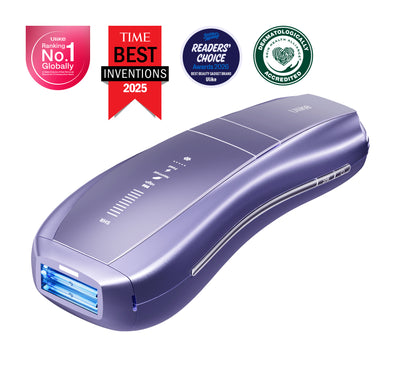
Ulike Air 10
2 weeks to silky smooth skin.
96% Hair Density Reduction in 2 Weeks
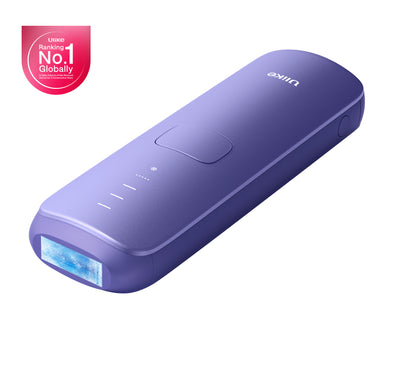
Ulike Air 3
3 weeks to silky smooth skin.
93% Hair Density Reduction in 4 Weeks
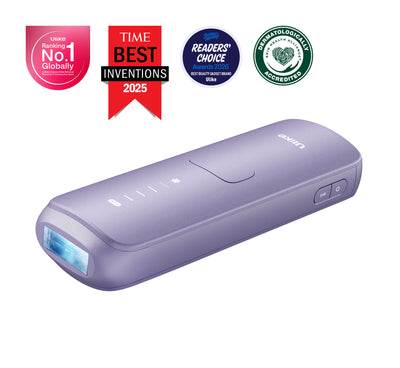
Ulike Air 4
4 weeks to silky smooth skin.
95.8% hair reduction in just 2 weeks*
Ulike Reglow
Clearer skin in 2 weeks: Fewer breakouts
Smoother skin in 4 weeks: Fewer lines, firmer feel