



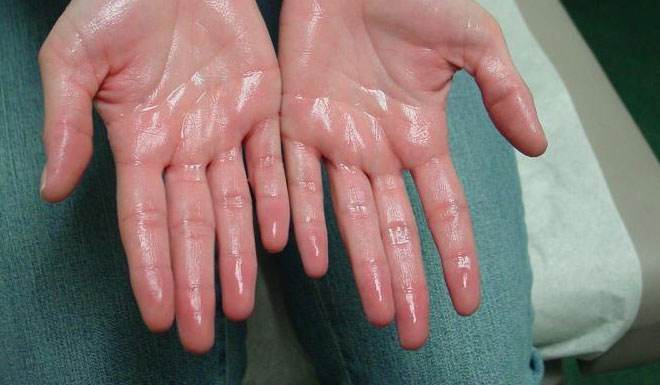
Why Do My Armpits Sweat So Much?

Sweating, a normal mechanism of balancing the temperature, can be super annoying in summer because of the itching and bad body odor associated with it.
To add to the pain, some people even sweat in the winter. Not to mention the appearance of sweat on the shirt that makes people stare and you conscious.
So, are you one of those whose armpits cannot stop sweating no matter how often you shower and do everything to keep it under control?
Excessive sweating can be frustrating, especially when it seems uncontrollable despite regular hygiene practices.
If yes, let’s find out why my armpits smell so much and what I can do to reduce this sweating.
Understanding the causes of excessive sweating is crucial for finding effective solutions to manage this condition.
Table of Contents:
- Part 1: Understanding the Physiology of Sweating
- Part 2: Primary Hyperhidrosis
- Part 3: Secondary Hyperhidrosis
- Part 4: Emotional Triggers
- Part 5: Lifestyle Factors
- Part 6: Clothing Choice and Fabrics
- Part 7: Remedies and Management Techniques
Part 1: Understanding the Physiology of Sweating

Knowing how exactly the gland functions is essential for understanding any pathology or abnormal physiology of any organ or gland.
Understanding gland function is crucial for identifying any issues related to sweating, which can help in determining appropriate treatments.
When it comes to sweating in the armpits, sweat glands are responsible. So, here is the basic knowledge about the physiology of sweating.
Armpit sweating is primarily driven by sweat glands, and knowing their function provides insight into the overall sweating process.
Role of Sweat Glands in the Body
The human body consists of over 5 million sweat glands, mainly of two types: apocrine glands and eccrine glands. The apocrine glands are located everywhere hair is and produce thick sweat.
The body’s sweat glands, especially the apocrine and eccrine glands, play distinct roles in regulating temperature and responding to various stimuli.
On the other hand, the eccrine glands are present on the whole surface of the skin and they produce watery sweat. The role of these sweat glands in the body is to regulate temperature.
Eccrine glands play a crucial role in maintaining body temperature by producing sweat, which is essential for thermoregulation.
This happens through evaporative cooling. It means that sweat glands are stimulated whenever the temperature of the surroundings rises. And the sweat that is produced evaporates to give a cooling sensation.
This process of evaporative cooling is vital for preventing overheating, especially in warm conditions.
Normal Thermoregulatory Sweating
The hypothalamus is a control center for temperature regulation. It senses an increase in temperature and sends signals to sweat glands through postganglionic sympathetic innervation.
The hypothalamus is a key player in temperature control, acting as the body’s thermostat to maintain optimal conditions.
In response, sweat glands produce sweat that reduces the body’s temperature by evaporation.
Through this mechanism, the body can effectively cool down, highlighting the importance of sweat production in thermoregulation.
Abnormal Excessive Sweating
Normal sweating is a response to hot temperatures, emotional status, stress, spicy food intake, and even hormonal imbalance. However, abnormal excessive sweating is sweating in the absence of these triggers or sweating more than usual even when such stimuli are present.
It occurs when the weather is pleasant or cold, you are in a happy mood, there is no menses or menopause, and you are resting.
Such sweating can be confusing and may indicate underlying issues, even when conditions seem ideal.
Sweating, as a multifactorial Trait
Although the major role of sweat production in the body is to balance the body heat with the environmental temperature, it is affected by several other factors as well.
These additional factors can include emotional states and various physical conditions that influence sweating.
Similarly, abnormal excessive sweating, also called hyperhidrosis, can have several aetiologies. It is mainly divided into primary hyperhidrosis and secondary hyperhidrosis.
Understanding these types can help in identifying appropriate treatments for those affected by excessive sweating.
The difference between the two, along with other factors that trigger normal sweating and excessive sweating, is given below.
Part 2: Primary Hyperhidrosis

Primary hyperhidrosis is when the body sweats excessively without any trigger or known cause. It is an idiopathic entity that is believed to result from a genetic mutation as it runs in families.
Also known as primary focal hyperhidrosis, you are more likely to sweat on the hands, feet, armpits, and face if you have this condition. The patients usually present before their mid-twenties. So, if you wonder why my armpits sweat so much even with deodorant, this is the cause.
Furthermore, it is a chronic disease that is difficult to manage with home remedies and general measures. Therefore, medical or surgical intervention is needed in this condition.
Managing primary hyperhidrosis often requires professional assistance, as self-care methods may not be effective.
Part 3: Secondary Hyperhidrosis

Secondary hyperhidrosis means excess sweating secondary to a known condition. It can occur in specific areas of the body just like primary hyperhidrosis and can be generalized as well.
This is the answer to those wondering why my armpits sweat so much even when I’m not hot. So, the conditions that can result in secondary hyperhidrosis are given as,
Understanding secondary hyperhidrosis is crucial, as it directly relates to underlying health conditions that may require attention.
- Endocrine Disorders: Diseases that affect certain metabolic hormones in the body lead to hyperhidrosis. These include acromegaly, hyperthyroidism, carcinoid syndrome, and adrenal hyperplasia.
Endocrine disorders can significantly impact metabolic hormones, potentially leading to excessive sweating that may need medical evaluation.
- Hormonal Changes: Hormonal changes during pregnancy and menopause can also cause excessive sweating in the body.
Hormonal changes, particularly during pregnancy and menopause, can lead to fluctuations in sweat production and may warrant discussion with a healthcare provider.
- Systemic Diseases: Lifestyle disorders like hypertension and diabetes, psychotic disorders like anxiety, terminal illnesses like cancer, cardiovascular diseases like heart failure, and neuroendocrine disorders like Parkinson’s disease also lead to hyperhidrosis.
Systemic diseases, including hypertension and diabetes, might contribute to excessive sweating, highlighting the need for comprehensive health management.
- Medications: Excessive sweating is a side effect of some medicines, including levothyroxine, naproxen, albuterol, omeprazole, and more.
Being aware that certain medications can cause excessive sweating may help in managing symptoms effectively.
As the cause of secondary hyperhidrosis is well-known, treating the cause will treat it as well.
Part 4: Emotional Triggers
Emotional triggers such as anxiety, stress, fear, pain, and nervousness activate the fight-and-flight system of the body. It is the same sympathetic system that innervates the sweat glands.
Understanding emotional triggers can help manage sweating, as they directly impact the body's response to stress.
Because of common innervation, sweat glands are also triggered which results in the production of excessive sweat. This is especially true for apocrine glands that are present in the armpits making you sweat excessively.
Excessive sweating from apocrine glands can be a concern, particularly in social situations.
In these cases, you must learn to control your emotional activity to control excessive sweating. Therefore, meditation exercises, yoga, and even psychological therapy are appreciated.
Practicing relaxation techniques can be effective in managing stress-related sweating.
Part 5: Lifestyle Factors

Lifestyle factors play an important role in determining how much you will sweat. From body weight and exercise to diet and hydration, the lifestyle factors below affect hyperhidrosis.
Making mindful lifestyle choices can significantly reduce the severity of hyperhidrosis.
- Diet: Food that activates the digestive system intensely can also activate the sweat center. These include spicy foods, hot sauces, chili powders, and more.
Choosing the right foods is essential, as certain items can exacerbate sweating.
- Hydration: Dehydration can cause compensatory sweating in the body.
Staying hydrated is crucial to avoid compensatory sweating due to dehydration.
- Alcohol and caffeine: Alcohol and caffeine both increase metabolism and cause dehydration, which contributes to excess sweating.
Moderating alcohol and caffeine intake can help manage excessive sweating more effectively.
- Environment: If you live in a hot country or the weather of your state is hot, your body will sweat more to balance the temperature.
Therefore, if you notice that any of these factors might cause you to sweat more than necessary, it is a sign that you need to change your lifestyle habits.
Recognizing these lifestyle factors is essential, as they can significantly impact your overall sweating levels and comfort.
Part 6: Clothing Choice and Fabrics

If your clothes are airy and breathable, you won’t sweat as there will be enough ventilation to manage the temperature in the body. Also, even if you sweat, it will evaporate quickly and you will face no embarrassment or discomfort because of the sweat sticking to your body.
Synthetic clothes like polyester and nylon are not breathable. So, they can make you sweat more. On the other hand, natural fibers, including cotton, silk, and linen, are lightweight and breathable. Therefore, opt for dresses made of these materials if you want to sweat less.
Part 7: Remedies and Management Techniques

The tricks and tips to deal with excessive armpit sweating are given in how to get rid of armpit smell here. Below are the remedies and management techniques to reduce sweating.
Anti-Perspirants
The first easily accessible treatment for hyperhidrosis is antiperspirants. These agents reduce sweat production by the glands and block the ducts to prevent sweat from coming up on the skin’s surface.
Using antiperspirants effectively can make a noticeable difference in managing excessive sweating, especially for those dealing with hyperhidrosis.
Aluminum chloride is the most commonly used ingredient for this purpose. Therefore, pay attention to the ingredients of the deodorants you buy to see if they can help you with excessive sweating.
Understanding the role of aluminum chloride can help you select products that are more likely to be effective for your specific sweating issues.
Also, check the best deodorants for smelly armpits in females and the best antiperspirants for men here.
Prescription Medications
Antiperspirants have a low to moderate concentration of aluminum chloride in them. If they do not work strongly enough to deal with the excess sweat production in your armpits, you can get a prescription to reduce sweating.
Prescription options may provide a more effective solution for those who find over-the-counter products insufficient in managing their sweating.
These include a wipe cloth infused with glycopyrronium tosylate, a high-concentration aluminum chloride gel, and sweat control patches. Additionally, oral medicines like anticholinergic drugs, beta-blockers, and antipsychotics can be used in severe cases as well.
Consulting with a healthcare provider is advisable to determine the best course of action for severe sweating conditions.
Botox Injections
Botox is a relaxing agent prepared from botulinum toxin. While it is mainly used for face lifting, it can also treat hyperhidrosis. A calculated amount of botox is injected subcutaneously into the hypersensitive nerve endings, relaxing them.
Botox injections have become a popular solution for many seeking to manage excessive sweating, known as hyperhidrosis.
Consequently, there is little to no stimulation of the sweat glands. It is important to receive this treatment from a qualified professional. And one injection can help you stay sweat-free for several months.
Receiving treatment from a qualified professional ensures safety and effectiveness, as improper administration can lead to adverse effects.
Medical Treatment Options for Severe Cases
The medical treatment options for hyperhidrosis in refractory cases are given as,
Understanding these medical treatment options is crucial for those struggling with severe hyperhidrosis, as they may provide relief when other methods fail.
- Microwave thermolysis: It is the destruction of sweat glands by applying thermal energy, similar to a laser.
- Ionotrophoresis: In this procedure, water and electric current are used to put hyperactive sweat glands into a resting phase.
- Sweat gland excision: Here, sweat glands are excised from the skin to reduce their number.
- Liposuction: It is the process of removing sweat glands from the skin using suction.
- Endoscopic transthoracic sympathectomy: In this procedure, the nerve ending for sweating is cut out from the skin.
Conclusion
Underarm sweating is unpleasant, especially when it is not related to season and environmental temperature. Genetics, medications, diseases, lifestyle, and mental health play important roles in these cases.
Understanding the causes of underarm sweating can help individuals identify potential triggers and seek appropriate solutions.
But do not worry, as hyperhidrosis, regardless of its cause, can be treated. The treatment is based on topical, minimally invasive, and invasive surgeries. Additionally, lifestyle changes and over-the-counter medications can be effective as well.
Consulting with a healthcare professional is advisable to determine the most suitable treatment options tailored to individual needs.

Featured Products

Ulike Air 10
2 weeks to silky smooth skin.
96% Hair Density Reduction
The next-generation in simple,
lasting hair removal.
10 Female Celebrities with Sideburns Who Embrace Their Natural Beauty

Prada vs. Louis Vuitton: Which One Should You Choose?
18 Special Memorial Day Weekend Activities for Family in 2025

Explore Beauty
Ulike Air 10
2 weeks to silky smooth skin.
96% Hair Density Reduction in 2 Weeks
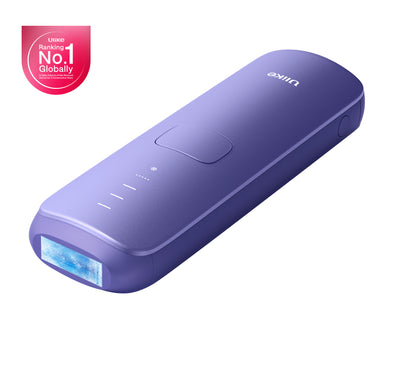
Ulike Air 3
3 weeks to silky smooth skin.
93% Hair Density Reduction in 4 Weeks
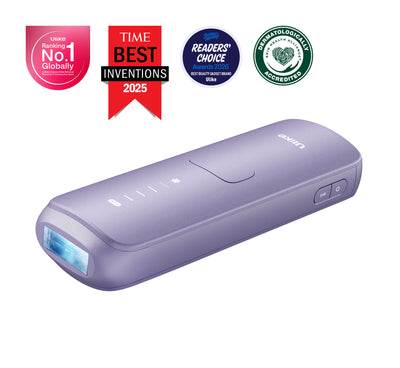
Ulike Air 4
4 weeks to silky smooth skin.
95.8% hair reduction in just 2 weeks*
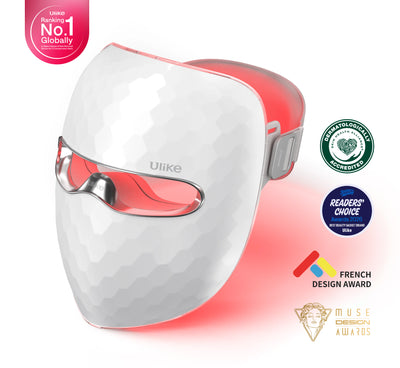
Ulike Reglow
Clearer skin in 2 weeks: Fewer breakouts
Smoother skin in 4 weeks: Fewer lines, firmer feel