



10 Tips to Fix Sun-Damaged Hair, 2025

You might have enjoyed tanning in the sun during your beach visit, but your hair might not have liked this exposure. If you have ever noticed that after sun exposure, your hair turns dry, less shiny, and becomes brittle, this can result from sun damage. Fortunately, with a little care and attention to your hair, you can restore its health.
How Can The Sun Damage Your Hair?
Sun-damaged hair is a common problem, particularly in places with high UV exposure. When combined with other environmental elements like salt water and chlorine, ultraviolet (UV) radiation can change hair fibers’ biochemical and structural composition. Thus, these changes can cause dryness, brittleness, split ends, and a higher chance of hair breaking.
The Ten Methods For Treating Sun-Damaged Hair Are
1. Hydrate your hair.

Furthermore, you can mix such oils in your sulfate-free shampoo or conditioner, a qualitative investment for keeping hair healthy.
2. Trim Your Hair.
Hair strands only grow about half an inch every month and some people love their long hair and cannot think about the idea of chopping them just because of exposure to sunlight. Hair is composed of keratin protein, connected by disulfide bonds. When the hair is exposed to sunlight, the UV rays cause the breakdown of this bond, resulting in weaker hair structure, dry hair, hair decoloration, and the formation of split ends. Therefore, trimming your hair regularly can help you prevent sun-induced hair damage and promote hair growth. If you have regular exposure to the sun, recommendations for trimming your hair are:
| Hair length | Trimming frequency |
| Short | four to six weeks |
| Medium | six to eight weeks |
| Long | Eight to twelve weeks |
3. Apply UV-Protection Leave-In Conditioners.

4. Hair Deep Conditioning
Natural UV protection for hair shafts comes from a hydrophobic lipid layer. Long exposure to heat, environmental factors, and sun radiation can degrade this lipid barrier, causing photodegradation and leading to hypopigmentation or damaged hair. Studies have demonstrated that humectants, shea butter, and honey present in hair masks, conditioners, and sprays can improve hair elasticity and hydration by repairing the lipid barrier. Frequent conditioning improves the health of the hair and prevents split ends and thinning. You must apply conditioner after shampoo; apply from chin level to hair ends. Leave it for 5 to 10 minutes, and then rinse it off. Do not apply conditioner to the scalp.
5. Strategies To Prevent Direct Sun Exposure

6. Avoid styling with heat.
Hairstyles always help to highlight your personality. However, using heating tools such as irons, curlers, or other tools for a long period of time on a regular basis will damage your hair. Heating procedures always lead to increased hair fragility and prosperity.
Artificial heat exposure makes hair susceptible to ultraviolet radiation damage. UV rays further damage hair; this vicious cycle continues until you take precautionary measures. Apply heat-resistant serums or sprays when using heating tools for hairstyling and leave-in conditioners when hair is exposed to the sun.
7. Rinsing with cool water

Cool water not only soothes the scalp’s inflammation after sun exposure but also prevents moisture loss and reduces frizz.
8. Role of Nutrients in Sun-Damaged Hair
Sun exposure can cause damage to hair but stronger hair is more resilient. Stronger hair, however, requires a diet high in nutrients. The synthesis of keratin protein is directly aided by biotin, a type of vitamin B7. A diet high in biotin can help repair hair damage caused by sun exposure by fortifying hair follicles, stimulating hair growth, and enhancing lipid barriers and elasticity in the hair. Nuts, seeds, and eggs are sources of biotin. When exposed to UV radiation, vitamin C shields the scalp from oxidative stress and the production of free radicals. Sebum acts as a natural oil to keep hair hydrated. Its production depends on vitamin A. Additional minerals like zinc and iron, proteins, and fatty acids like omega 3, 6, and 9 are necessary to stop hair damage or loss.
9. Prevent Mechanical Breakage of hair

10. Seek Professional Treatment.
If the UV-ray exposure has already caused untreatable damage to your hair, you should consider getting professional assistance. Treatments like keratin, hair botox, hair facials, olaplex treatments, Brazilian blowouts, hydra facial curative, hair cryotherapy, scalp micro pigmentation, and caviar hair treatment can potentially improve frizzy hair, split ends, hair thinning, discoloration, and dryness caused by sun exposure. The selection of such treatments always depends on your hair type, your preferences, and advice from the hair expert.
Summary
No one wants to regret missing beaches or outdoor summer parties because of the fear of getting dry and frizzy hair from prolonged sun exposure. Hair, like other parts of your body, needs care and attention. Fortunately, you can efficiently protect your hair from sun damage by following precautionary measures. Sometimes, advanced professional hair treatments can help you get shiny and smoother hair to enjoy your summer vacations.
FAQ
Q1: How can I treat sun-damaged hair at home?
Natural ingredients help moisturize and repair damaged hair. But these DIY hair masks do not ensure quick results. There are a number of recipes to prepare hair masks at home, including egg masks, yogurt masks, and banana hair masks. One of our expert hair stylists suggests that to repair UV-exposed hair, you can mash the avocado, add a tablespoon of honey, coconut oil, and aloe vera gel, and mix them, making a paste-like consistency. Dampen your hair and apply the mask thoroughly. After letting it sit for 30 to 45 minutes, rinse it well under cold water. Afterward, you can wash your hair with your regular sulfate-free shampoo and conditioner. For better results, use this mask once a week.

Featured Products

Ulike Air 10
2 weeks to silky smooth skin.
96% Hair Density Reduction
The next-generation in simple,
lasting hair removal.

Should I Wash My Face in the Morning?

Is Rose Water Good for Your Face?

PCOS Facial Hair: Symptoms, Causes And How to Stop It

Explore Beauty
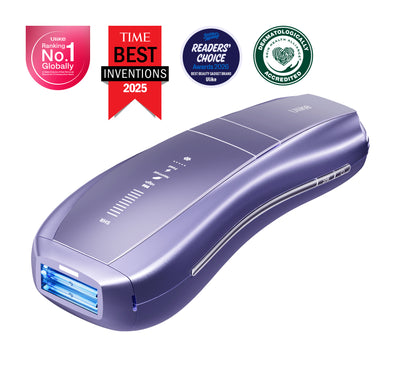
Ulike Air 10
2 weeks to silky smooth skin.
96% Hair Density Reduction in 2 Weeks
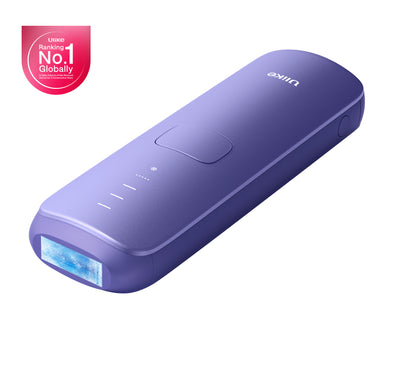
Ulike Air 3
3 weeks to silky smooth skin.
93% Hair Density Reduction in 4 Weeks
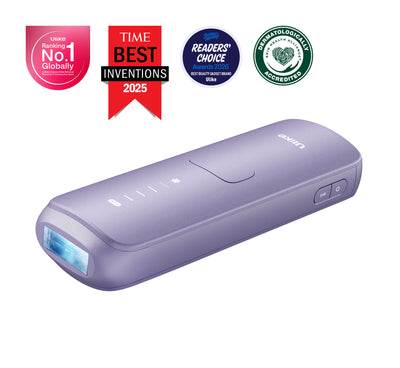
Ulike Air 4
4 weeks to silky smooth skin.
95.8% hair reduction in just 2 weeks*
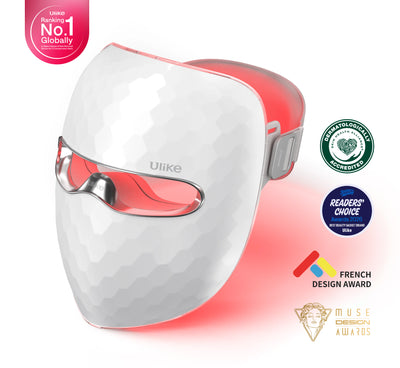
Ulike Reglow
Clearer skin in 2 weeks: Fewer breakouts
Smoother skin in 4 weeks: Fewer lines, firmer feel