





20 Benefits of Turmeric: For Skin, Hair, and More

Have you ever observed how Indians use turmeric in almost every recipe and how the Chinese make their conservative medicine with turmeric? This is because turmeric, also known as Indian Saffron, is a magic ingredient for almost every body part.
Turmeric can help you, whether it is your hair and skin that adds to your appearance or your gut, heart, and brain that ensures your physical and mental well-being. Now you will be wondering how it is possible for a single little plant to be so beneficial, right?
Well, hold on, as you will believe it all once you read the information based on scientific evidence. So, let us see what turmeric has in its roots for your hair, skin, and viscera.
Scientific evidence supports the numerous benefits of turmeric, making it a valuable addition to your wellness routine.
Table of Contents:
- Part 1: What are the Nutrients Present in Turmeric?
- Part 2: Benefits of Turmeric for Skin
- Part 3: Benefits of Turmeric for Hair
- Part 4: Benefits of Turmeric for Body
Part 1: What are the Nutrients Present in Turmeric?

With a little bit of protein, fats, and sugar, turmeric offers a good amount of carbohydrates and fiber, providing energy and digestion. In addition, it contains manganese, iron, potassium, and vitamin C, sodium, riboflavin, niacin to fulfill approximately ¼ of your daily requirement of these nutrients.
The major content of turmeric which is responsible for its countless benefits is curcumin, a phytochemical which is known for its medicinal properties. These details about the nutritional contents of turmeric have been stated in an article by Medical News Today [1].
Part 2: Benefits of Turmeric for Skin
Starting from the skin, which is one of the most delicate yet strong organs, let us see what turmeric can do for you.
Turmeric's properties can enhance skin health by potentially providing nourishment and protection against various skin issues.
1. Brightens the Skin

Turmeric contains vitamin C, one of the top ingredients known for its skin-brightening properties. This helps in reducing areas of hyperpigmentation and uneven skin tone on the face and other parts of the body.
Vitamin C is crucial for skin health, as it aids in reducing hyperpigmentation and promoting an even complexion.
Additionally, it reduces skin redness and inflammation and boosts the natural complexion of the skin. A clinical trial shows that the usage of extracted turmeric oil proved to lighten the skin in the axilla [2]. Furthermore, papaya can also be used for skin lightening as explained in Papaya’s skin benefits and how to use it.
2. Prevents Pre Mature Aging
The curcumin of turmeric is a potent anti-oxidant and vitamin C adds to the free-radical resisting ability of Turmeric.
Curcumin helps neutralize free radicals, which can contribute to premature aging by damaging skin cells.
So, it helps to strengthen your skin to fight against the environmental factors that damage the skin and make it prone to the appearance of fine lines, wrinkles, and age spots. Consequently, your skin glows and appears youthful.
Environmental factors such as pollution and UV radiation can accelerate skin aging; turmeric may offer protection against these effects.
Moreover, you can know about several other antioxidants for skin health here.
3. Reduces the Incidence of the Acne

Acne is mostly caused by the clogging of pores due to the overproduction of oils and bacterial infection. Turmeric has anti-microbial properties to kill bacteria and anti-inflammatory properties to soothe acne.
Anti-inflammatory properties in turmeric can help reduce the redness and swelling associated with acne breakouts.
In addition, turmeric regulates the production of oils and helps cleanse the skin due to its anti-pectic properties. So, it reduces the incidence of acne and also fades acne scars. An informative article by Pharma Tutor explains how turmeric can be used for the treatment of acne vulgaris [3].
4. Treats Several Skin Conditions
Turmeric can be successfully used in the treatment of dermatitis and eczema because it reduces the swelling, redness, and skin irritation that are characteristic of these conditions. It can be used in the treatment of scabies as well.
Using turmeric in skincare may help alleviate symptoms related to skin conditions, promoting overall skin health.
Additionally, it helps in the treatment of psoriasis, in which there is dry and thick skin. It presents in the form of flare-ups. Turmeric can be used to calm and reduce these. A randomized controlled trial evaluates the usage of turmeric for several skin conditions like eczema [4].
5. Helps in Treating Dark Circles

Dark circles can be genetics or acquired. Genetic ones are difficult to treat while acquired ones can be treated by removing the cause. However, turmeric can be used to reduce the appearance of dark circles.
Dark circles can be influenced by various factors such as lack of sleep, stress, and dehydration, making turmeric a potential natural remedy for reducing their appearance.
It does so by brightening the hyperpigmented under the eye’s skin, improving blood circulation, and stimulating lymphatic drainage. In this way, it treats both dark circles and under-eye puffiness. This effect of turmeric has been illustrated in a study [5].
6. Helps in Nourishing and Moisturizing the Skin
The mineral and vitamins present in turmeric are essential nutrients that the skin needs. Additionally, it helps in maintaining the moisture content of the skin by balancing natural oil production.
Maintaining skin moisture is crucial for preventing dryness and keeping the skin looking youthful, and turmeric plays a role in supporting this balance.
So, applying turmeric masks added with your favorite ingredients can help you make the skin well-nourished, moisturized, and healthy.
Turmeric masks can be customized with ingredients like honey or yogurt to enhance their nourishing and moisturizing effects for your skin.
7. Adds an Instant Glow to the Skin
Turmeric is added to skincare products and DIY homemade remedies as it soothes the skin and makes it radiant. This is why turmeric face packs have been used in Indian culture for centuries to add an instant glow to the skin.
8. Helps in Healing the Skin and Fading Scar Marks

The curcumin in turmeric helps in stimulating the release of active chemicals that cause healing in the body. Similarly, it reduces the inflammatory mediators that delay the healing process. So, regular application of turmeric on wounds can help the skin heal faster.
Moreover, turmeric improves the removal of dead skin cells while allowing the skin to regenerate new cells. As a result, the dark spots and scar marks also fade away.
Fading scar marks can significantly improve skin appearance, and turmeric's regenerative properties make it a popular choice for natural skincare routines.
9. Reduces Facial Hair
One of the best things that turmeric can do to make your skin smooth is reduce facial hair which is an eye sore. It does so by inhibiting the growth of hair from the hair follicles. The usage of turmeric extract oil is specifically beneficial for reducing facial hair growth as has been explained in a study [6].
As hair removal with turmeric can take a while, you can choose Ulike Sapphire Air 10 IPL Hair Removal Device for long-lasting hair removal within 2 weeks at an economical cost. Furthermore, check out the Best ways to remove facial hair permanently at home.
Part 3: Benefits of Turmeric for Hair
Not only skin, but turmeric can also help you deal with hair concerns as well.
Turmeric's benefits extend beyond skin health, as it can also contribute positively to hair health and appearance.
1. Treats Dandruff in the Hair

Dandruff is actually an infection of the scalp which presents in the form of a dry and itchy scalp having a flaky white material. Turmeric works as an anti-microbial agent to kill the fungi and bacteria giving rise to dandruff in the hair.
Additionally, it reduces the inflammation caused by itching in the scalp and helps your head and hair relax. You can add turmeric to your favorite oil to allow the nutrients of turmeric absorb into your hair.
2. Improves the Hair Growth
The antioxidants present in turmeric enable your hair to fight environmental damage. It also strengthens the hair strands and stimulates the growth of the hair by supplying it with vitamins, polyphenols, and minerals.
Improved health and vitality of your hair can be achieved by consistently using turmeric, as it nourishes and protects against damage.
Additionally, turmeric improves blood flow to the scalp and thus boosts the supply of nutrition and the removal of wastes in that area. This has been explained in an extract by the Journal of Dermatology [7].
3. Helps in Maintaining Natural Hair Color
Turmeric powder and extracts have been used in the formation of hair dyes because of the beautiful yellow color that it imparts. Additionally, turmeric preserves the color and helps your dye last for a long time without greying the hair.
So, it is a natural resource used in the synthesis of hair colors as stated in a pharmaceutical journal [8].
4. Prevents Hair Loss

Hair loss commonly results from poor scalp health, overproduction of oils, inflammation, and imbalance of hormones. Turmeric improves the health of the scalp, regulates the oil produced by it, reduces inflammation, and finally balances the hormones.
By addressing these common causes, turmeric may help in promoting a healthier scalp and reducing hair loss effectively.
So, it prevents hair loss. The effect of turmeric in balancing hormones is evidenced in a clinical study [9].
Part 4: Benefits of Turmeric for Body
Lastly, below are the benefits of turmeric for general physical health.
This section explores how turmeric can contribute to overall wellness and support various bodily functions.
1. Helps in Relieving Inflammation
Curcumin in turmeric inhibits the production of inflammatory chemicals in the body. So, the presence of phytochemicals in turmeric has enabled it to reduce the swelling, redness, and tenderness in the joints caused by chronic inflammatory diseases, especially if they are involving the joints.
One such disease is arthritis and turmeric capsules are now used in the treatment of arthritis to reduce pain as prescribed in several citations of the arthritis foundation [10].
2. Fights Against Free Radicals

Free radicals are one of the biggest enemies of the body. Whether they are produced because of unprotected sun exposure, environmental factors, or industrial wastes, they are harmful.
Free radicals are unstable molecules that can damage cells, leading to various health issues.
Turmeric has the ability to fight free radicals because of its structure which neutralizes the free radicals and reduces their production. It also helps in strengthening the defense mechanism of the body against such harmful factors.
By neutralizing free radicals, turmeric plays a key role in strengthening the body's defenses against oxidative stress.
The antioxidant properties of turmeric have further been elaborated in an article published in PubMed [11].
3. Helps in Alleviating the Pain
Pain is caused because of the stimulation of the nerves and tenderness is mainly because of activation of inflammatory mediators that collect in one tissue giving rise to pain. Turmeric capsules have been used to reduce pain as a method of pain relief.
A study was carried out on 107 patients to see how effective turmeric is to alleviate the pain of patients suffering from chronic inflammatory disorders and joint diseases [12]. Moreover, turmeric can be as useful as ibuprofen as a painkiller.
4. Can Boost Functions of the Brain

Curcumin can be used to boost the physical, mental, and emotional functions of the brain. First of all, it helps in dealing with depression and improves mental stability.
Curcumin's ability to enhance brain functions may contribute to improved mood and cognitive clarity.
Then it reduces the symptoms of Alzheimer’s disease by crossing the blood-brain barrier to reach the brain where the non-functional proteins of the brain are accumulated causing memory problems. Turmeric dissolves these protein aggregates.
This action of turmeric on brain proteins suggests it may help support memory and cognitive function in aging individuals.
Moreover, it improves the consciousness, creativity, learning ability, and working capacity of the brain. It does all of these by stimulating the production and release of brain-derived neurotrophic factors as explained in a Study [13].
Brain-derived neurotrophic factors are essential for brain function, and enhancing their production may lead to improved cognitive abilities.
5. Improves Digestion and Gut Health
The use of turmeric in the Indian curry was actually to improve the taste of the meal. The improved taste helps in getting over anorexia. Additionally, the color the turmeric adds to the food increases its palatability.
Enhancing palatability through turmeric not only makes meals more enjoyable but may also encourage better eating habits.
Not only intake of the food, but turmeric also improves digestion. So, it has been a part of Ayurvedic medicine for the symptomatic treatment of gut diseases like diarrhea and indigestion.
Ayurvedic medicine often incorporates holistic approaches, using turmeric for its potential to alleviate gut-related symptoms.
Furthermore, it can be used for the treatment of gut diseases like irritable bowel syndrome as concluded in a randomized controlled crossover trial [14].
Irritable bowel syndrome can be challenging to manage, and turmeric's potential benefits may offer relief for some individuals.
6. Decreases the Risk of Cancer

Turmeric helps to prevent cancer and fasten up its treatment as well. Cancer is actually the excess production of immature body cells and blood vessels. Curcumin prevents the immature production of cells and also prevents the development of new blood vessels that supply cancerous cells.
Consequently, cancer cells begin to die and this role is especially evident in tumors of GIT. You can know about the role of each phytochemical of turmeric in a study by PubMed [15].
Phytochemicals in turmeric may have a significant impact on cancer cell behavior, particularly in the gastrointestinal tract.
7. Reduces the Risk of Chronic Diseases
Diseases like hypertension, heart, liver, and lungs can be prevented by regular use of turmeric. Turmeric works to detoxify the body, strengthen its immunity, regulate the cellular cycle, and prevent unnecessary oxidation.
Regular use of turmeric may support overall wellness and contribute to a healthier lifestyle.
Moreover, it improves overall health and makes the body actively fight such diseases. So, it reduces the long-term risk of chronic disorders.
Active immune response and overall health improvements can be crucial in reducing the likelihood of chronic diseases.
Conclusion
Turmeric is a colored flowering plant in the family of ginger Zingiberaceae. It is an important ingredient of Indian cuisine, an ingredient under study in Western medicine, and a part of traditional recipes.
Turmeric improves the tone, texture, barrier, and appearance of the skin. It strengthens hair strands, makes them grow long, and prevents dandruff. Additionally, turmeric helps treat several diseases, such as arthritis, depression, Alzheimer’s, psoriasis, and more.
Turmeric's benefits extend beyond culinary uses, making it a valuable addition to both skincare and haircare routines.
It also helps in the prevention of premature aging, cancer, memory loss, and digestive disorders. So, the anti-inflammatory and antioxidant properties of turmeric have been explained above.
Understanding its healing properties can help individuals incorporate turmeric into their health regimens for overall well-being.

Featured Products

Ulike Air 10
2 weeks to silky smooth skin.
96% Hair Density Reduction
The next-generation in simple,
lasting hair removal.

Should I Wash My Face in the Morning?

Is Rose Water Good for Your Face?

PCOS Facial Hair: Symptoms, Causes And How to Stop It

Explore Beauty

Ulike Air 10
2 weeks to silky smooth skin.
96% Hair Density Reduction in 2 Weeks

Ulike Air 3
3 weeks to silky smooth skin.
93% Hair Density Reduction in 4 Weeks

Ulike Air 4
4 weeks to silky smooth skin.
95.8% hair reduction in just 2 weeks*
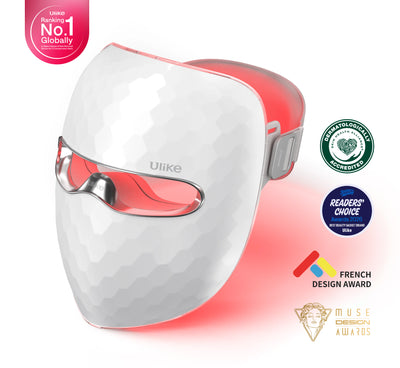
Ulike Reglow
Clearer skin in 2 weeks: Fewer breakouts
Smoother skin in 4 weeks: Fewer lines, firmer feel