















The 12 Best Foods to Eat for Skin Repair

An unhealthy diet like excessive alcohol, processed meals, and sugary drinks can damage the skin. So, the best skincare is a good diet. No matter what type of repair serums and other products you are using, you won’t get the desired results until your diet is healthy.
Eating foods rich in hydrating ingredients, vitamins, proteins, and unsaturated fats help in repairing the skin, slowing down the aging process, and preventing acne. Now, you must be wondering which foods can contain such nutrients.
Fruits, fish, vegetables, eggs, green tea, olive oil, and some seeds are the foods you need to include in your diet to get glowing and healthy skin. So, we are going to walk you through the details of the ingredients present in these foods and how such ingredients make your skin flawless.
So, let us see how some of your favorite fruits and not-so-favorite seeds and vegetables can be used for skin repair.
1. Watermelon

Additionally, it is rich in beta-carotene, Vitamin C, Vitamin A, and lycopene. These are the anti-oxidants that prevent the effects of harmful sun rays, reactive oxygen species, and chemical reactions. Consequently, it prevents premature fine lines and wrinkles, moisturizes skin, boosts collagen production, and reduces skin inflammation and redness.
Lastly, it is easy to eat. Just cut its slices, keep it in the fridge, and eat it on the go.
2. Fish

Additionally, some fish contain coenzyme Q10, which acts as an anti-agent that prevents cancer by fighting free radicals. Other fish are enriched in Vitamin E which is an anti-oxidant known to reduce inflammation.
Lastly, fatty fish also contain zinc, the mineral that boosts skin cell turnover and improves skin healing.
3. Nuts

Additionally, walnuts are enriched in omega-6 fatty acids that regulate body metabolism and enhance skin cell growth, zinc that enhances skin repair and healing, the anti-oxidant selenium, polyphenols that combat dangerous free radicals, and melatonin that improve the quality of sleep.
All these ingredients together increase the production of collagen and proteins that improve skin elasticity, makes it firm, and reduce acne marks, fine lines, and wrinkles.
4. Flaxseed

Flaxseeds can be used as it is, in a ground or seed form. Moreover, you can include flaxseed oil in your diet, or simply add flaxseeds to your morning greek yogurt and fruit breakfast. Greek yogurt provides additional benefits in repairing skin.
Our Top Picks
Terrasoul Superfoods Organic Brown Flax Seeds
Spectrum Essentials Ground Flaxseed with Berries
NatureWise Organic Flaxseed Oil
5. Bell Peppers

Additionally, vitamin C boosts the production of collagen, the protein that makes our skin youthful and firm, and helps in its repair.
6. Dark Chocolates

The major antioxidant of dark chocolate is flavonol also works as an anti-inflammatory agent.
Moreover, eating about 20 grams of dark chocolate improves blood flow through the skin and it supplies more nutrition to skin cells. Consequently, your skin becomes fresh and strong.
Our Top Picks
Endangered Species Dark Chocolate with Almonds (72% cocoa)
U Intense Dark Chocolate (78% cocoa)
7. Green Tea

Moreover, it has vitamin K which can help to reduce dark circles and eye puffiness. So, you can drink the tea and apply tea bags to your eyes.
Our Top Picks
Luzianne Decaffeinated Iced Bags
Handpick Organic Green Tea Bags
8. Eggs

These proteins boost collagen formation in the skin, vitamins help dry and aging skin, and minerals stimulate the production of new skin cells. Consequently, eating eggs regularly can provide you with the glow and skin repair you are looking for.
9. Olive Oil

As a result, skin is saved from photoaging, premature aging, and oxidants. Moreover, it becomes smooth and ageless.
Our Top Picks
Pompeian Cold Compressed Extra Virgin Olive Oil
Bragg Organic Extra Virgin Olive Oil
10. Sunflower Seeds

Thus, taking sunflower seeds or sunflower seed oil helps prevent skin infections, enhances immunity, boosts healing, and makes skin clear. Sunflower seeds play an important role in repairing skin damaged by dust, sun rays, or excessive exfoliation.
Our Top Picks
SUNBEST Natural Roasted Sunflower Seeds
Premium Nature Cold Pressed Sunflower Seed Oil
11. Sweet potatoes

The retinol of sweet potatoes is similar to topical retinol as it prevents acne, makes skin age slowly, play role in skin rejuvenation, and fights UV radiations. It does so by increasing the regeneration of skin cells, protecting the skin from the inside out, and hydrating it.
In addition to sweet potatoes, kale, broccoli, tomatoes, mango, beef liver, and milk are rich in vitamin A. Eating such foods regularly give your skin a healthy glow and a natural pinkish tint.
12. Vitamin C Rich Fruits

Fruits like kiwi, avocado, strawberry, berries, oranges, and lemons are excellent natural sources of vitamin C. Vitamin C strengthens the skin, thickens it, increases the production of collagen, treats hyperpigmentation, and prevents aging.
Such fruits also contain additional nutrients like vitamin E and vitamin A. Moreover avocados have lutein and zeaxanthin that makes skin glowy. Tomatoes have lycopene and vitamin K that boosts the supply of other nutrients to the skin and prevent sunburns.
Conclusion
Before knowing what foods help in skin repair, we need to know what damages our skin. The UV radiations from the sun, reaction oxygen species, free radicals, and lack of required micronutrients make the skin prone to damage.
Thus, increasing the intake of foods that contain antioxidants, essential minerals, and vitamins, and an adequate quantity of water can prevent skin damage along with repairing it. Moreover, such foods also make skin youthful, healthy, glowy, and smooth.
So, in this list, we have added the top 10 foods that can help to repair your skin from the inside out while making it healthy and happy. These foods include vitamin C-rich fruits, sunflower seeds, olive oil, eggs, flaxseed, green tea, watermelon, dark chocolates, bell pepper, nuts, and fatty fish.


Should I Wash My Face in the Morning?

Is Rose Water Good for Your Face?

PCOS Facial Hair: Symptoms, Causes And How to Stop It
Need guidance?

Get a free one-on-one consultation
Explore Beauty

Ulike Air 10
2 weeks to silky smooth skin.
96% Hair Density Reduction in 2 Weeks

Ulike Air 3
3 weeks to silky smooth skin.
93% Hair Density Reduction in 4 Weeks

Ulike X
3 weeks to silky smooth skin.
94% hair reduction in just 2 weeks*
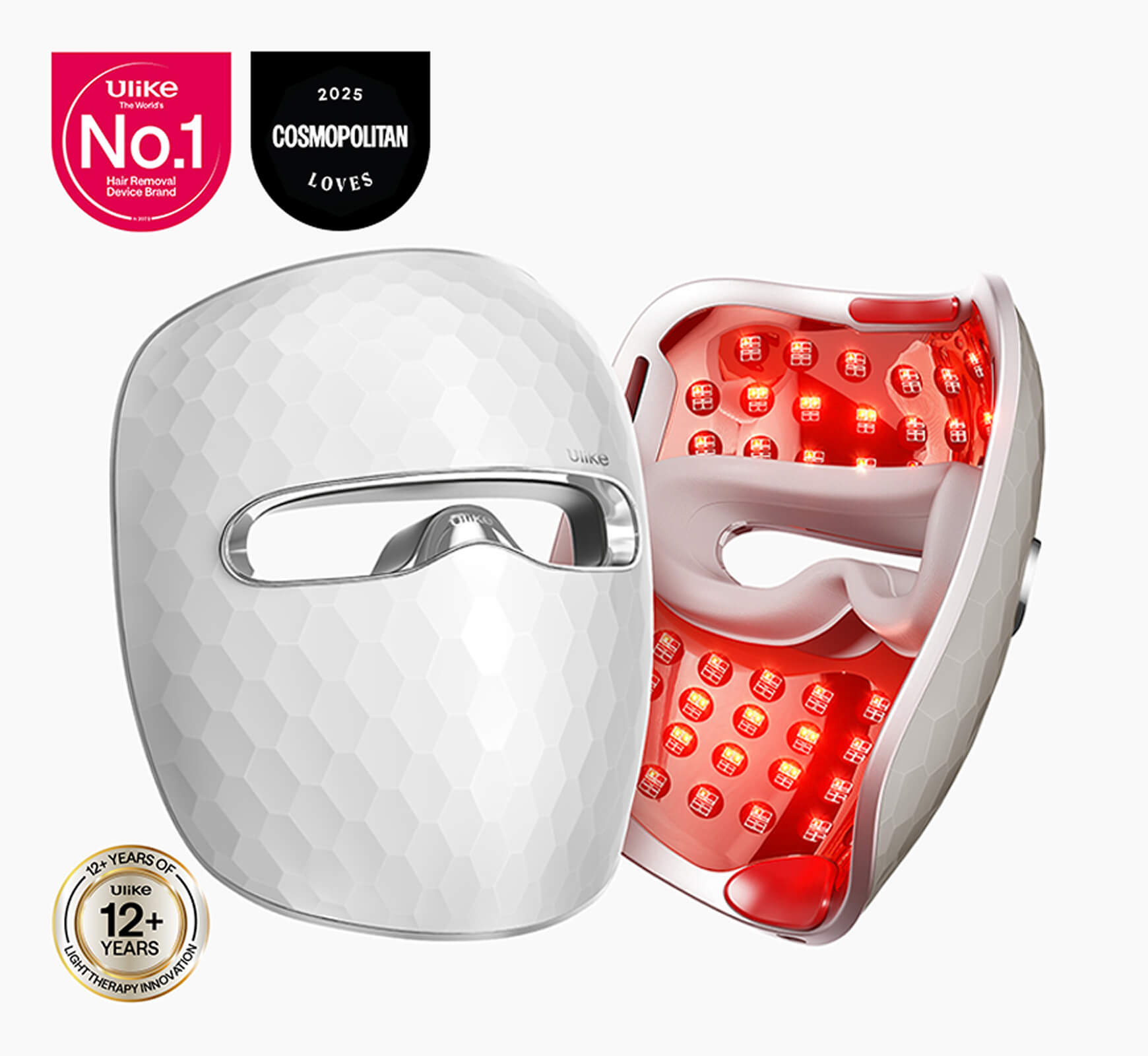
Ulike Reglow
Clearer skin in 2 weeks: Fewer breakouts
Smoother skin in 4 weeks: Fewer lines, firmer feel