















6-Week Cycling Training Program for Beginners (Detail Guide)

As cycling has been steadily growing in popularity over recent years, more and more people are looking for ways to get into the sport and to get fit. The 6-week cycling Training Program for Beginners is designed to help newcomers build a solid foundation so that they can have an enjoyable and safe experience as they become accustomed to their new activity.
This program is great for those looking to establish the basics, learn proper form, build endurance and accuracy over time, as well as burn some calories — with some participants having reported up to 500 calories burned per ride!
Establishing the basics of cycling can significantly enhance your overall fitness and performance, making it a rewarding experience.
Participants can \1 by incorporating varied intensity levels into their rides.
By varying your intensity during rides, you can not only \1 but also improve your cardiovascular health and cycling efficiency.
This program is designed to help you build a strong foundation in cycling, which is essential for long-term success and enjoyment of the sport.
A strong foundation in cycling will help you \1 more and prevent injuries as you progress to more advanced levels.
Table of Contents:
- Part 1: Benefits of a Cycling Training Program for Beginners
- Part 2: Understanding the Basics of Cycling
- Part 3: Detailed 6-Week Cycling Training Program
- Part 4: Nutrition and Hydration
- Part 5: Post-Cycling Recovery
- Part 6: Extra Tips for Cycling Beginners
Part 1: Benefits of a Cycling Training Program for Beginners
The benefits of the cycling training program go beyond just learning how to ride a bike. Regular practice improves flexibility and balance, strengthens joints, muscles, and your heart, and helps maintain a healthy weight. On top of all that, it can be an incredibly fun experience — who doesn’t love feeling the wind scream as you zoom past?
-
Develop proper riding form and techniques
Mastering proper riding form not only enhances your efficiency but also helps to prevent injuries as you progress in your cycling journey.
Learning to ride correctly is extremely important. An incorrect posture or pedaling technique can lead to sore ankles, wrists, and backs while riding. This program will make sure you learn proper cycling form right from the start!
Learning proper cycling techniques is essential for preventing discomfort and ensuring a positive cycling experience as you develop your skills.
By focusing on proper cycling techniques, beginners can avoid common pitfalls and ride more effectively, ensuring a more enjoyable experience.
Proper riding form not only enhances comfort but also improves efficiency, allowing you to ride longer and with more enjoyment.
-
Increases cardiovascular endurance
Improving cardiovascular endurance is essential for overall health and can lead to better performance in various physical activities.
Every session can have an impact on your overall stamina levels so that cycling becomes more enjoyable in the long run. Additionally, biking regularly reduces stress hormone levels.
Regular cycling sessions not only boost stamina but also contribute to overall mental well-being, making it a rewarding activity.
By enhancing your cardiovascular endurance, you may also experience improved mood and energy levels, which can boost your overall cycling experience.
-
Increases leg strength and muscle mass
Developing leg strength can significantly improve your cycling performance, making climbs easier and enhancing speed on flat terrain.
With every pedal push, your legs become stronger and offer better support during rides — not forgetting about improved aesthetics along the way!
Strengthening your legs through cycling can lead to improved performance and efficiency on longer rides, making your cycling journey more enjoyable.
As your legs grow stronger, you'll notice an increase in endurance and overall performance, making your rides more fulfilling.
As you build leg strength, you may find that your rides become less strenuous, allowing for a more enjoyable and sustainable cycling experience.
Part 2: Understanding the Basics of Cycling
Learning how to ride a bike is one of those life skills that’s commonly taught at a young age and many people take its simplicity for granted. During this phase of our training, we’ll be focusing on exploring and understanding the basics as well as figuring out the outlook ahead.
Essential pieces of equipment: As with any other activity, biking has its own set of tools and items — it’s important to get familiar with what’s needed to have an enjoyable experience on two wheels!
Understanding the basics of cycling equipment can significantly enhance your riding experience and ensure you are well-prepared for various conditions.
Familiarizing yourself with essential biking equipment ensures safety and enhances your overall riding experience.
-
Bike
Firstly, make sure your bike is properly adjusted! Uneven handlebars or pedals can become uncomfortable over long rides while having air pressure checked regularly can prevent punctures. Also, consider pedal reflectors or indicators if you will be cycling at night or dusk.
-
Helmet and Protective Gear
Wearing a helmet and protective gear is crucial for reducing the risk of injury during rides, especially for beginners.
By wearing a helmet and protective gear, you not only comply with safety regulations but also gain peace of mind, allowing you to focus on enjoying your ride.
Wearing a helmet is one of the best things to keep in mind – especially when it comes to safety! Moreover, wear ankle and knee pads for extra protection in case you fall, and glasses so wind and debris won’t hit your eyes while riding.
-
Clothing and Accessories
Choosing the right clothing and accessories can improve comfort and performance while cycling, making your rides more enjoyable.
Investing in the right clothing and accessories can make a significant difference in your cycling experience, especially on longer rides.
For longer climbs try lightweight garments made with breathable fabric for moisture-wicking capabilities… When doing shorter rides comfort should never be compromised. Some riders find it comfortable to wear gloves while others like using bells/horns to signal their presence during turns. Ultimately the choice comes down to personal preference!
Part 3: Detailed 6-Week Cycling Training Program
This 6-week program consists of three phases: building the foundation, refining skills and increasing distance, and full-blown weekly rides. The weeks are divided into 4 days with an optional rest day to give your body some recovery in between.
Each phase of the program is designed to progressively build your skills and endurance, making it suitable for beginners.
-
Building the foundation (weeks 1 and 2)
Start by getting familiar with your bike, understand how the brakes work, practice balance while motionless, and if needed start pedaling around a driveway or park.
In this phase, you will not only learn to ride but also develop confidence and control over your bike, setting a strong foundation for future progress.
During this initial phase, a strong emphasis on basic skills will help ensure your safety and enjoyment while cycling.
Familiarizing yourself with your bike is essential for a safe and enjoyable cycling experience.
By getting to know your bike, you’ll build a solid foundation of skills that will enhance your cycling journey.
As movements become smooth begin gap analysis — identify comfort levels and address any problem areas that may arise. Aim for up to 20 minutes of shift-break pedaling here without using gears as this will help you master correct posture before advancing further on.
-
Refining skills and increasing distance (weeks 3 and 4)
Work on technique until riding with a straight back becomes second nature, use gears according to terrain angles/inclines to go faster but sustain energy for longer lengths. Focus on square cycling. Each session should last around 40 minutes.
As you refine your skills, remember that proper technique is crucial for maximizing efficiency and comfort on longer rides.
Mastering your cycling technique will greatly improve your efficiency and enjoyment during rides.
Improving your cycling technique can lead to a more enjoyable and effective workout, making it easier to tackle longer distances.
So lower lung capacity will not pose a limitation when progressing. Compete against yourself while tracking distance rather than speed — beginners might find aiming for 5+ km sessions effective — then ride two or more days consecutively to check how gradual muscle improvement impacts comfort levels along different routes!
-
Full-blown weekly rides (weeks 5 and 6)
From here onwards we’ll continue increasing the total time spent biking by adding seconds every day until we achieve usage of all gears/terrains while mastering hill climbing abilities through style coaching!
Increasing total biking time gradually helps in building stamina, which is vital for handling various terrains and climbing hills effectively.
As you progress, incremental increases in biking time will help build your endurance and confidence.
These incremental increases not only enhance your endurance but also boost your self-assurance on the bike, allowing you to tackle more challenging rides.
These incremental increases are crucial for adapting your body to longer rides and improving overall cycling performance.
These incremental increases are key to ensuring your body adapts well, reducing the risk of fatigue and injury during longer rides.
Significantly longer sessions can be expected from here, recording 10+ km in one take should offer ample endurance training opportunities also allowing you to observe changes in aerobic capacities — soon enough you’ll have no trouble taking lengthy trips for sightseeing as well! Just remember: listen closely to your body at all times and never forget safety guidelines!
Below you can take a complete plan, but feel free to vary volume according to your fitness background and health condition.
It's important to listen to your body and adjust the training plan accordingly to suit your individual fitness level and personal health needs.
Adjusting the volume based on your fitness background is essential to ensure a safe and effective training experience.
By considering your fitness background, you can tailor your training to optimize performance while minimizing the chance of overexertion.
-
Program Example:
Week 1 and 2: Building the Foundation
– Day 1: Short ride (10-15 minutes), focusing on balance and getting used to the bike.
Starting with a short ride helps build your confidence and comfort on the bike.
These short rides are especially important for beginners to develop essential riding skills and increase their comfort level.
– Day 2: Rest day.
– Day 3: Increase ride time to 15-20 minutes, practicing pedaling without gears.
During this ride, focus on maintaining a steady pace and becoming familiar with your bike's handling.
Practicing pedaling without gears helps you develop a better feel for your bike and improves your overall riding efficiency.
– Day 4: Rest day.
– Day 5: 20-minute ride, focusing on correct posture and comfort.
Pay attention to your body alignment and grip on the handlebars to enhance your riding experience.
Focusing on correct posture and comfort during your ride can significantly enhance your cycling experience and prevent fatigue.
– Day 6: Rest or optional light ride.
– Day 7: 20-25 minutes ride, aim for steady, consistent pedaling.
Week 3 and 4: Refining Skills and Increasing Distance
– Day 1: 30-minute ride, start experimenting with gears on different terrains.
Experimenting with gears on different terrains can help you understand gear shifting better, making your rides more enjoyable and effective.
– Day 2: Rest day.
– Day 3: 35-40 minute ride, focusing on maintaining a straight back.
Maintaining a straight back is crucial for preventing discomfort and ensuring optimal power transfer while cycling.
By maintaining a straight back, you not only reduce the risk of injury but also enhance your overall cycling performance.
– Day 4: Rest day.
– Day 5: 40-45 minute ride. Aim for 5+ km if possible.
Taking a rest day is crucial for recovery, allowing your muscles to repair and helping to prevent fatigue.
Aiming for a distance of 5+ km during your ride can help you build endurance and confidence as you progress in your cycling journey.
– Day 6: Rest or optional light ride.
– Day 7: 45-50 minute ride, start to test different speeds with your gears, and maintain a steady rhythm.
Testing different speeds during your ride can help you discover your optimal cycling pace, which is essential for long-distance rides.
During this ride, it's important to \1 to find what feels comfortable. This practice will help improve your overall cycling efficiency.
Week 5 and 6: Full-blown weekly rides
– Day 1: 50-60 minute ride, start to use all gears. Try to tackle a hill or two.
Using all gears during your ride can enhance your cycling experience, allowing you to adapt to various terrains and improve your climbing ability.
Utilizing \1 will not only enhance your riding experience but also prepare you for varying terrains and challenges you may encounter in future rides.
By mastering \1, you can adapt to changes in elevation and surface, ultimately enhancing your overall cycling endurance.
– Day 2: Rest day.
– Day 3: 60-70 minute ride. Pay close attention to how different terrains alter the difficulty.
Understanding how to navigate \1 can significantly improve your cycling skills and confidence.
Learning to navigate \1 not only boosts your skills but also prepares you for more challenging rides ahead.
– Day 4: Rest day.
– Day 5: 70-80 minute ride or aim for a 10 km trip.
As you ride longer distances, be mindful of how \1 can impact your performance; this awareness will help you adjust your strategy for future rides.
Being aware of how \1 influence your performance allows you to develop a more effective riding strategy for future rides.
– Day 6: Rest or optional light ride.
– Day 7: 80-90 minute ride or longer. Try to observe changes in your aerobic capacity and strength.
Tracking your \1 can provide insights into your fitness journey and help you set achievable goals.
As your rides become longer, you may start to notice \1 and overall fitness level, which are key goals in your training program.
Recognizing these \1 is crucial for maintaining motivation and adjusting your training efforts as needed.
Part 4: Nutrition and Hydration
Nutrition and hydration are integral parts of any training program — cycling is no exception! During intense training, the body’s systems need help in recovering faster after exertion. What you eat before, during, and after your rides can make a significant impact on your overall performance and endurance levels.
-
Before The Ride
Eating around an hour or two before the ride offers all the carbs/sugars needed to sustain energy levels throughout the session. Whole wheat toast with almond butter or banana smoothies topped with waffles/granola are some great options for a pre-ride snack while protein bars boost stamina when competing against time. Make sure not to overdo it — go easy on fluids if possible!
- 14 Cycling Benefits for Ladies: Weight Loss, Legs, and More
- The Muscle Building Timeline: How Long to Expect Before Seeing Noticeable Growth
- Weight Training Guide for Women: Benefits, Workouts, Tips + Lingo
Cycling can offer numerous advantages for women, including improved fitness and body composition.
Improved fitness and body composition can contribute significantly to overall health and well-being, making cycling a beneficial choice for women.
Understanding muscle growth timelines is essential for setting realistic fitness goals.
Recognizing muscle growth timelines helps you understand how long it may take to see progress, which can enhance motivation and commitment to your training plan.
Weight training can enhance cycling performance by building strength and endurance.
By increasing muscle strength through weight training, cyclists can experience improved power output and stamina during rides.
Incorporating weight training into your routine not only builds muscle but also improves overall cycling efficiency.
This combination of muscle building and cycling efficiency can lead to better performance and reduced fatigue over long distances.
-
During The Ride
If pedaling for more than 1 hour then drinks and snacks should be brought for refueling every 20 – 30 minutes. Try electrolyte drinks containing sodium and potassium that will speed up water uptake into cells as well as food items such as dates that provide powerful sources of energy instantaneously — just don’t forget about regular sips from water bottles throughout each ride.
-
After The Ride
No matter how long you stay out riding, always refuel with healthy snacks after exercise to replenish the sugars and electrolytes lost during activity. Smoothies mixed with fruits and Greek yogurt provide the best combination of all macronutrients while quick bites such as cereal bars offer added convenience — also try drinking at least around 500 ml of water following your trip for better recovery! All in all bear in mind this triangle of nutrition so you have an enjoyable experience on two wheels today and many days ahead!
Part 5: Post-Cycling Recovery
Just as important as the ride itself is post-cycling recovery! Replenishing nutrients, stretching and breaking muscle fibers to allow for muscle growth and soothing sore muscles are some of the steps beginners should take to enjoy healthy progress throughout their cycling endeavors. Here’s a list of things that can help aid recovery:
-
Post-ride cooling down
Giving your body the chance to slowly get back into resting pace after an intense session can bring about benefits such as improving your overall flexibility. Try exercises like walking or pedaling slowly with low resistance to quickly reach the cool-down process without putting pain in bones or joints.
-
Stretching
After getting off the bike go ahead and extend your legs, calves, and spine to release any pressure points endured during riding time — gradually increase minutes per session here and establish a static/dynamic routine as you gain more experience!
-
Massaging/Ice Bathing
Soft tissue massages are popular among athletes due to their ability to reduce inflammation and break up knots caused by inadequate form. Cold showers also provide relief for those dealing with delicate areas while invigorating feelings when hopping into a hot bath at the end of long days!
-
Eating Regimens
Finish exercise cycles by ingesting carbohydrates for energy replenishment, drinking plenty of water, and focusing on whole foods whenever possible — fresh fruits and vegetables should offer ample nutrition without being hard on digestion systems. Protein shakes and protein bars mixed with milk make natural supplements available if unable to find solid food sources at short notice.
Part 6: Extra Tips for Cycling Beginners
-
Practice As Much As Possible
Consistent practice is key to developing cycling skills and confidence.
While this might sound like a cliché it will make the experience so much more enjoyable with time. Start off pedaling in contained environments such as driveways to identify weak areas and progress from there at your own pace — soon enough your favorite routes will become almost second nature!
-
Make Use Of Technology
There are countless free retuning applications available to download onto devices, these programs make tracking distances, caloric burn, and even saddle/handlebar measurements possible!
Utilizing technology can enhance your cycling experience by providing valuable insights, helping you to improve your performance.
-
Have Fun!
Enjoy every moment of being out and exploring new routes, don’t sweat over tiny obstacles, and always remember safety comes first — keep in mind regulations established in every country can differ rapidly regarding bicycles…sometimes helmets aren’t mandatory!
Embracing enjoyment during your rides can lead to a more fulfilling cycling journey, fostering a positive attitude toward your training.
Remember that having fun can also enhance your overall performance, as a positive mindset can lead to improved endurance and motivation on your rides.
Having fun while cycling not only boosts your enjoyment but can also enhance your physical performance. A positive mindset encourages perseverance and can help you push through challenging rides.
When cycling, it’s important to enjoy the journey as much as the destination. Exploring new routes can enhance your experience, making each ride something to look forward to.
Exploring new routes not only keeps your rides fresh and exciting but also allows you to discover hidden gems in your surroundings. Each adventure can bring a sense of accomplishment and joy.
Over time dial up speed without risking injury — think of how far you’ve come which hopefully looks something like this: Start your journey slow BUT steady till you get to the intermediate stage where results start peaking. Most importantly never forget having an incredible human-powered machine at your disposal means coming into contact with nature more often than usual.
- The 10 Best Cycling Shorts for Women 2025
- Unlocking Ideal Protein Intake: A Comprehensive Guide to Daily Requirements
Enjoying your cycling journey is crucial for maintaining motivation and commitment. Emphasizing \1 can lead to a more fulfilling experience and encourage you to stick with your training program.
Prioritizing fun during your cycling journey can significantly impact your overall training success. When you enjoy the process, you are more likely to remain committed to your goals and progress.
Conclusion
Getting into cycling can be daunting for those just starting, however, as you adjust to the mental and physical aspects of biking slowly but surely the journey becomes more enjoyable. It is important to remember that each person should find out what works best for them so they have a safe and rewarding experience on two wheels.
Whether you are looking to increase your endurance levels, burn some calories, or aim for greater speed and distance progressions — consider using this Cycling Training Program for Beginners as an example base and build from there until long rides are second nature!
Don’t forget essential safety measures: always wear a helmet and use reflective equipment and necessary gear before riding in uncontrolled environments. These acts will ensure riders stay healthy while having incredible fun experiences either alone or with others! From understanding basic biker tips/tricks all the way into nutrition regimes, this article covers all cycling beginners need to know before hopping into their saddle!


Do Runners Shave Their Legs? Why is it Necessary?
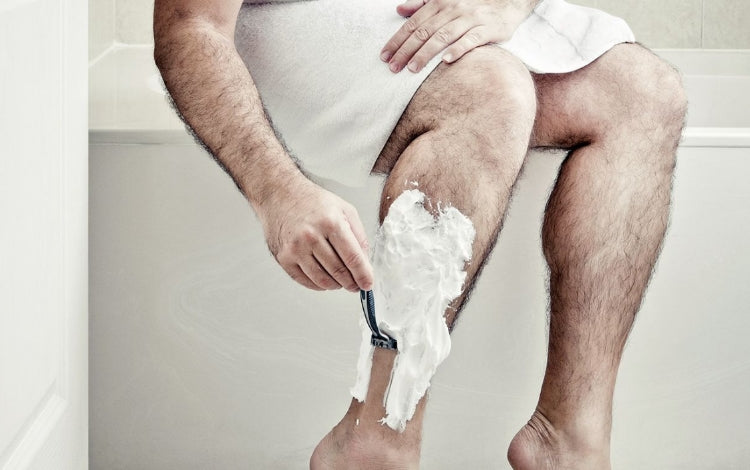
Best Ways and Tips for Guys Shaving Legs

Should I Eat Before or After Workout to Lose Weight?
Need guidance?

Get a free one-on-one consultation
Explore Beauty
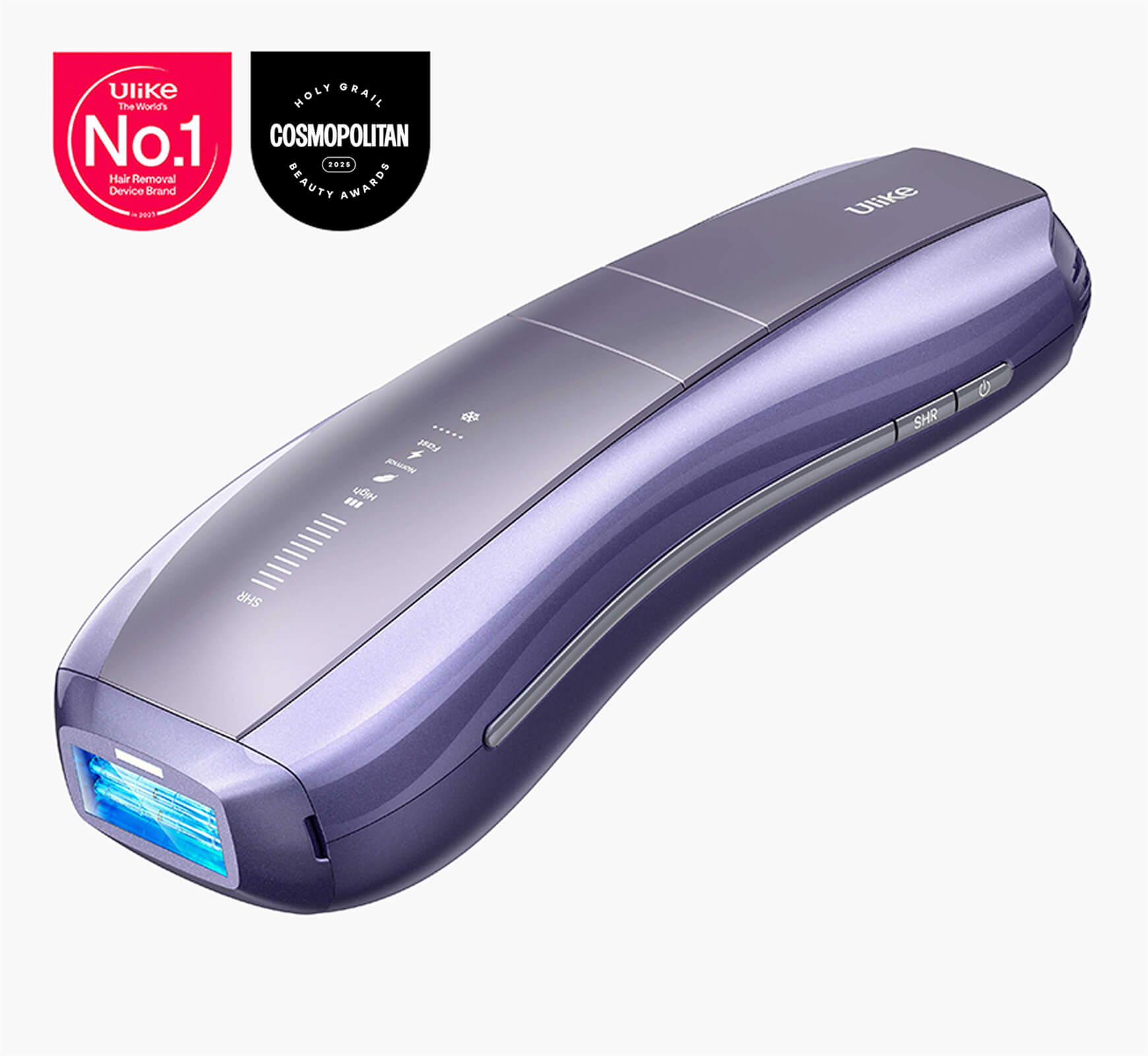
Ulike Air 10
2 weeks to silky smooth skin.
96% Hair Density Reduction in 2 Weeks
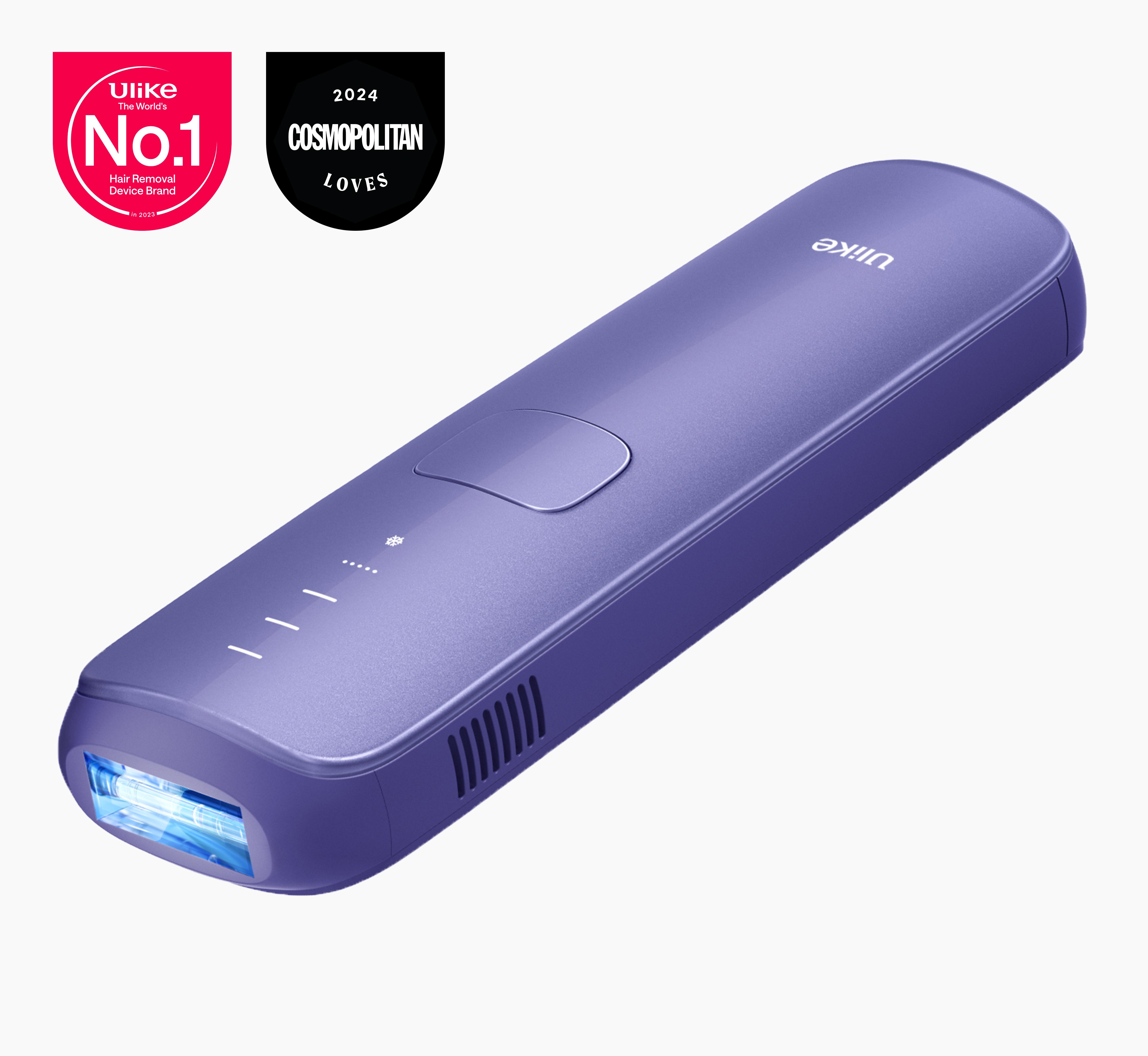
Ulike Air 3
3 weeks to silky smooth skin.
93% Hair Density Reduction in 4 Weeks
Ulike X
3 weeks to silky smooth skin.
94% hair reduction in just 2 weeks*

Ulike Reglow
Clearer skin in 2 weeks: Fewer breakouts
Smoother skin in 4 weeks: Fewer lines, firmer feel