













Do Runners Shave Their Legs? Why is it Necessary?


Have you ever thought about leg shaving in athletes? Do runners shave their legs? If you are e fan of sports, you must have noticed your favorite athletes with very smooth legs. Usually, people think that it is for aesthetic purposes but there are also other reasons behind it.
To be able to complete the race flawlessly, they not only need to keep themselves fit but also shave their legs. Why? Some believe that it helps reduce drag while others think it is for visual purposes only. Let’s find the truth!
Table of Contents:
- Part 1: History of Leg Shaving in Sports
- Part 2: Reasons Why Runners Shave Their Legs?
- Part 3: The Science Behind Leg Shaving and Performance
- Part 4: How to Shave Your Legs Properly
- Part 5: Alternatives to Shaving for Runners
Part 1: History of Leg Shaving in Sports

In the world of sports, leg shaving was started around the 20th century by swimmers and cyclists. This reduced friction and helped them perform better in their respective sports. Then this became a trend even in runners, bodybuilders, and other professional athletes.
Now shaving the legs has become common among athletes as it helps them showcase their body proportions, and muscles and allows them to be more efficient in their performance.
Shaving the legs not only enhances aesthetic appeal but may also contribute to improved aerodynamics and reduced friction during athletic performance.
Shaving legs is not just about aesthetics; it also enhances muscle visibility and can lead to improved performance. Athletes often find that a streamlined appearance contributes to their overall confidence and readiness during competitions.
The pioneers of leg shaving among athletes have not only motivated others to do the same but also influenced grooming practices worldwide. They are closely observed by their fans and the public who have now also accepted leg hair shaving in men as a common practice.
Part 2: Reasons Why Runners Shave Their Legs?
Why do runners shave their legs? Here are the possible reasons!
Runners may choose to shave for various reasons, including hygiene, ease of injury management, and personal preference. Understanding these motivations can provide insight into the culture surrounding running and athleticism.
Aerodynamics and Performance Enhancement
Having thick and bushy legs can increase the drag which compromises the speed of runners. Everyone knows that positions are decided by even a one-second difference so no good runner will compromise on this.
By minimizing hair, runners can also enhance their comfort during long races, as hair can trap sweat and increase friction.
Reducing drag is crucial for runners aiming to achieve their best times. The impact of drag reduction becomes increasingly significant at higher speeds, making leg shaving a common practice among serious competitors.
Even a small reduction in drag can translate to a noticeable increase in performance, making leg shaving a strategic choice for many athletes.
Reducing drag is crucial for athletes as even the slightest improvement in speed can make a difference in competitive sports.
In races where every millisecond counts, athletes often consider every detail that could enhance their performance, including leg shaving.
Reducing drag can significantly impact overall performance, particularly in competitive events where milliseconds matter.
For sprinters and distance runners alike, shaving legs is seen as a key factor in optimizing their race times and achieving personal bests.
Shaving legs can help reduce this drag and provide a faster speed to the runner.
This practice not only aids in speed but also contributes to a psychological edge, as runners feel more streamlined and ready to perform.
Shaving legs not only enhances speed but can also boost a runner's confidence during competitions.
Shaving legs may also enhance a runner’s comfort, as a smoother surface can reduce friction during movement.
Reducing drag is crucial for runners aiming to enhance their performance during races or training sessions.
Reducing drag can lead to improved times, making it a focus for serious athletes looking to gain an edge.
Reducing drag is essential for maximizing efficiency and achieving personal bests in races.
Reducing drag helps athletes maintain speed, which is vital when competing at high levels.
Injury and Wound Care

Being a runner, you must be very well aware of the injuries suffered by runners during their practices and official competitions. With the hair on the legs, it is difficult to apply bandages, locate the exact injury, and treat it effectively.
Shaving will make your legs hair-free making it easier to treat the wounds and apply bandages.
Shaving facilitates better access to the skin, which is important for applying treatments effectively.
Shaving not only aids in treatment but also allows for better visualization of injuries, ensuring proper care.
Hair-free legs not only facilitate easier wound treatment but also promote quicker recovery.
Hair-free legs can enhance recovery by allowing for thorough cleaning and application of ointments.
Hair-free legs can also minimize the risk of infections, as wounds are easier to clean and monitor.
Hair-free legs help keep the area around wounds clean, reducing the potential for complications during healing.
Massage and Muscle Therapy
A leg massage relaxes the muscles, increases flexibility, and improves the range of motion in athletes. They often massage and muscle therapies to prevent muscle strain and increase the blood flow in the legs. If your legs are hairless, these massages might prove more comfortable, effective, and soothing for the runners.
Aesthetic and Psychological Benefits
Shaving legs or keeping the hair also depends upon the personal preferences of a runner. Some athletes remain unbothered about their leg hair while others prefer shaved legs. It gives them a sense of cleanliness and increases self-confidence in them, This eventually leads to better performance.
Part 3: The Science Behind Leg Shaving and Performance

There are no studies that particularly prove the effect of leg shaving in running but significant effects have been seen in other sports. Chester Kyle was the first one to conduct a study in 1987 on the impact of leg shaving on aerodynamics. He observed a 0.6% reduction in drag which saved the cyclists 5 seconds in an hour trial at a speed of 37 km/hour.
This was experienced in real life by Thomas, a triathlete who forgot to shave his legs before his testing session. He observed a 7% reduction in drag thus saving cyclists that allowed him to exert 15 watts less power but still go at the same speed. After that, 5 more cyclists were tested who saved 50 to 82 seconds on a 40km long course.
Davis Phinney, an American cyclist, who had 300 victories stated “I know that if I ever looked down while I was on the bike and saw hairy legs, I immediately felt slower.”. It is presumed that the concept of leg shaving works similarly for all sports so it might have the same effect on running.
Part 4: How to Shave Your Legs Properly
Pre-shaving Preparation Tips
Before shaving the leg hair, here are some tips you can follow to make shaving easier and a smoother experience:
These tips are designed to ensure a \1 process, minimizing the risk of irritation or injury.
- Start with a warm water shower as it softens your body hair and it gets cut more easily as you move the blade against them
- Then use a gentle exfoliating scrub, Loofah, or gloves to clean your skin from the dead cells and dirt. This makes the body smooth and reduces friction between the skin and the razor
- Longer hair can easily get tangled with the blade so trim it to a shorter length first before shaving
Starting with warm water is crucial because it not only \1 but also opens up the hair follicles, making it easier to achieve a close shave.
Using warm water not only helps to \1 but also promotes better blood circulation, which can contribute to a more pleasant shaving experience.
Warm water showers are essential as they prepare the skin and hair, ensuring a smoother shaving process.
Using a gentle exfoliating scrub can enhance the shaving experience by removing impurities that may otherwise hinder a close shave.
This step is vital for achieving a \1, as it helps prevent the razor from getting stuck on dead skin cells.
Exfoliating helps to create a clean surface, reducing the risk of irritation and promoting a better shave.
Trimming hair beforehand is important because it helps to \1, which can lead to discomfort or cuts while shaving.
Best Tools and Products for Shaving Legs

You can either use the traditional shaving equipment or level up your game with modern shaving tools. Here are some products and tools that you can try for shaving;
Choosing the right tools can make a \1 in the quality of your shave and your overall satisfaction with the process.
Investing in high-quality shaving tools can lead to a more enjoyable experience and better skin health after shaving.
Using the right tools can significantly enhance your shaving experience, ensuring a smoother and safer process.
Using the right tools is essential for achieving a \1, minimizing the risk of irritation and injury.
- Traditional Razors: Traditional razors are usually easier for beginners to use. You can control them however you want. Moreover, they can also help you get a closer shave
These razors offer a \1, allowing for greater precision and control, which is especially beneficial for beginners.
- Shaving Creams: Shaving creams serve help as lubricants between the razor and your skin. It reduces the chances of nicks and cuts. Lathering them up on the skin will help the razor move more swiftly and efficiently
Shaving creams also help to \1, which can further improve the shaving experience and reduce discomfort.
By using shaving creams, you can create a \1 that helps the razor glide smoothly over your skin, enhancing comfort and safety.
Choosing the right shaving cream can make a noticeable difference in comfort and effectiveness, helping to protect your skin during the shave.
Different formulations of shaving cream can cater to \1, providing tailored protection and comfort during shaving.
Using the right shaving cream not only enhances comfort but also plays a vital role in protecting your skin from irritation and razor burn.
- Electric Razors: Electric shavers are generally considered safer than traditional blades. They are more quick and efficient but do not provide a close shave as much as manual razors
While electric razors are convenient, they may require \1 to ensure optimal performance and longevity.
While electric razors offer convenience, it's essential to understand their limitations in achieving a close shave compared to traditional methods.
Understanding the limitations of electric razors can help users make informed choices about their shaving routine.
Step-by-step guide to Shaving Legs Safely
After softening the leg hair and trimming it shorter, follow these steps to give your legs a flawless shave:
- Ensure that you have a sharp razor in your hands
- Put a thin layer of shaving cream on the legs and lather it thoroughly
- Now press the razor gently against the skin and glide the razor upwards in long strokes
- Cover all the areas one by one and once you are done with hair removal, rinse them with tap water
Using a sharp razor is crucial for reducing irritation and achieving a clean shave without excessive pressure.
Applying shaving cream properly helps to create a protective barrier that enhances glide and reduces friction, leading to a more comfortable shave.
Gentle pressure while gliding the razor helps to minimize the risk of cuts and ensures a smoother shaving experience.
Rinsing with tap water after shaving not only cleans the skin but also helps to soothe it, reducing the potential for irritation.
Post-shaving Care to Prevent Irritation and Ingrown Hairs
As the shaving blade rubs against the skin, it can cause temporary redness and irritation on the skin. Here is what you can do to prevent irritation and ingrown hair after shaving:
Proper aftercare is essential to maintain skin health and comfort after shaving.
After shaving, proper care is crucial to avoid discomfort and maintain skin integrity.
To ensure a \1, it's important to follow these aftercare tips, which can help maintain skin health and prevent further issues.
Following these aftercare tips can significantly enhance your shaving experience and promote healthier skin.
- Rinse the shaved legs with cold water as it can help soothe the skin and constrict the pores
- Apply a gentle moisturizer so that your skin can heal. You can also use a post-shaving balm to revitalize your skin
- As debris can accumulate on the skin over time and cause ingrown hair, exfoliate the legs 2-3 days after shaving to prevent this buildup.
Using cold water is particularly effective as it can \1, reducing the risk of irritation and allowing pores to tighten.
Moisturizing after shaving is key to keeping the skin hydrated and minimizing irritation.
Using a gentle moisturizer can significantly enhance the skin's ability to recover from the effects of shaving.
Choosing a moisturizer that is free from harsh chemicals can further enhance its \1 effects on the skin.
A good moisturizer is essential because it aids in \1, helping to restore hydration and softness after shaving.
Opting for a moisturizer with natural ingredients can also promote \1 and improve skin texture.
Exfoliation not only prevents ingrown hairs but also keeps the skin feeling \1 and revitalized.
Incorporating regular exfoliation into your routine can play a vital role in maintaining smooth skin and preventing ingrown hairs.
Regular exfoliation can prevent \1, leading to healthier skin overall.
Regular exfoliation is key to \1, as it helps remove dead skin cells and keeps hair follicles clear.
By keeping hair follicles clear, exfoliation can also enhance the \1 of shaving or waxing routines.
Post-shaving care is essential to \1 and the risk of ingrown hairs, particularly for runners who may experience increased sweating and friction.
This care routine is particularly important for athletes, as \1 can exacerbate skin issues.
Part 5: Alternatives to Shaving for Runners
Waxing
Waxing can serve as a great alternative to shaving in runners as it is also quick and cost-effective. It can be slightly painful at first but with each next session, your pain tolerance will increase.
Waxing can also result in longer-lasting results, as hair takes longer to regrow compared to shaving.
For many runners, waxing can be a \1 due to its efficiency and long-lasting results, making it appealing despite the initial discomfort.
The results for waxing are also longer than shaving. In addition, the new hair that comes is less and thinner so you will need fewer waxing sessions, unlike shaving.
The longer-lasting results of waxing can provide \1 for runners, allowing them to focus more on their training than on regular hair removal.
Greater convenience can also mean less time spent on grooming, allowing runners to dedicate more time to their workouts and recovery.
By reducing hair thickness, waxing can lead to \1 needed over time, making it a practical choice for long-term hair management.
With fewer sessions needed, runners may find that waxing is a more efficient and cost-effective method of hair management in the long run.
IPL Hair Removal

IPL hair removal can be the best choice for removing the leg hair. It is a nearly painless method of removing hair without the risks of cuts, nicks, or ingrown hair. The results last for months to years. Sounds interesting, right?
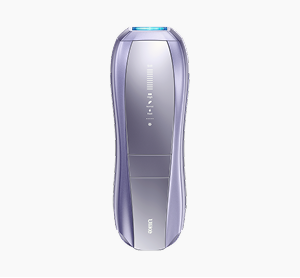
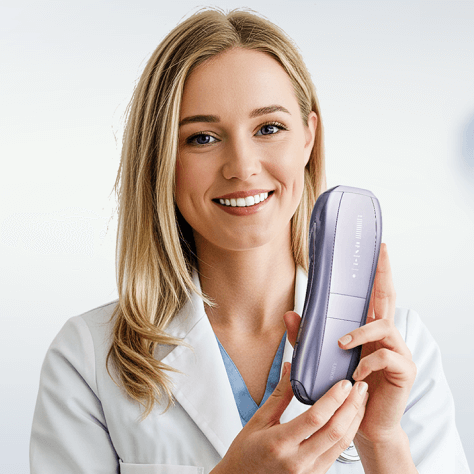
Here is something even more interesting! You can buy an at-home IPL device, the Ulike Air 10 It has dual light and SHR mode just to treat stubborn hairs. Moreover, a broad window allows you to cover a larger surface area in less time. Its SkinSensor technology also ensures that your skin stays safe during the session.
Conclusion
Previous studies conducted on the impact of leg shaving on athletic performance proved that it helps reduce drag, As the legs become smoother, the resistance between air and the body reduces making it easier for the runner to run. It can also help in the better management of wounds and provide athletes with a good massage.
However, the results might not be the same for everyone. The decision of shaving the legs or not in runners mainly depends upon one’s personal experience and preferences. If you are confused as a runner, you can try shaving your legs once and observe the difference.

Do Runners Shave Their Legs? Why is it Necessary?
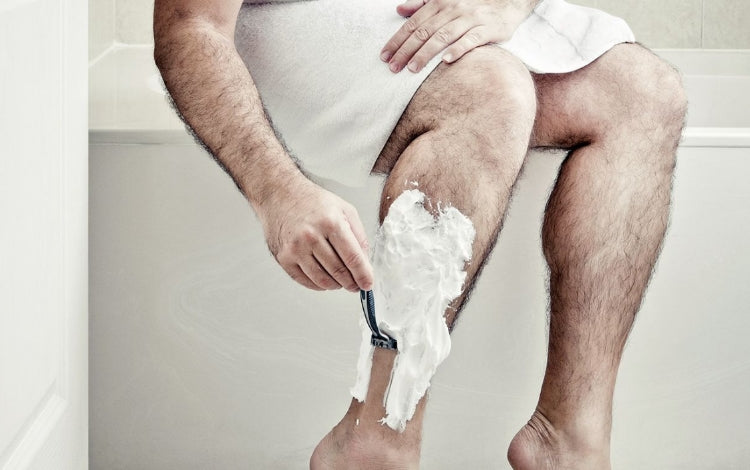
Best Ways and Tips for Guys Shaving Legs

Should I Eat Before or After Workout to Lose Weight?
Need guidance?

Get a free one-on-one consultation
Explore Beauty
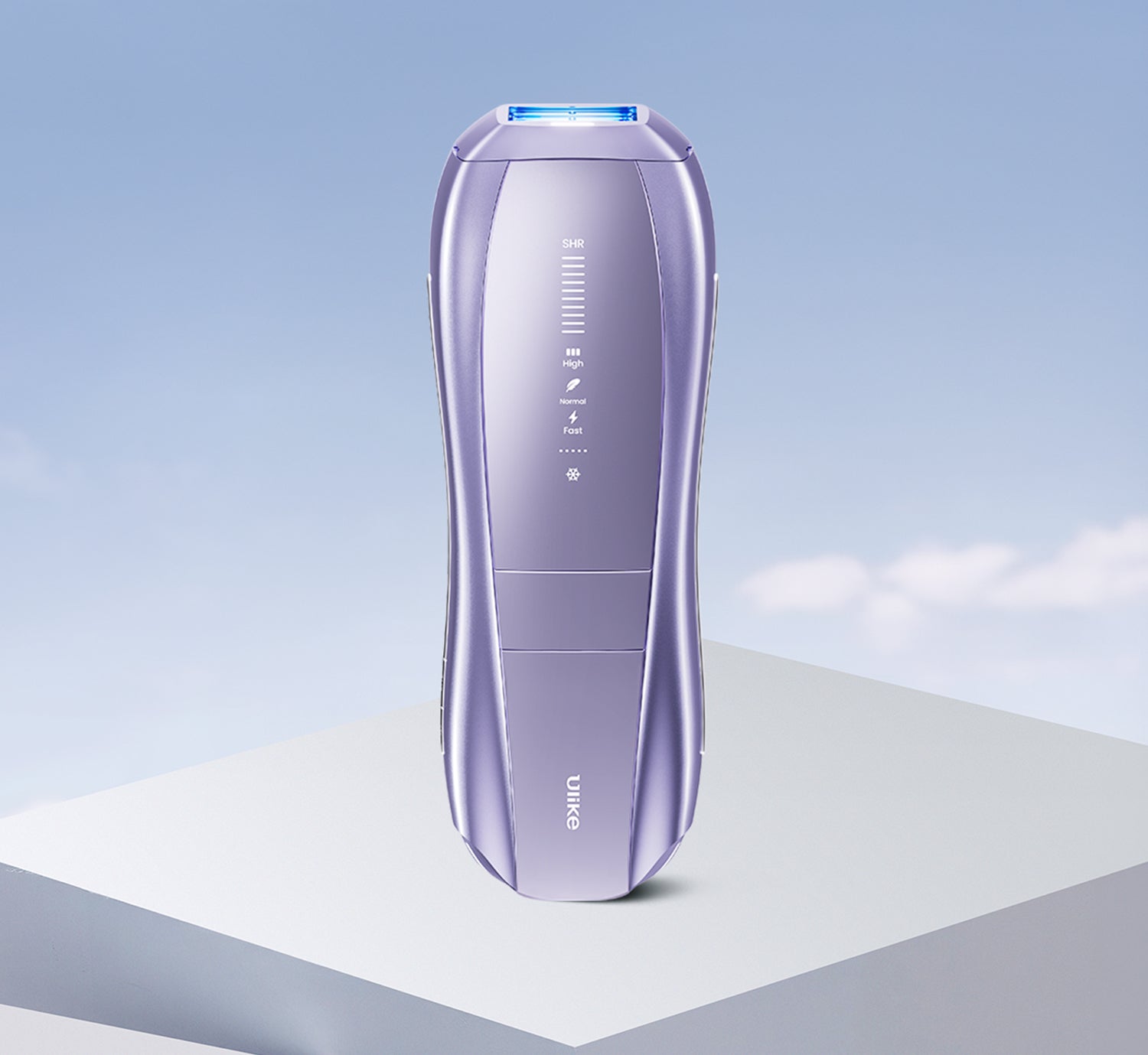
Ulike Air 10
2 weeks to silky smooth skin.
96% Hair Density Reduction in 2 Weeks
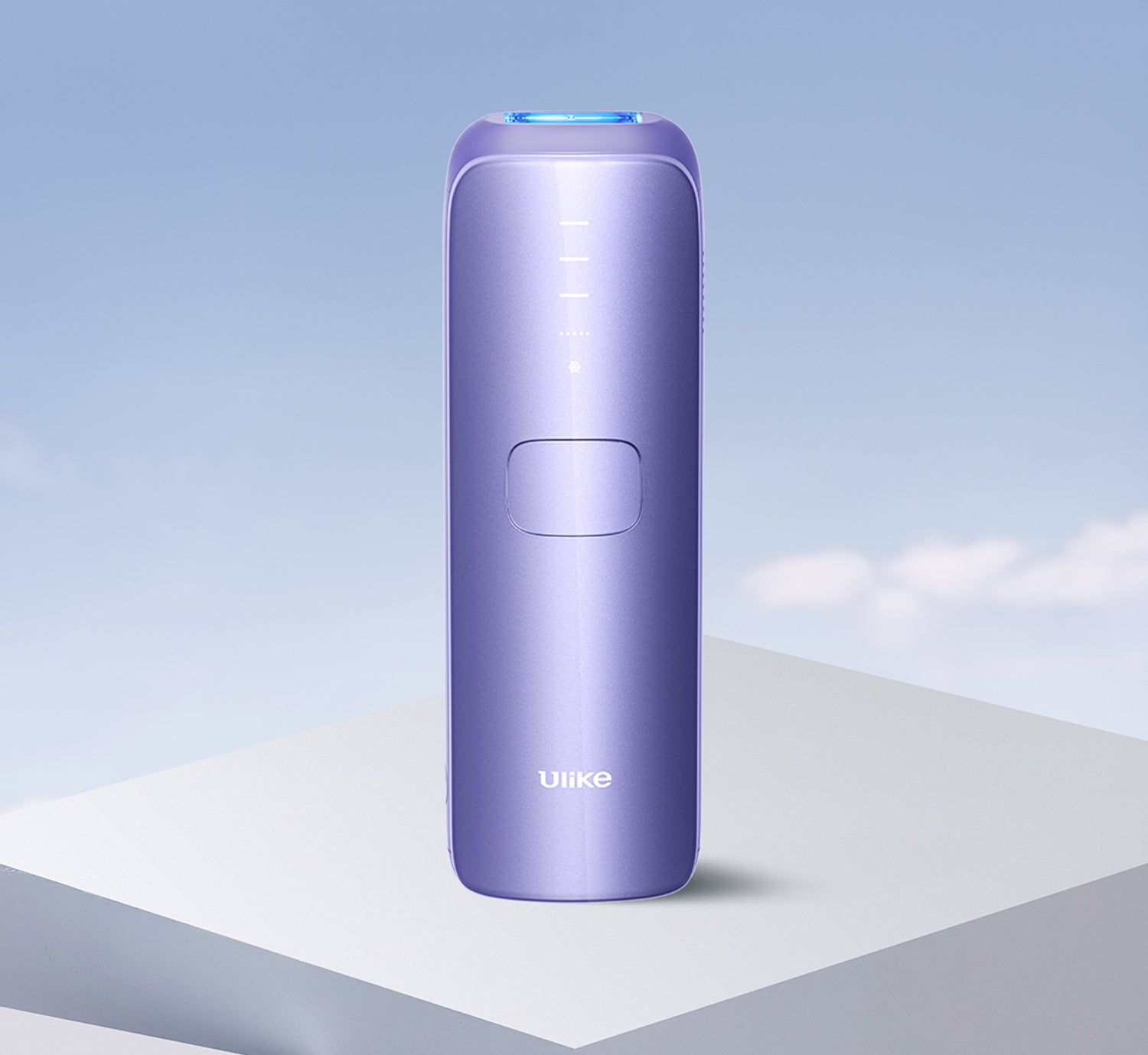
Ulike Air 3
3 weeks to silky smooth skin.
93% Hair Density Reduction in 4 Weeks