






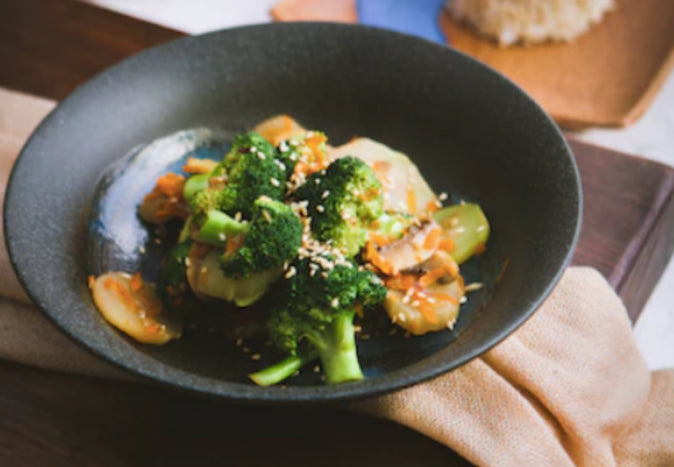
How to Preserve Nutrients While Cooking Vegetables?

The preservation of nutrients in food was not immediately known, nor was its true meaning and value known. Preparing food is one thing, but knowing, controlling, and preserving its nutritional values is another matter.
It is very important to know food, fruits, and vegetables to get the best out of them during their preparation and to give our body a sufficient daily amount of necessary vitamins, minerals, and nutrients.
Understanding the nutritional value of foods is crucial for maintaining a healthy diet and maximizing the benefits of our meals.
Vegetables are necessary for our bodies. It is the source of many vitamins and minerals that keep our bodies healthy and strong. It contains vitamins that our body produces itself, but also those that the body cannot produce enough.
Incorporating a variety of vegetables into your diet can help ensure you receive a balanced intake of essential nutrients that support overall health.
What should you know before preparing vegetables?

Our recent blog on “ Cooking Habits That Make You More Healthy ” has given you some basic information about saving nutrients while preparing food. This time, we dive a little deeper – into the most important source of vitamins and how to prepare them best.
First things first, here is a list of what you must take care of before preparing veggies:
-
BUY FRESH VEGETABLES – No processed product will be able to surpass natural and organically grown fruits and vegetables, regardless of the number of additives. Moreover, even chopped vegetables, let alone processed ones, have already lost their vitamin content.
Fresh vegetables not only taste better but also provide more nutrients compared to their processed counterparts, making them a wise choice for anyone looking to enhance their diet.
Choosing fresh vegetables is key to retaining their full nutrient profile, ensuring you get maximum health benefits from your meals.
-
CLEAN THOROUGHLY – If you are not sure whether the vegetables are clean, or whether they have been sprayed with pesticides at all, you must, in any case, thoroughly clean them before preparing them. One teaspoon of baking soda in half a liter of water, submerged for at least 5 minutes, will be enough to get rid of pesticides from the surface of vegetables.
-
STORING THE VEGGIES – Some vegetables can be frozen, and some can’t. There are a couple of different ways to store vegetables properly. It’s not a secret, and you can easily find it online.
-
AVOID REHEATING – Generally, reheating any food is not recommended, especially vegetables. Reheating causes damage to veggies, making them lose all the water and sauce that has left.
Avoid reheating vegetables whenever possible, as this can lead to nutrient loss and negatively affect their texture.
Avoid reheating vegetables whenever possible, as this can lead to nutrient loss and negatively affect their texture.
How to Prevent Loss of Vitamin C During Cooking

The preservation of vitamin C during the preparation of vegetables is particularly important due to the properties and function of vitamin C in the body. Vitamin C acts as, one might say, the main antioxidant. Certain chemical compounds and processes that cleanse the body of toxins and unnecessary substances are impossible without vitamin C.
Water acts as a solvent for the vitamin, so cooking vegetables with this vitamin is not recommended for a long time. But there is no room for worry; most vegetables that contain vitamin C can be eaten raw. There are also techniques to preserve it during preparation to make it taste tastier.
As for cooking vegetables with vitamin C, there are several tips on how to do it while losing as little of this vitamin as possible:
-
Cook shortly; add veggies to boiling water for only up to 5 minutes
Cooking vegetables for a short duration helps to retain their vitamin C content, which is sensitive to heat.
-
Don’t use a lot of water; let there be just a little more veggies than water
-
Avoid overcooking
-
Choose rather steaming over boiling
To maintain the maximum amount of vitamin C in your vegetables, it is essential to cook them quickly.
Overcooking can lead to a significant loss of nutrients, so it's essential to monitor cooking time closely.
Best Vegetable Preparation Techniques to Preserve Nutrients
The method that requires the least water, not so high a temperature, and a short time will be the best for preparing vegetables and preserving nutrients, especially vitamin C. What is closer to raw vegetables will be more suitable.
-
Steaming

During steaming, the vegetables will retain almost all nutrients, and at the same time, they will be easier to chew and for the stomach to digest, and therefore tastier.
Steaming is a great way to maximize nutrient retention while also enhancing the taste and texture of vegetables.
How to: Add three to five cups of water to the pot; put a steaming basket on the pot when the water has started to boil; add vegetables to the steaming basket and cover it with a lid; steam for a required amount of time, depending on the veggies.
-
Sautéeing

This technique is very similar to boiling but differs in the amount of water. Some vegetables that are thick or wiry will not be suitable for sautéeing.
Sautéeing can be effective for certain vegetables, but consider the type of vegetable to ensure optimal cooking results.
How to: Place the pot on a moderately heated plate, add up to five tablespoons of water to the pot and wait for it to heat up without increasing the heat. Add the chopped vegetables and cover the pot. This way, the vegetables will be cooked in their liquid. Add a touch of cooking oil only to prevent veggies from sticking.
-
Baking/Roasting

This method tends more towards making vegetables taste better than preserving nutrients, but it is still preferable. The good thing is that no oil or water is needed, and this technique is recommended for preparing thick and wiry veggies.
While baking or roasting may enhance flavor, it is important to note that nutrient preservation can vary based on cooking time and temperature.
How to: Heat the oven to the highest temperature, place the baking sheet on the dish and arrange the vegetables. Place the vegetables in the heated oven and set the temperature to medium.
There are also several other techniques for preparing vegetables, but most of them are concentrated on better flavor than saving nutrients. For example, air-frying vegetables have become very popular lately due to their crunchy results. It is also known because adding salt, oils, or some spices to the veggies is recommended. Another delicious way is grilling.
Vegetable dish tips

You might wonder where to start now that we have learned multiple veggie preparation techniques. You can find some interesting recipes in one of our previous blogs, ” The 10 Best Detox Diet & Drinks of 2023 “. Don’t be afraid to mix spices with veggies. Indeed, it is recommended for flavor lovers. Here is a list of groceries that can be used for the preparation of vegetables with minimal loss of nutrition.
-
Juice
Incorporating juice into dishes may also add a nutritional boost from the vitamins and minerals it contains.
-
Vinegar
Adding vinegar can enhance flavor and may help retain the vibrant colors and nutrients of vegetables during cooking.
-
Garlic
Including garlic in your vegetable dishes not only adds taste but can also provide additional health benefits.
-
Cooking oils
Cooking oils can significantly impact the nutrient retention in vegetables. Opting for oils that are rich in healthy fats, like olive oil, may help enhance the absorption of fat-soluble vitamins.
-
Cheese
-
Pepper
-
Ground sweet pepper
Using juice in cooking can enhance flavor while potentially preserving more nutrients compared to boiling.
Using cooking oils wisely can improve the absorption of fat-soluble vitamins found in vegetables.
Feel free to play with the recipes. Try out various ways of adding these groceries to your vegetable dish. Some work best when added before the cooking, and some work better when added after cooking. If you want to find out which spice is best with which vegetable, you should ask the pros.

Featured Products

Ulike Air 10
2 weeks to silky smooth skin.
96% Hair Density Reduction
The next-generation in simple,
lasting hair removal.

Do Runners Shave Their Legs? Why is it Necessary?

Best Ways and Tips for Guys Shaving Legs
Should I Eat Before or After Workout to Lose Weight?

Explore Beauty

Ulike Air 10
2 weeks to silky smooth skin.
96% Hair Density Reduction in 2 Weeks

Ulike Air 3
3 weeks to silky smooth skin.
93% Hair Density Reduction in 4 Weeks

Ulike Air 4
4 weeks to silky smooth skin.
95.8% hair reduction in just 2 weeks*

Ulike Reglow
Clearer skin in 2 weeks: Fewer breakouts
Smoother skin in 4 weeks: Fewer lines, firmer feel