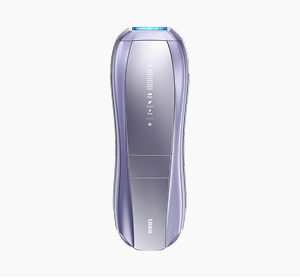
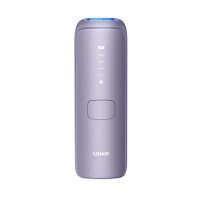
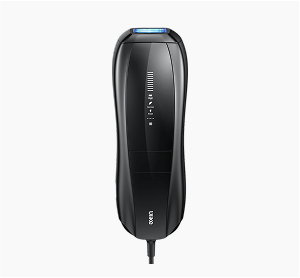
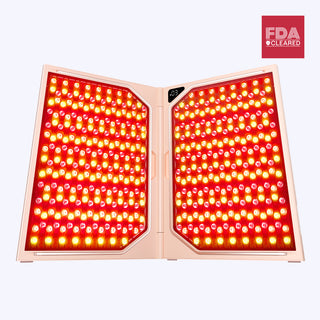
 Ulike ReGlow Pro★ 5.0 (511)




A full year of IPL hair removal changes the way you think about "getting ready." Instead of planning outfits around shaving, it becomes more like brushing your teeth, quick, normal, and easy to keep up with. That's exactly the vibe from Oh!MGlashes' one-year check-in with a Ulike hair removal device: clear results, a simple routine, and a confidence boost that shows up in everyday life.
My one-year Ulike IPL journey, from constant shaving to quick touch-ups
A year sounds like a long time, but in practice it often breaks into two phases. First, there's the "put in the reps" stage, where you stay consistent and let the treatments build. Then there's maintenance, where you only reach for your device when you notice a little regrowth.
That's where this update lands. After a year, treatments aren't happening multiple times a week anymore. Instead, it's closer to a once-a-month touch-up, and only if there's visible growth. The funny detail is that regrowth can show up in unexpected spots, like knees. So, maintenance becomes less about doing a full routine, and more about targeting the few areas that still try to pop off.
What also stands out is the expectation many people have going into IPL. There's a fear that hair will come back thicker or darker, like the opposite of what you want. This experience was the reverse. With consistent use, the regrowth became minimal, finer, and more spread out. That's the part that makes it feel like a real lifestyle upgrade, because a quick session replaces the daily or every-other-day shaving cycle.
Consistency early on makes everything easier later, because maintenance feels light once results build.
Real results after one year, the areas that changed most
Not every area responds the same way, and that's why it helps to call out where the biggest improvements showed up. In this update, three spots clearly led the pack.
The biggest difference areas (and why they matter)
- Mustache area: Hair became close to non-existent, and any regrowth stayed minimal.
- Underarms: This was described as the biggest insecurity, and it shifted from frequent shaving to only occasional, fine regrowth.
- Legs: Hair reduction was dramatic overall, with small regrowth mostly showing up around the knees.
That mix is important because it covers a few common pain points at once. Facial hair can feel like something you notice constantly. Underarms can be sensitive and easy to irritate with shaving. Legs are simply time-consuming when you're doing them often. So when all three get easier, your whole routine feels easier.
What regrowth looks like now
After a year, the maintenance pattern is simple: reach for the device about once a month, and only when you see hairs coming in. When regrowth does happen, it's described as thin and sparse, not dense. That's why it stops feeling like "a whole shaving task." Instead, it's a quick moment, a few flashes, and you move on.
Comfort and pain level after long-term use
Pain was basically not part of the story here. Comfort still depends on the intensity you choose, but after a year of use, the highest setting felt doable. The takeaway is that as you get used to it, you can work up in intensity based on your tolerance and results.
For a deeper explanation of the general mechanism behind IPL targeting pigment in the follicle, this guide helps: How IPL Works for Hair Removal
A beginner-friendly IPL schedule that sets you up for success
The first few weeks are where most people either lock in a routine or fall off. Therefore, having a simple schedule matters more than having a "perfect" plan. The routine shared in the update is straightforward, and it's based on building momentum early, then backing off once hair slows down.
Here's the cadence that was recommended:
- Weeks 1 to 2: Use it 3 to 4 times per week to jumpstart results.
- After week 2: Move to 2 to 3 times per week.
- Later maintenance: Once you're happy with results, shift to about once a month, or whenever you notice growth.
That early consistency matters because IPL works over hair growth cycles. So, repeating sessions helps you catch more hairs in the right phase over time. If you treat sporadically, it can feel like nothing's happening, even when the device is doing its job.
Intensity is the other piece. Over time, the user in this review worked up to higher levels and stayed comfortable. The practical approach is simple: start at a level you can tolerate, then increase as you get used to the sensation and as your skin responds well.
If you want a timeline-focused view of when visible changes tend to show up with IPL routines (and what factors can affect it), this article is a helpful companion: IPL hair removal results timeline
Unboxing Ulike, what you get and what makes it feel comfortable
At-home devices only feel "easy" when the setup doesn't turn into a project. In this demo, unboxing was quick and the accessories were meant to support safe use from day one.
What's in the box
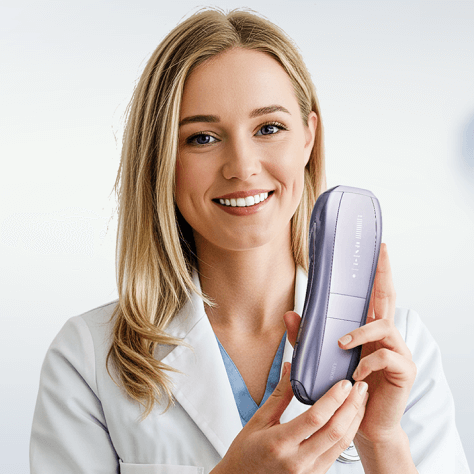
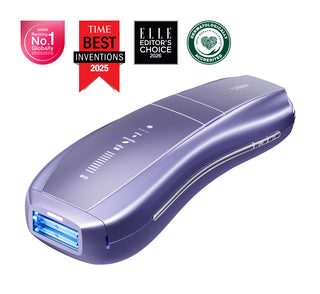
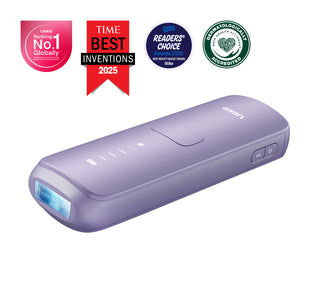
- The IPL device
- Charger
- Protective glasses
- A small razor
From there, the standout feature mentioned is Ulike's sapphire ice-cooling technology, which is designed to keep the skin cool during flashes, including in more sensitive areas. Comfort matters because if sessions feel unpleasant, it's harder to stay consistent, and consistency is what drives results.
Ulike also includes an SHR mode, described as a go-to option for coarser hair, like underarms or bikini area. That's useful because coarse hair can be more stubborn, and having a mode designed for it removes some of the guesswork.
On top of that, the device includes adjustable intensity, so you can tailor sessions based on area and comfort. For a clearer explanation of how the cooling approach works and why it's meant to reduce heat discomfort, this internal guide lays it out: Ulike Ice Cooling technology guide
Brand credibility can also matter when you're putting a light-based device on your skin at home. Ulike reports a long track record in optical beauty devices, with years of IPL research, a large global patent portfolio, and broad international distribution. It also cites independent market research ranking it as a top global seller by sales volume in the at-home IPL category, based on 2023 metrics confirmed in 2024.
How to use an at-home IPL hair removal device (the exact routine shown)
The actual process is refreshingly simple. Most of the "work" happens before you even turn it on, because prep affects both comfort and results.
Step 1: Prep your skin the right way
Start with clean, shaved skin. In the demo, the guidance was clear: if hair is longer than about 2 mm, it can interfere with results. So, shave first (the included razor is there for this exact reason).
Step 2: Protect your eyes
Put on the UV-protected glasses before treatment. IPL produces bright flashes, so this is a non-negotiable part of the routine.
Step 3: Choose your mode and treat
Select the mode that matches the area (for example, SHR mode for coarser hair). Then place the device flat against the skin so the sensor can activate. After that, press the treatment button, and you're set.
The vibe here is "low effort, high payoff." You can sit at your vanity, throw on a show, and knock it out without leaving home. In this update, a full-body session was described as taking roughly 10 to 12 minutes, which helps explain why it becomes easier to keep up with than shaving.
One more safety-related note was also included: check whether your skin tone is eligible for IPL before you begin. The device is described as having sensor tech that helps with energy adjustment, but eligibility still matters, so it's worth verifying before you commit to a routine.
Is Ulike worth it after a year? Time saved, comfort, and confidence
After a year, the value becomes clearer because you're not guessing anymore. You're comparing your old routine to your current one.
To make that contrast easier to scan, here's a simple side-by-side:
| Routine factor | Before (frequent shaving) | After (IPL maintenance) |
|---|---|---|
| Time spent | Repeated shower shaving sessions | Quick touch-ups when needed |
| Skin experience | Higher chance of irritation | Cooling-focused, described as comfortable |
| Mental load | Remembering if you shaved, missed hairs | Less daily worry, more "set it and forget it" |
The biggest "worth it" moment is when hair regrowth stops being loud. When it grows back thin and sparse, it stops demanding attention. That's where confidence shows up. It's easier to wear what you want, when you want, without doing a last-minute check.
It also helps that the brand positions itself around long-term support and buyer confidence, including policies like a money-back window and warranty coverage, plus customer support and shipping options (availability can vary by region).
If you're comparing devices within the same brand family, this breakdown can help you sort differences: Ulike X vs Air 10 comparison
If you want to see an example of an Air Series product page with specs, reviews, and purchase details, this listing is a useful reference point: Ulike Air 3 Sapphire IPL device
Final thoughts: the "high-maintenance to low-maintenance" upgrade is real
This one-year update lands on a simple message: stick with your IPL routine early, and you earn a much easier routine later. The most noticeable changes showed up on the mustache area, underarms, and legs, with regrowth described as minimal and fine. Most importantly, the confidence shift is what makes the results feel personal, not just cosmetic.
If you're aiming for a routine that feels lighter week after week, IPL hair removal can be that quiet upgrade that keeps paying you back.